Category: Uncategorized
 Free shipping to France on orders over 50€



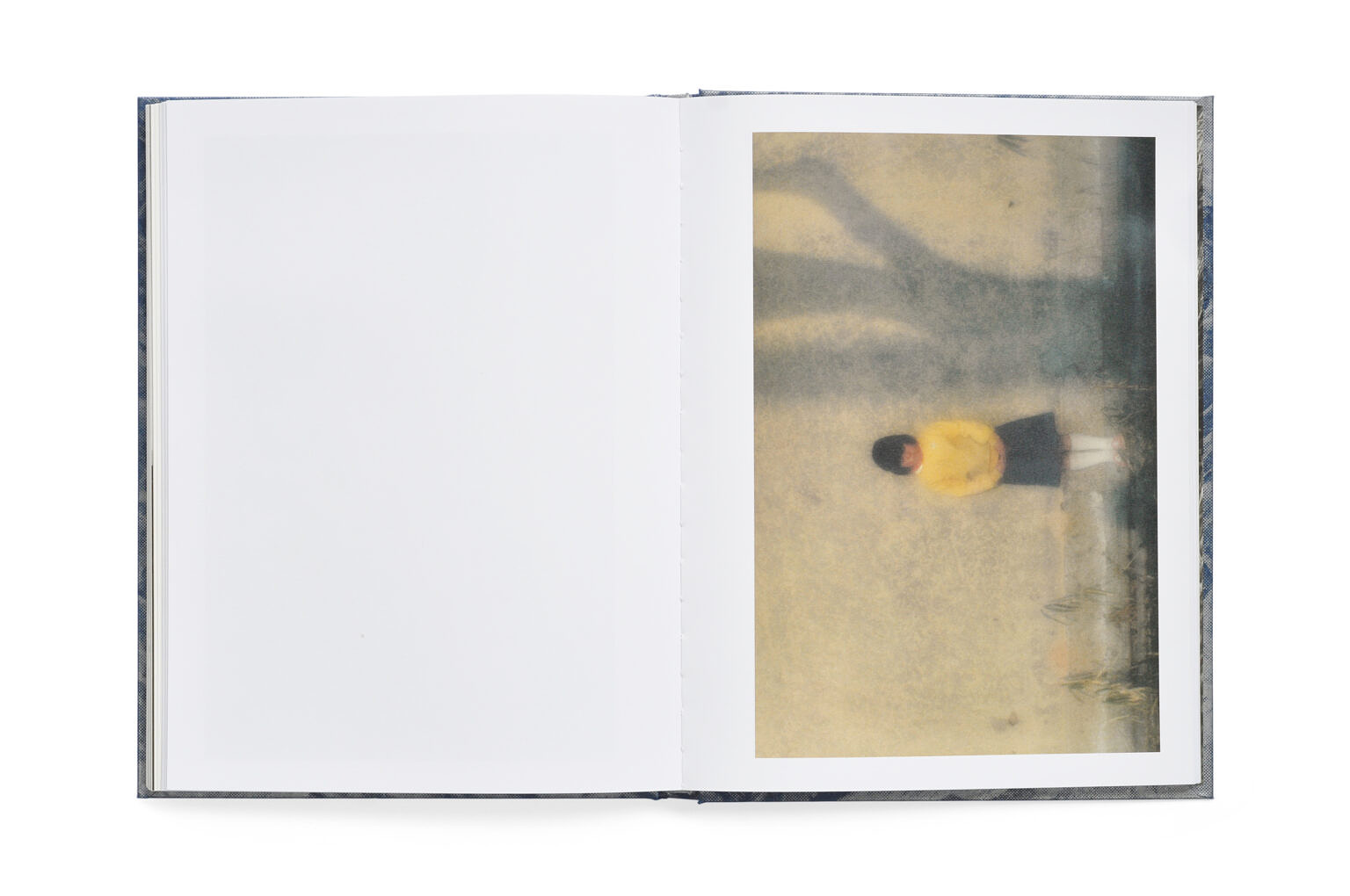
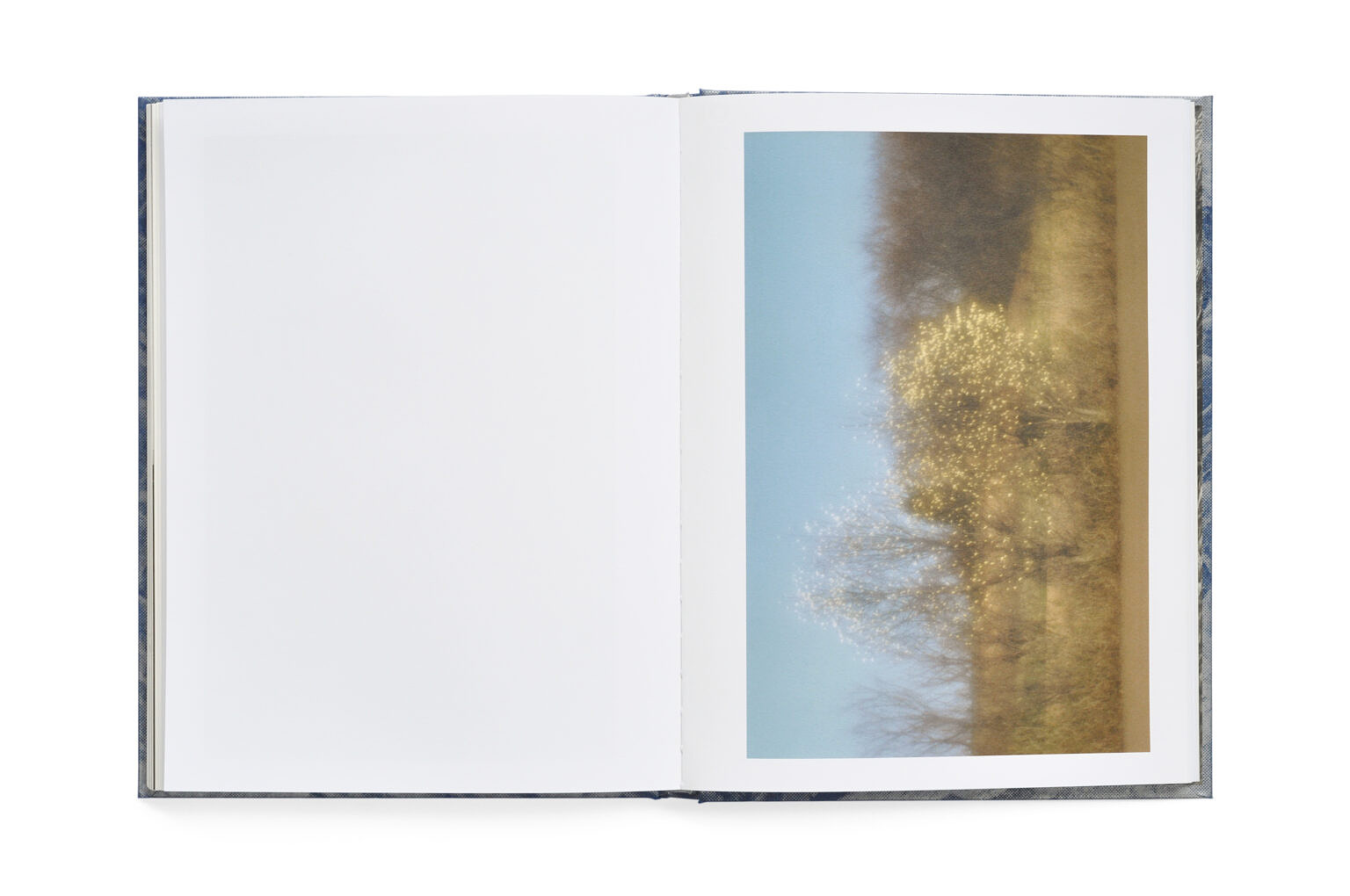
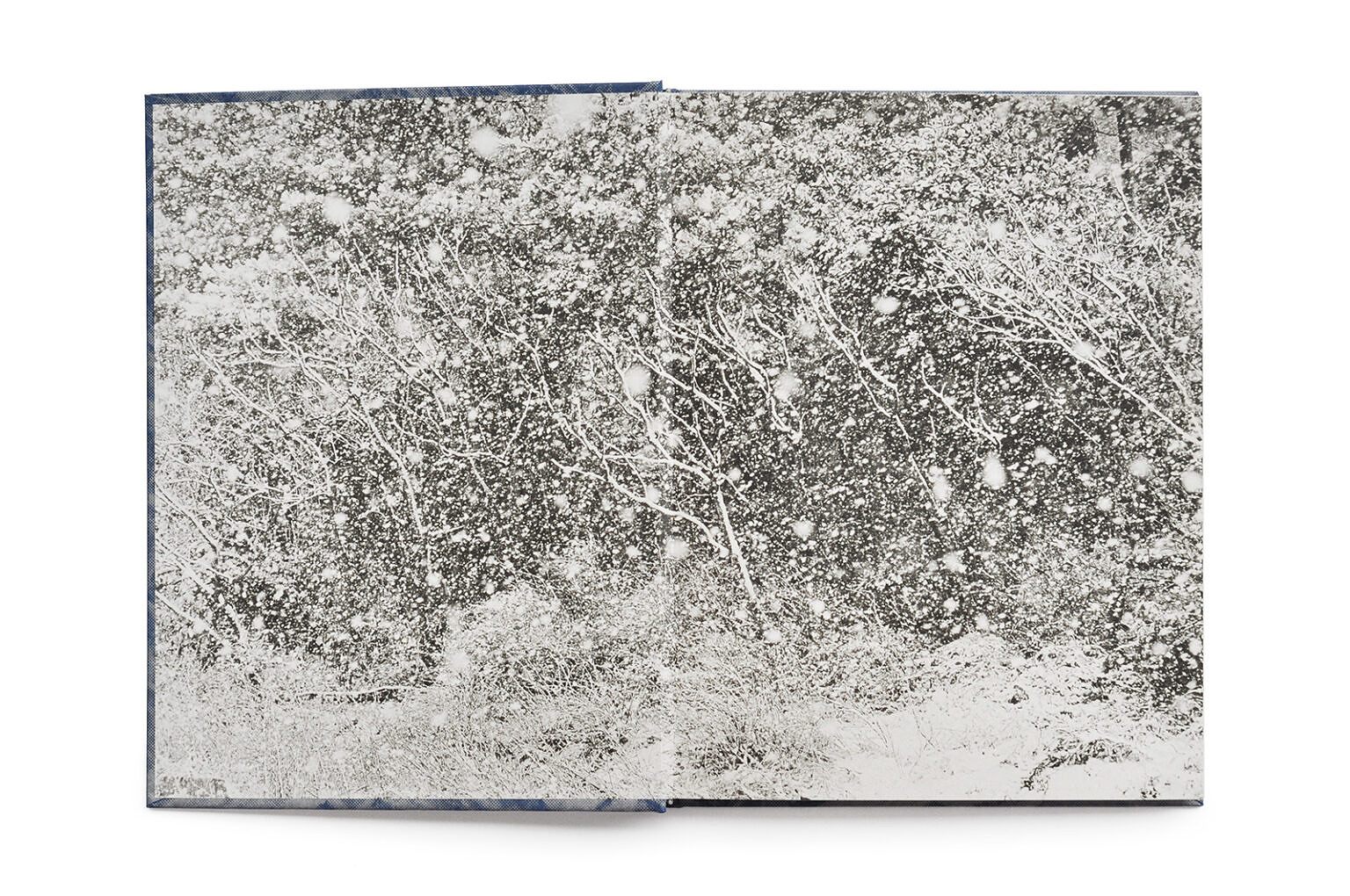

Shoji Ueda
Shoji Ueda
 out of stock
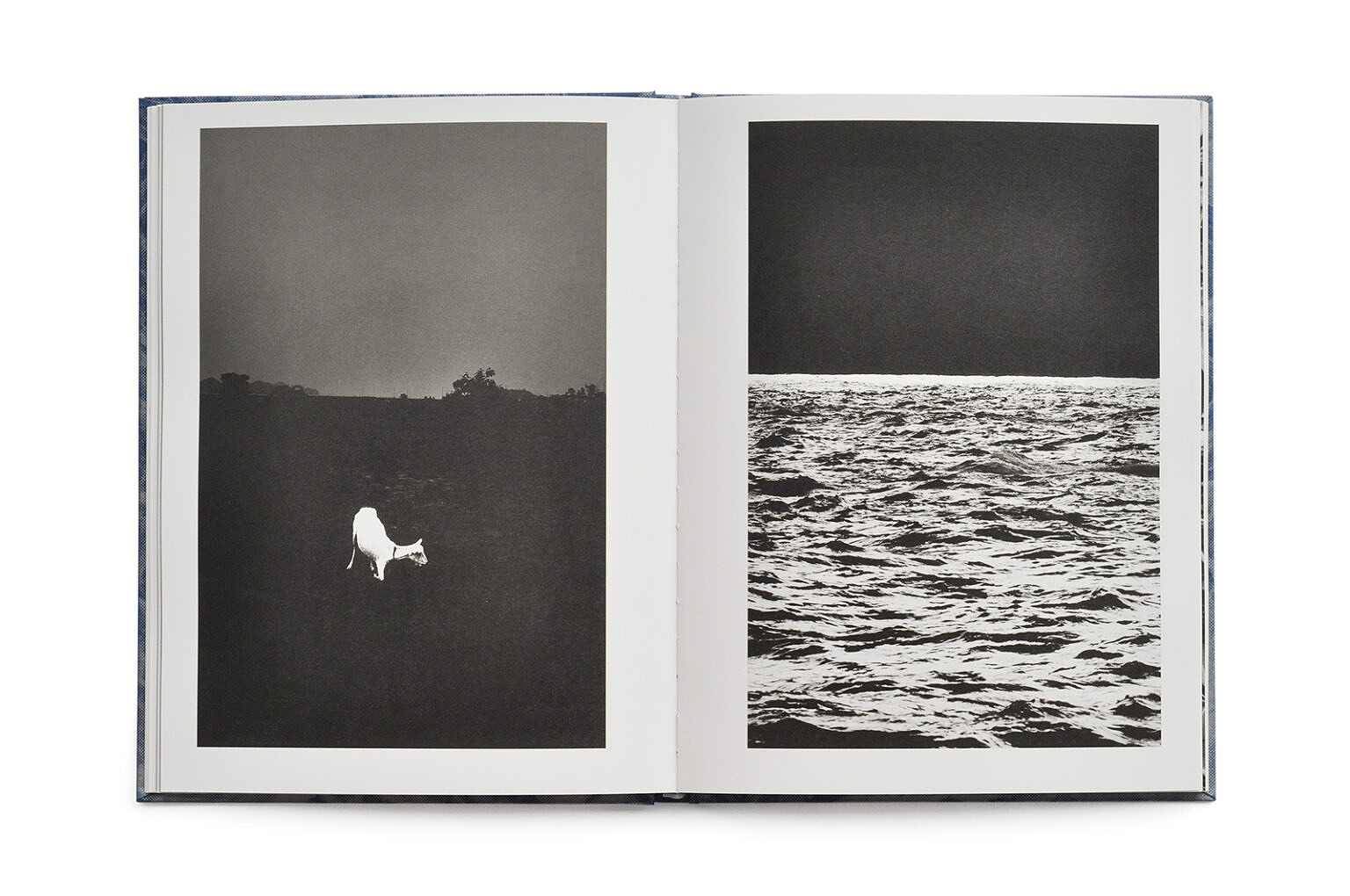
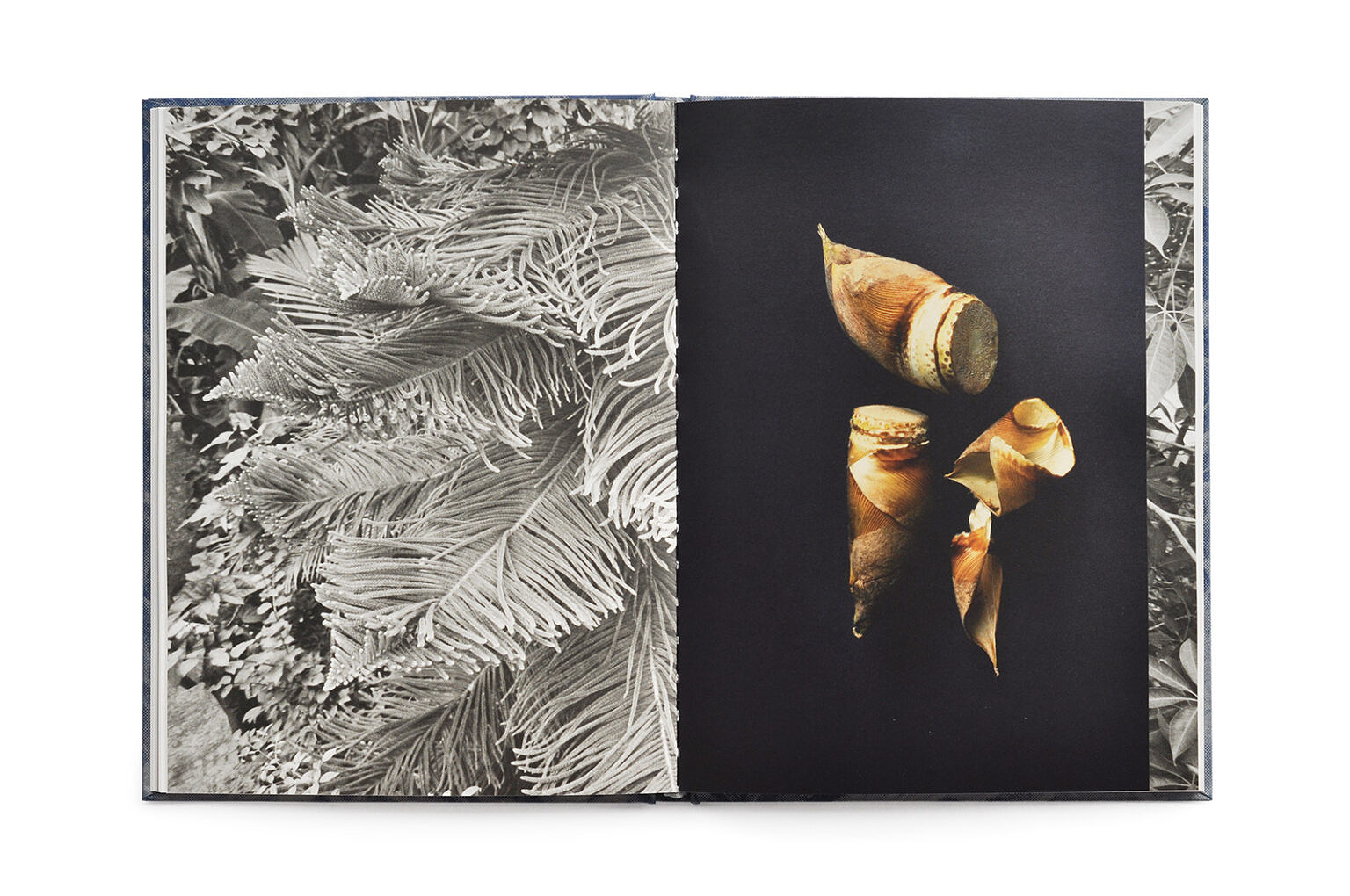
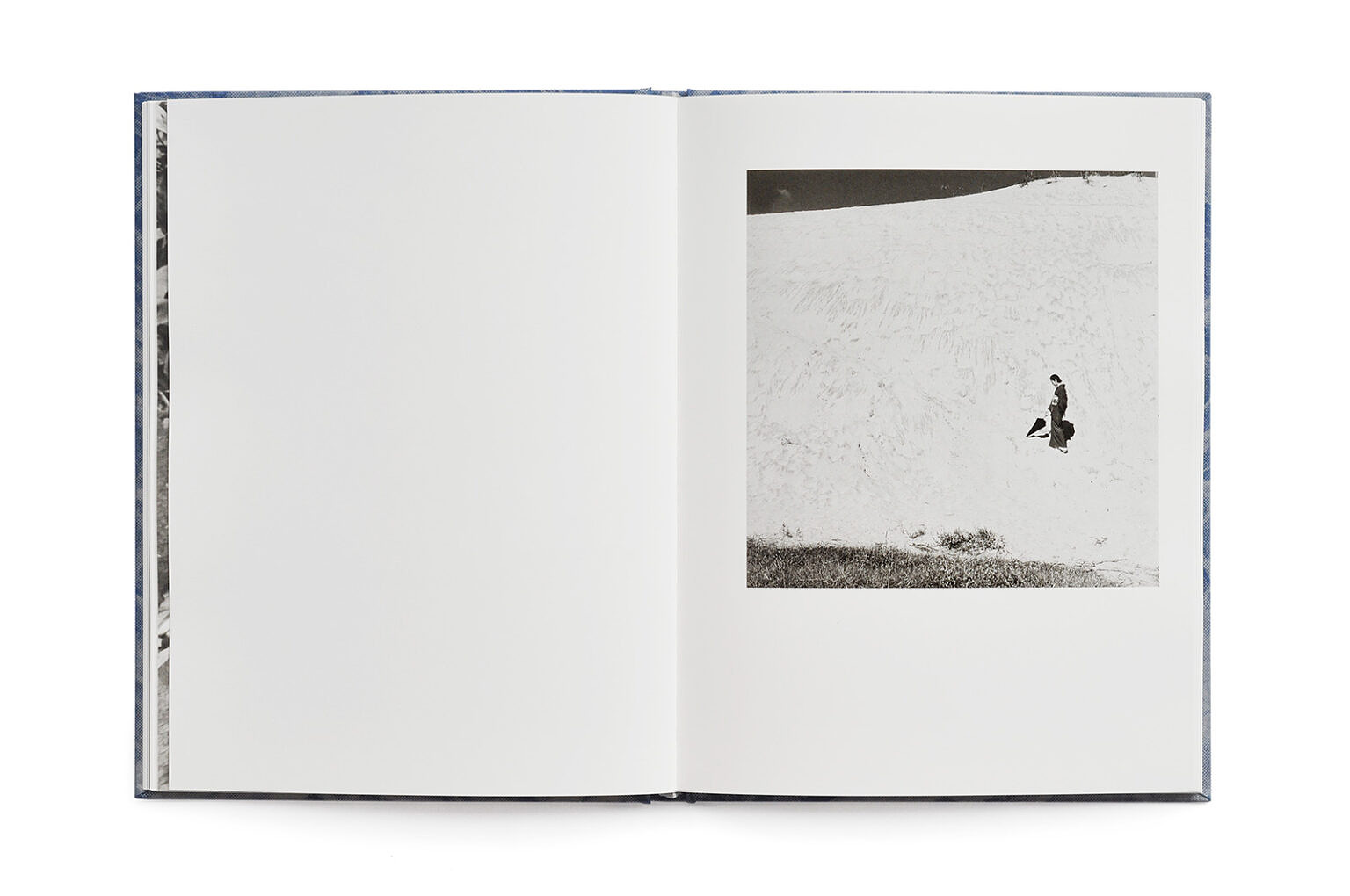
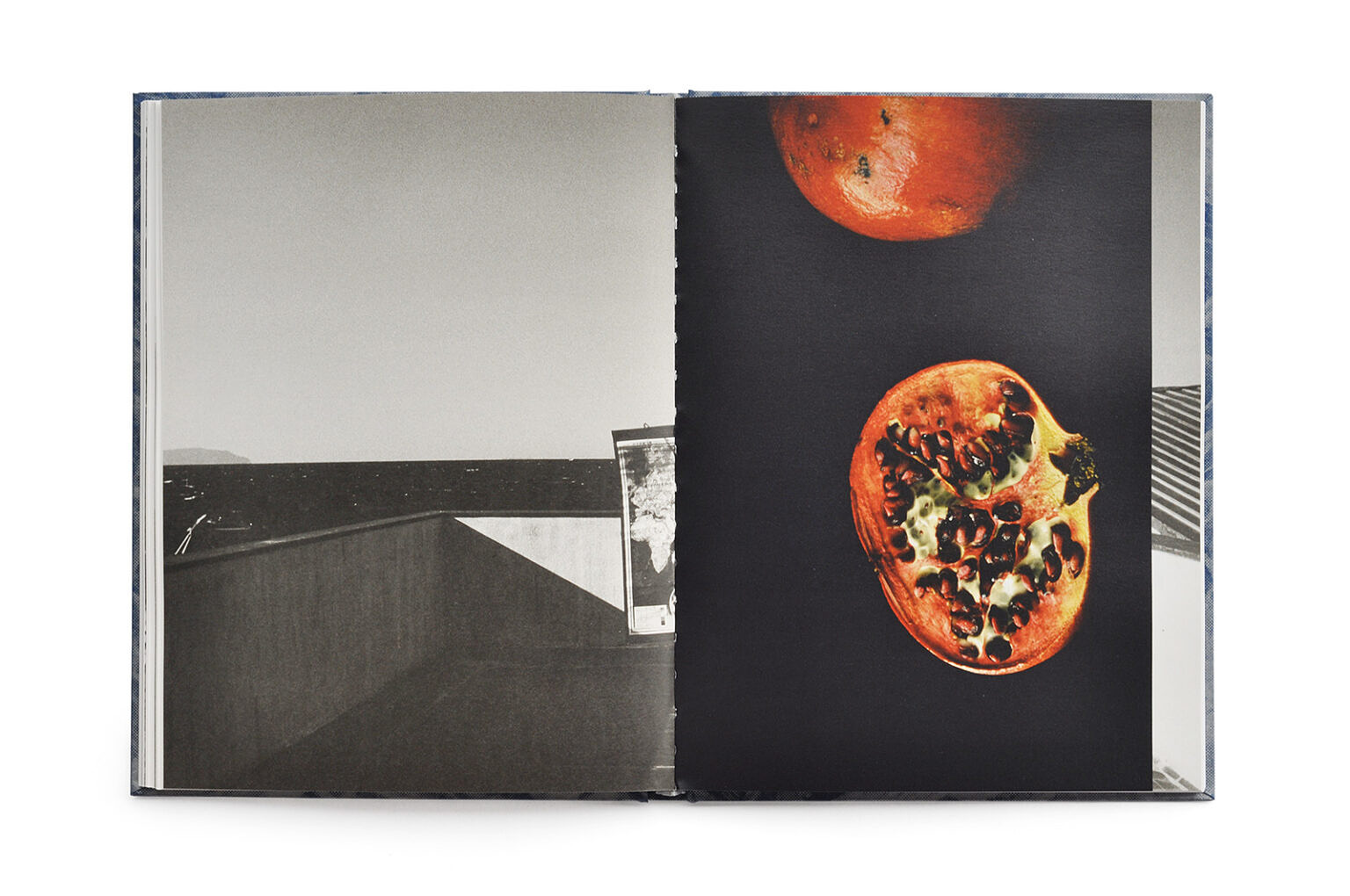
The first trilingual monograph of this sedentary adventurer, one of the masters of Japanese photography.
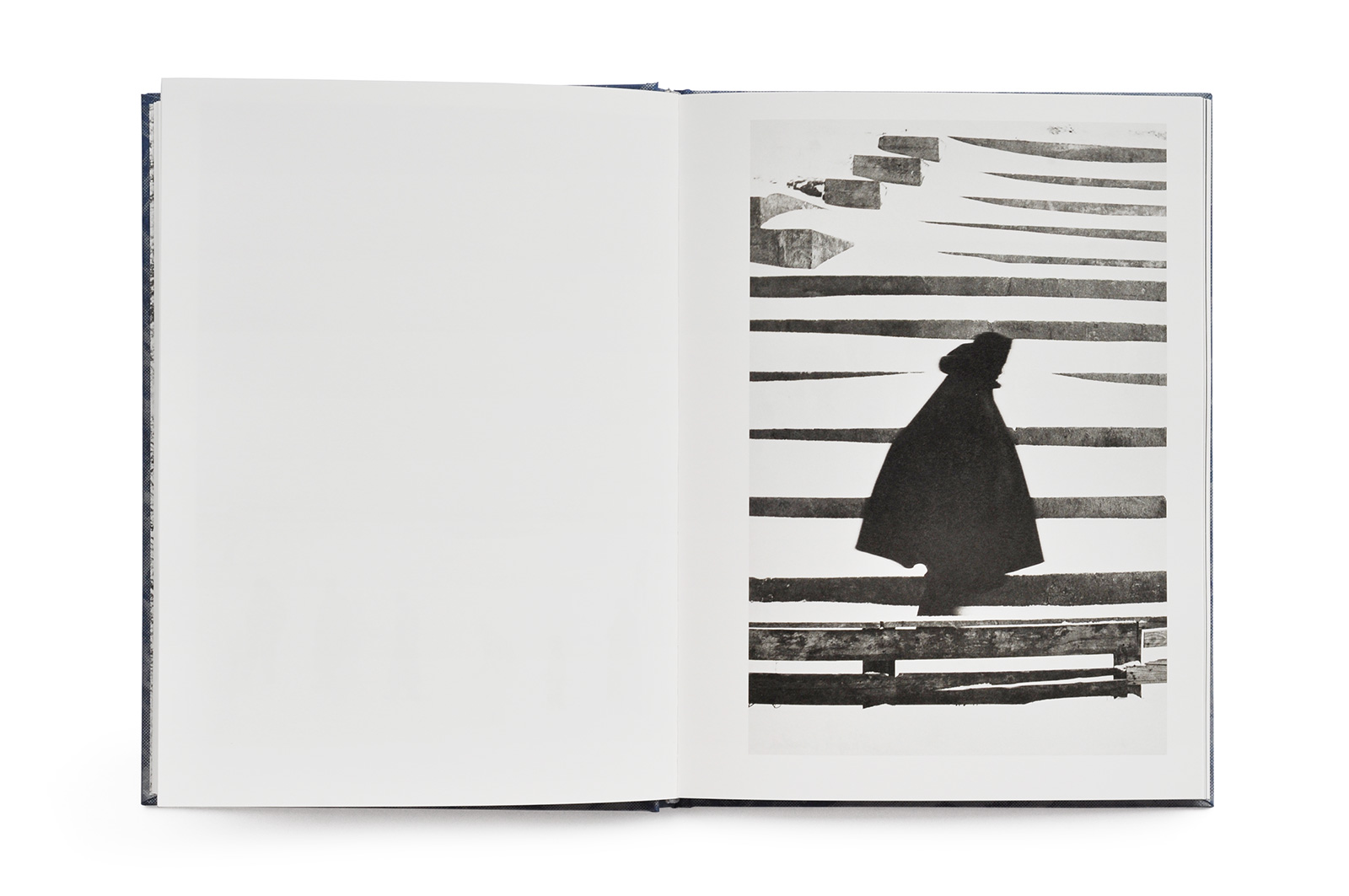
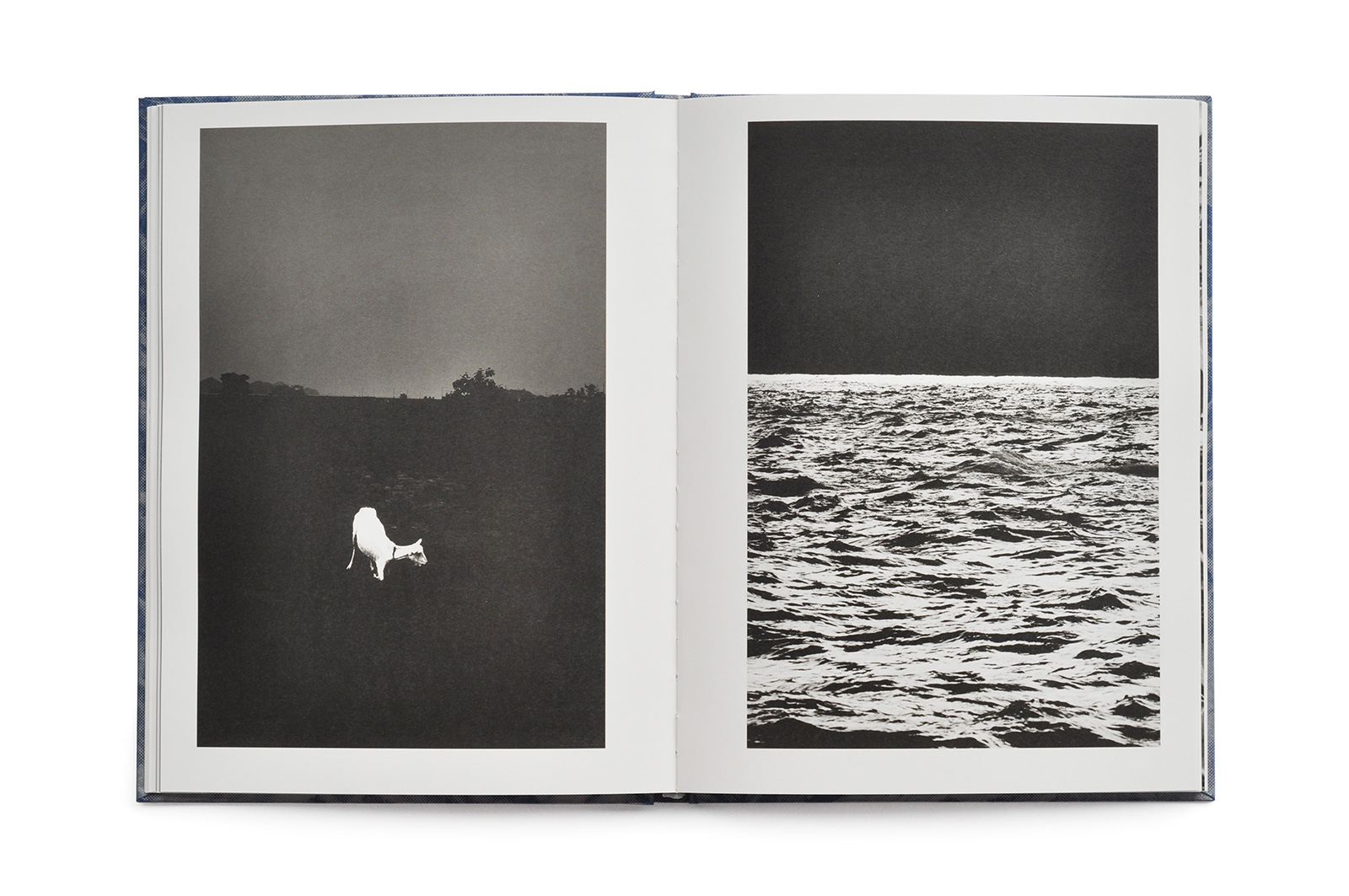
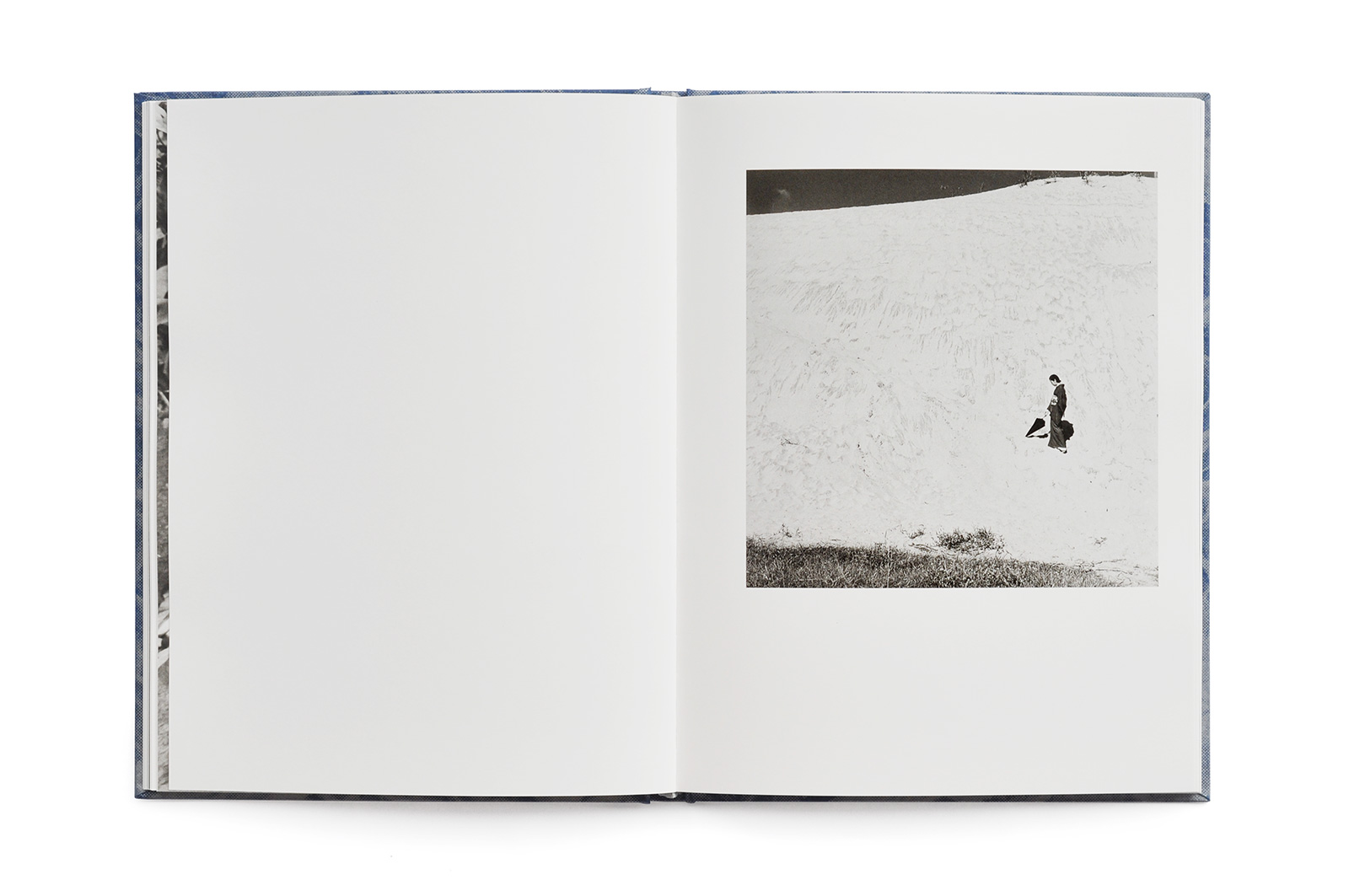
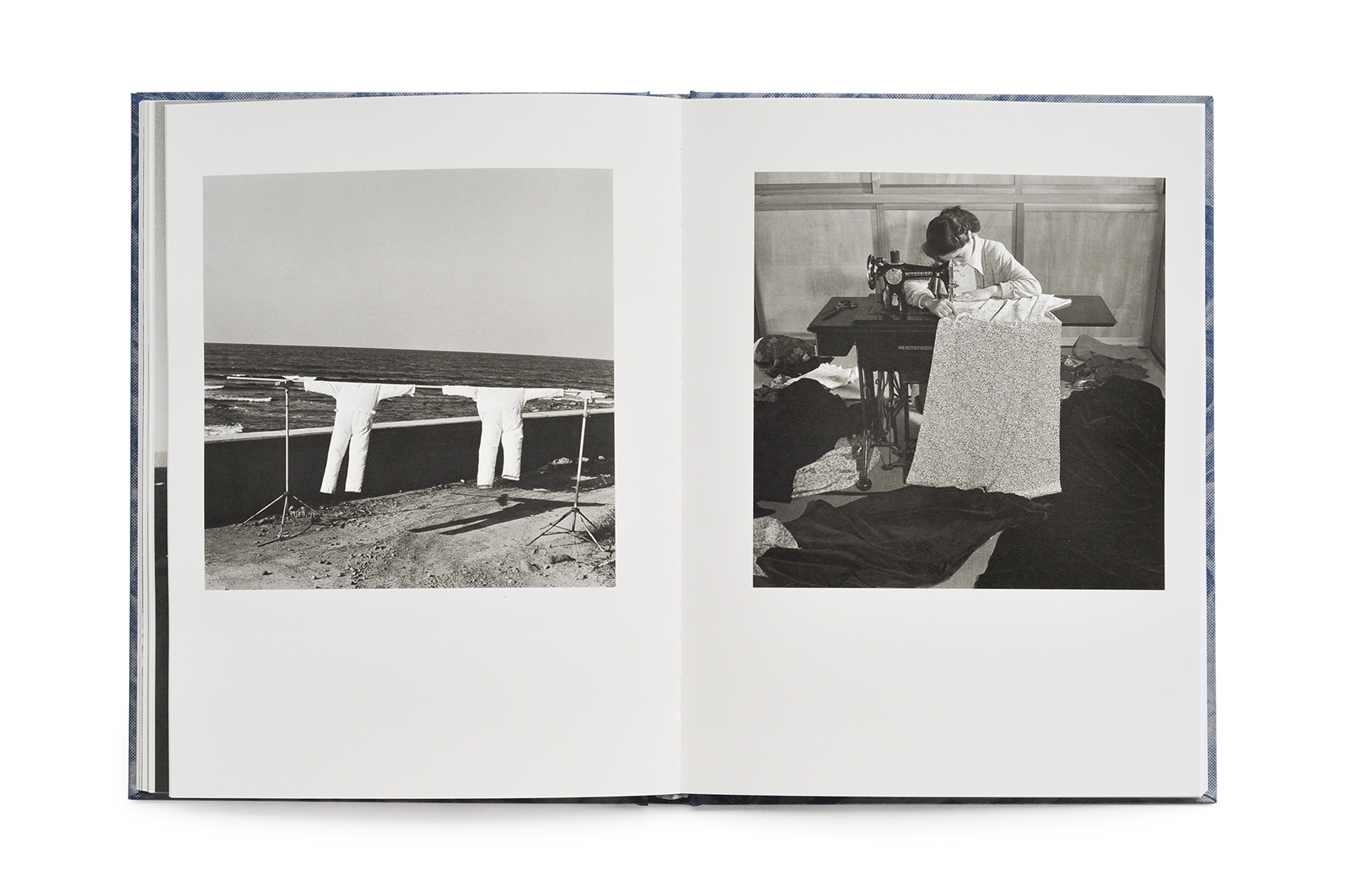
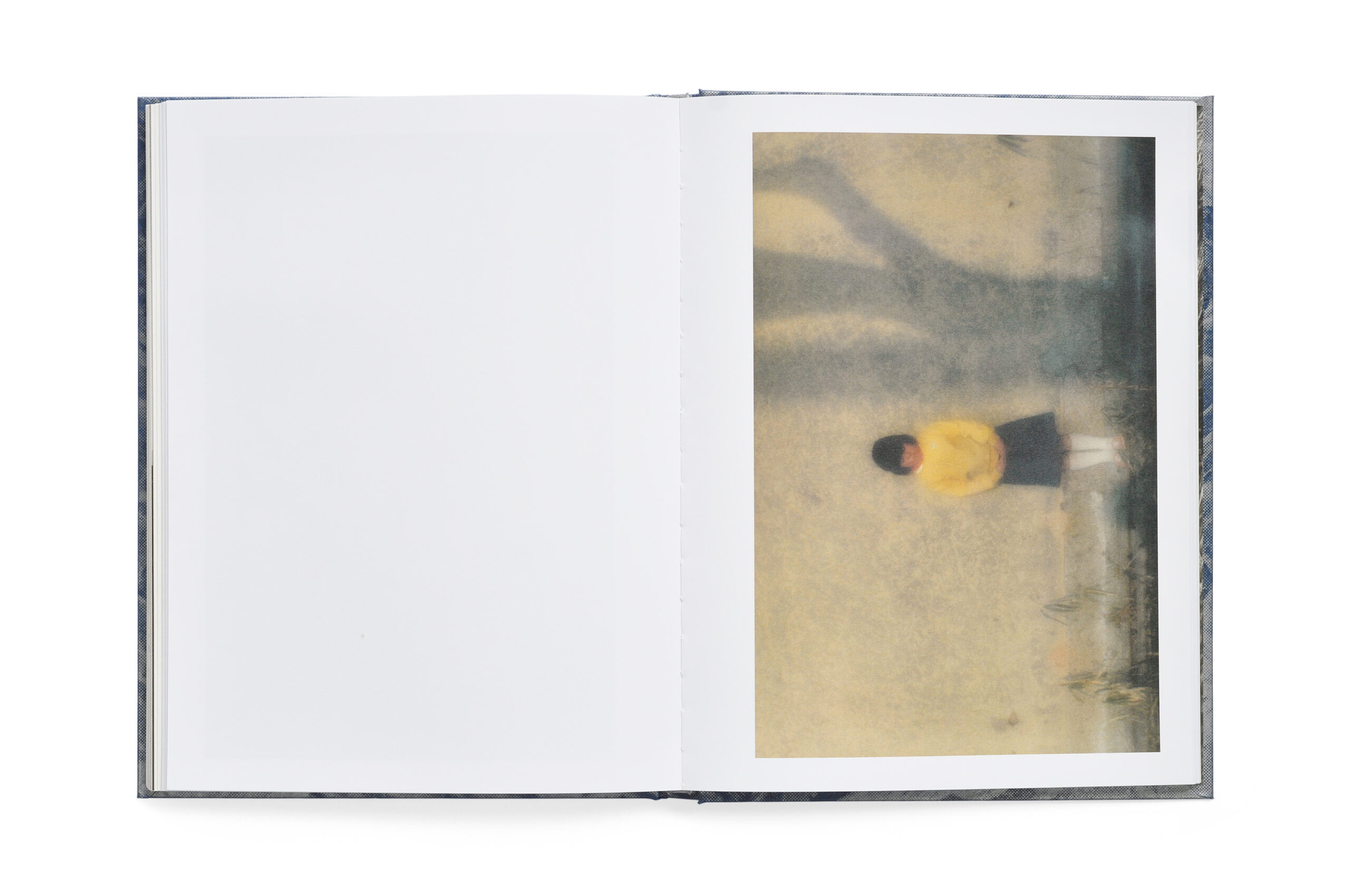
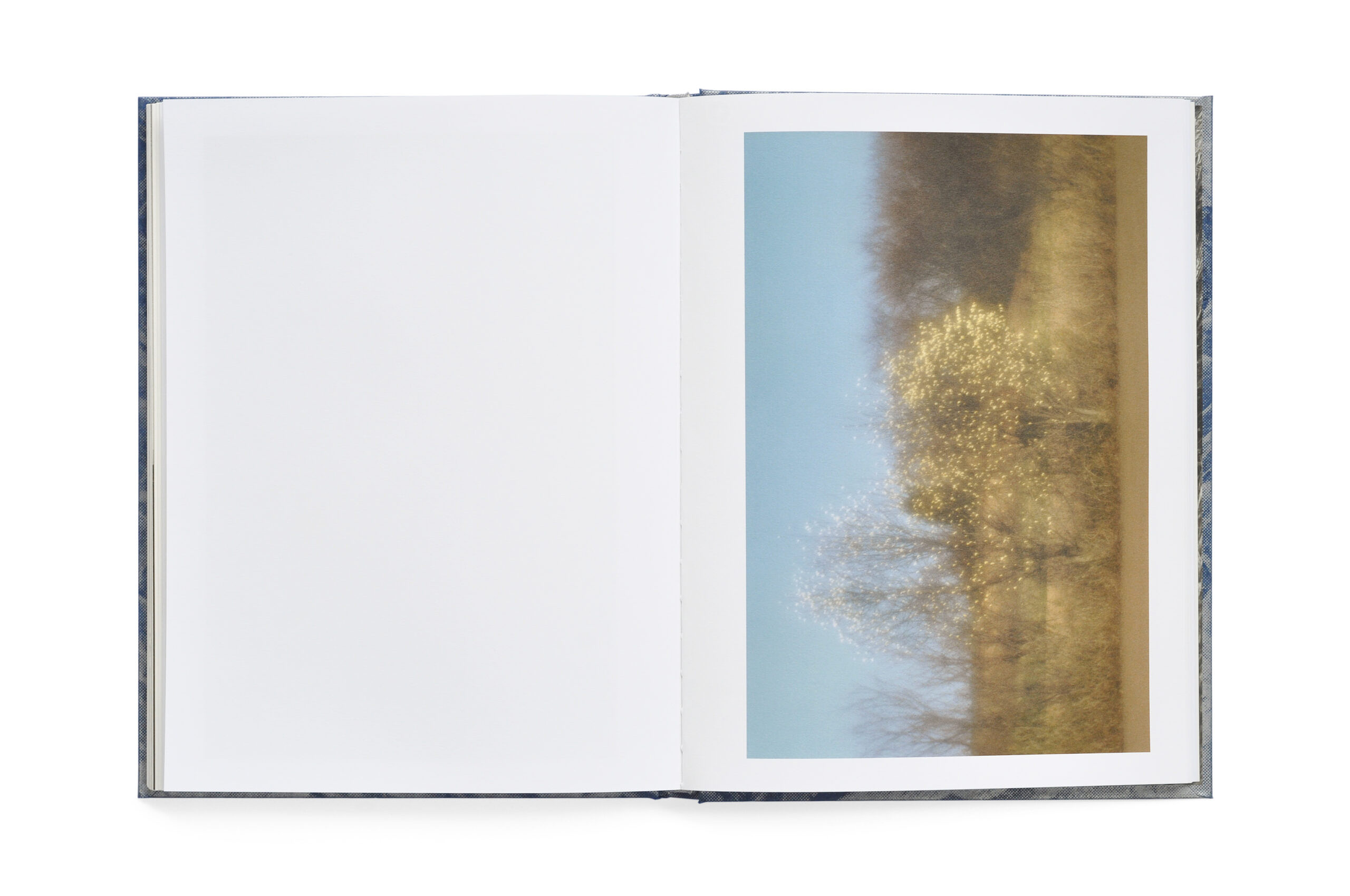
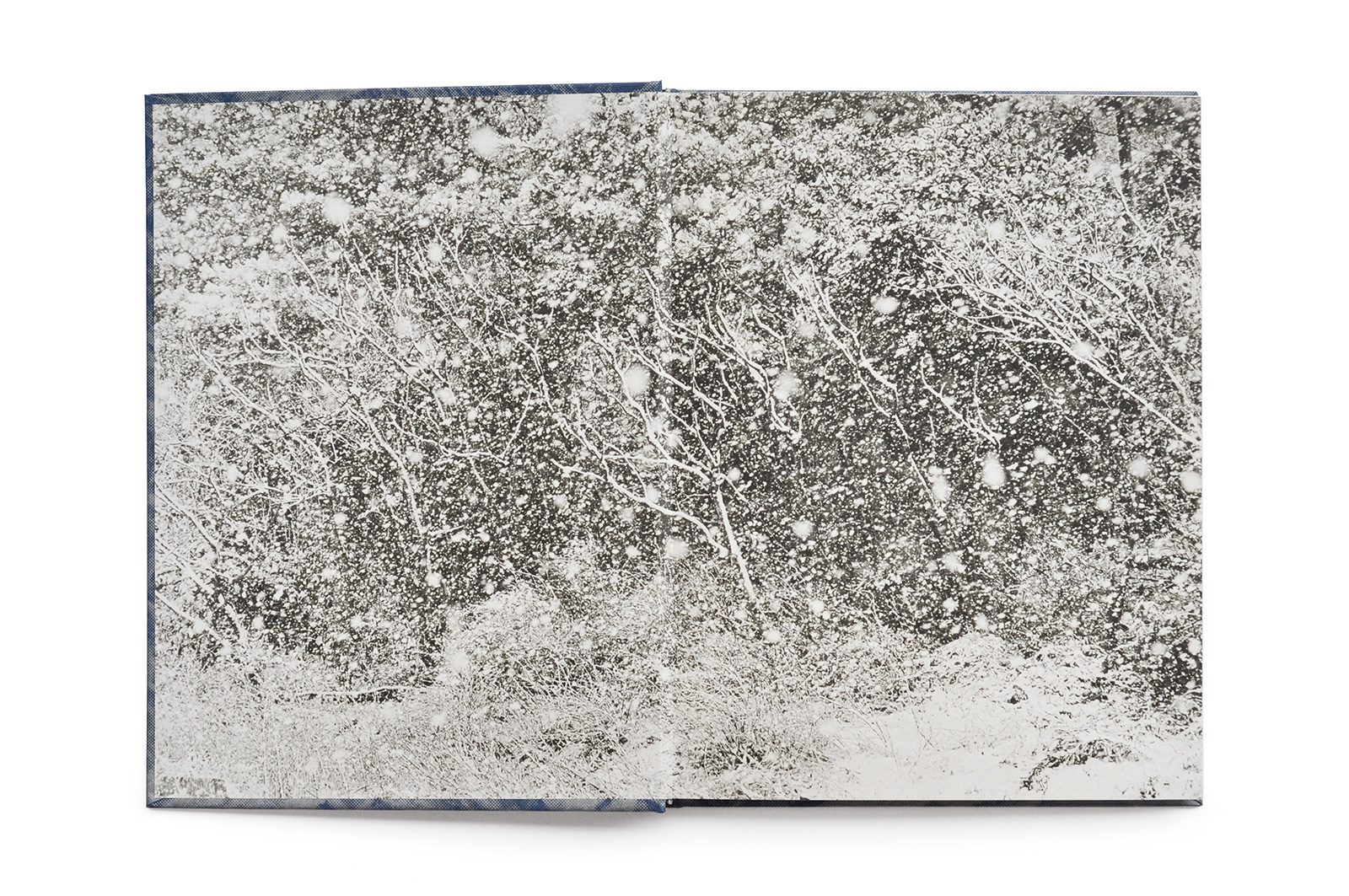
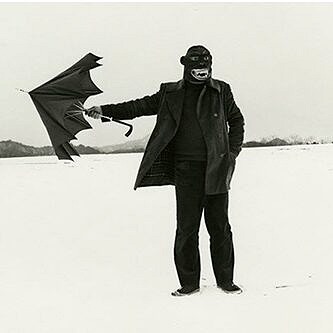
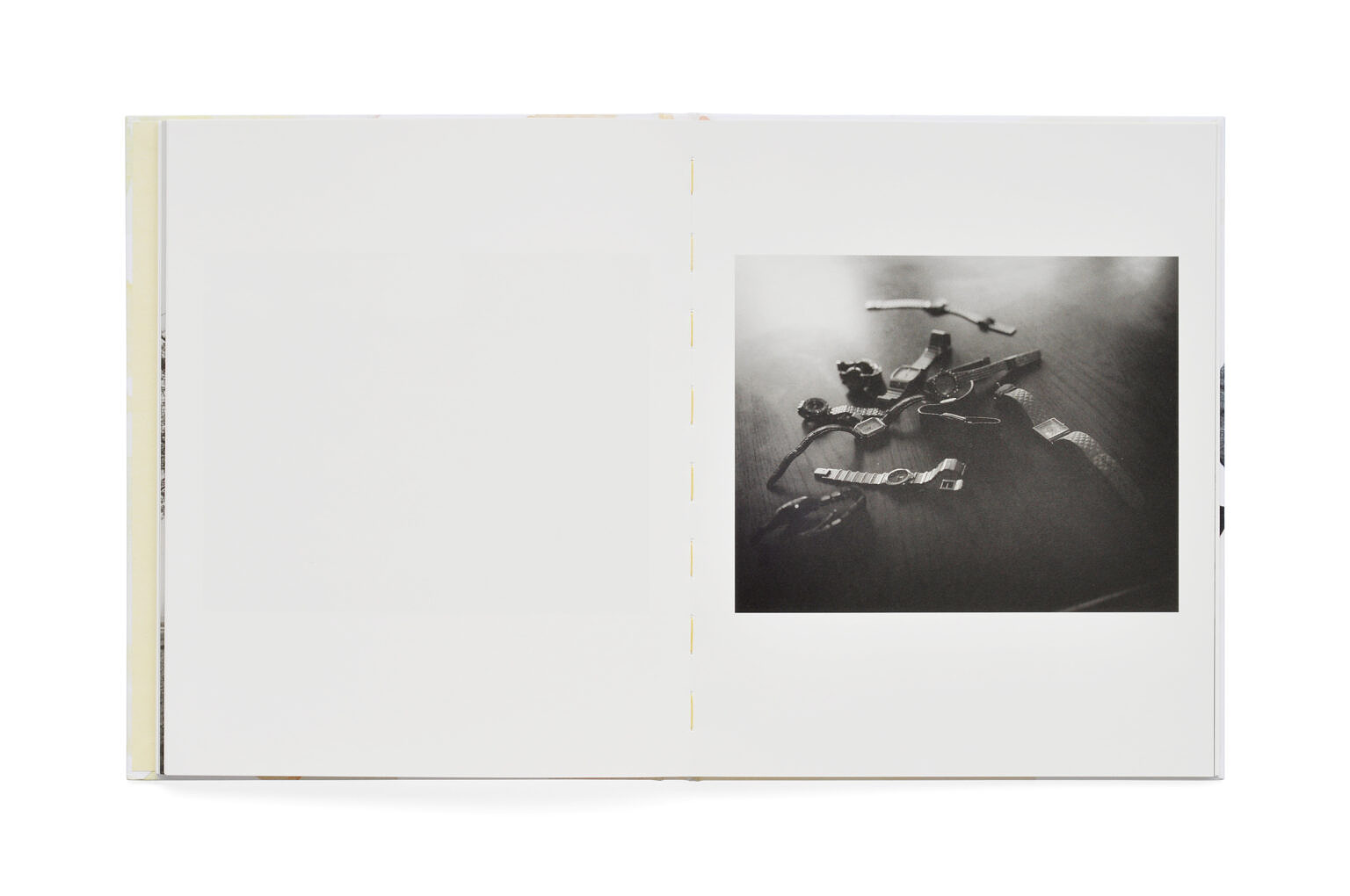
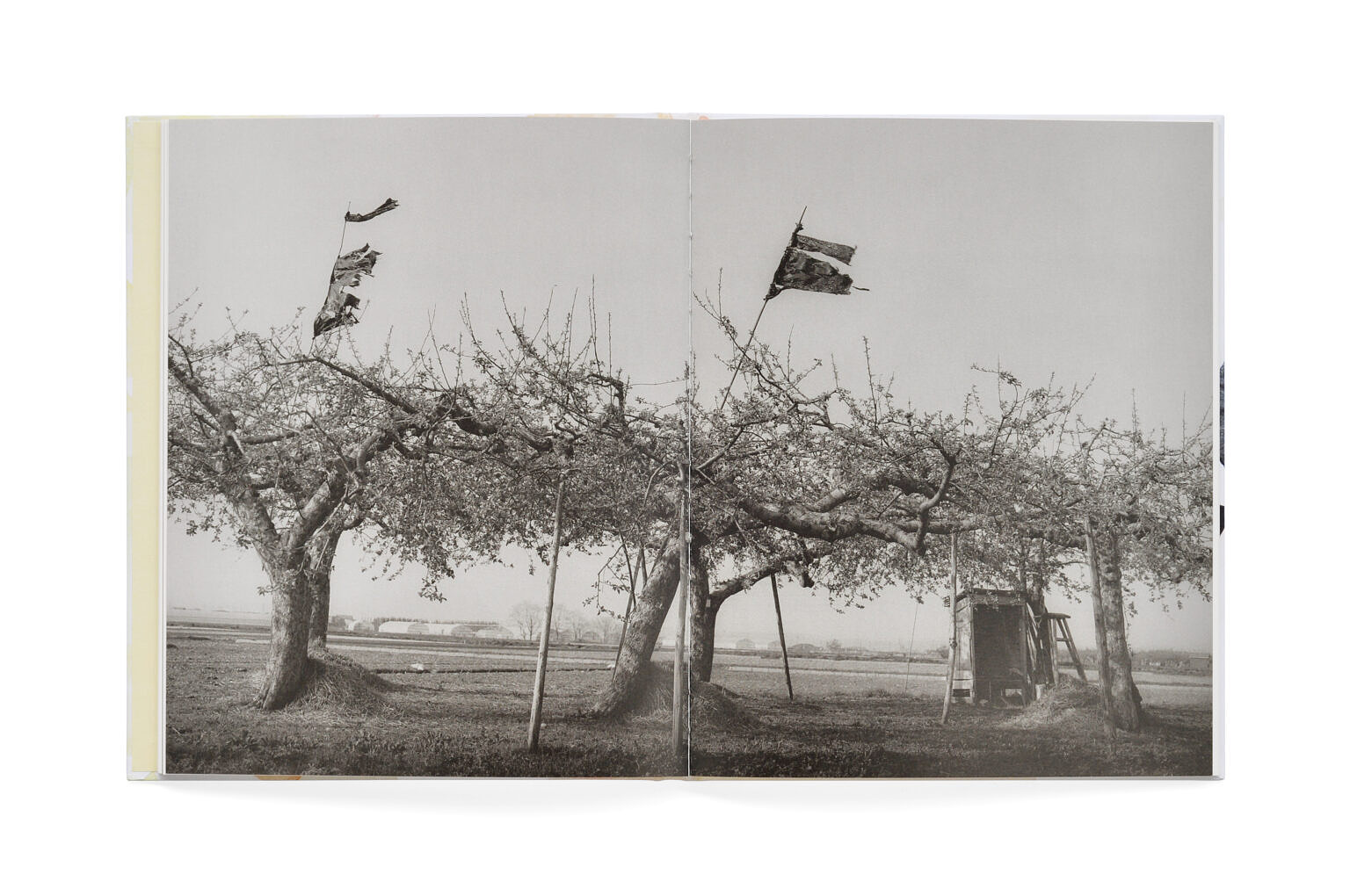
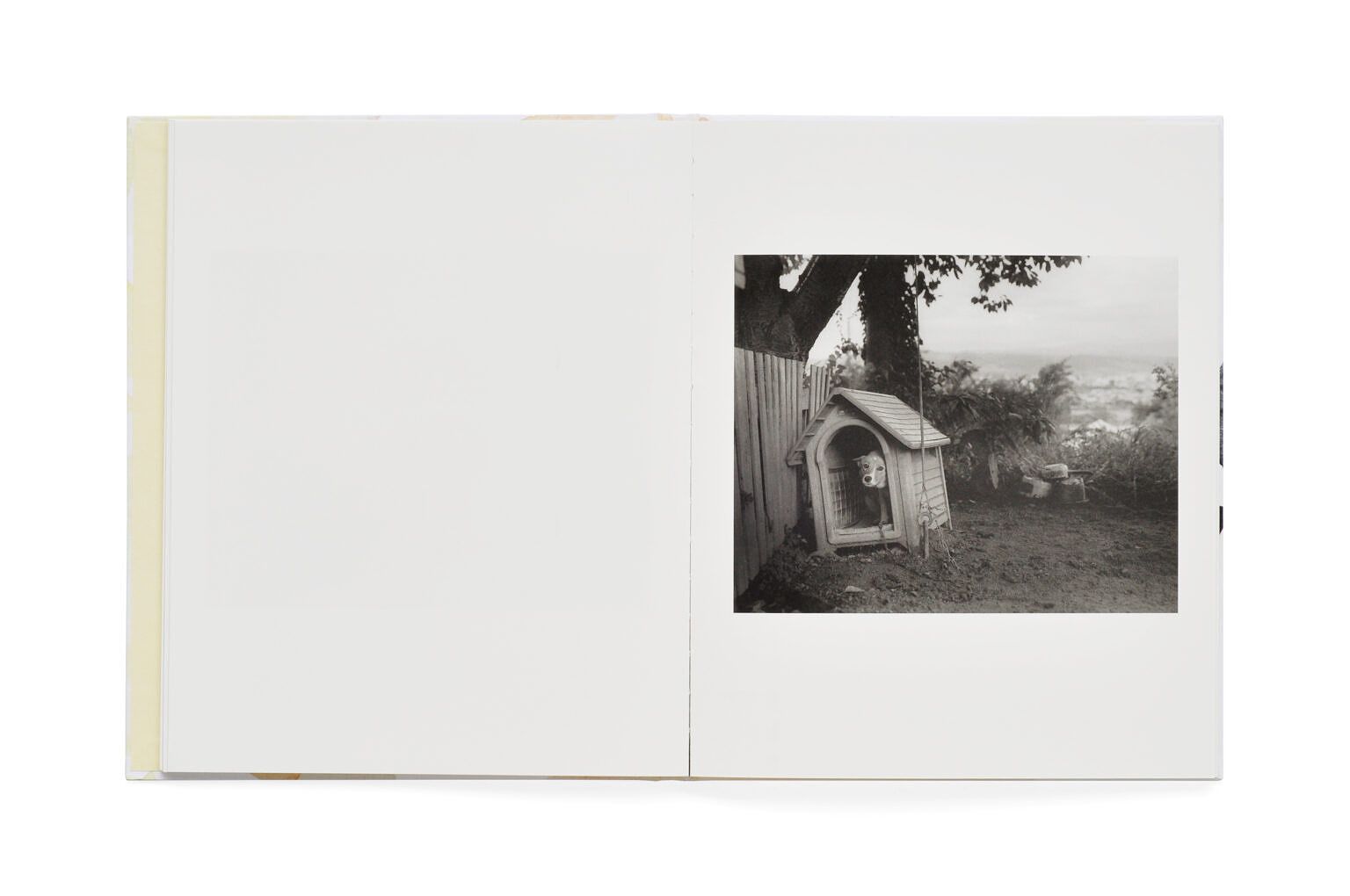
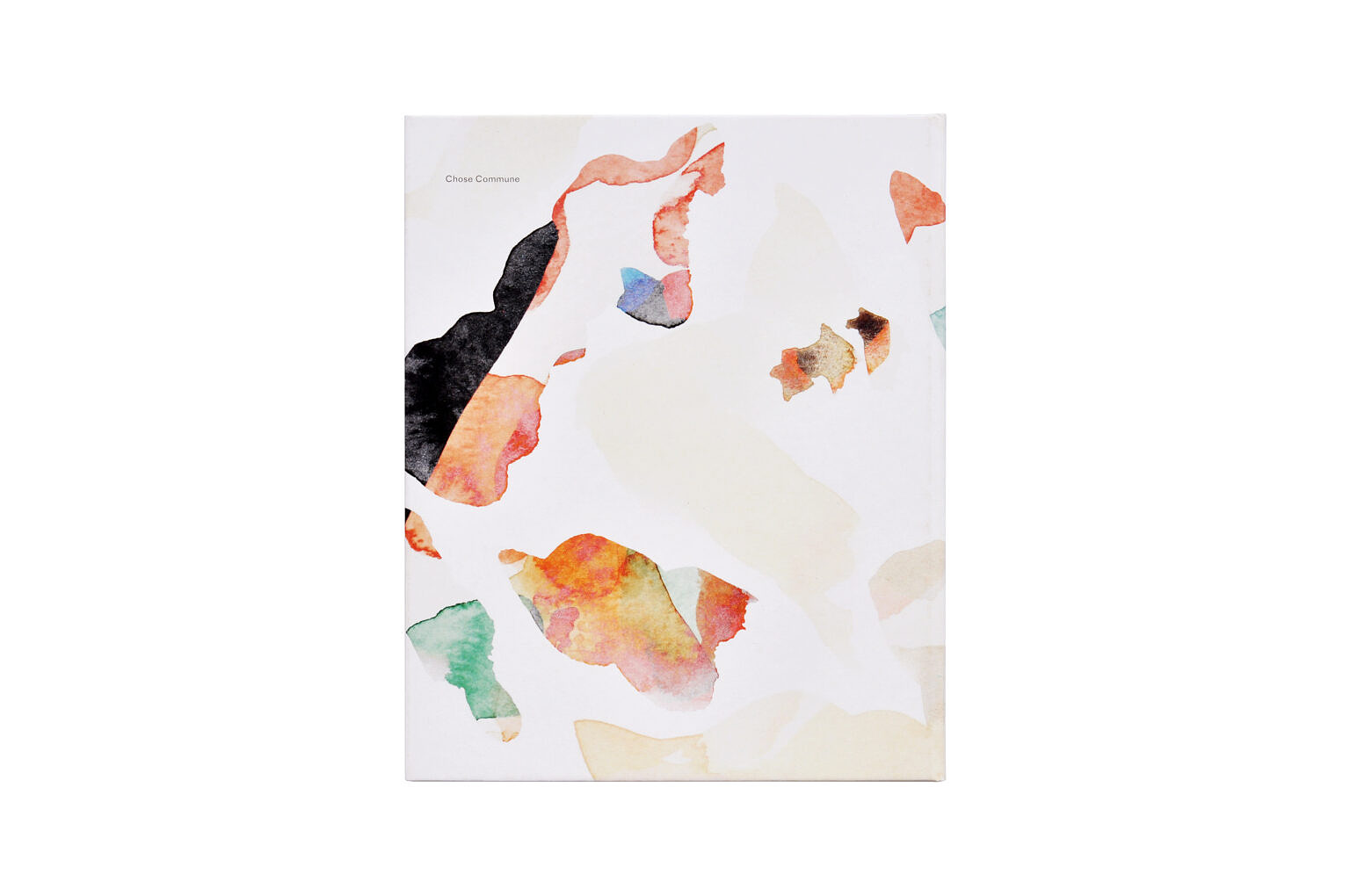
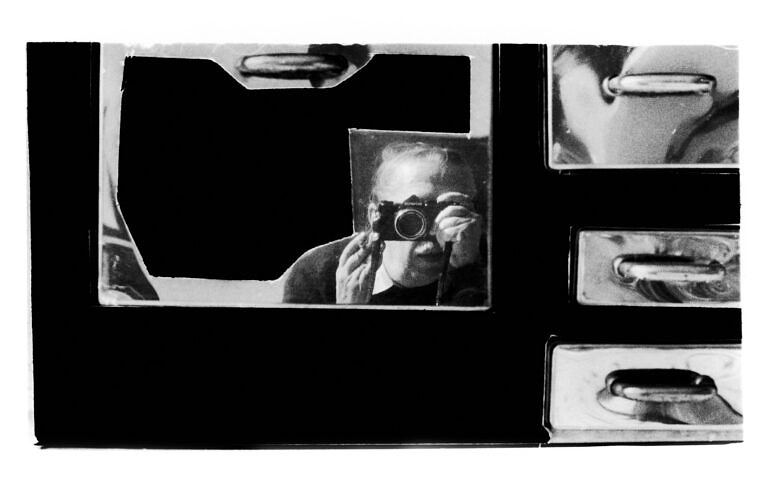
Shoji Ueda (1913-2000), one of Japanese photography’s most remarkable figures, remained profoundly attached to his birthplace of Tottori, on the Sea of Japan, which he used as a backdrop for the vast majority of his work.
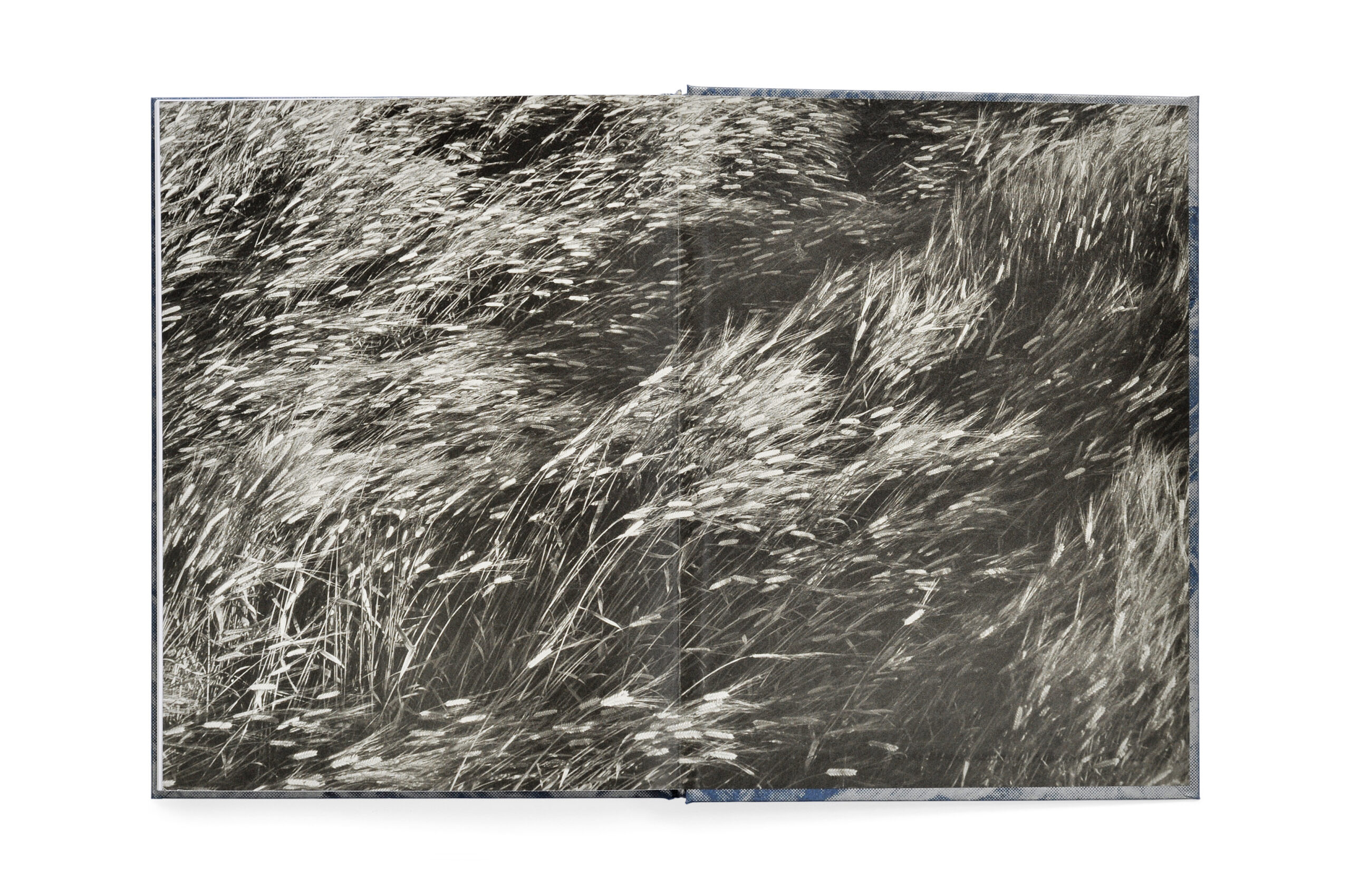
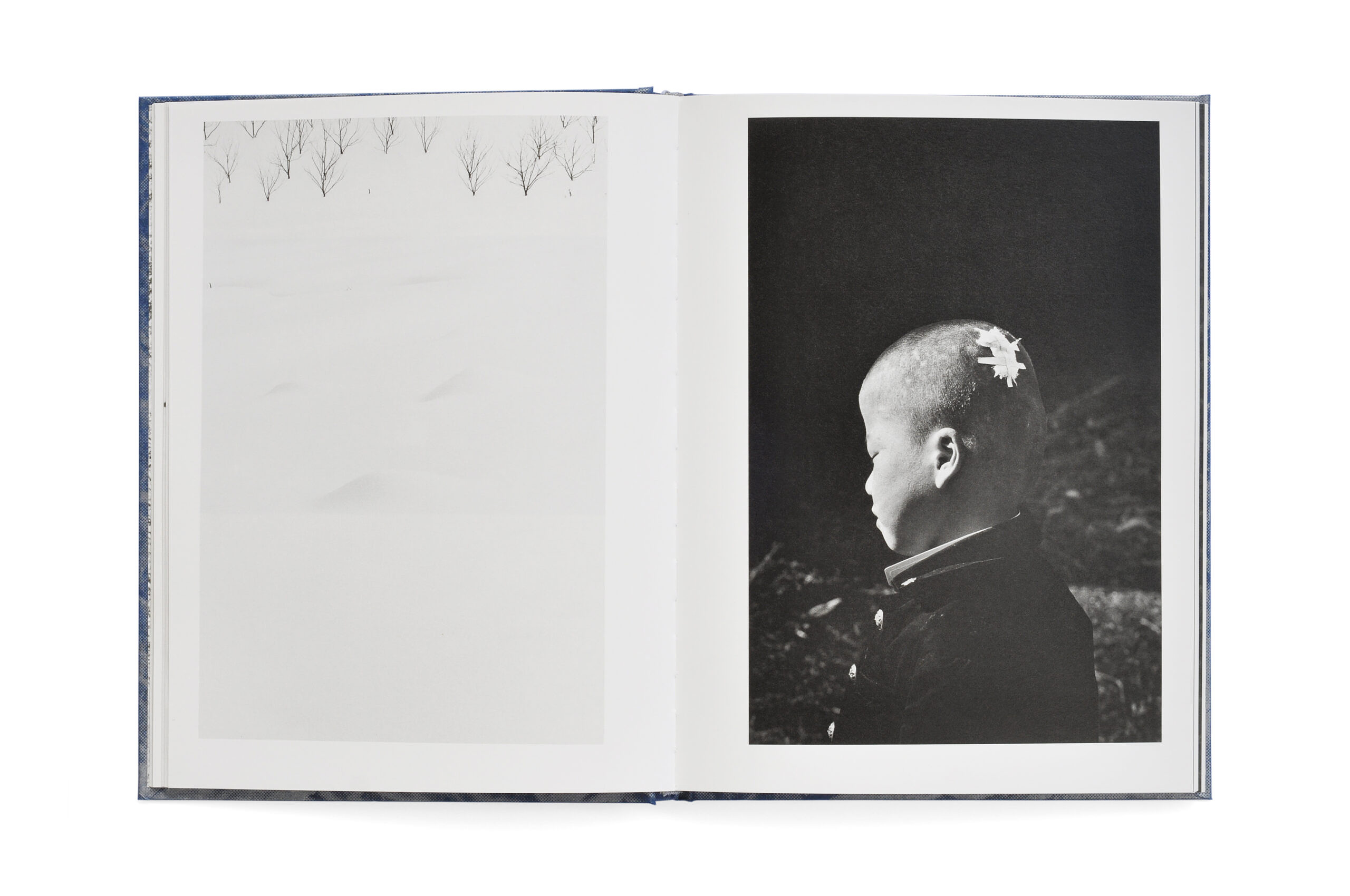
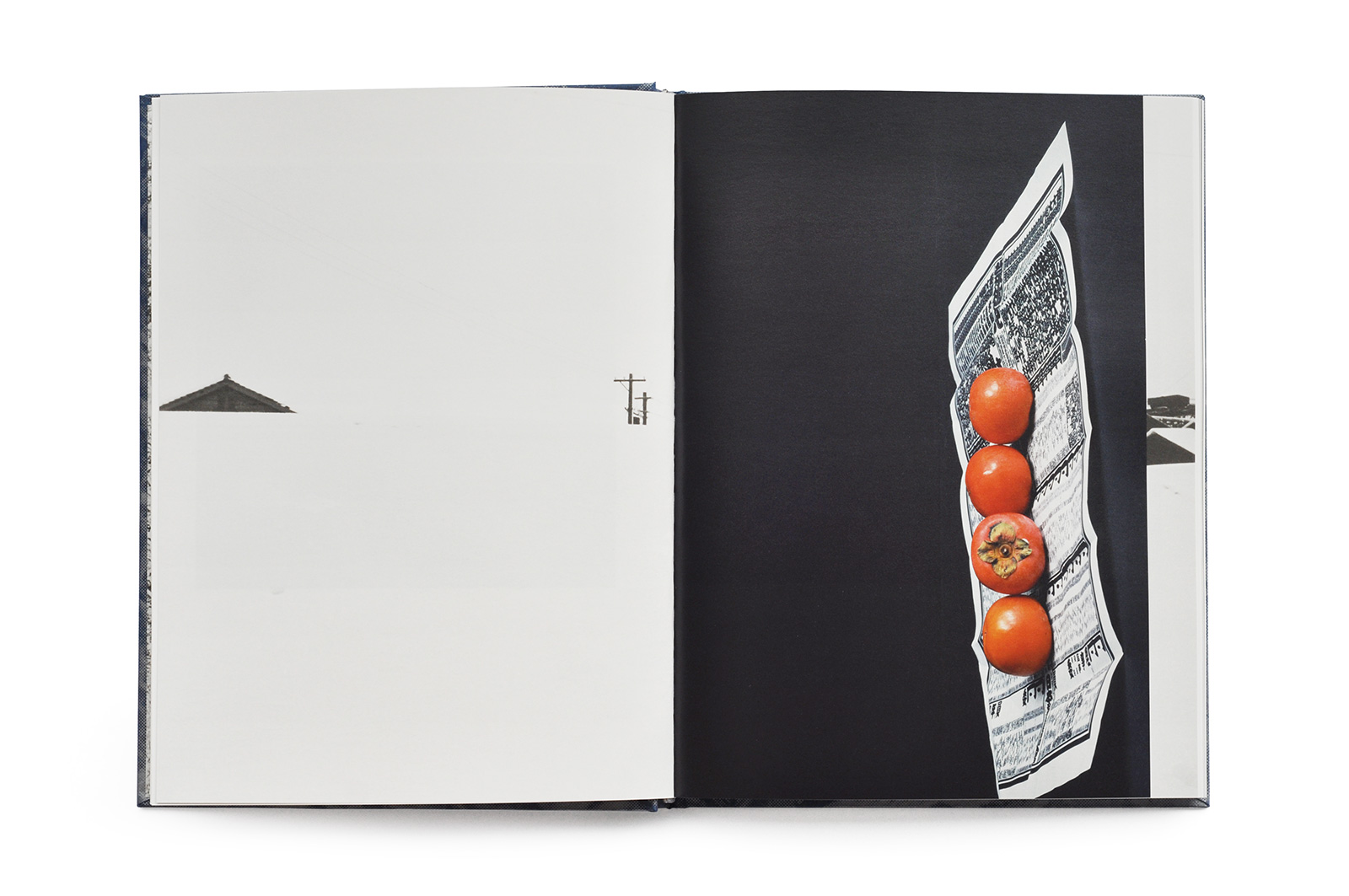
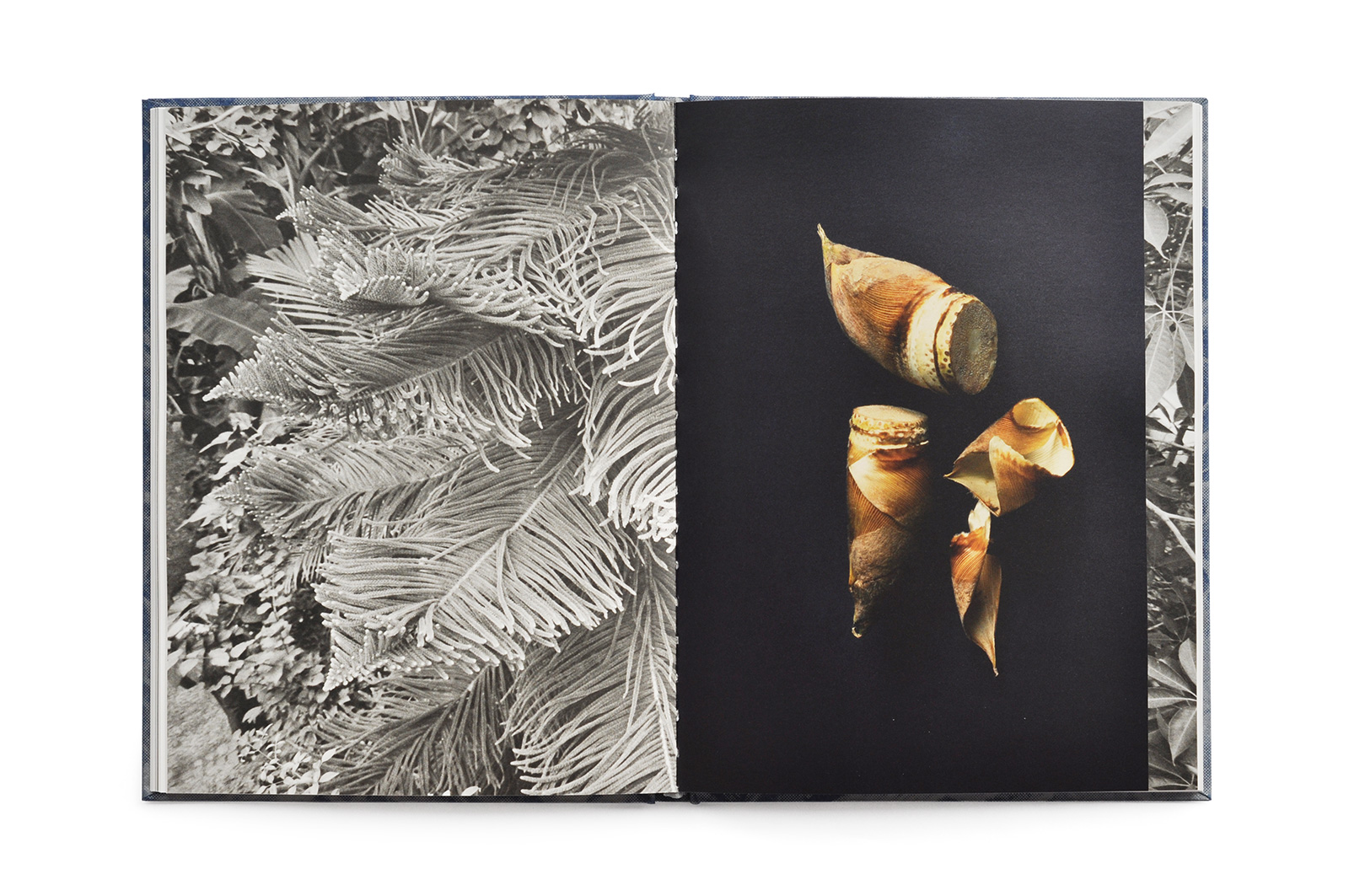
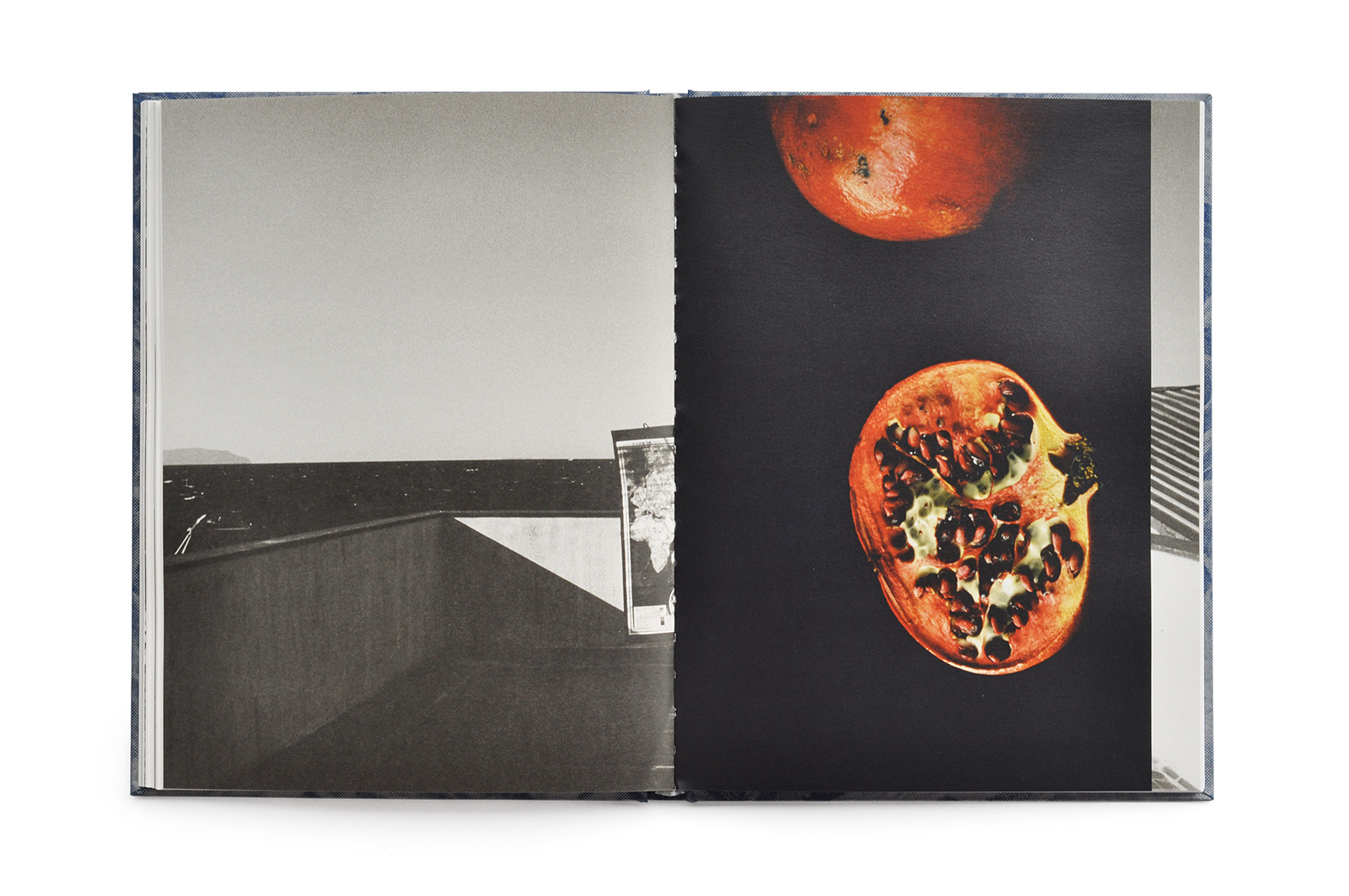
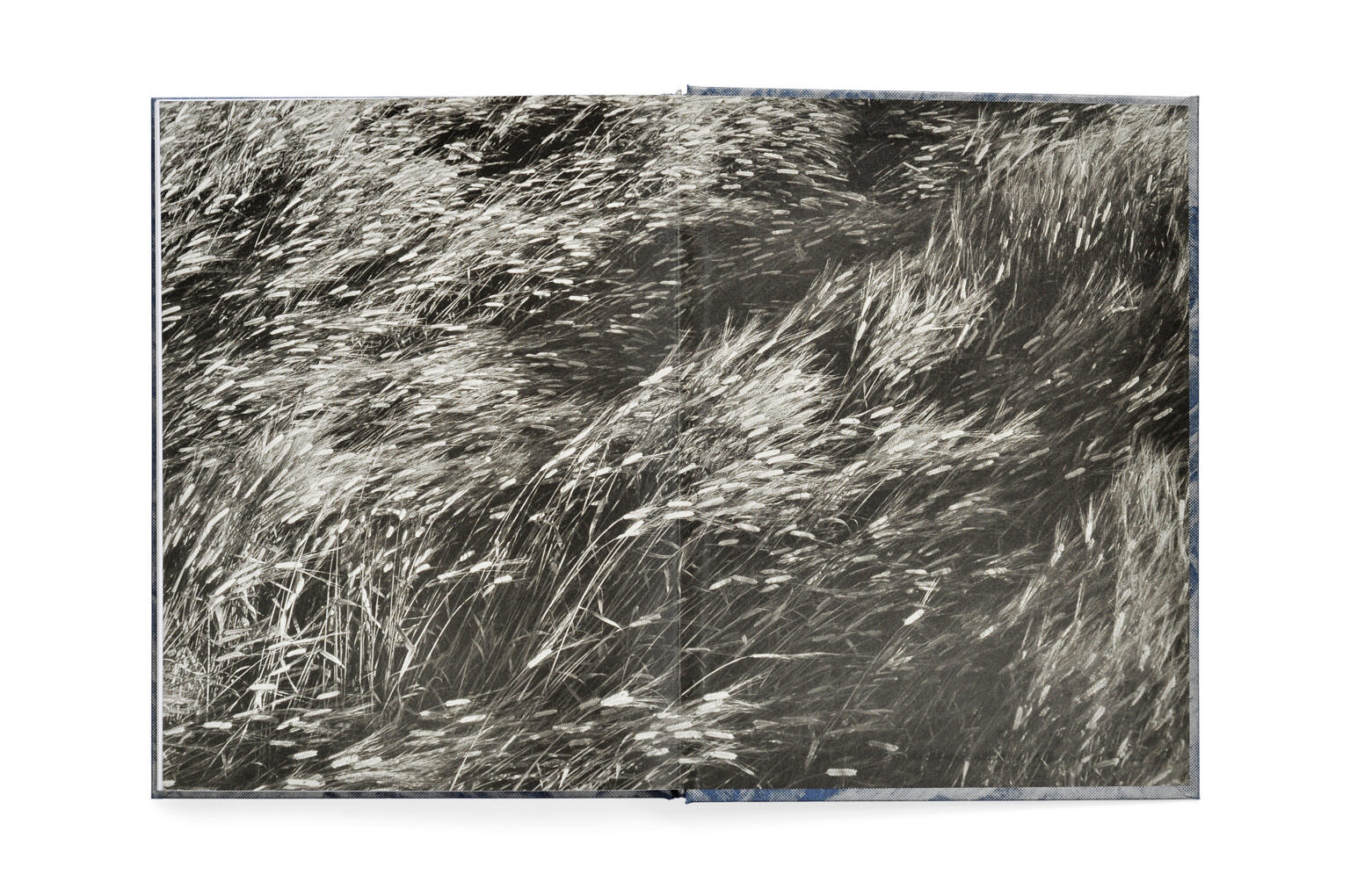
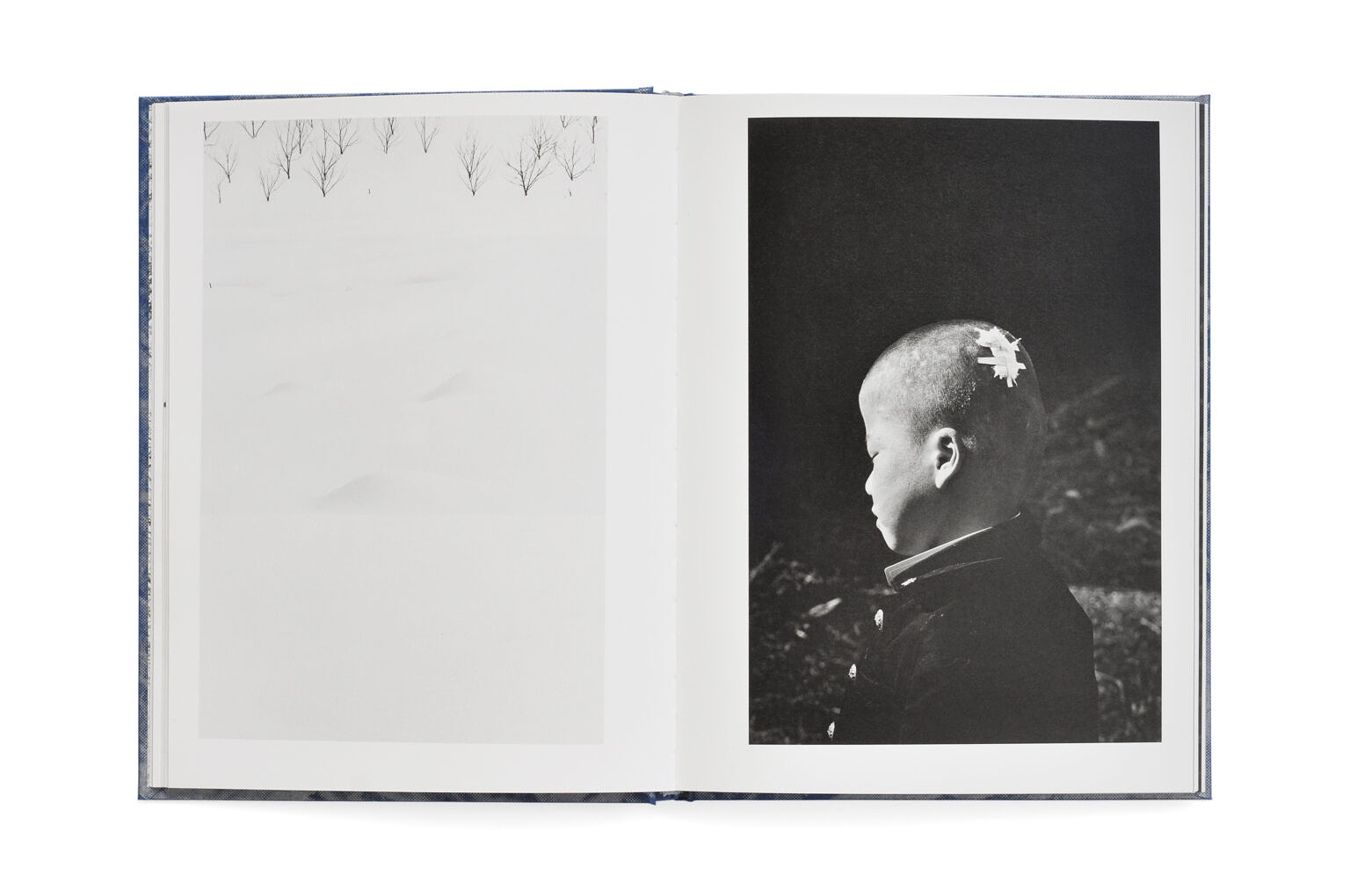
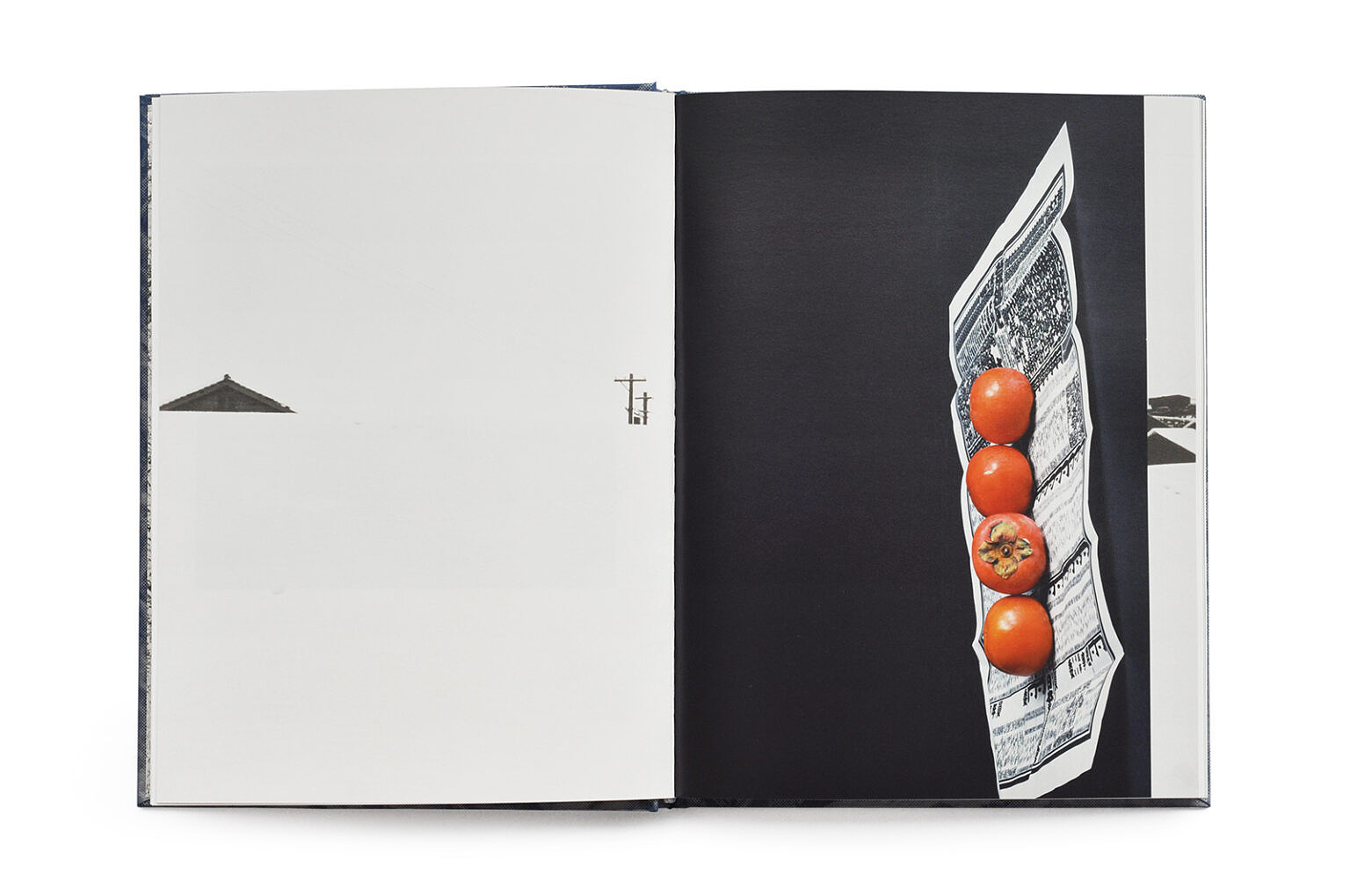
Ueda was a sedentary adventurer, ceaselessly exploring the dunes that sculpted the landscape throughout the seasons. His keen eye was drawn to everything around him: a map of the world, a wheat field caressed by the wind, a boy in roller skates, the graceful figure of his wife, Norie…When Ueda wasn’t out wandering, he composed still lives of seasonal fruit and incongruous objects, small treasures found here and there.
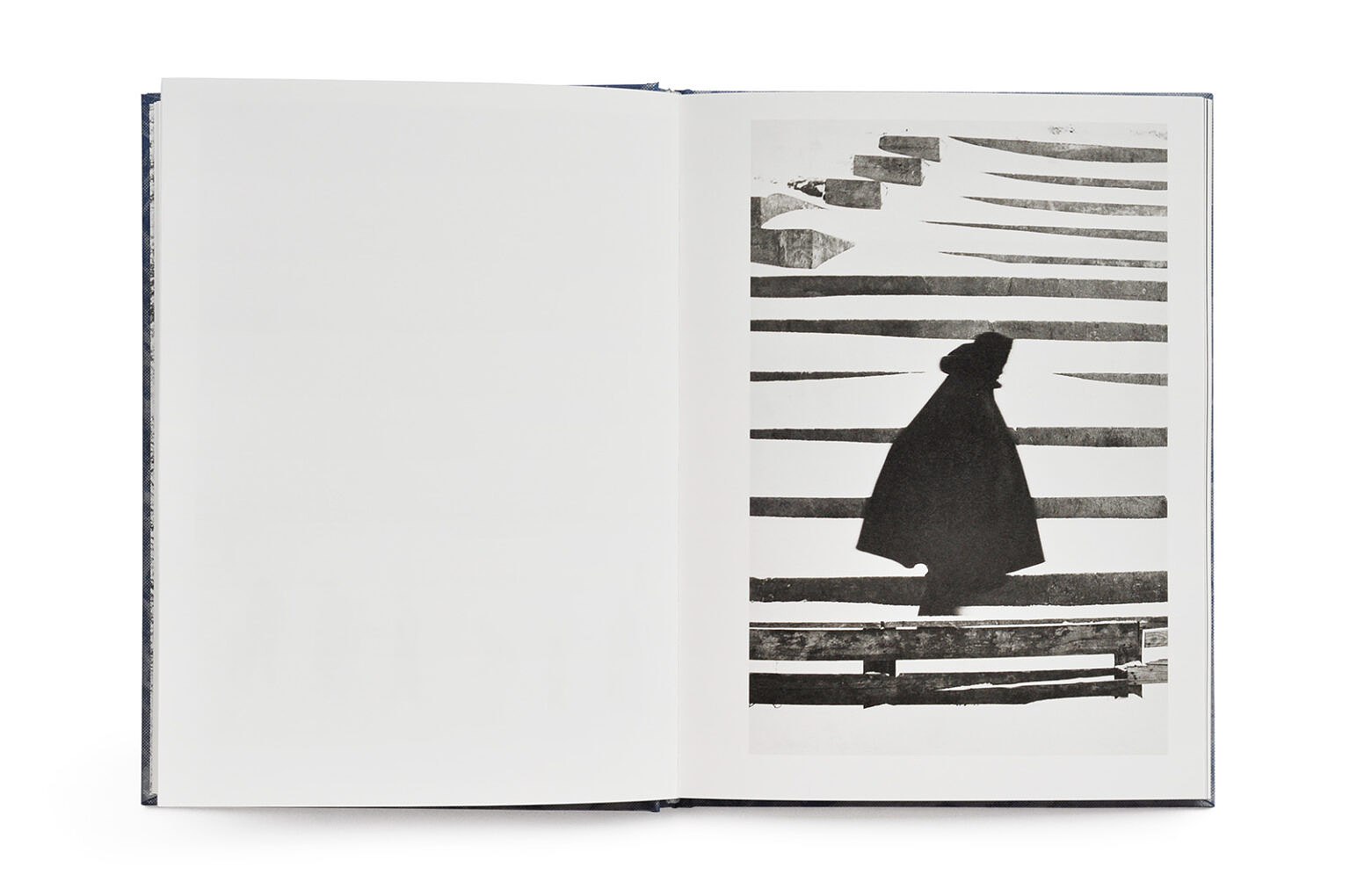
This publication is the first trilingual monograph devoted to his work, and brings together a great many previously unpublished photographs, in both black and white and colour. For the occasion, Chose Commune has given carte blanche to the writer Toshiyuki Horie (Yukinuma and Its Environs, The Bear And The Paving Stone), whose text is like musical notes resonating with the photographer’s distinctive universe.
Graphic design: Atelier Pentagon
Short story by Toshiyuki Horie
188 pages
90 duotone and colour plates
22 cm x 29 cm
Section-sewn debossed hardcover
English / French / Japanese
Publication date: October 2015 for the first edition
ISBN : 978-2-9548777-1-6
 Free shipping to France on orders over 50€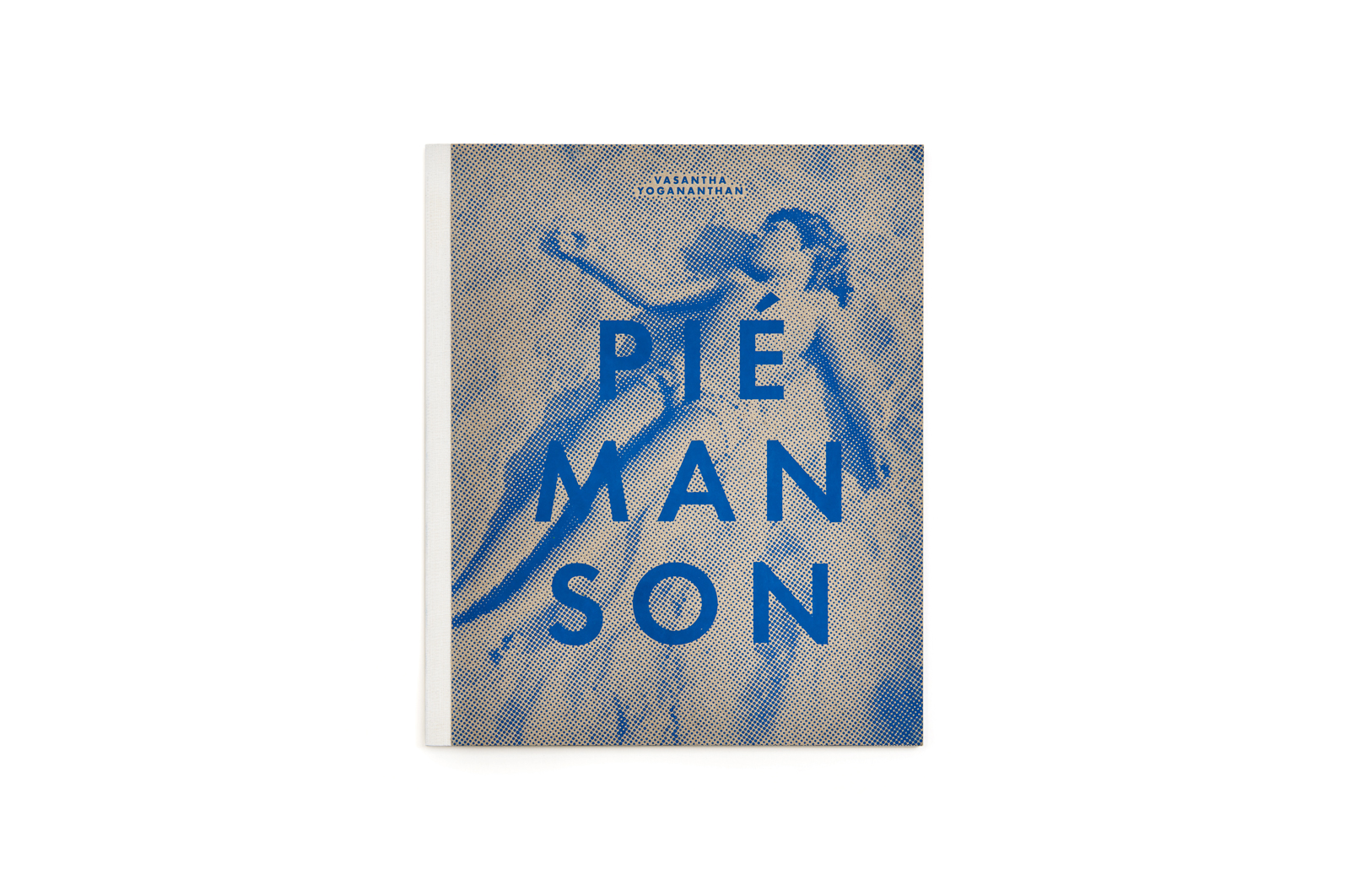
Vasantha Yogananthan
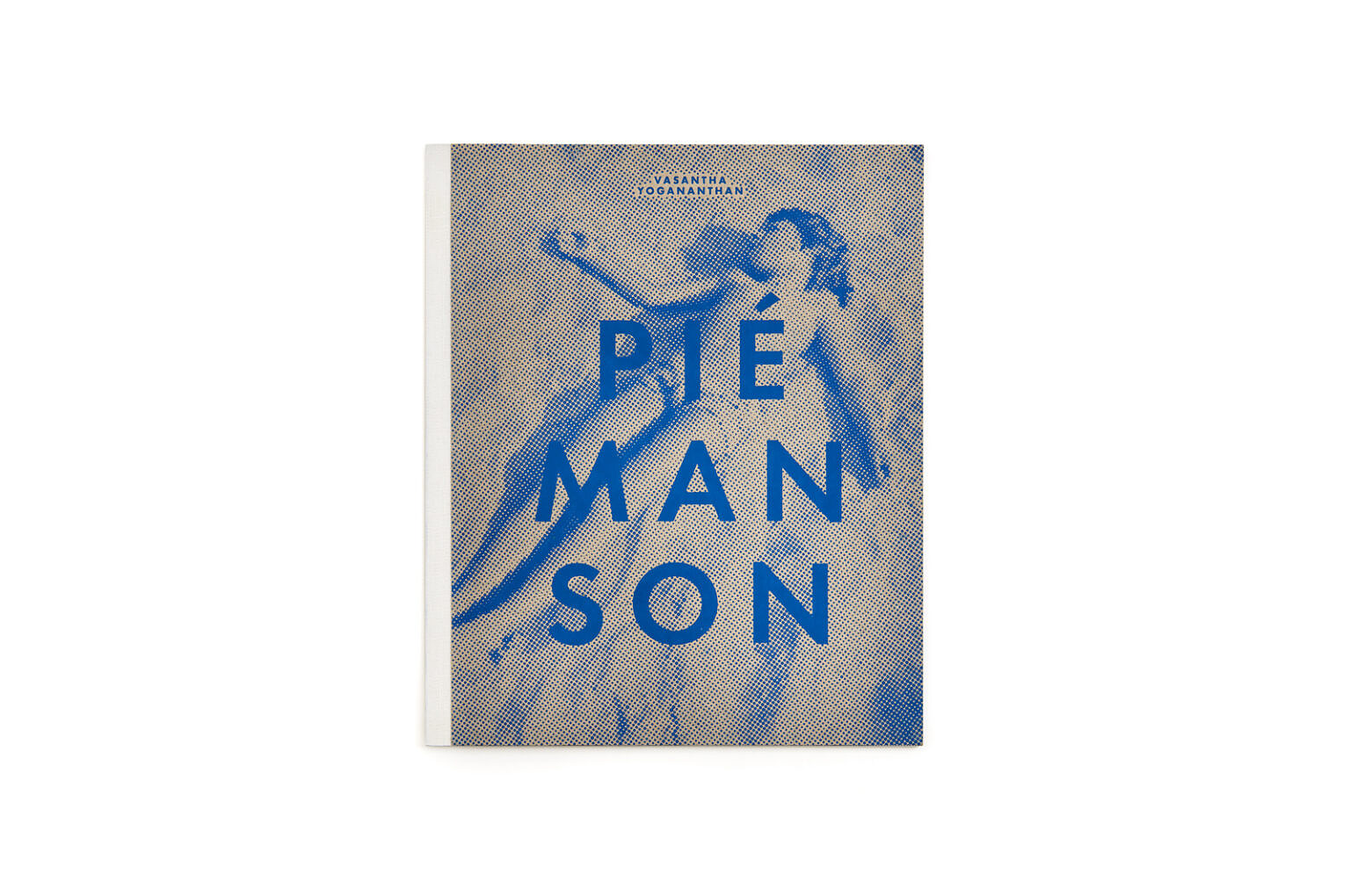
Piémanson
out of stock
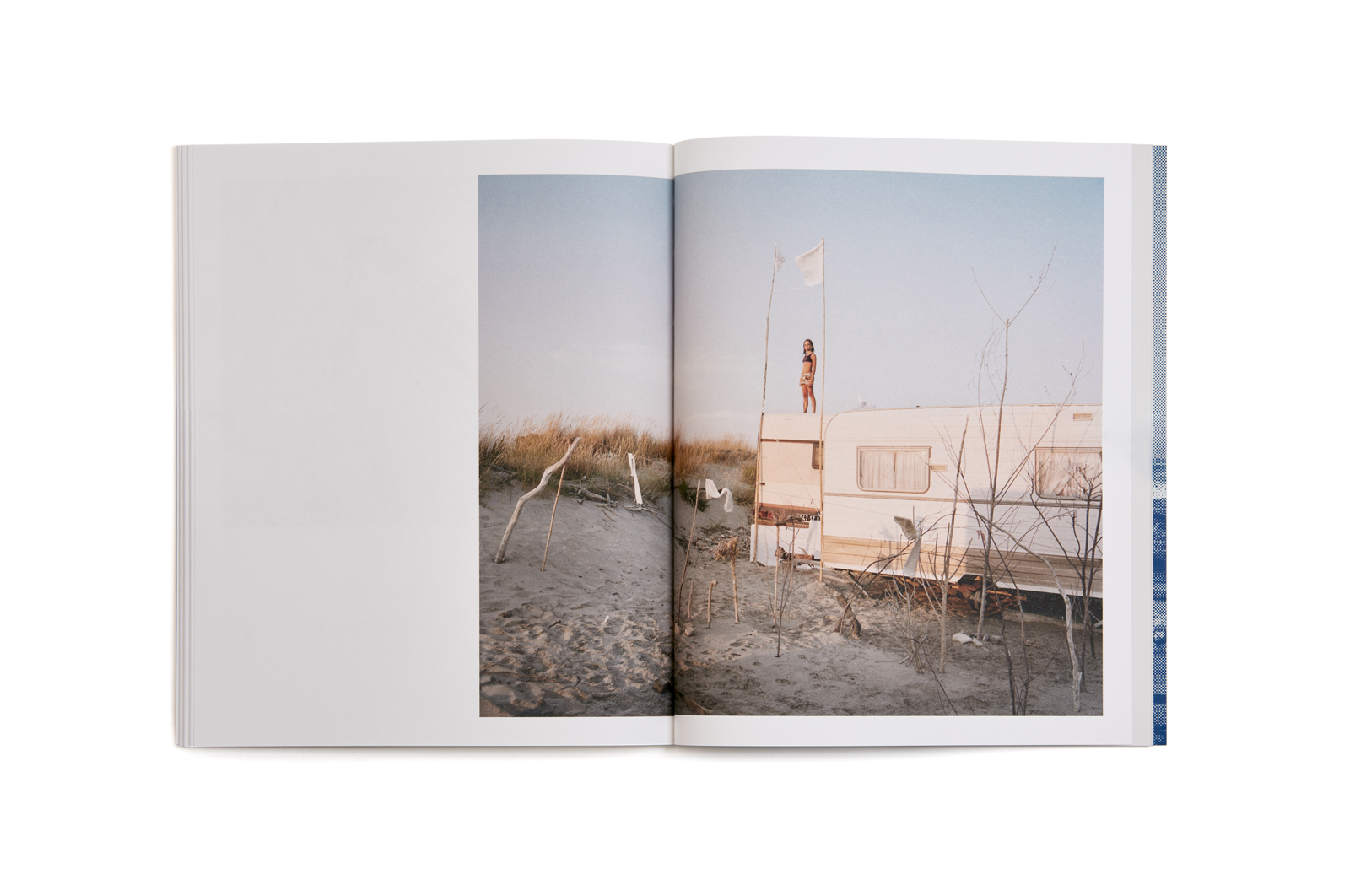
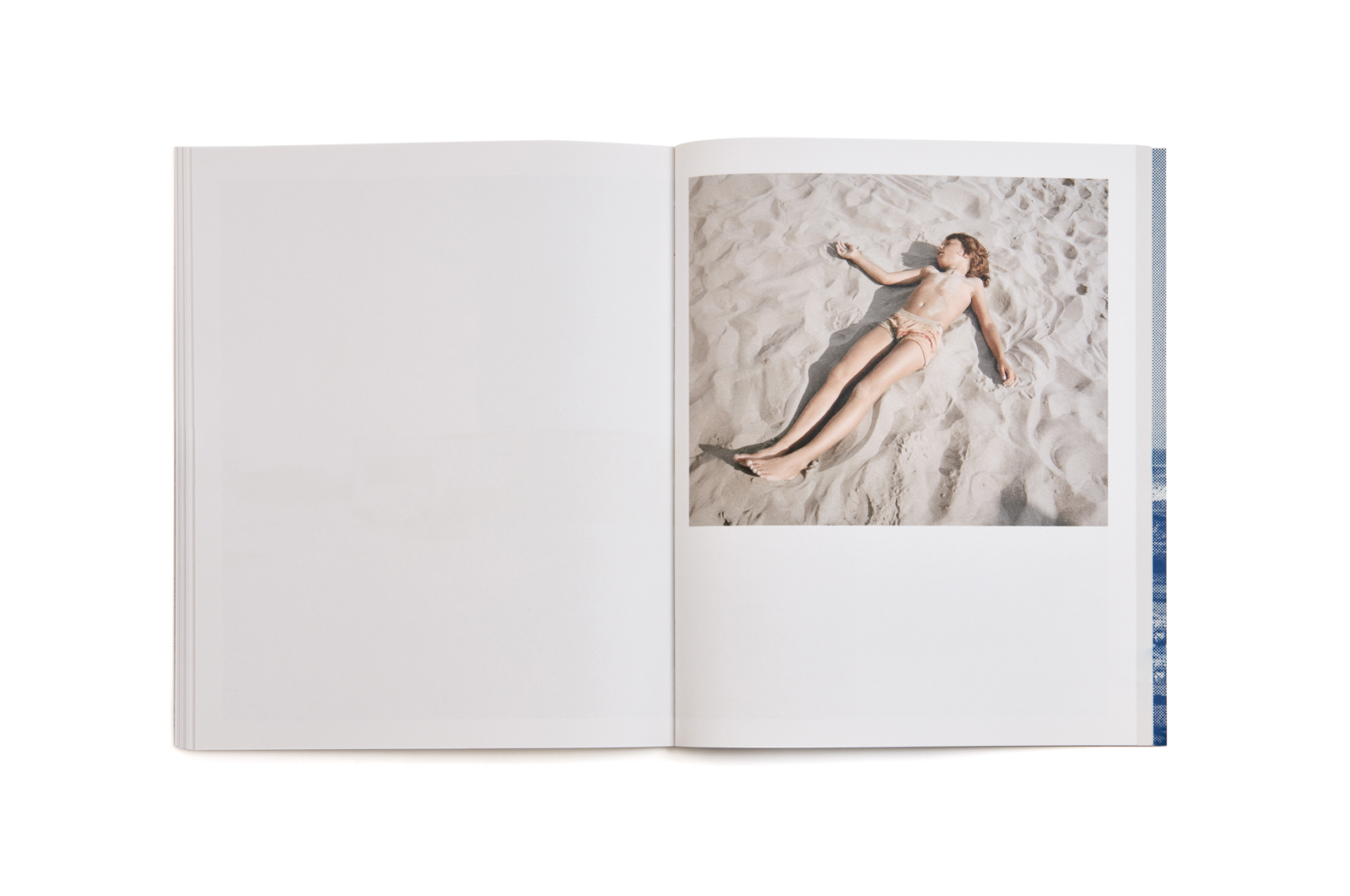
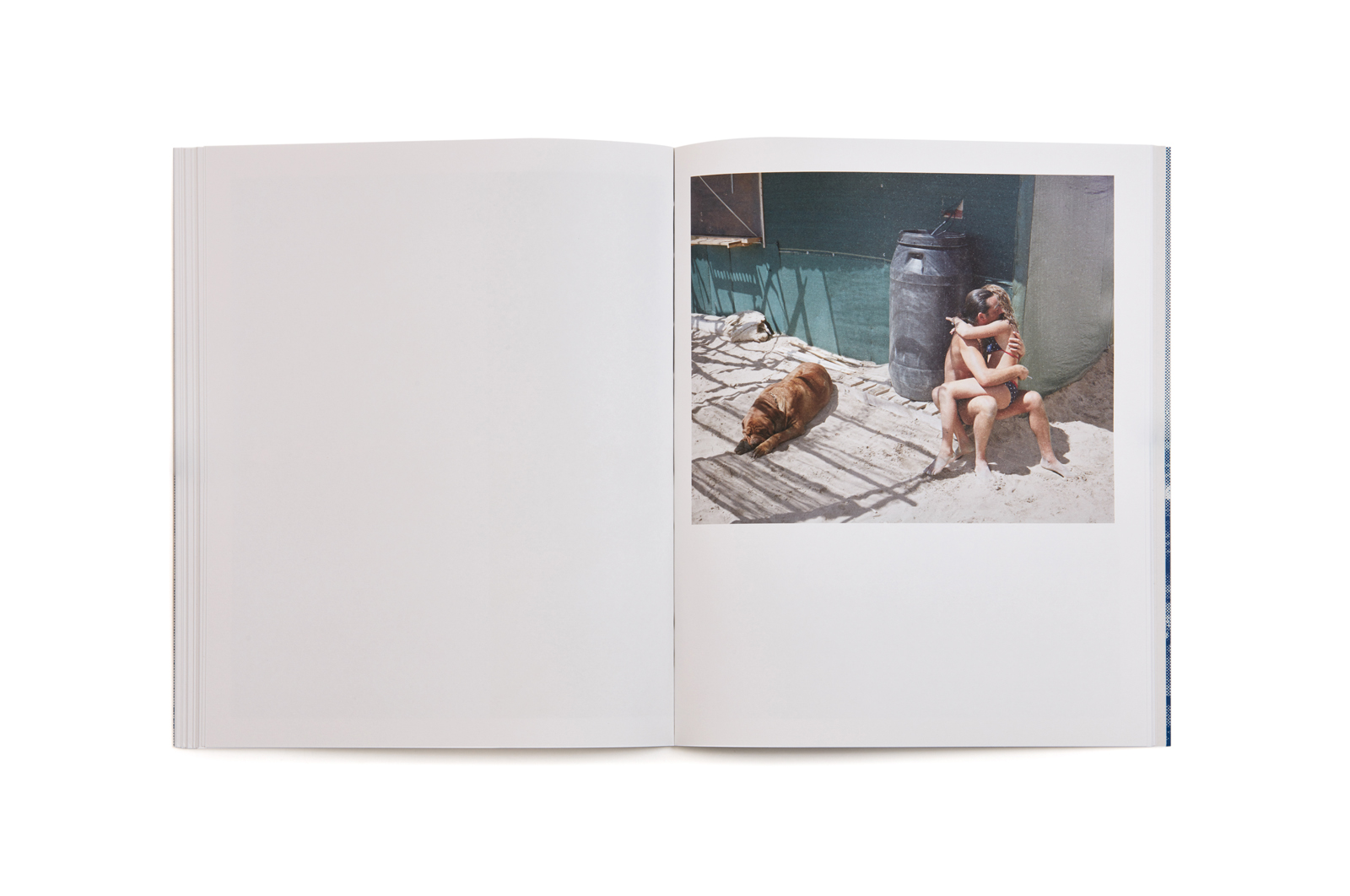
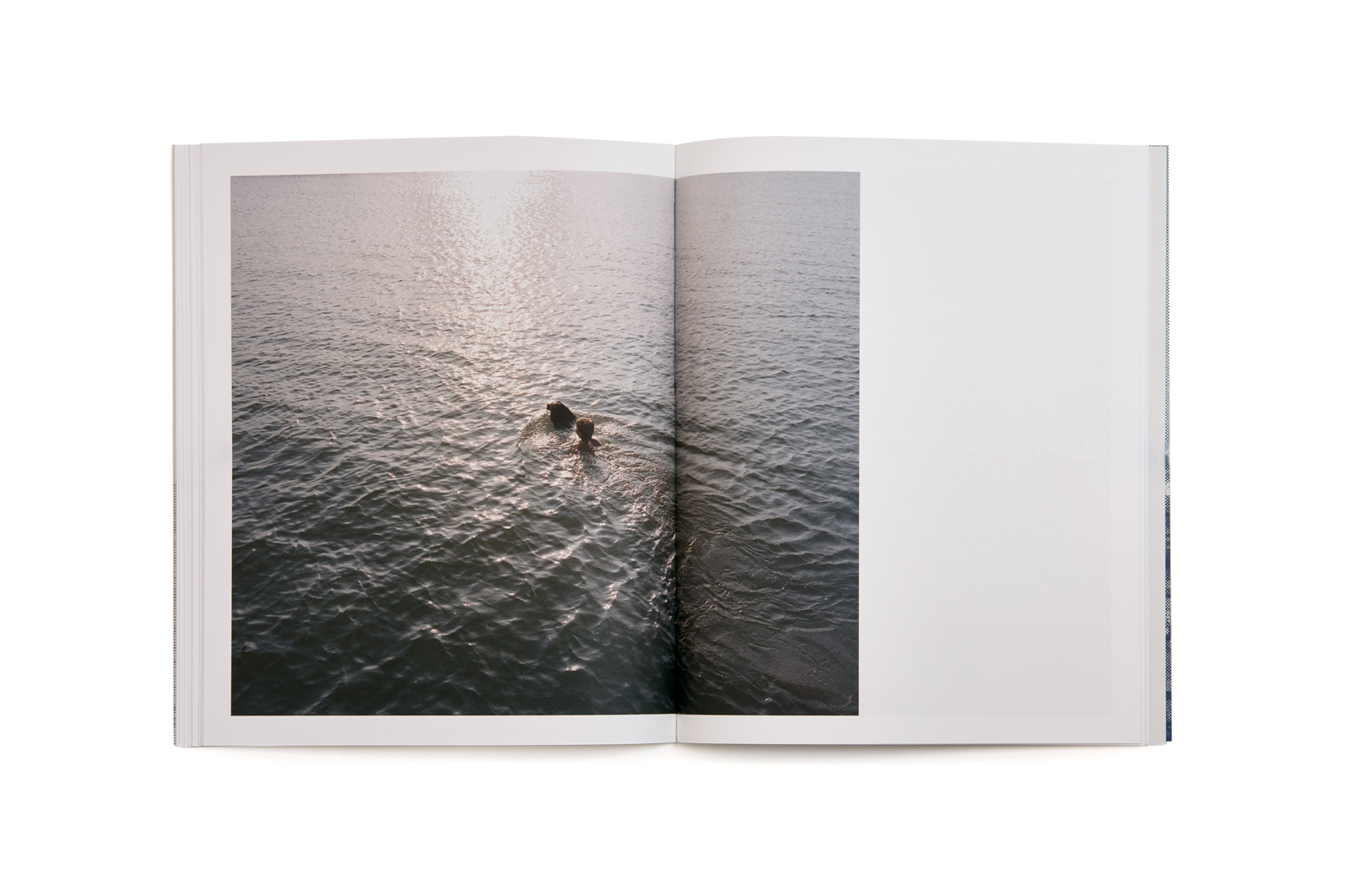
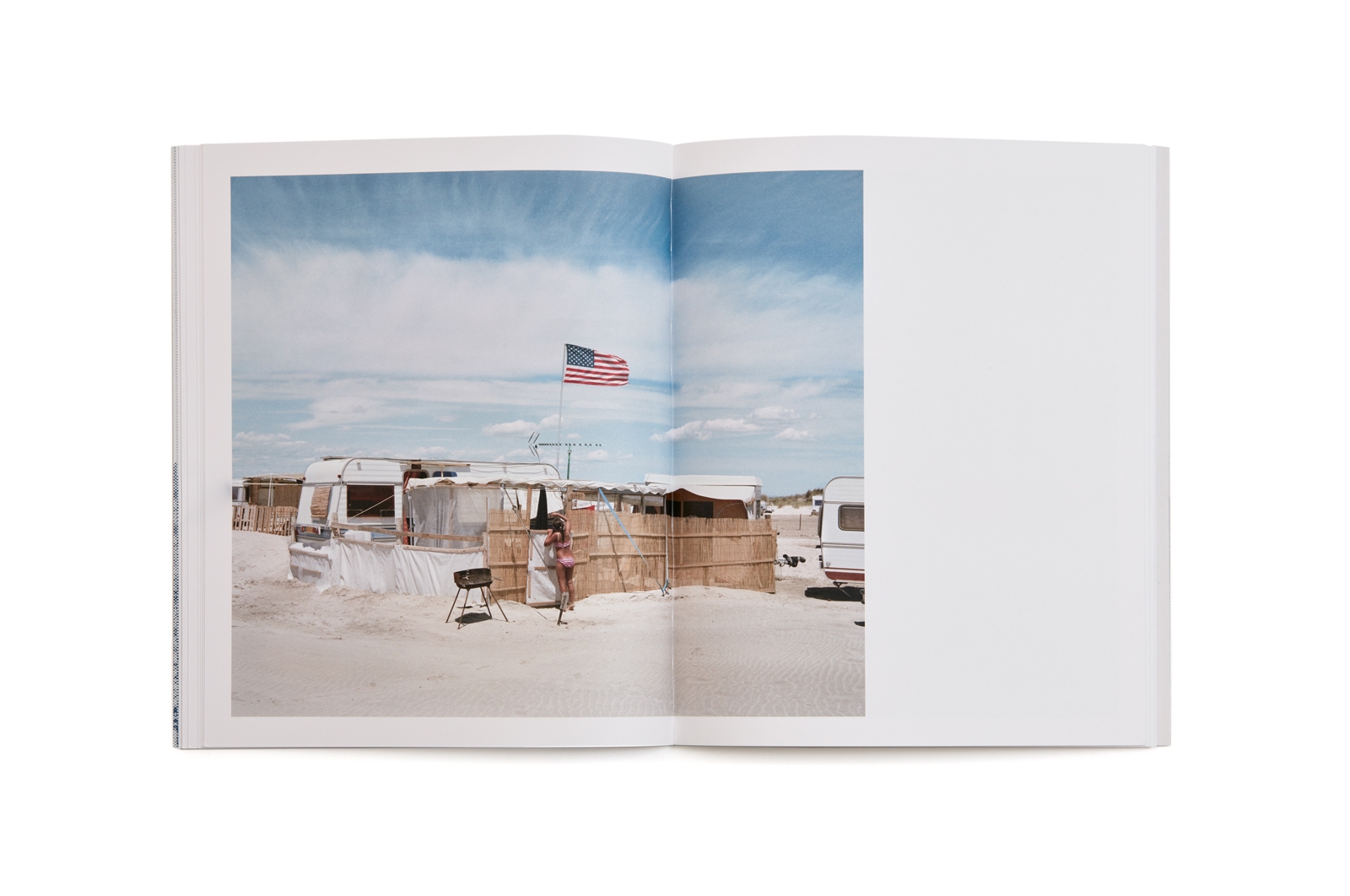
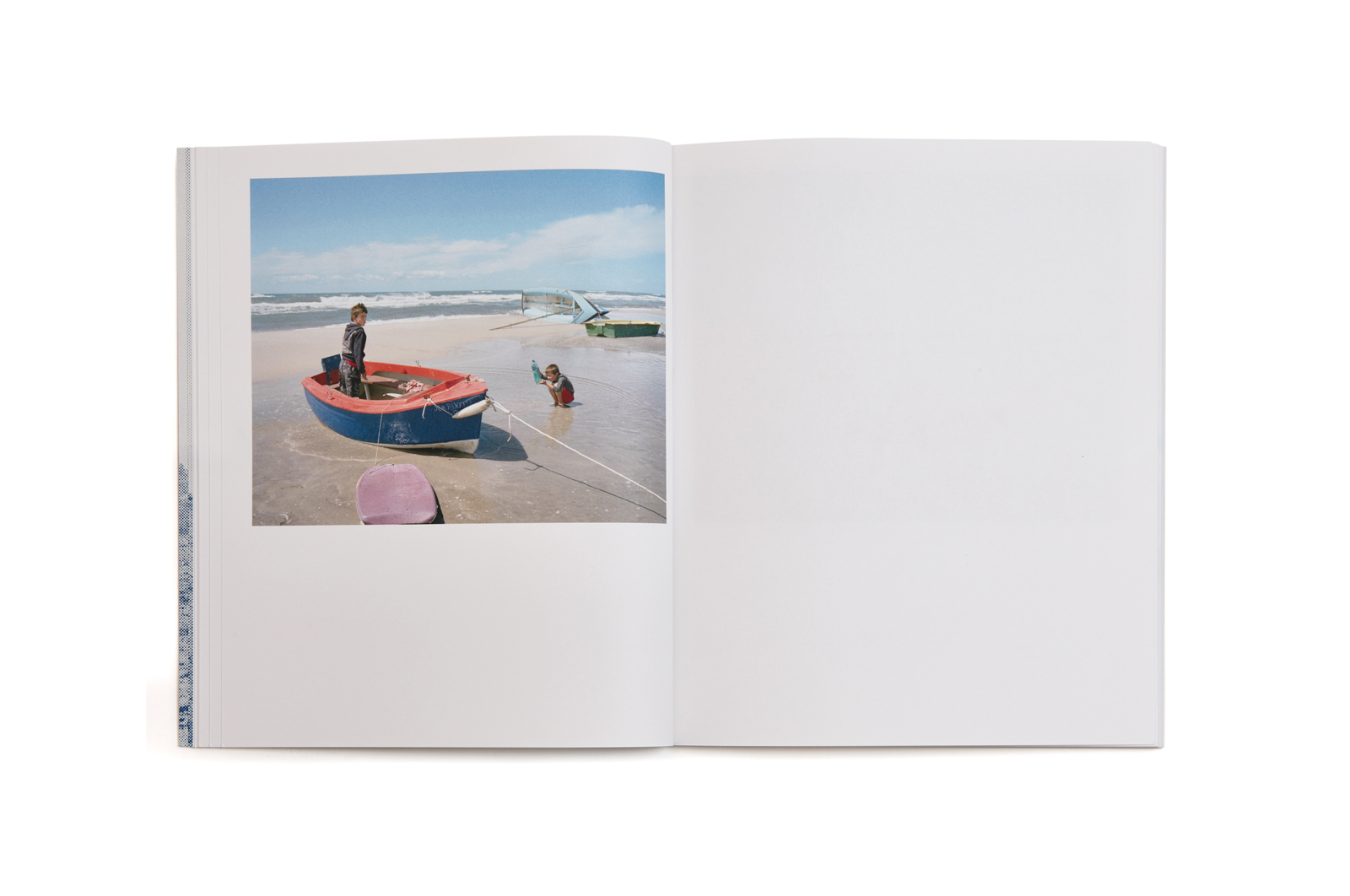
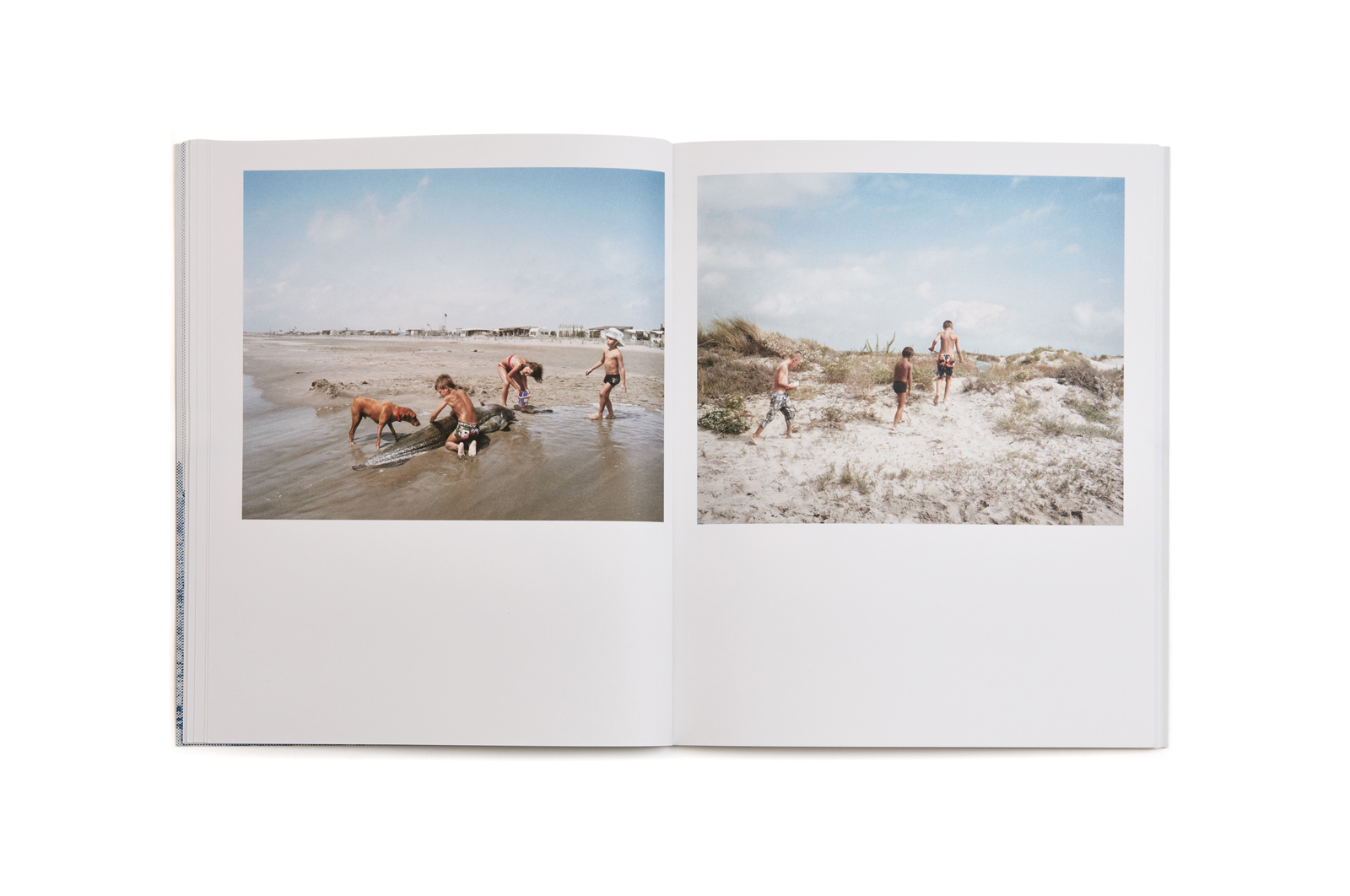
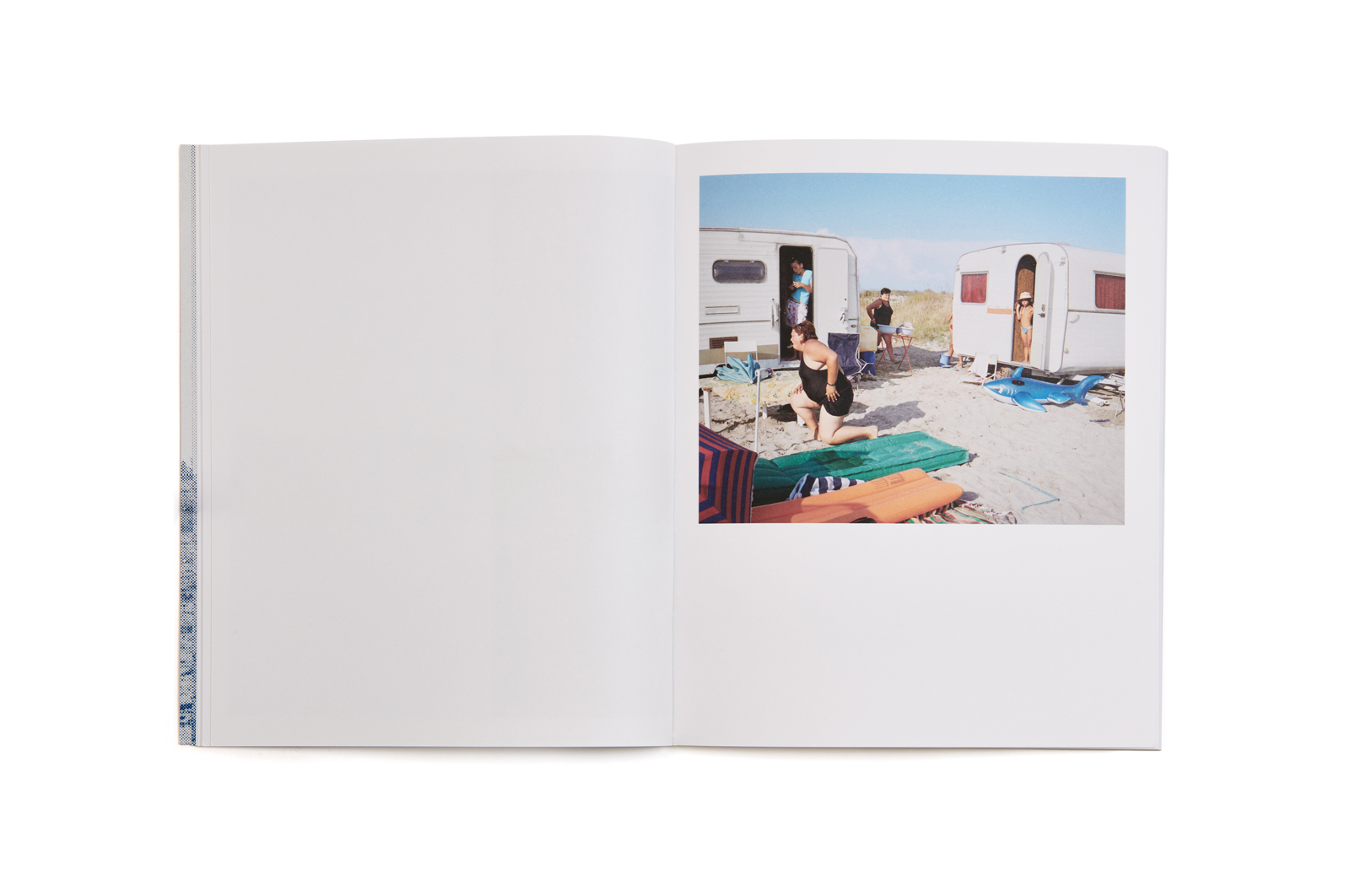
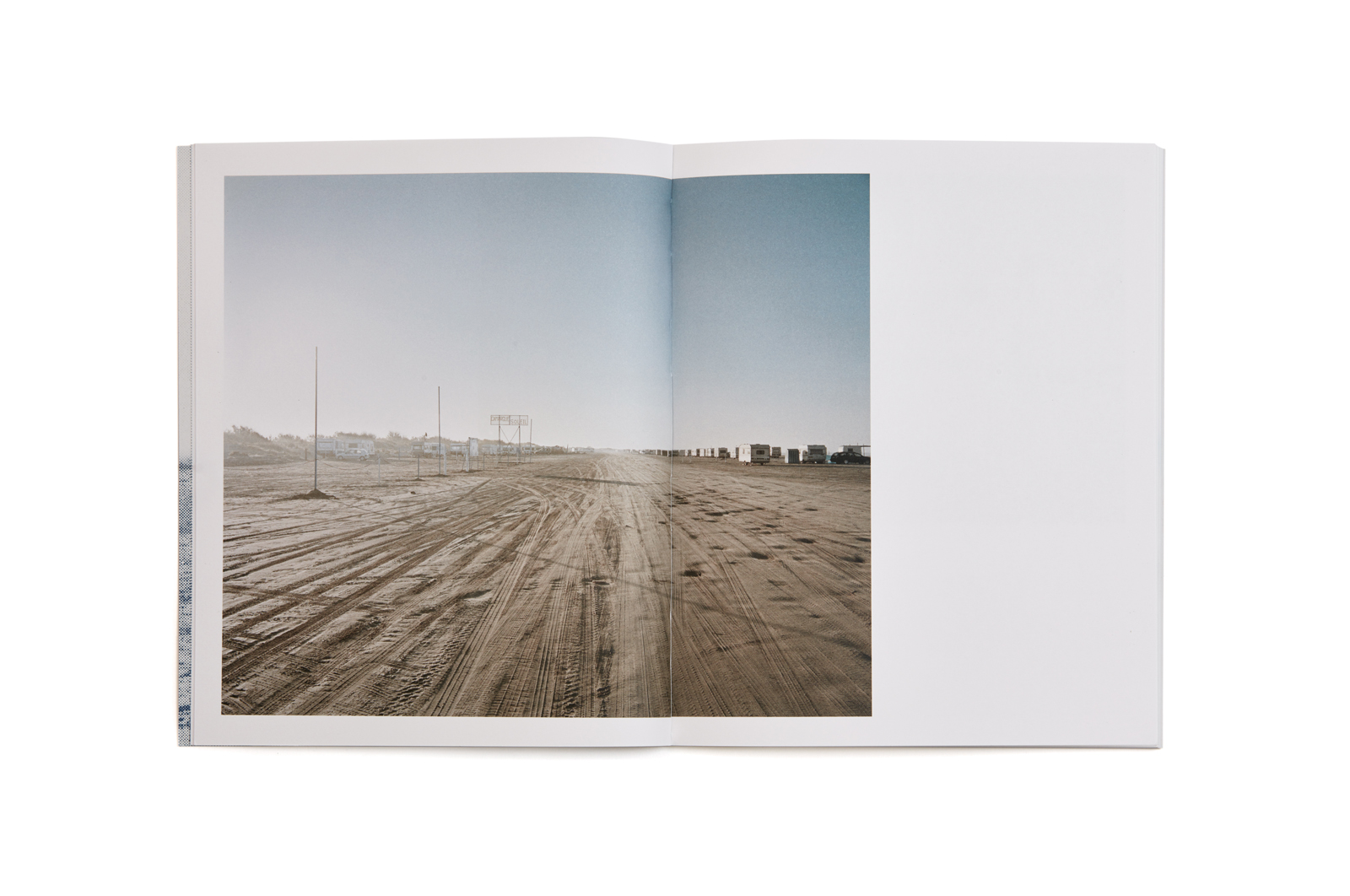
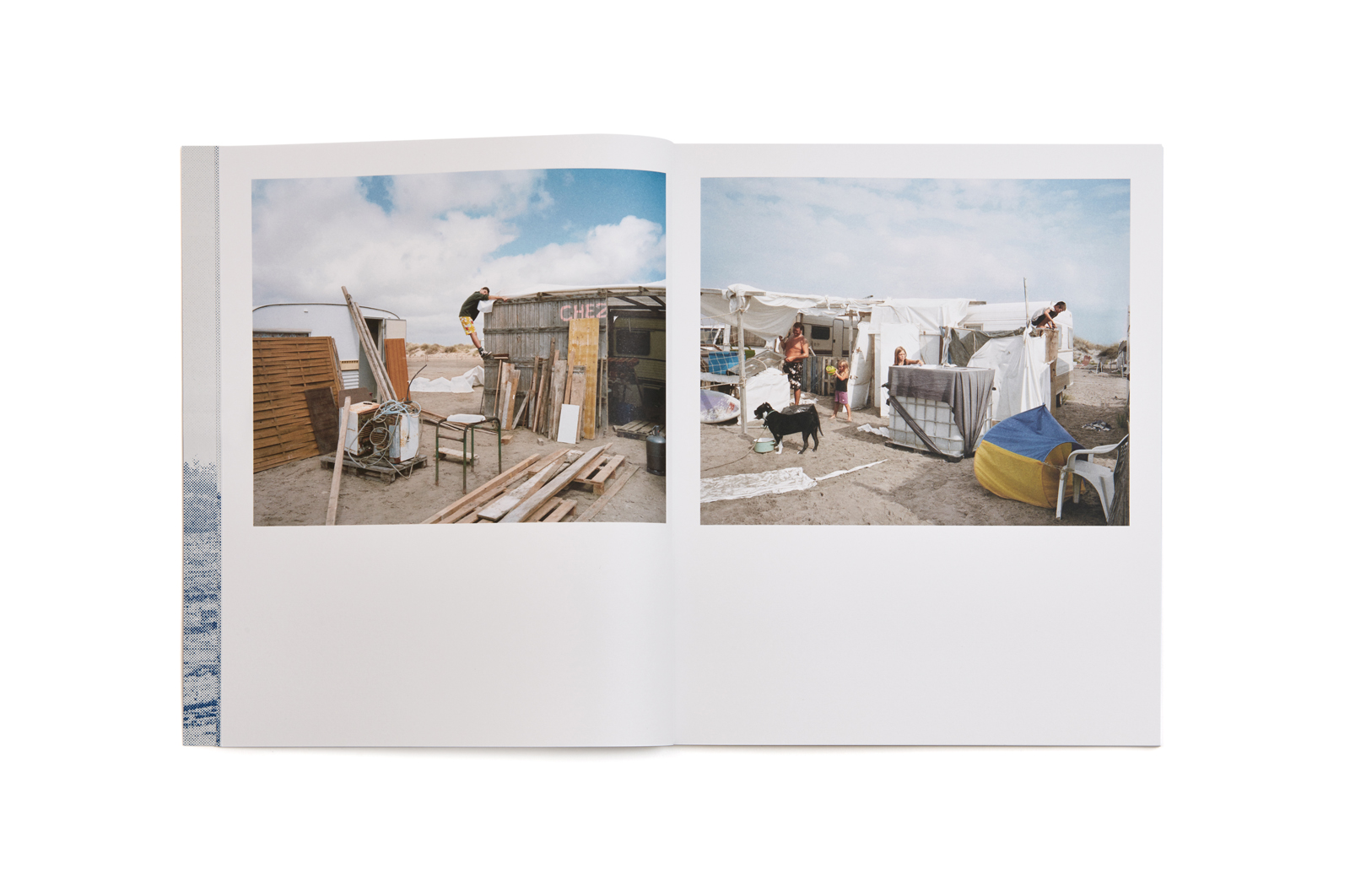
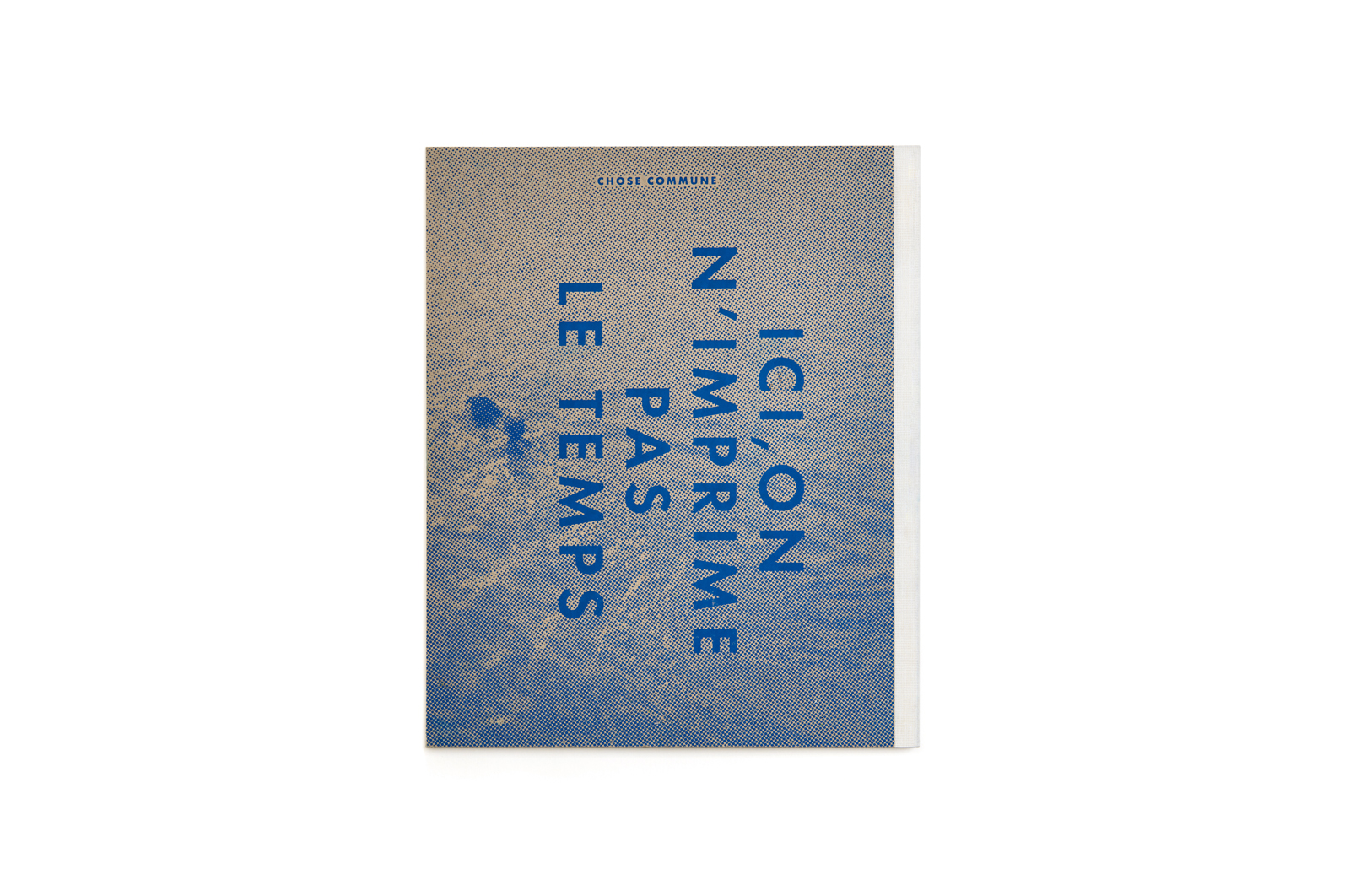
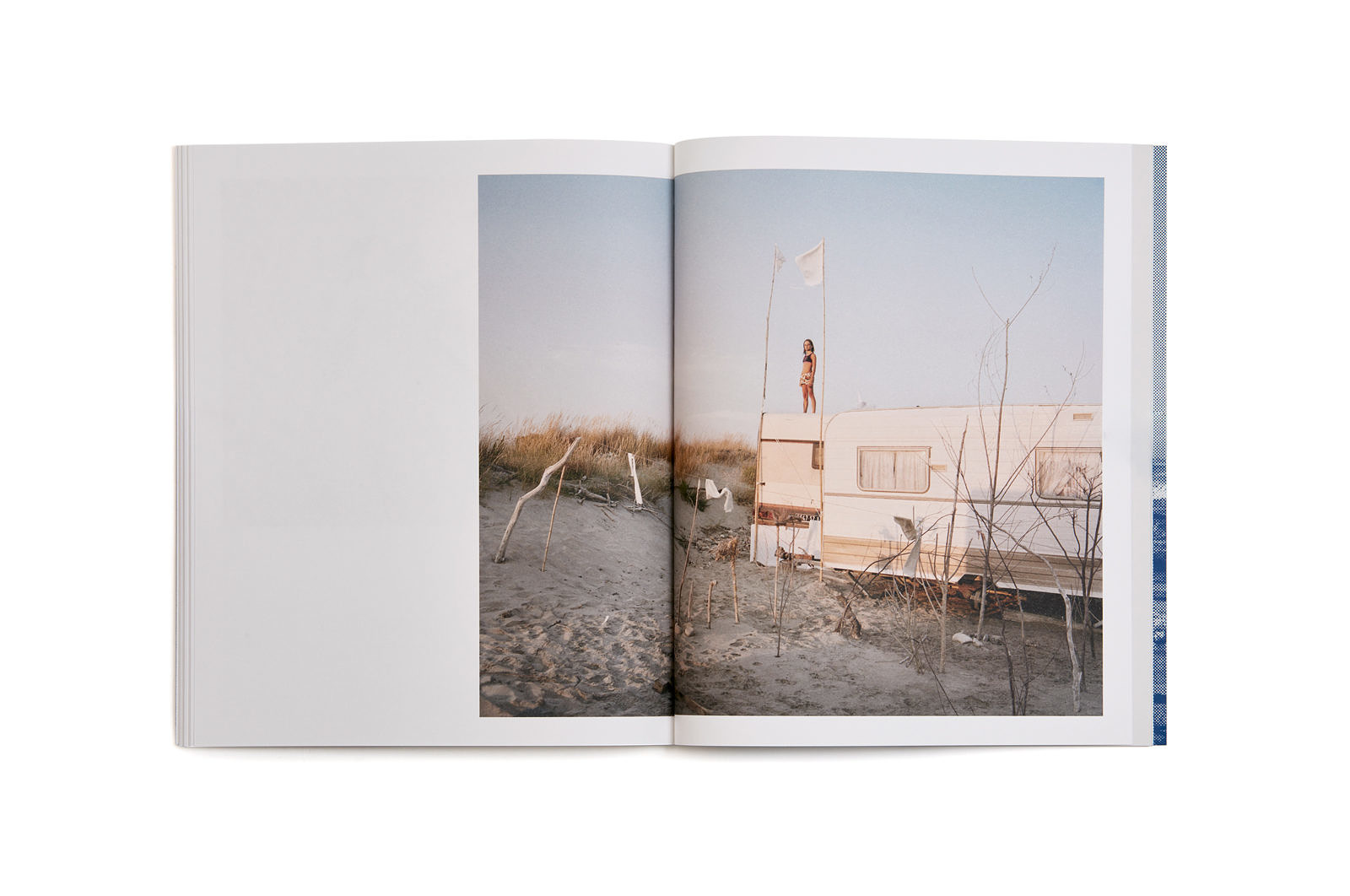
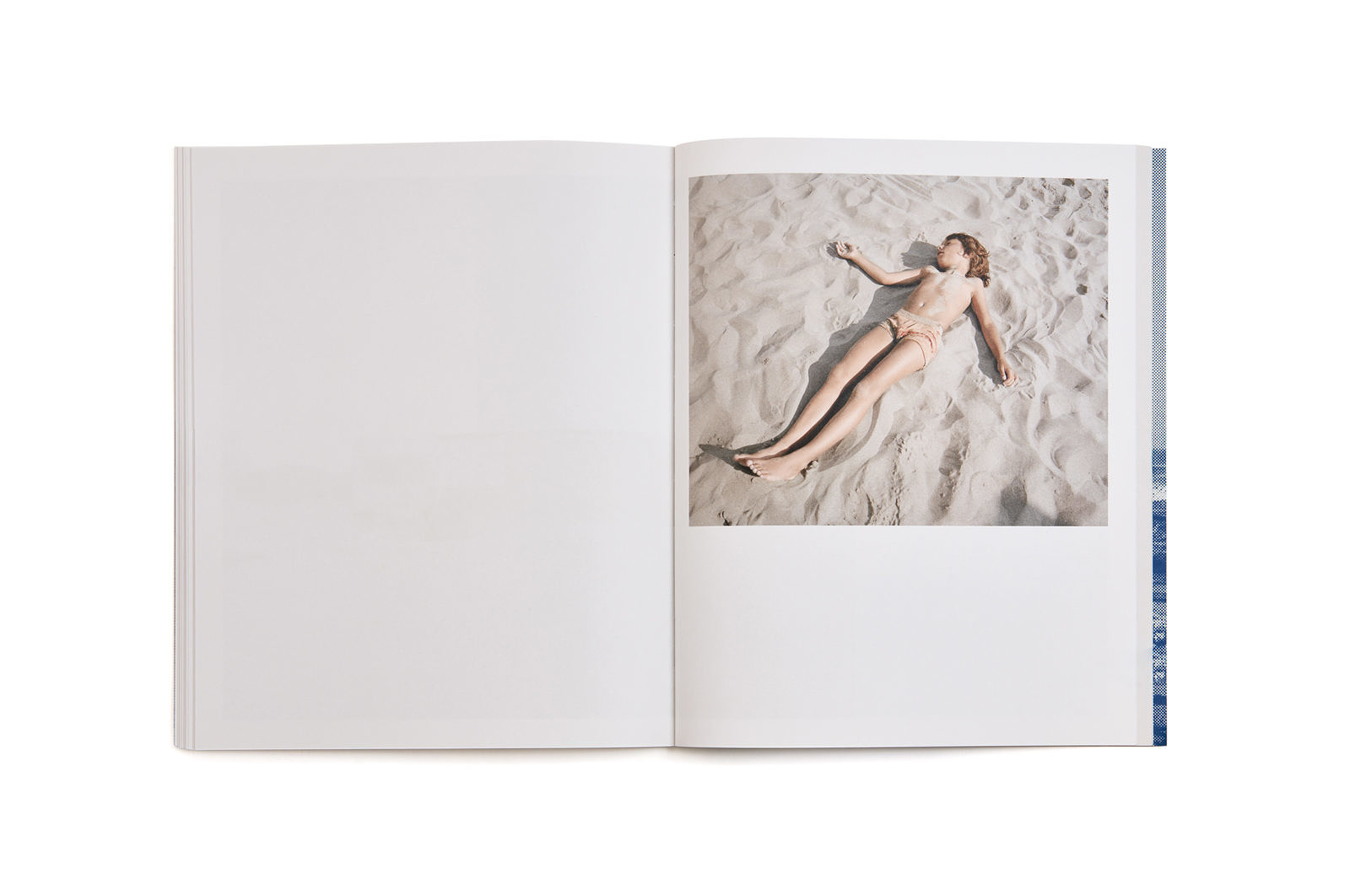
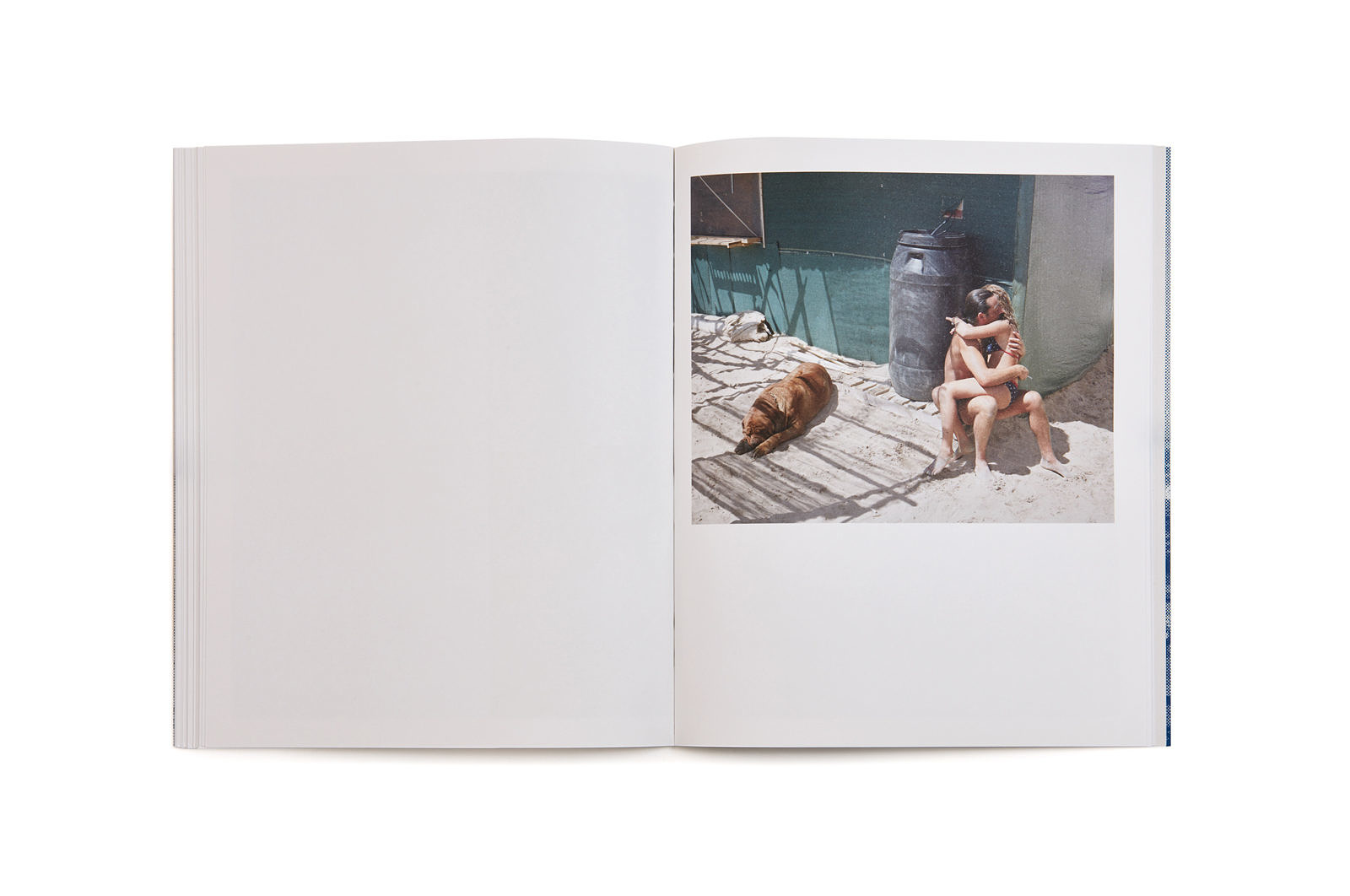
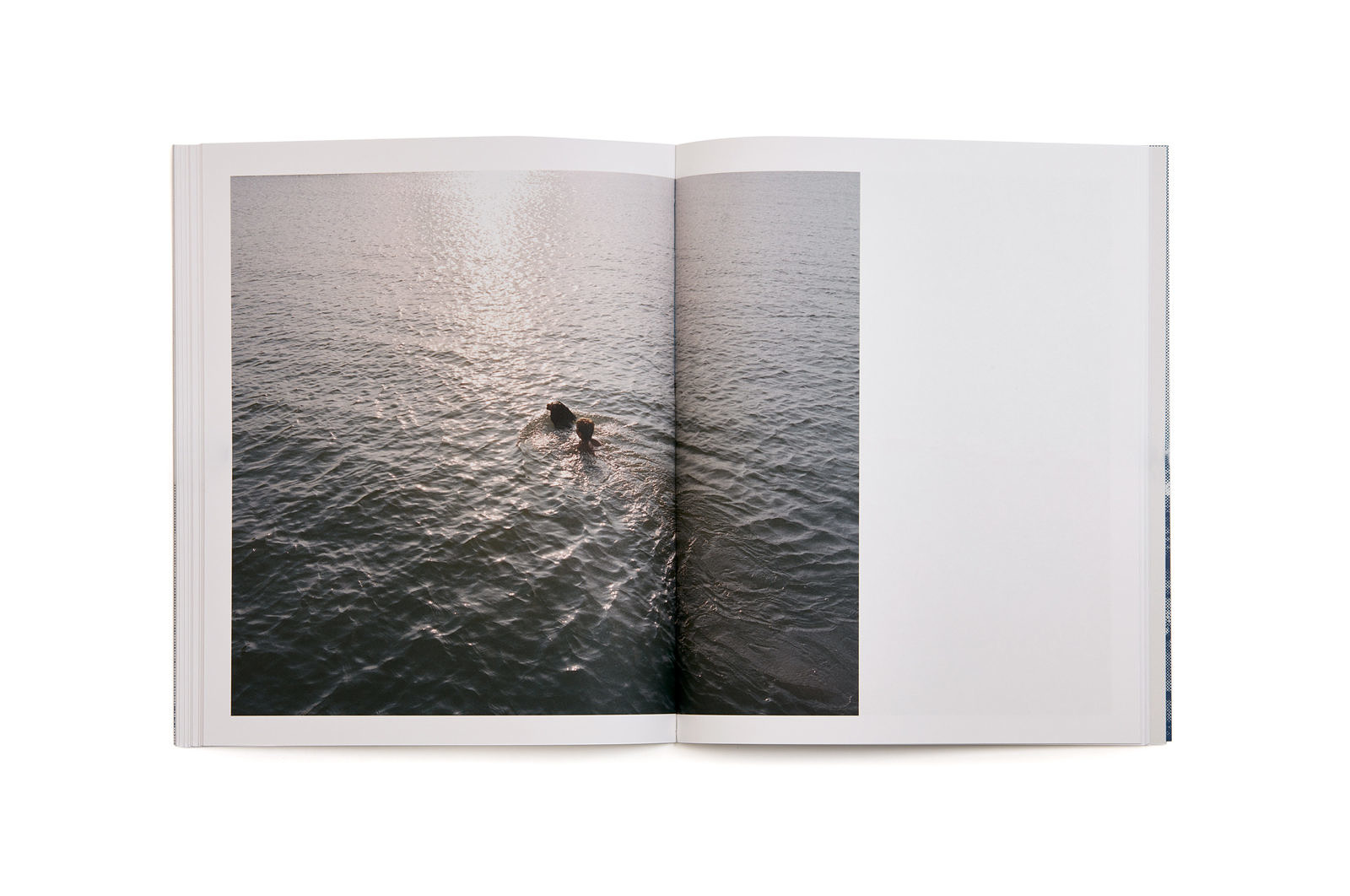
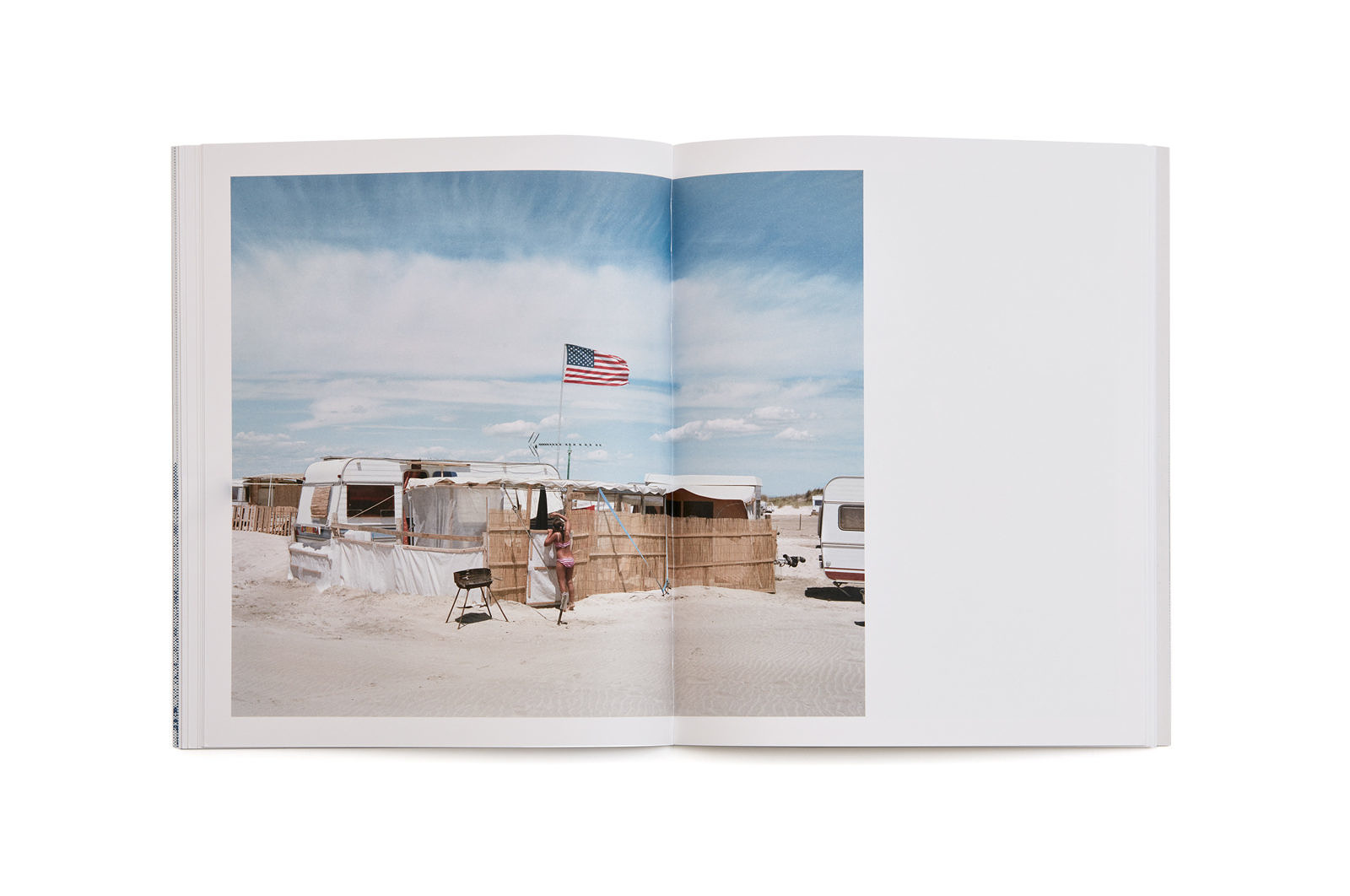
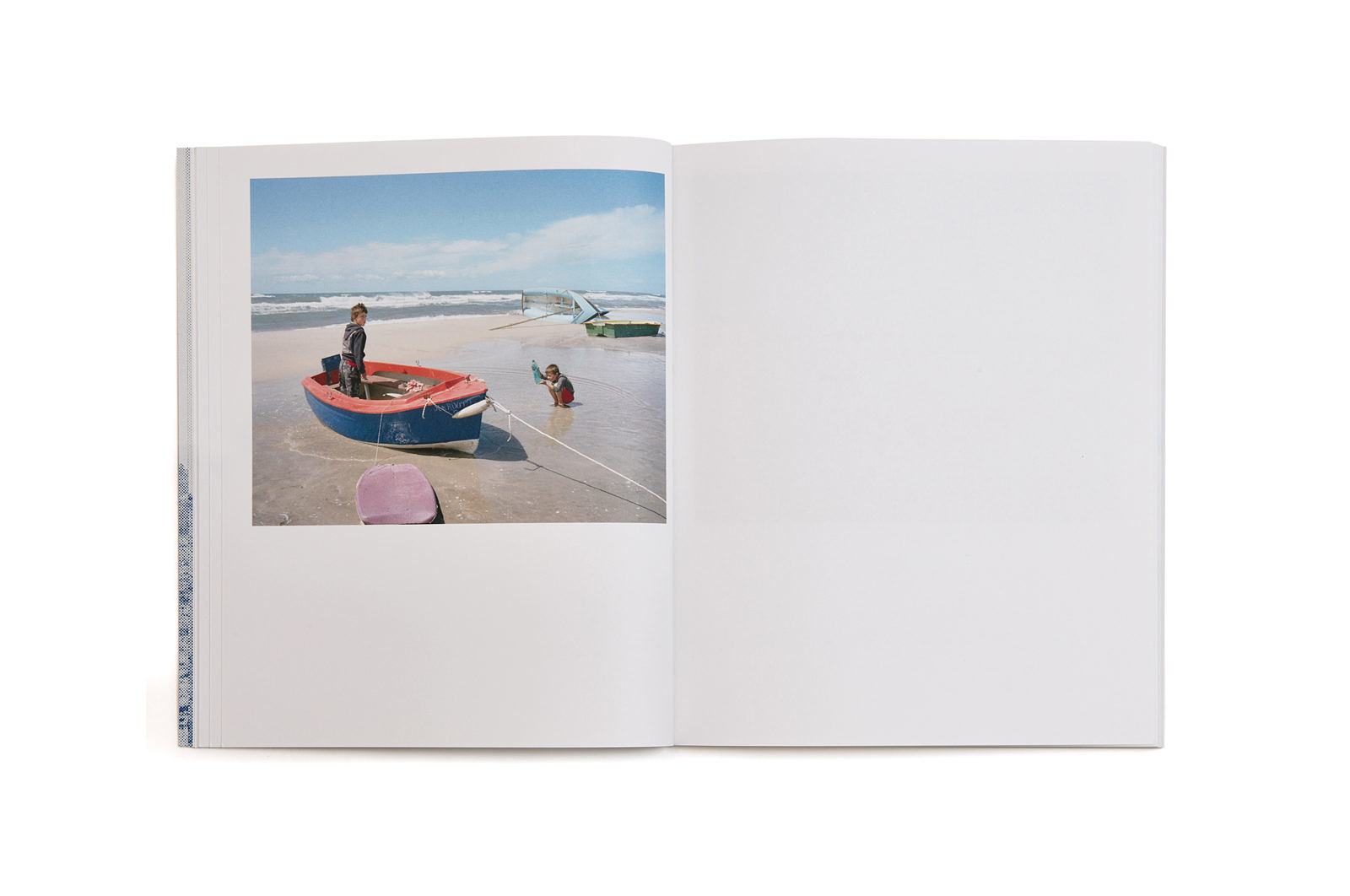
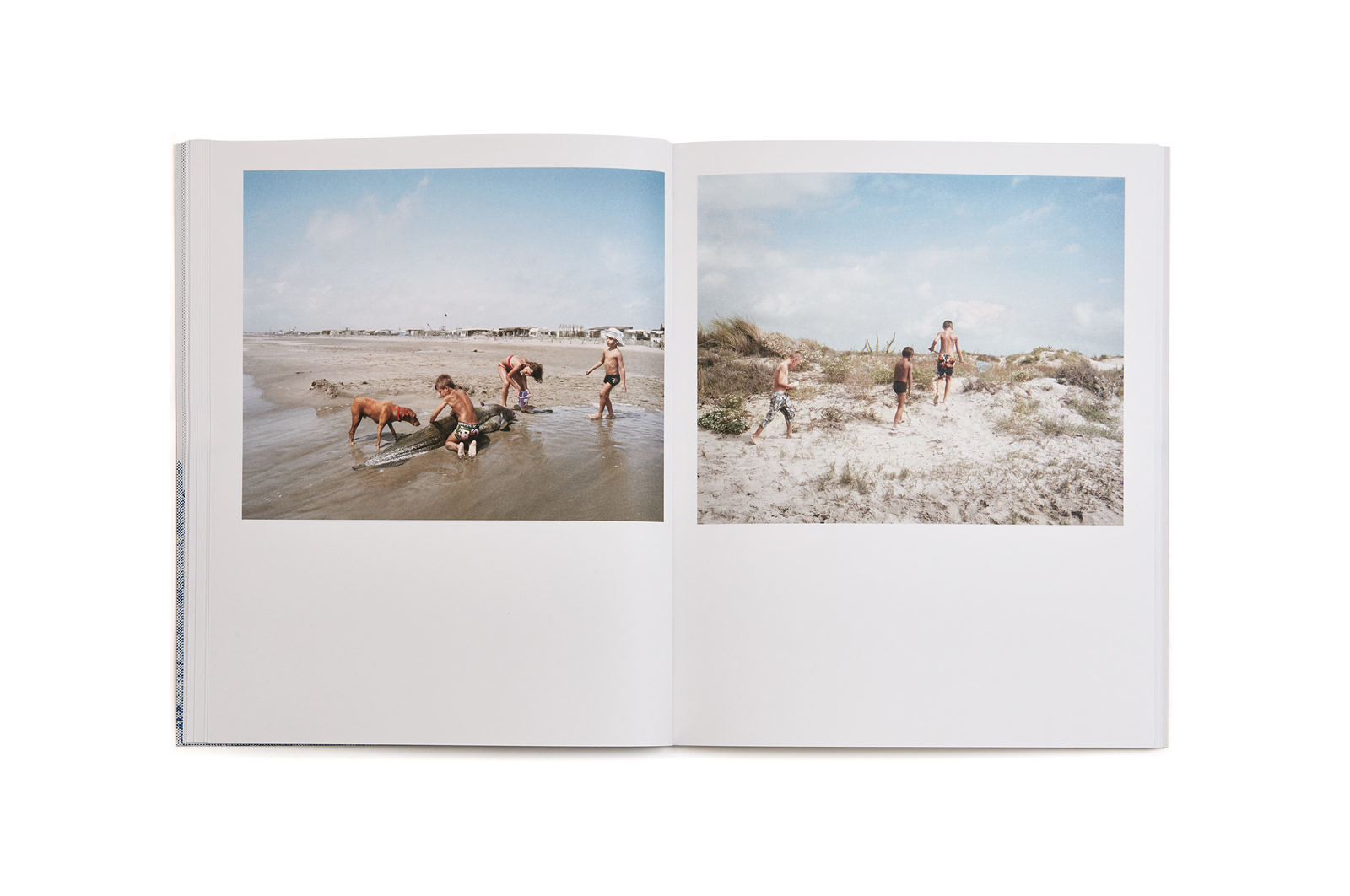
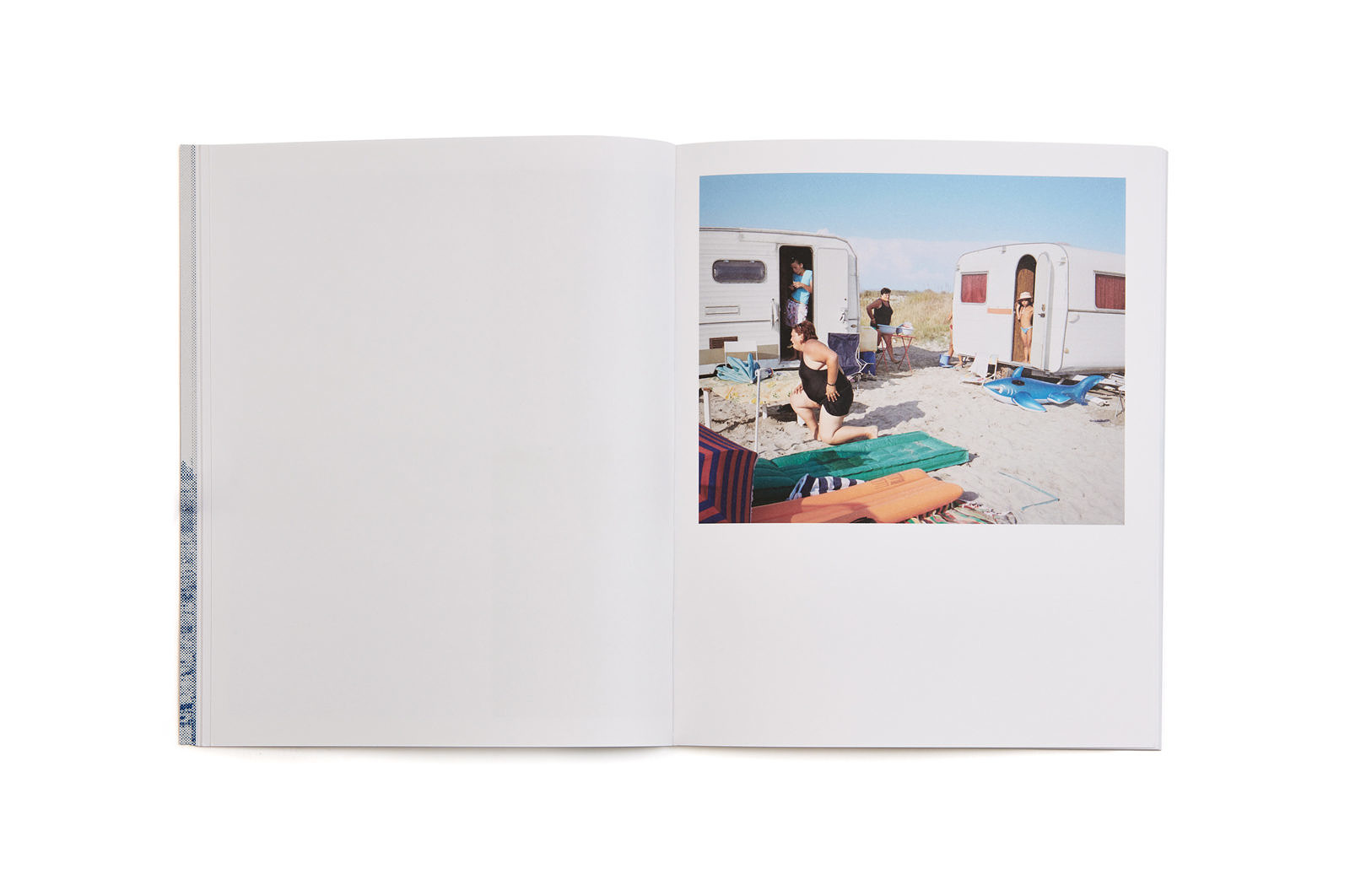
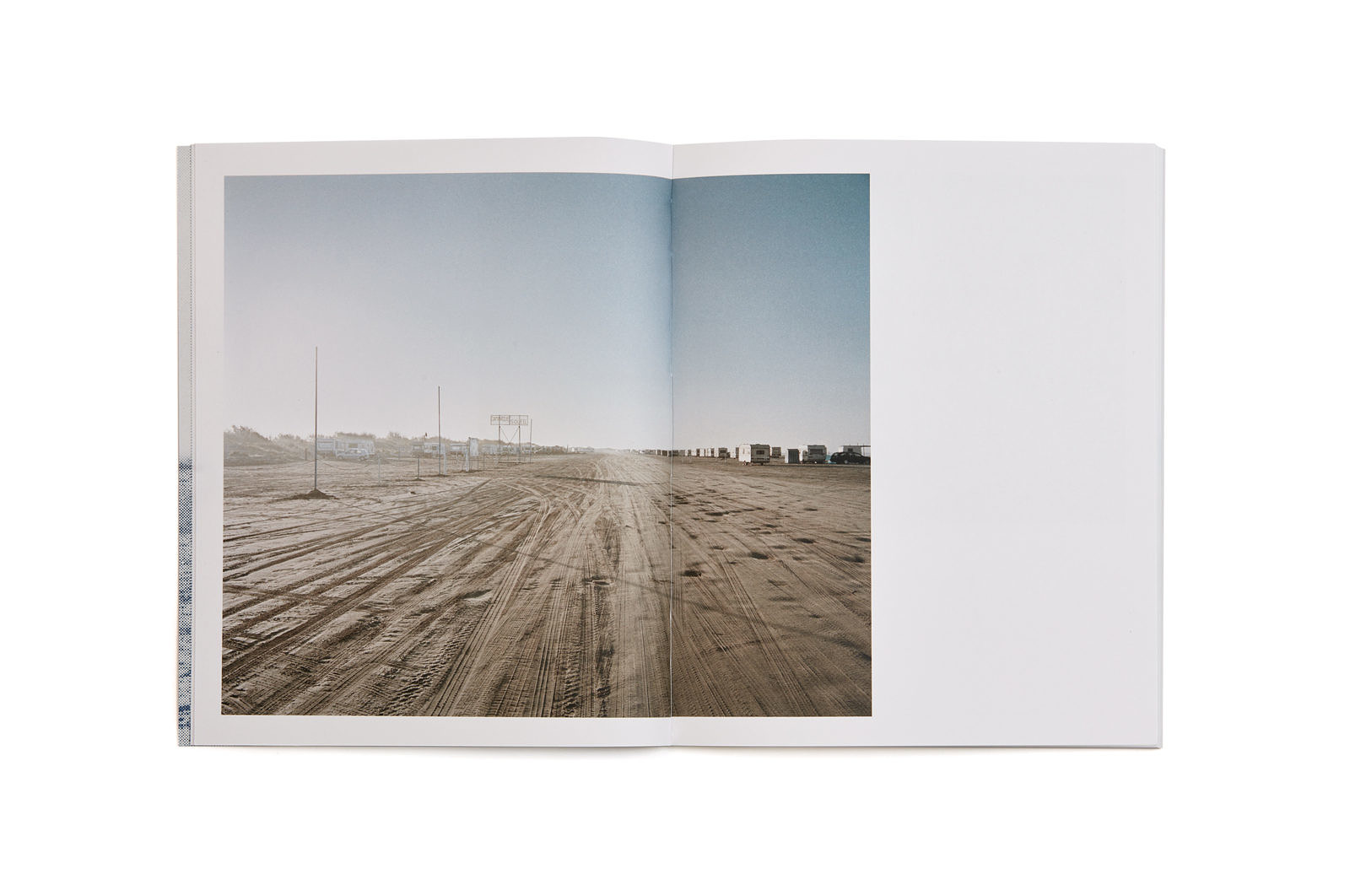
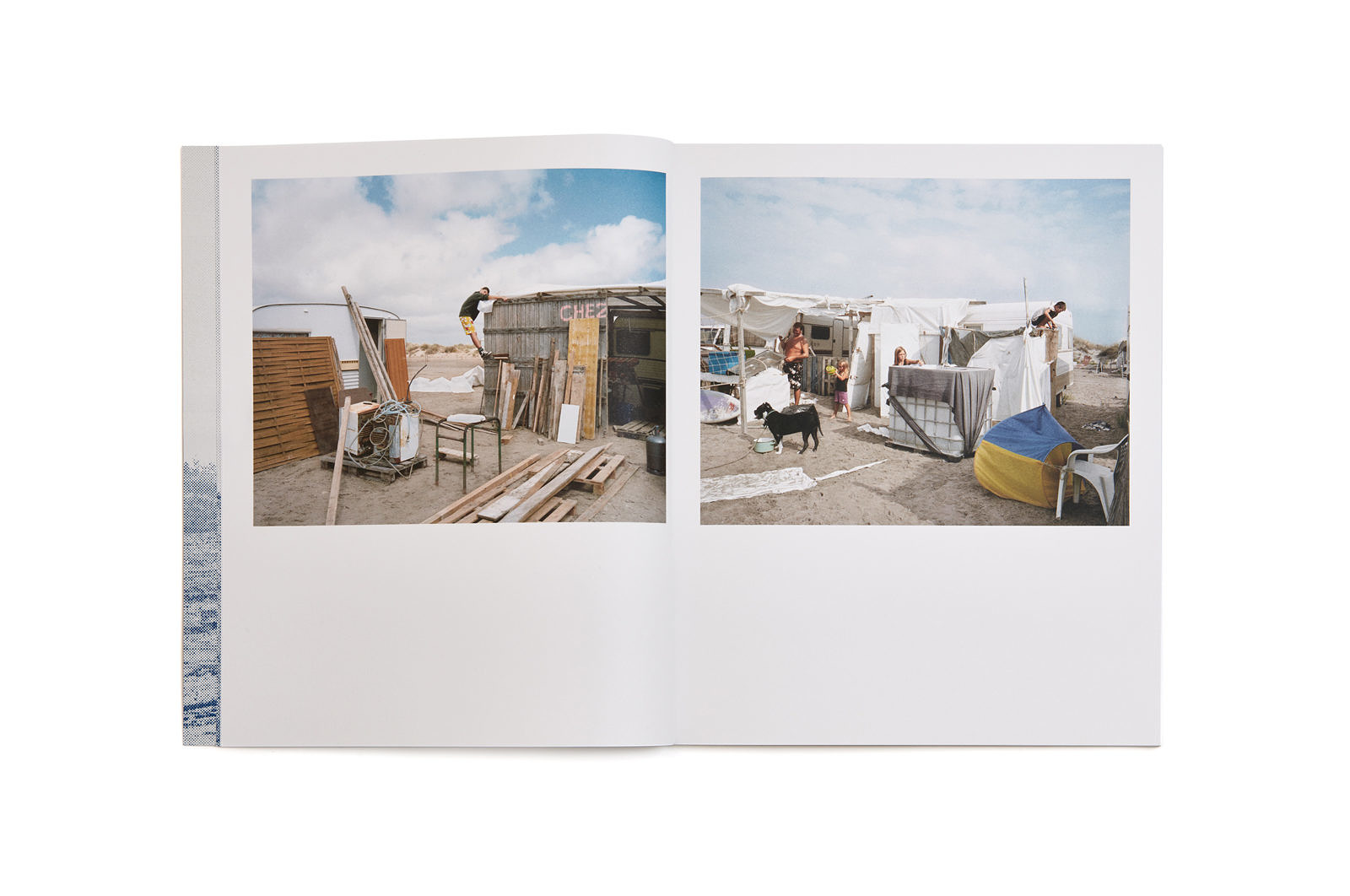
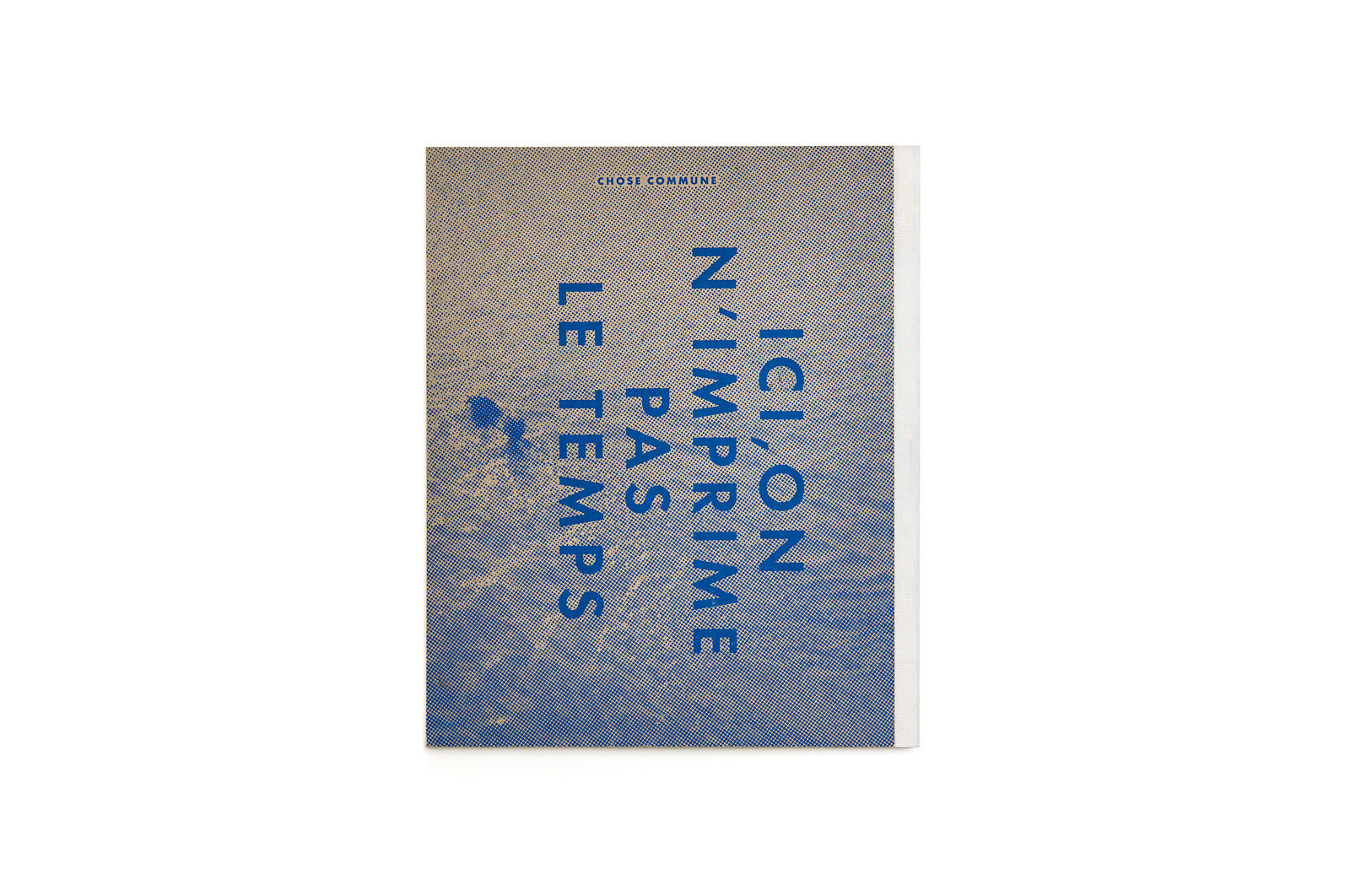
This is the first book published by Chose Commune. Piémanson is a five-summer exploration of France’s last wild beach.
“Piémanson” is an exploration of daily life on the last wild beach in France. The beach’s history began in the 1970s when locals set up camp there with no rights or deeds.
Nowadays, thousands of campers from all over Europe get together every summer season, looking for a freedom that they can’t find anywhere else. Vasantha Yogananthan camped with the inhabitants of Piémanson for five summers, from 2009 to 2013. This book tells their story.
He is a self-taught photographer who is deeply attached to silver photography. The book is a central object in his practice, which led him to co-found the publishing house Chose Commune. He has carried out his projects over a long period of time, first in France on the beach at Piémanson (2009-2013), then in India and Sri Lanka Sri-Lanka around the myth of the Rāmāyana (2013-2021). In 2022, he carries out a new project in New Orleans, USA, as part of the Immersion program of the Fondation d'entreprise Hermès, of which it is a winner. He is represented by Jhavery contemporary (Mumbay) and The Photographers’ Gallery Print Sales (London).
Graphic design: Atelier 25
Photographs and text: Vasantha Yogananthan
Essay: Rémi Coignet
80 pages
35 colour plates
23 x 28 cm
Section-sewn quarterbound card hardcover with cloth spine
French / English
Publication date: June 2014
ISBN: 978-2-9548777-0-9
 Free shipping to France on orders over 50€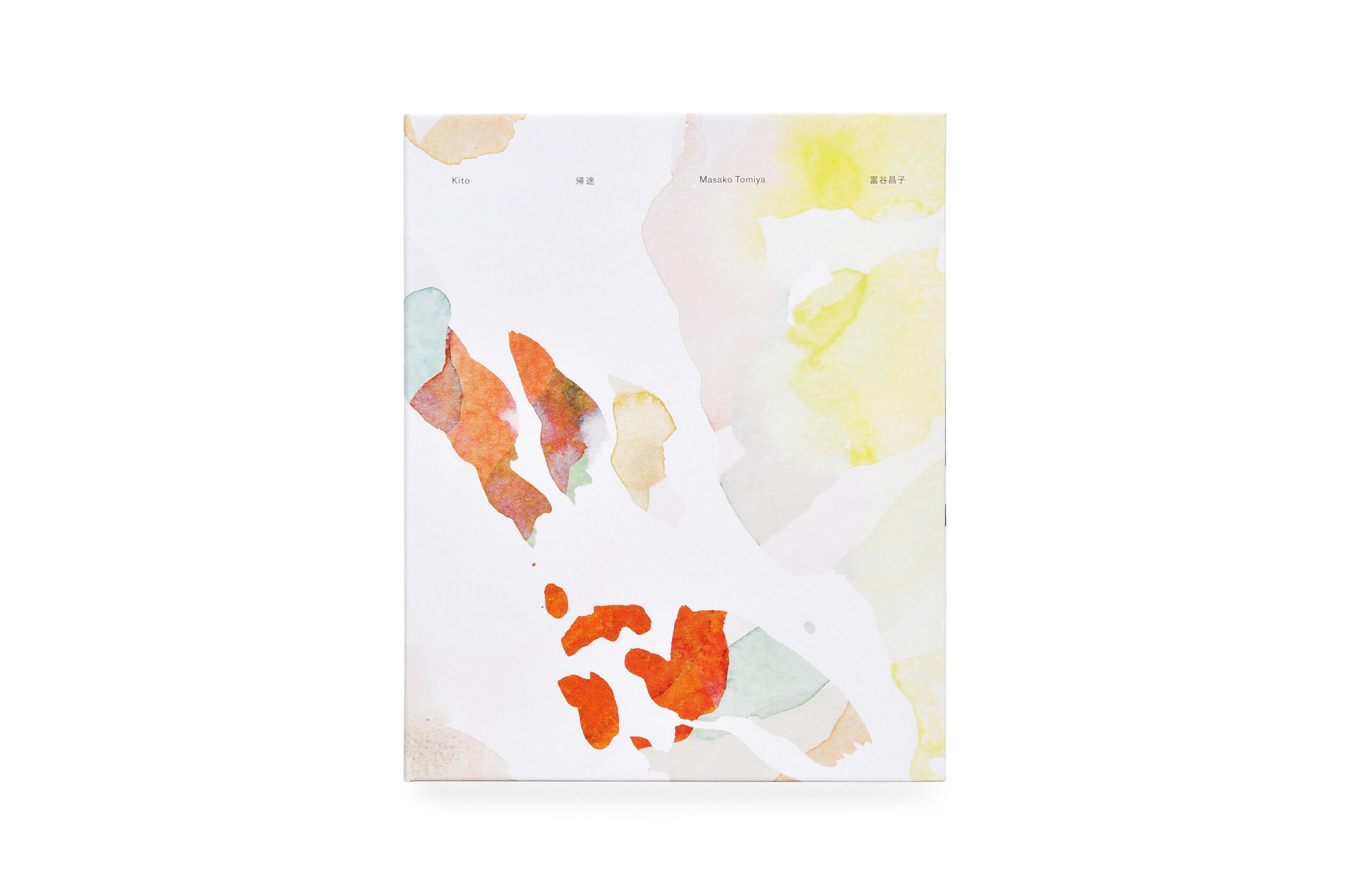
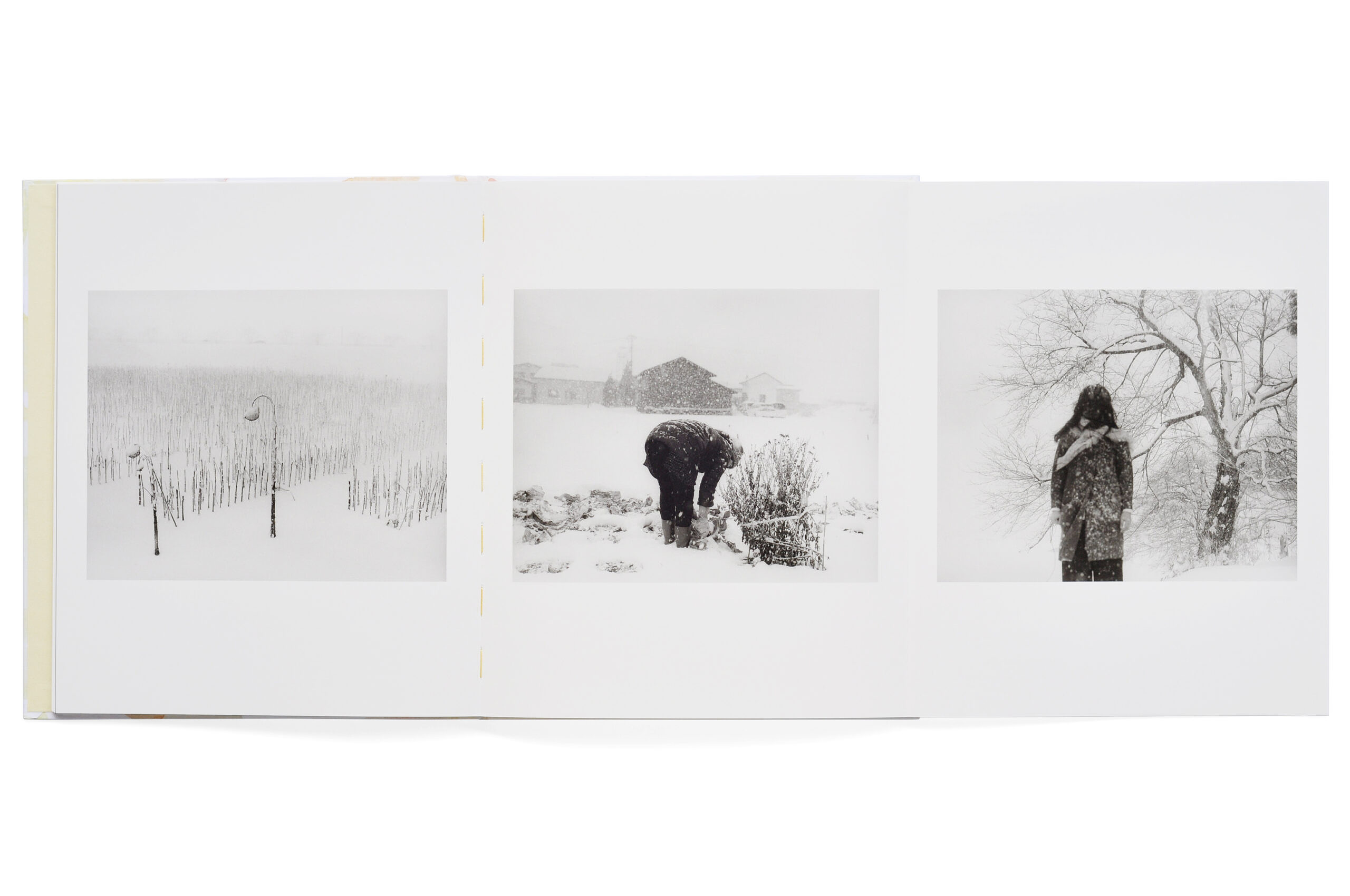
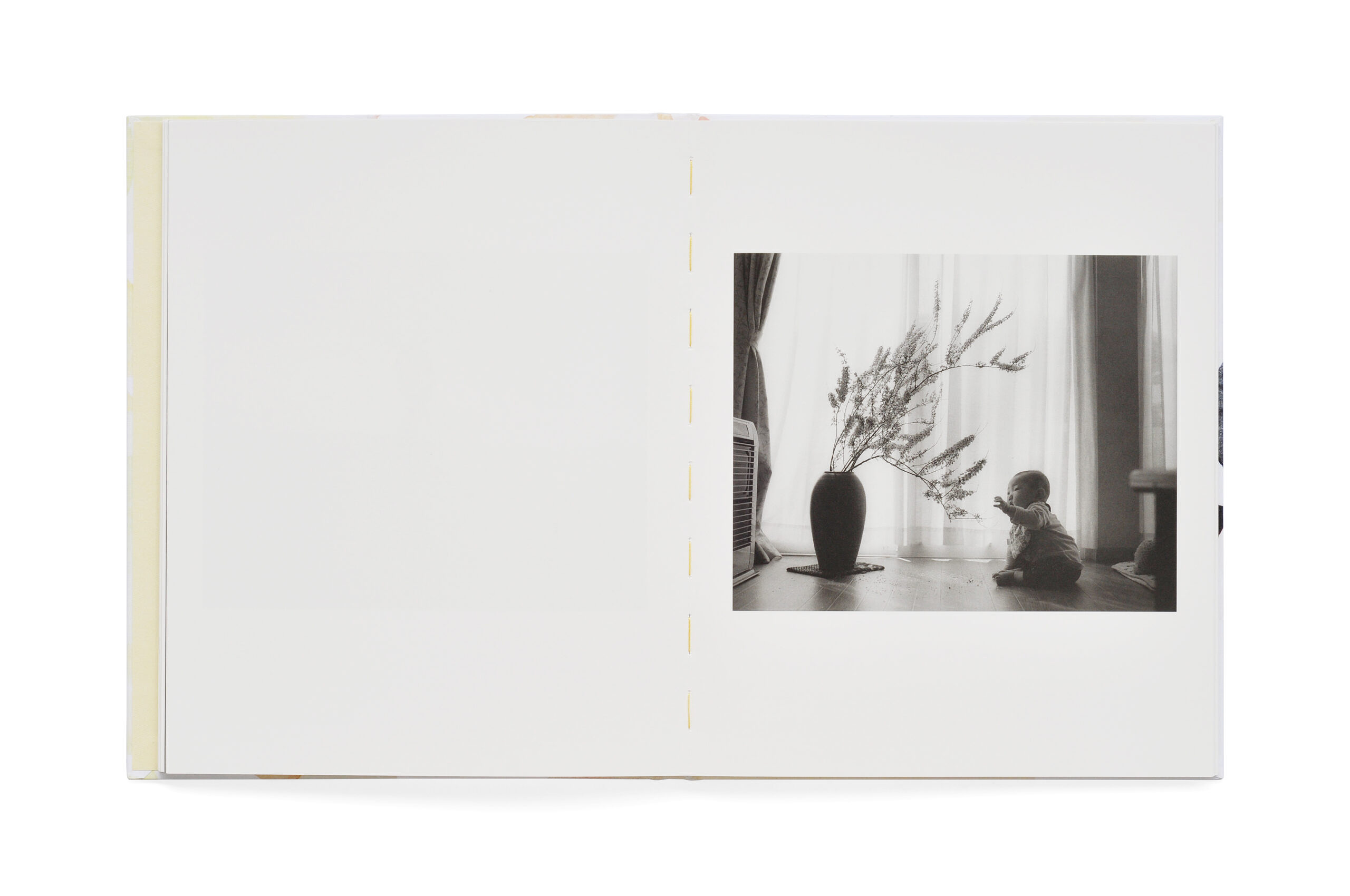
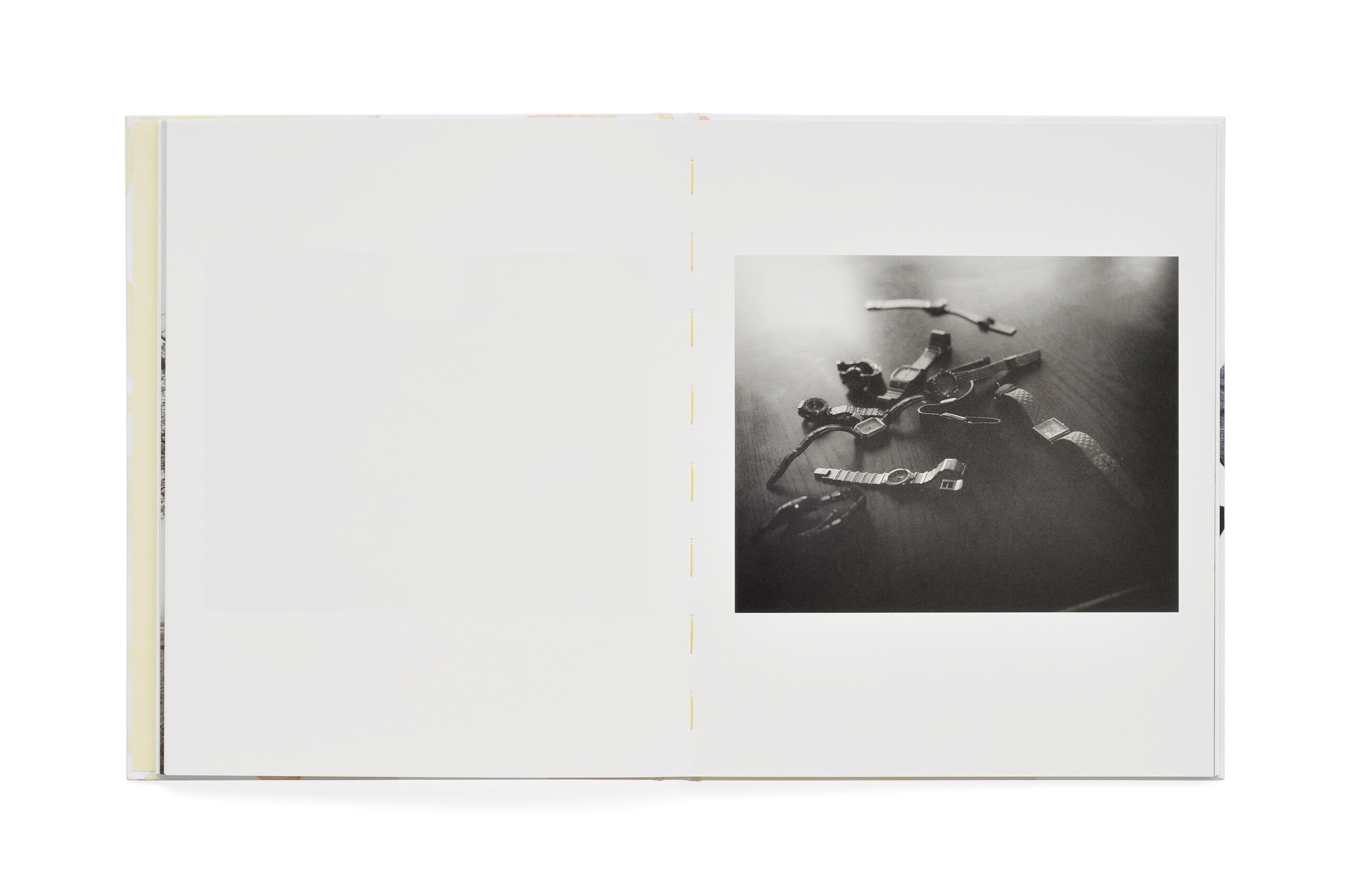
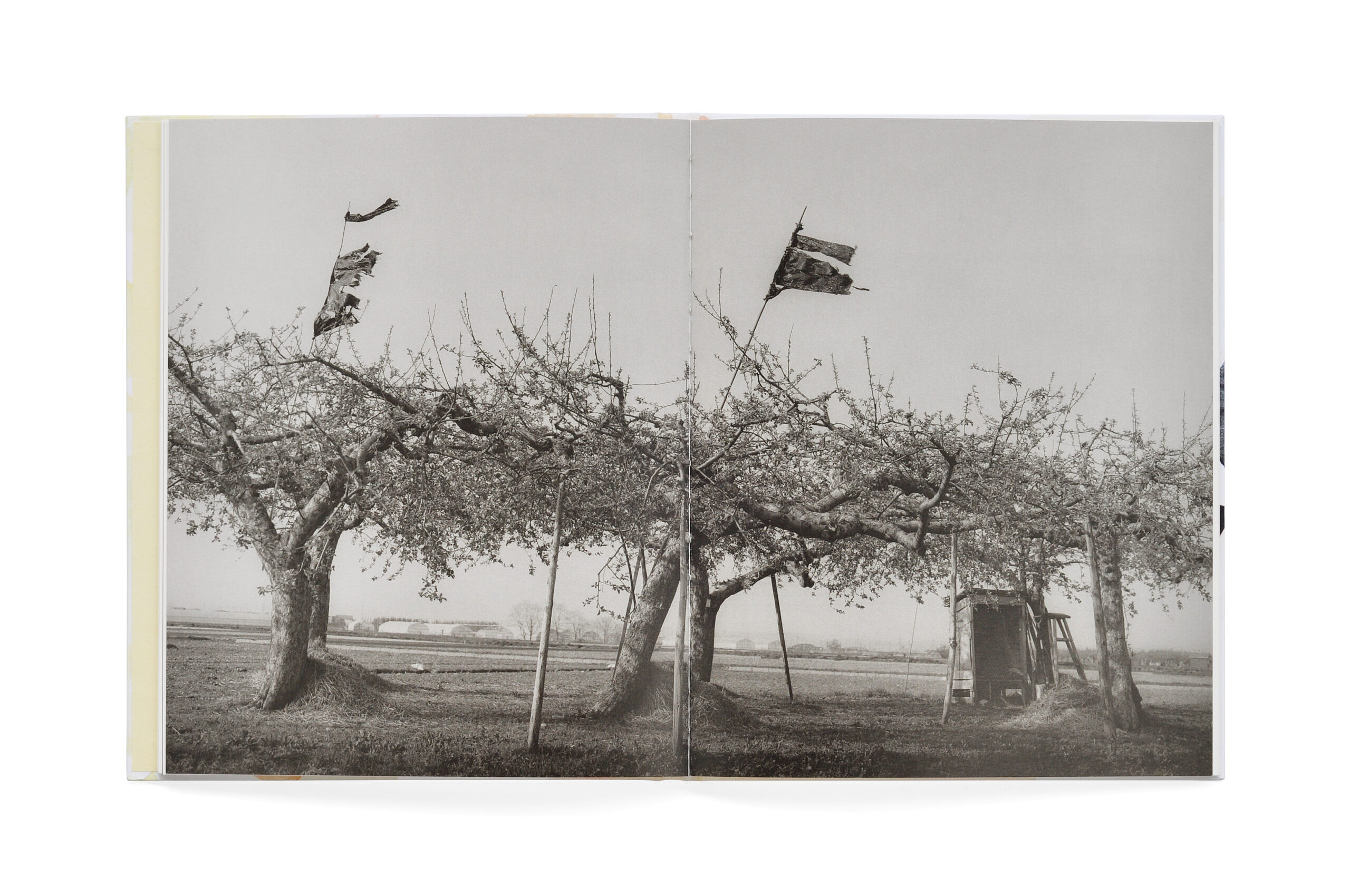
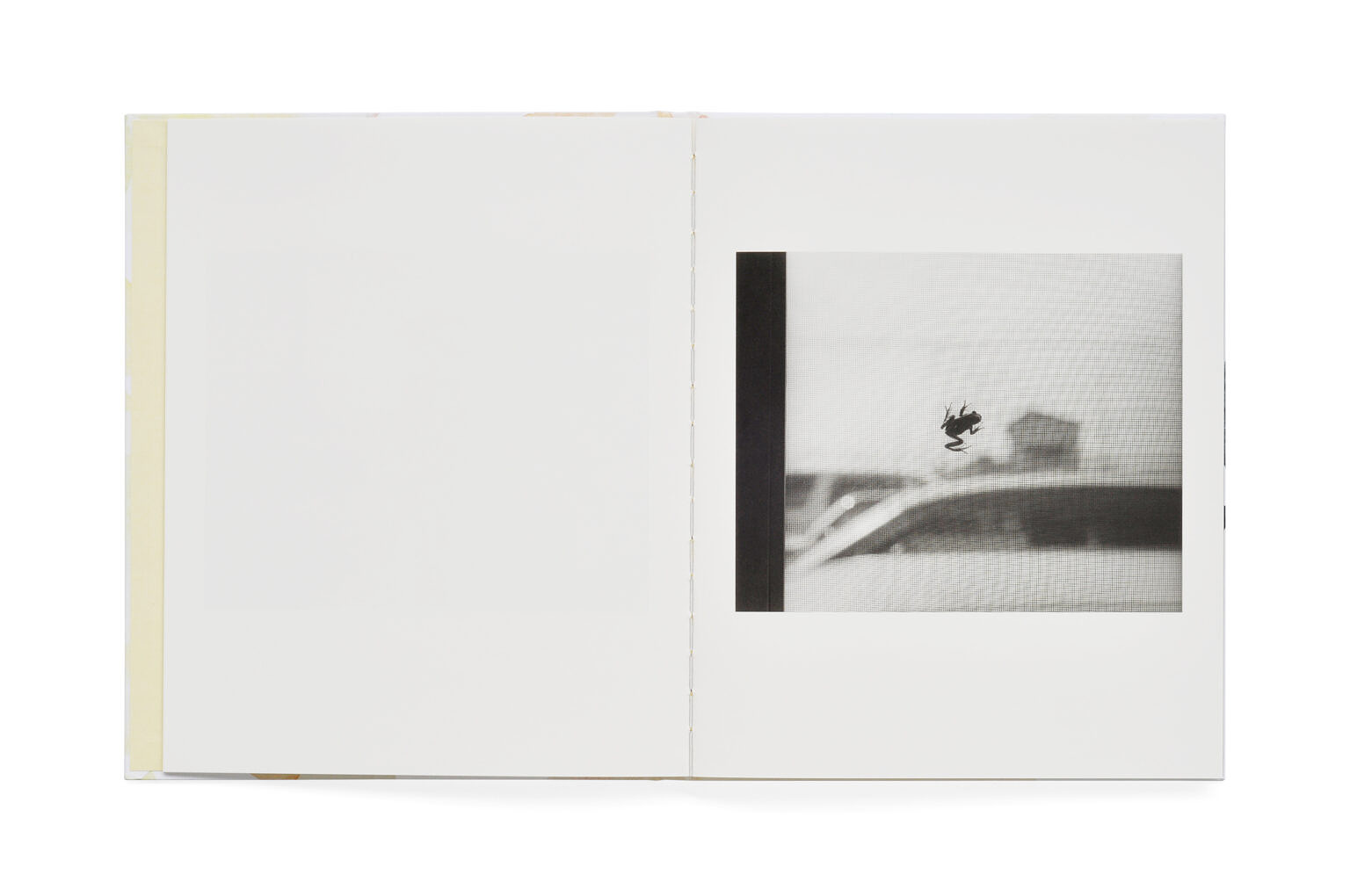
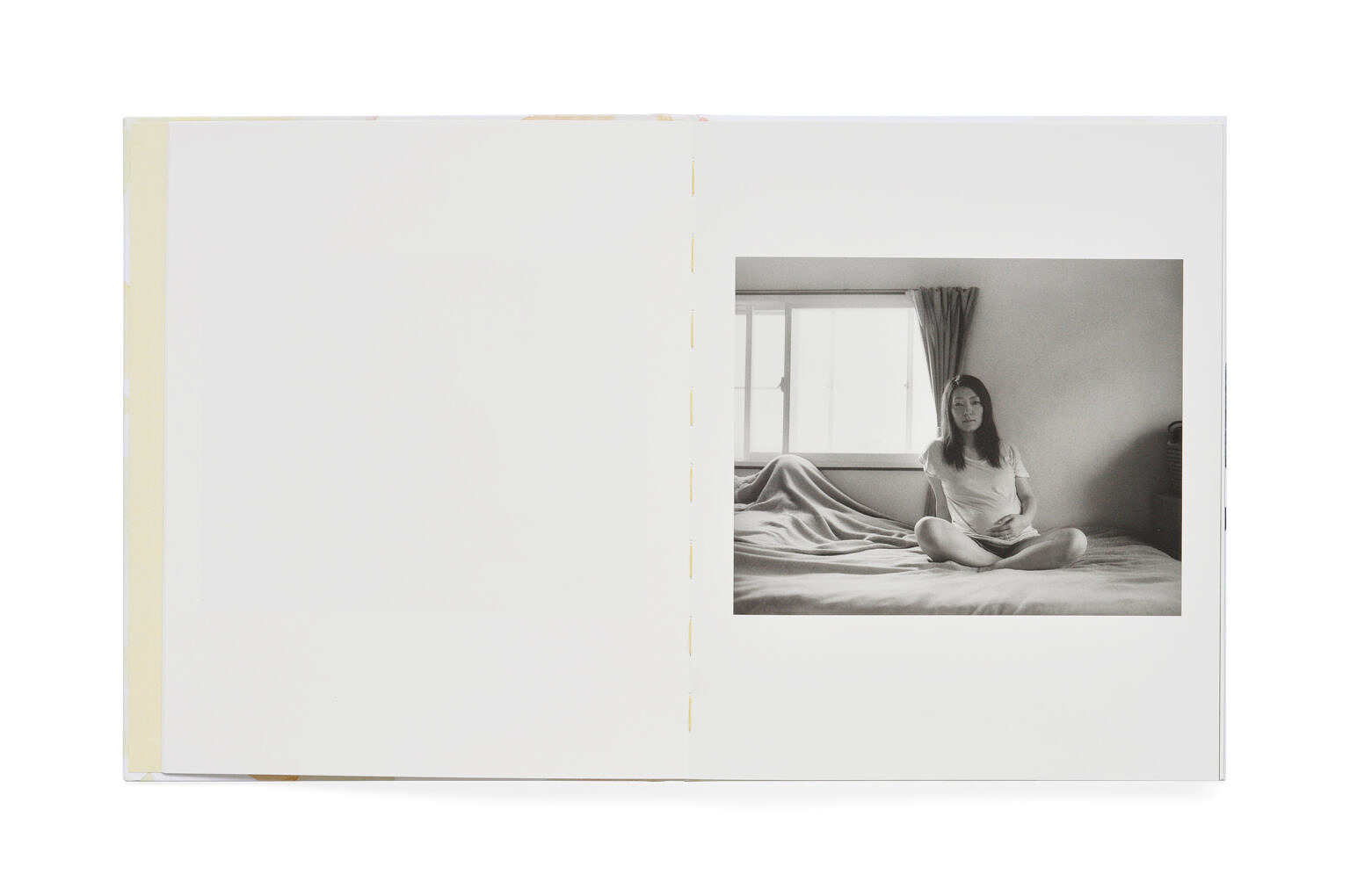
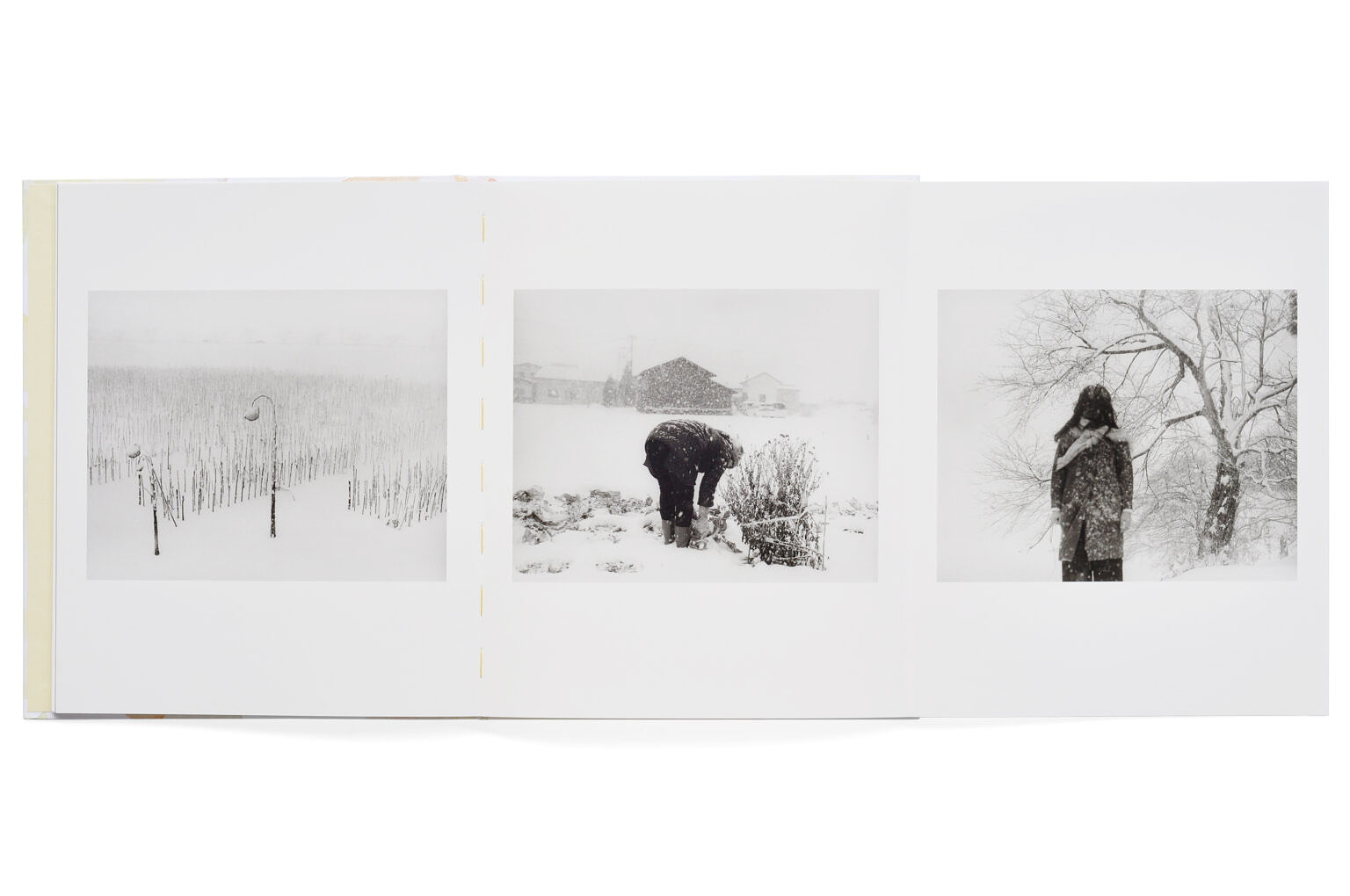
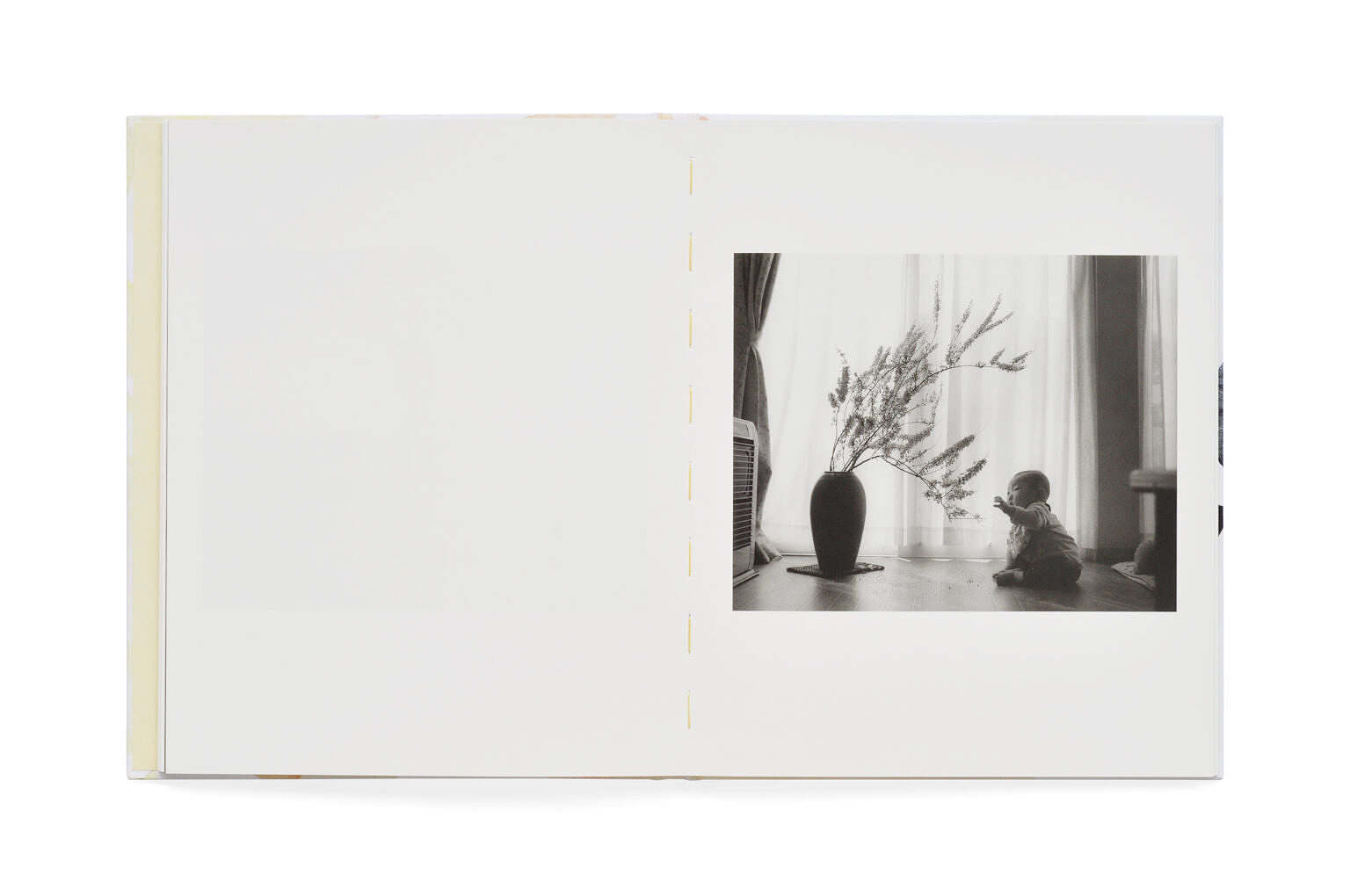
Masako Tomiya
Kito
out of stock
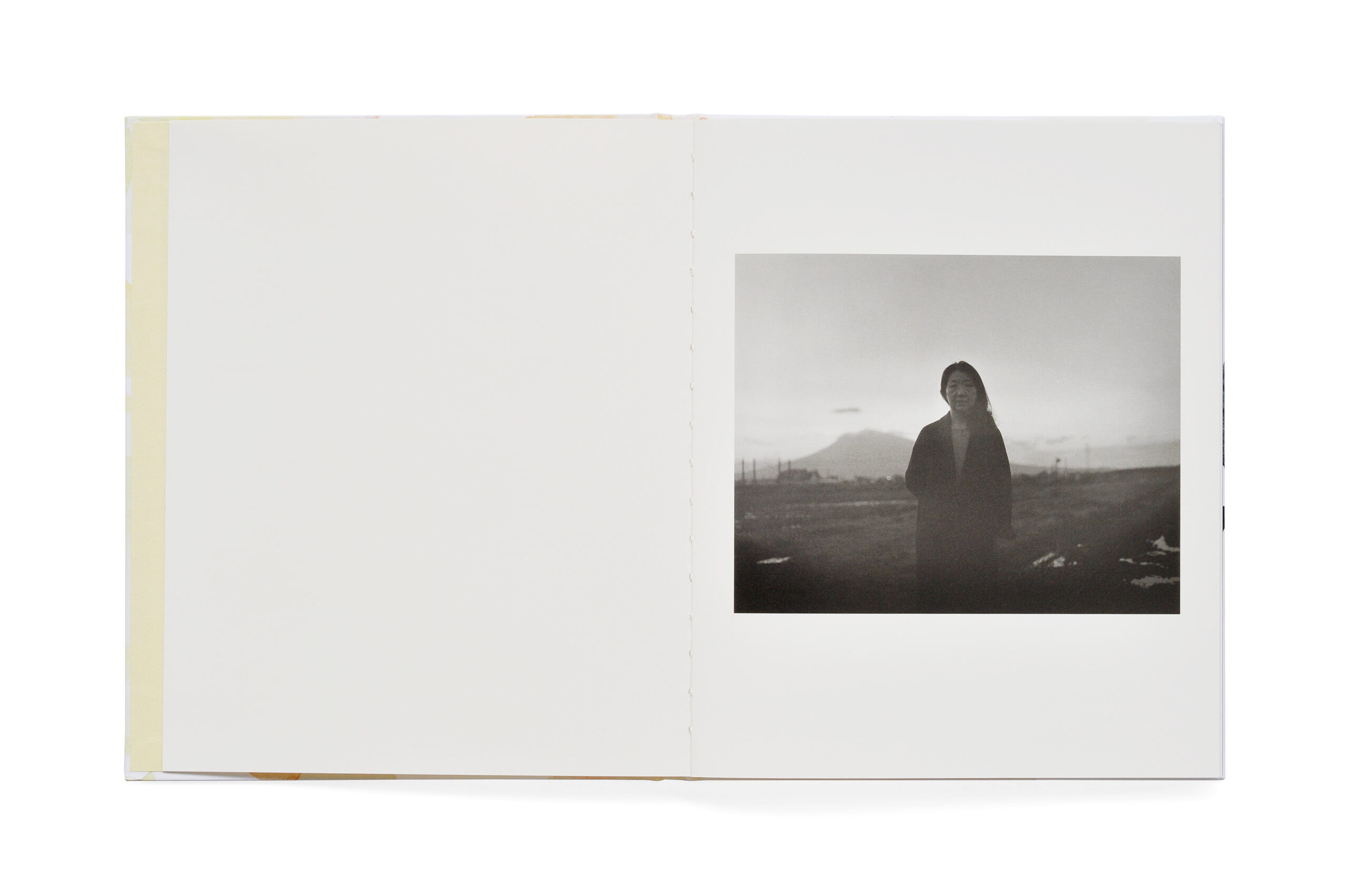
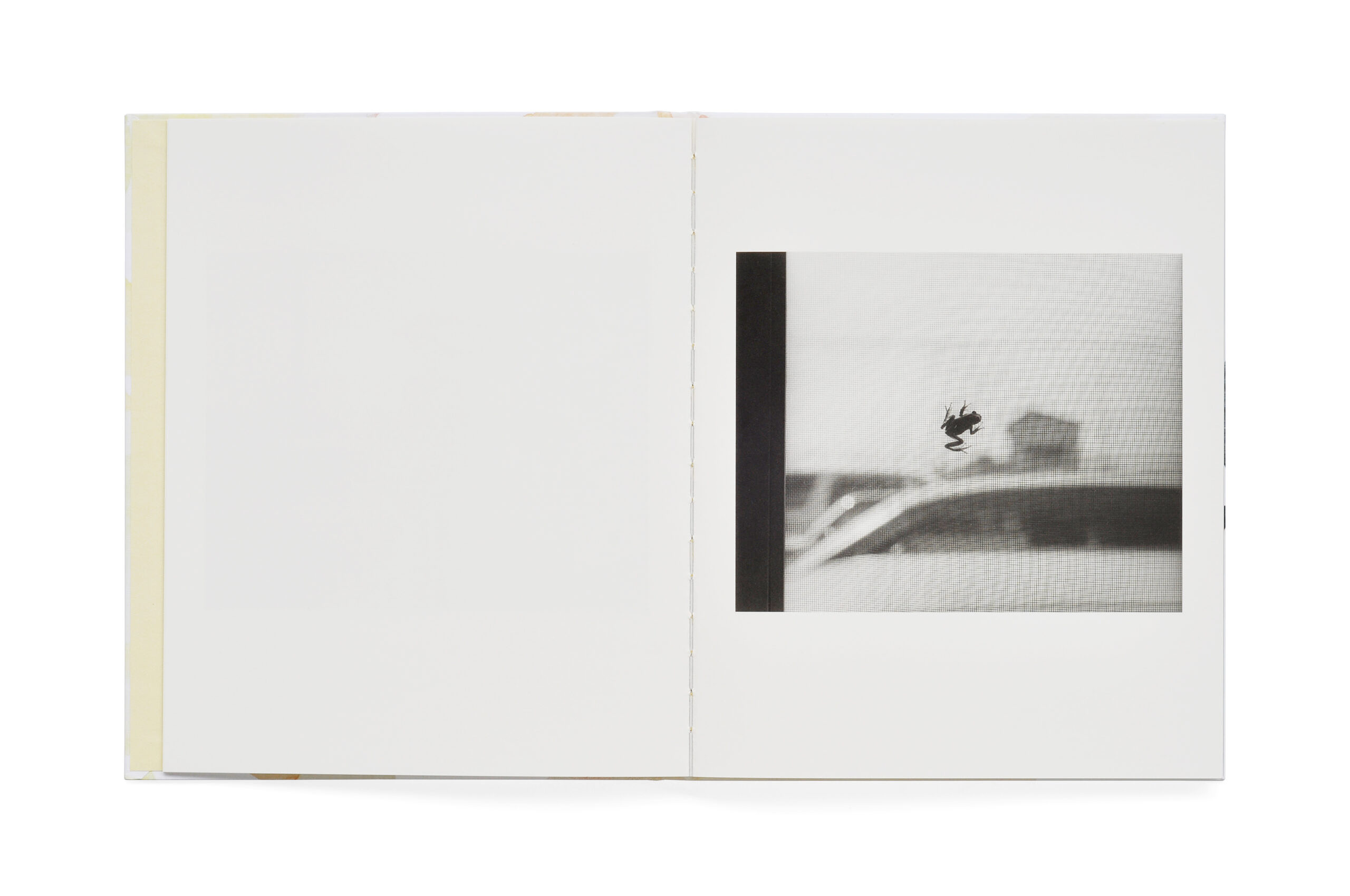
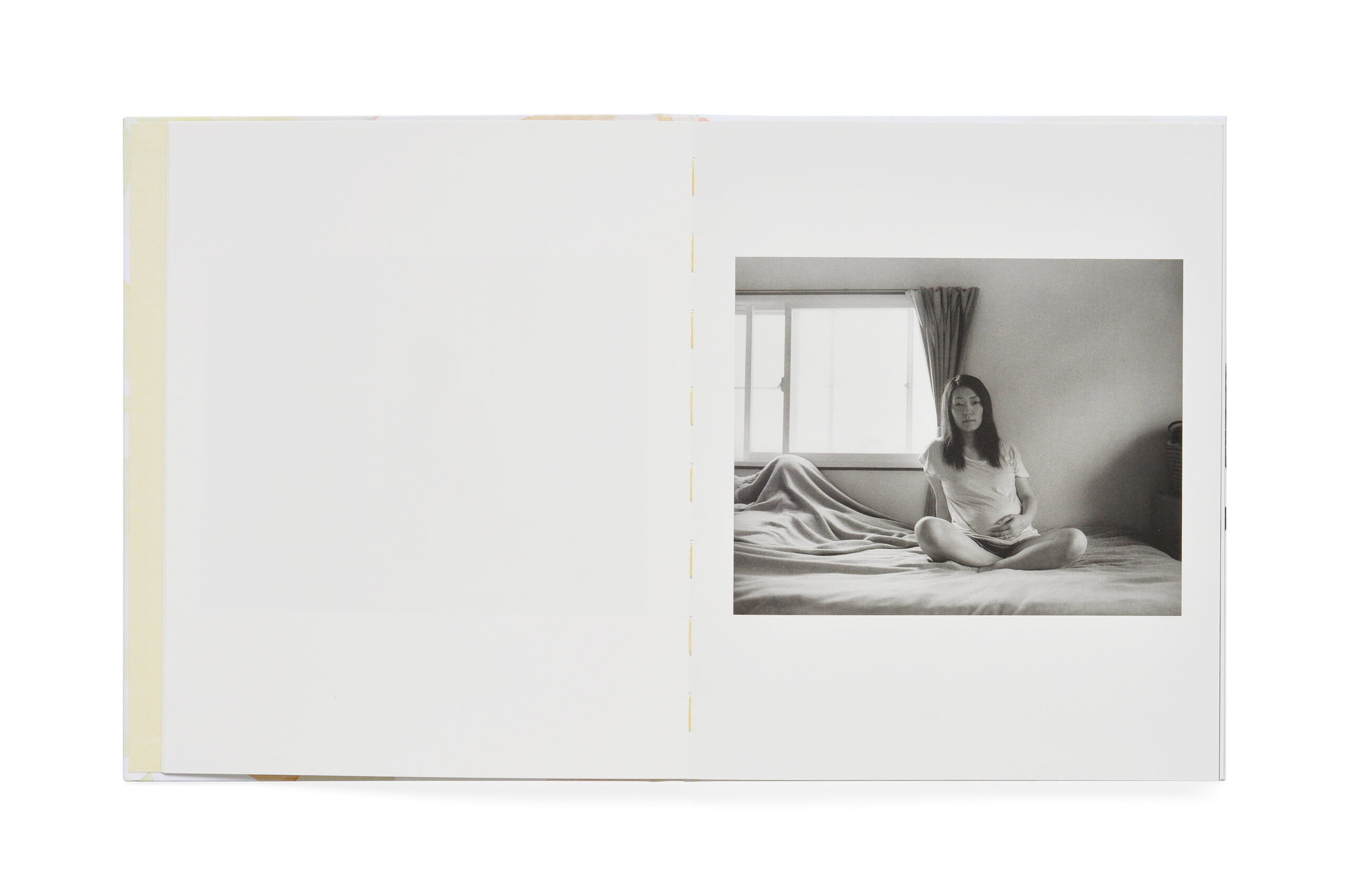
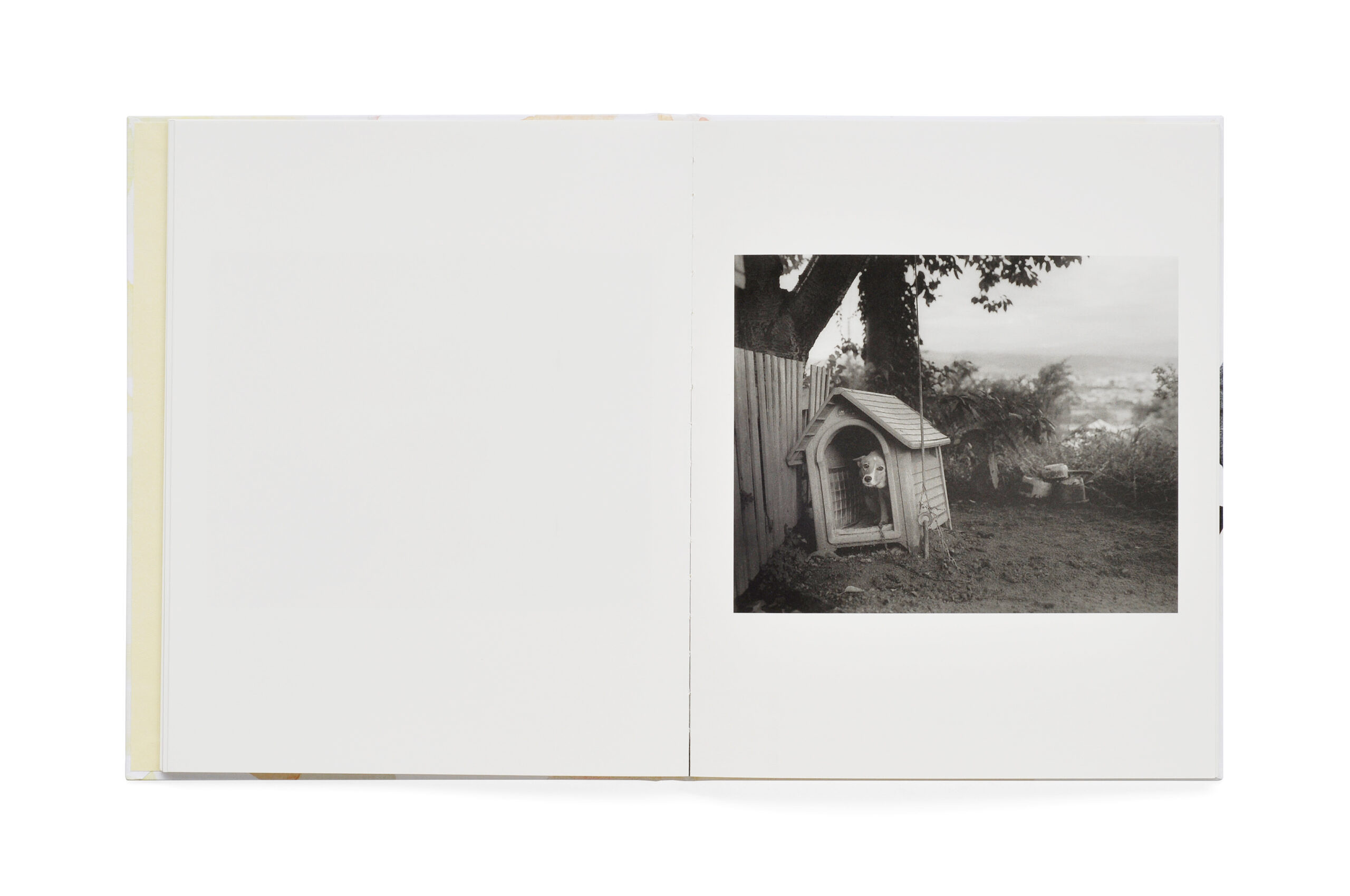
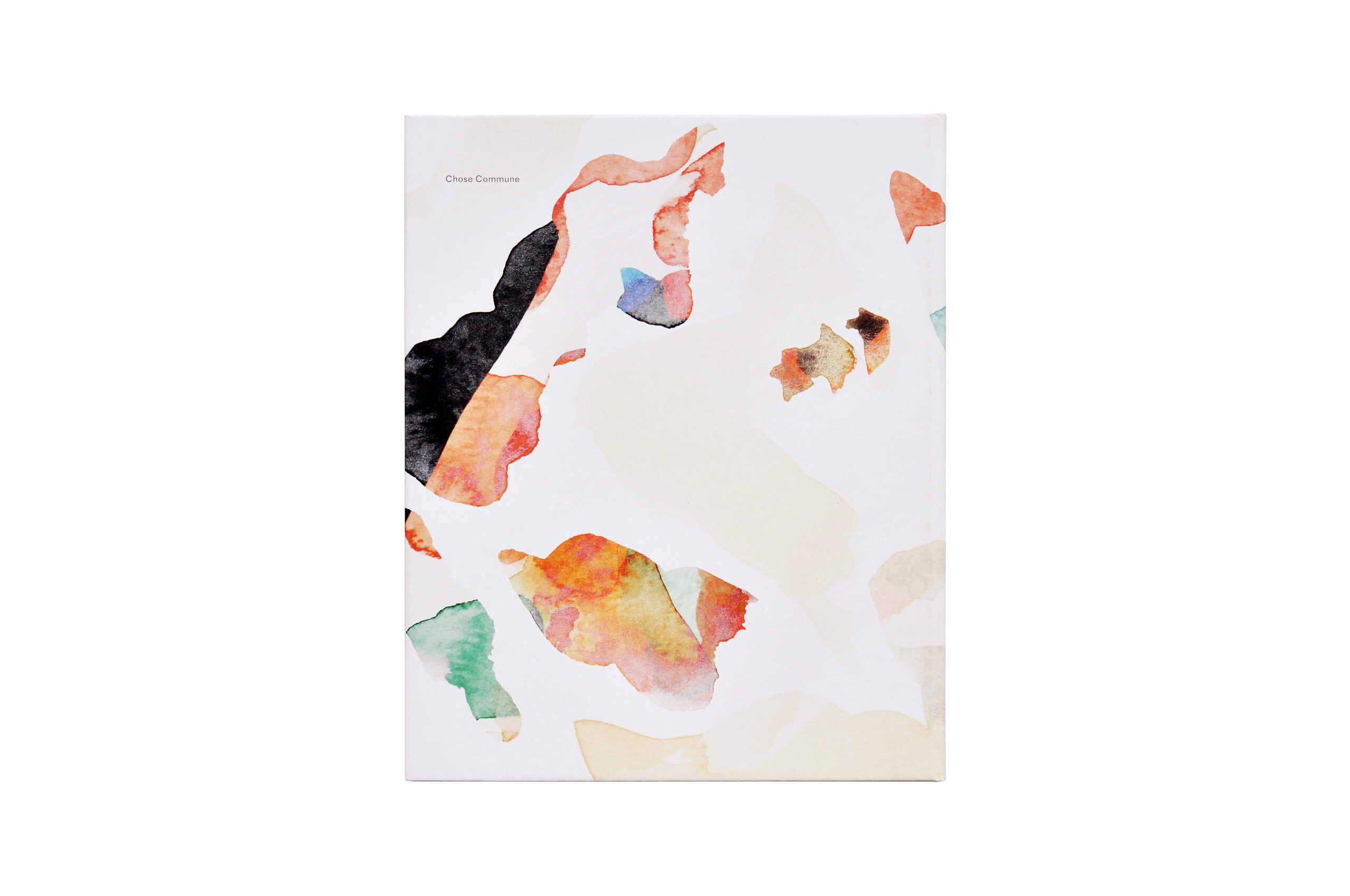
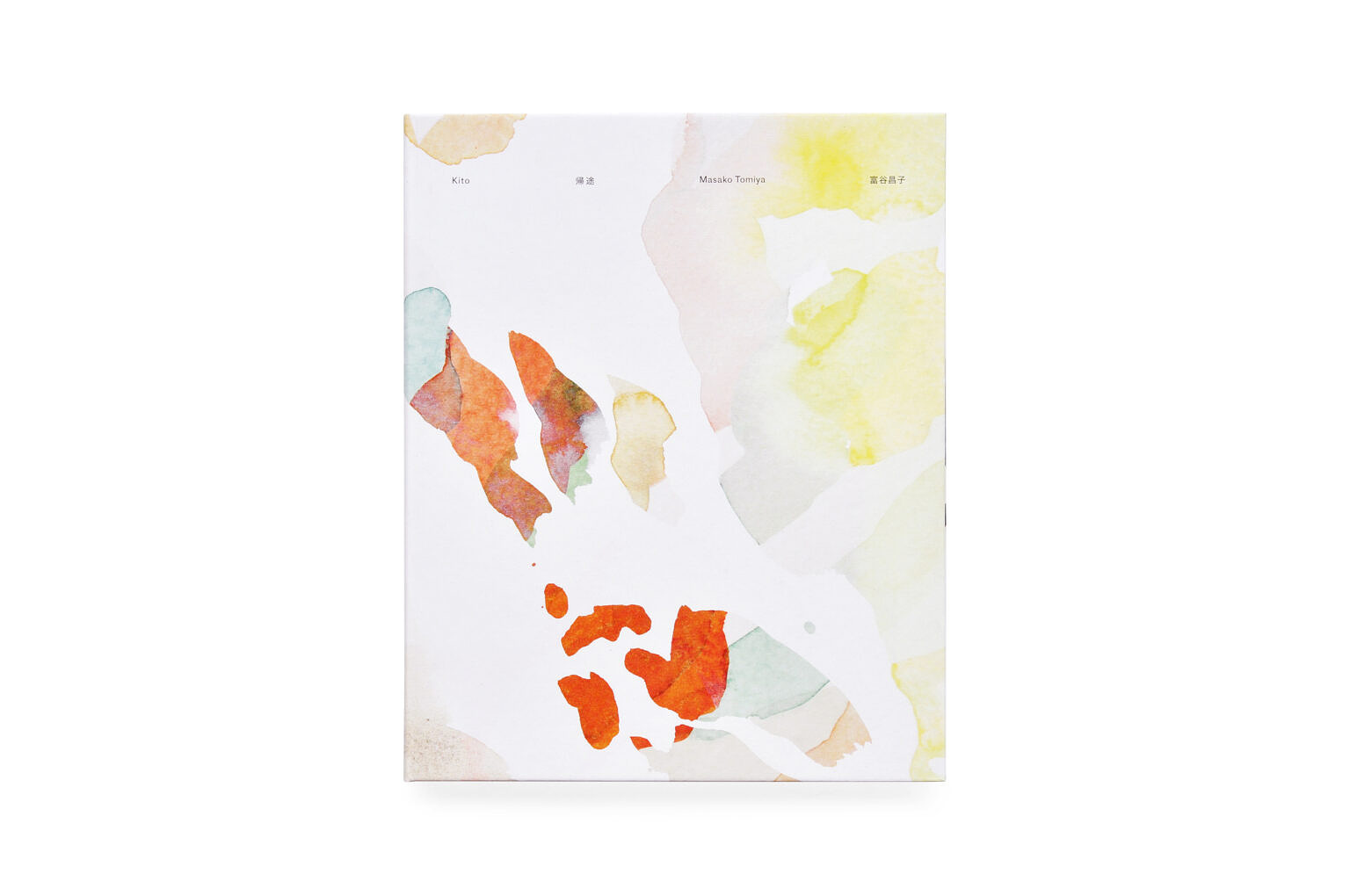
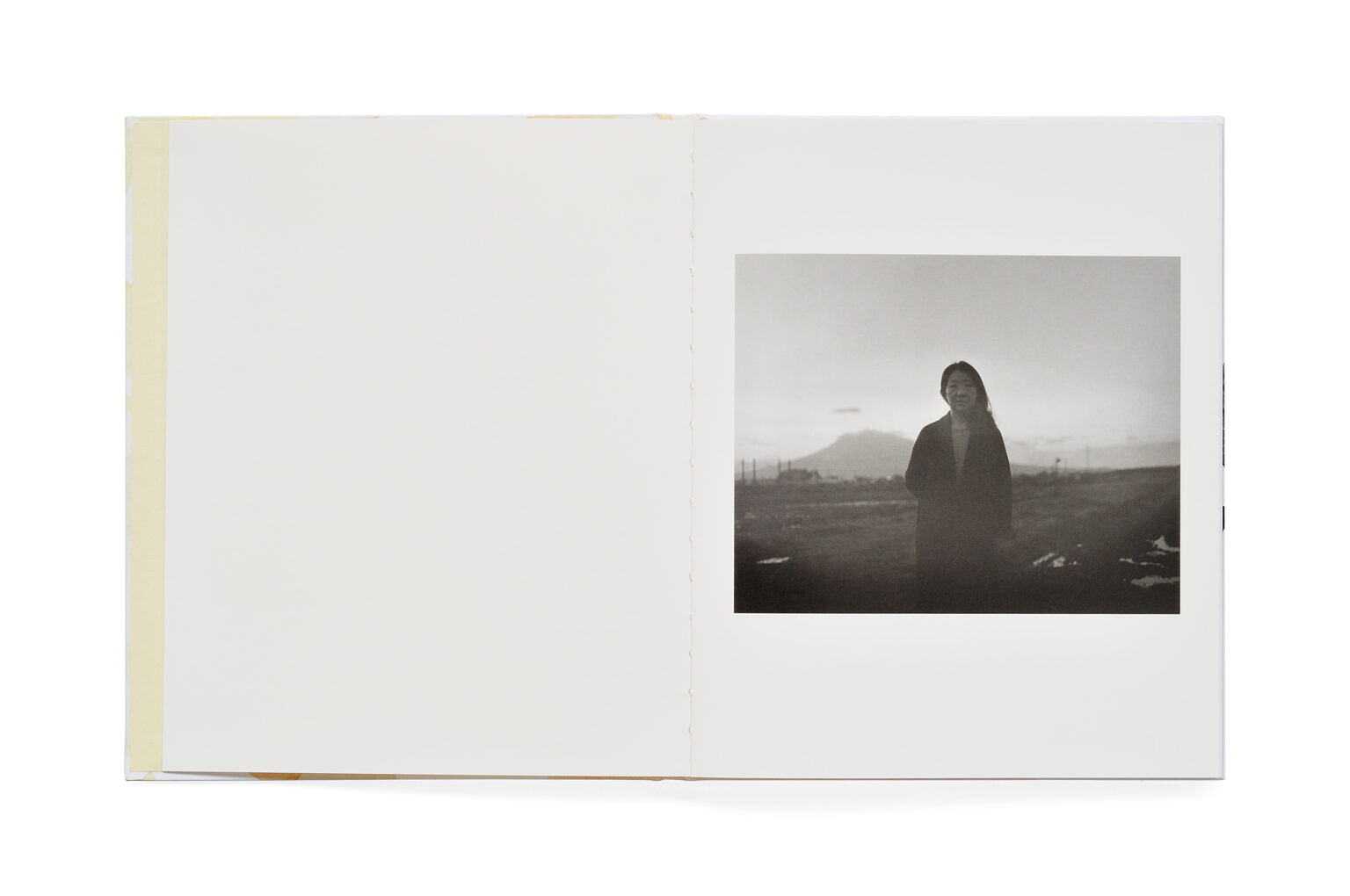
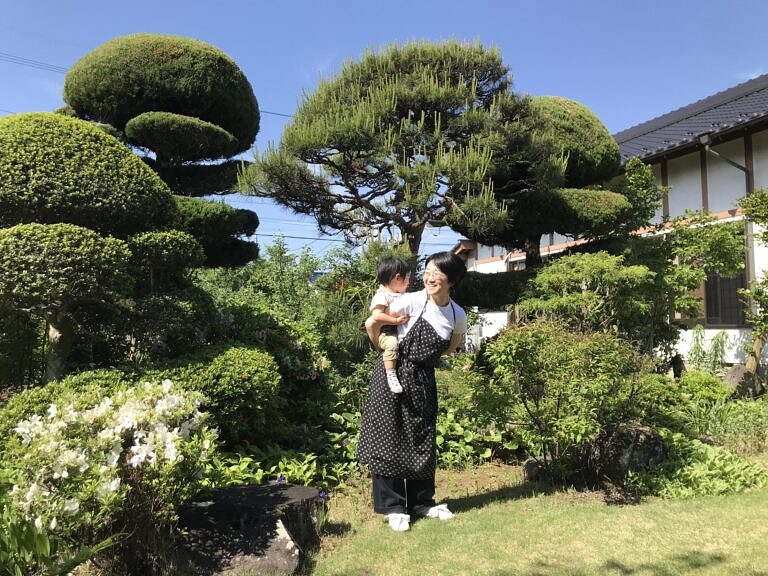
Masako Tomiya follows the passage of time through nature’s renewal and births, where the figure of the woman is omnipresent.
Masako Tomiya is a photographer originally from the region of Aomori, north Japan. She has lived in Tokyo for years, and one day, she received news that her sister and sister-in-law, who live near her hometown, were both pregnant. This news inspired Tomiya’s series Kito, a reflection on identity, family, transmission and the passing of time.
“Kito” means “homeward” in Japanese. Inverted, “toki” takes on a completely different meaning: “time”. In her poetic series, Tomiya plays with this dual sense. Her reflective photographic journey is undertaken with a subtle meditation on nature, and its seasonal transformation, alongside a representation of human life through women. Tomiya stages self-portraits and captures the daily lives of her mother, sisters and new-borns, to explore how her sense of home has altered with time.
I’ve lived my life asking myself
“What am I? What is this world?”
For a long time, I wandered without answers, and before I knew it I was older.
Had time flown by, or was it all a dream resembling a memory?
This story transcends time and meaning and self
by staring down the idea of “myself.”
Design: Bureau Kayser
Essay: Masako Tomiya
Cover artwork: Satsuki Shibuya
80 pages
38 plates
22 x 27 cm
Hardcover, swiss binding
French / English / Japanese
Publication date: 30 June 2017
ISBN: 979-10-96383-02-3
 Free shipping to France on orders over 50€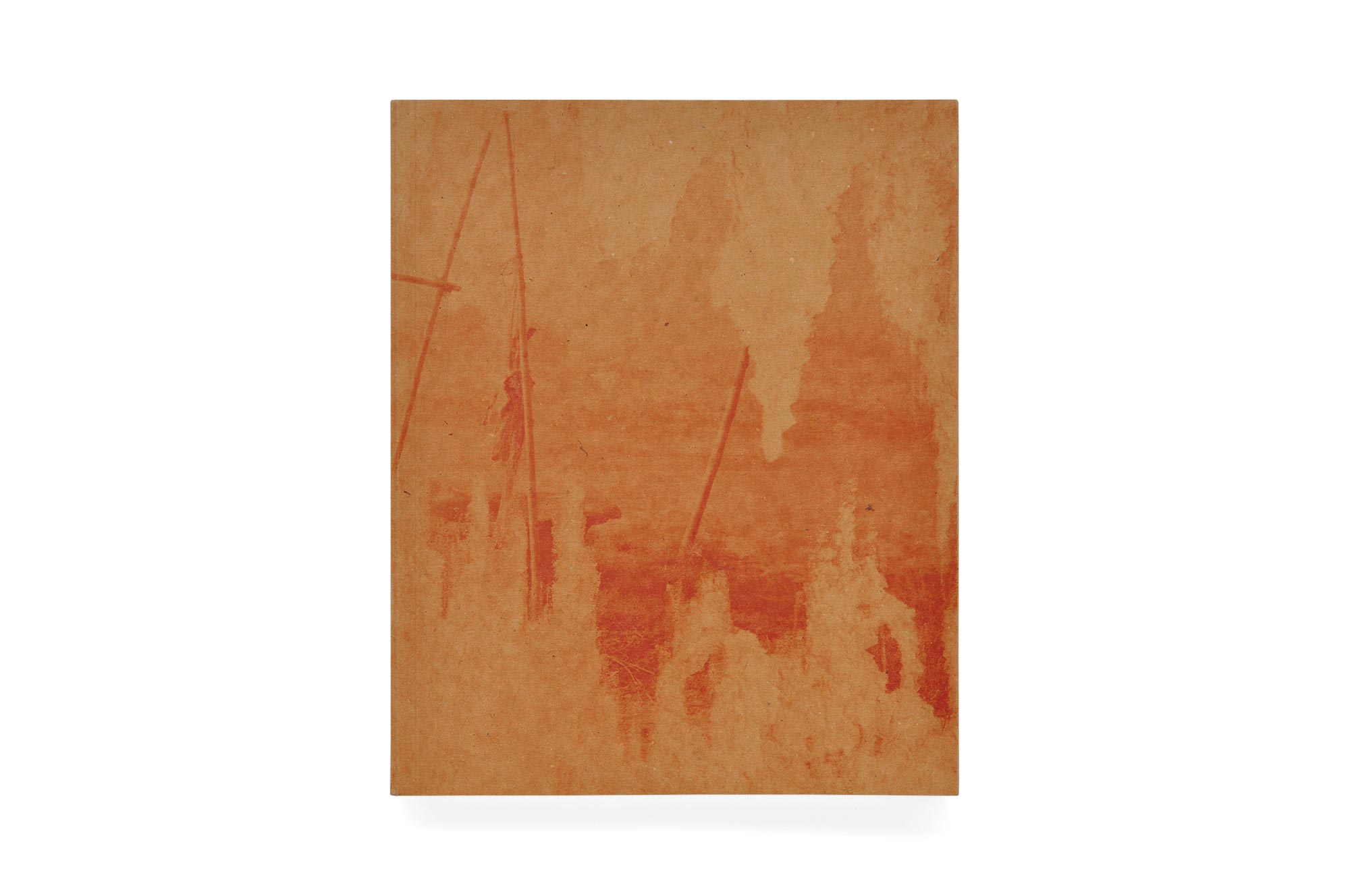

Vasantha Yogananthan
Exile
out of stock
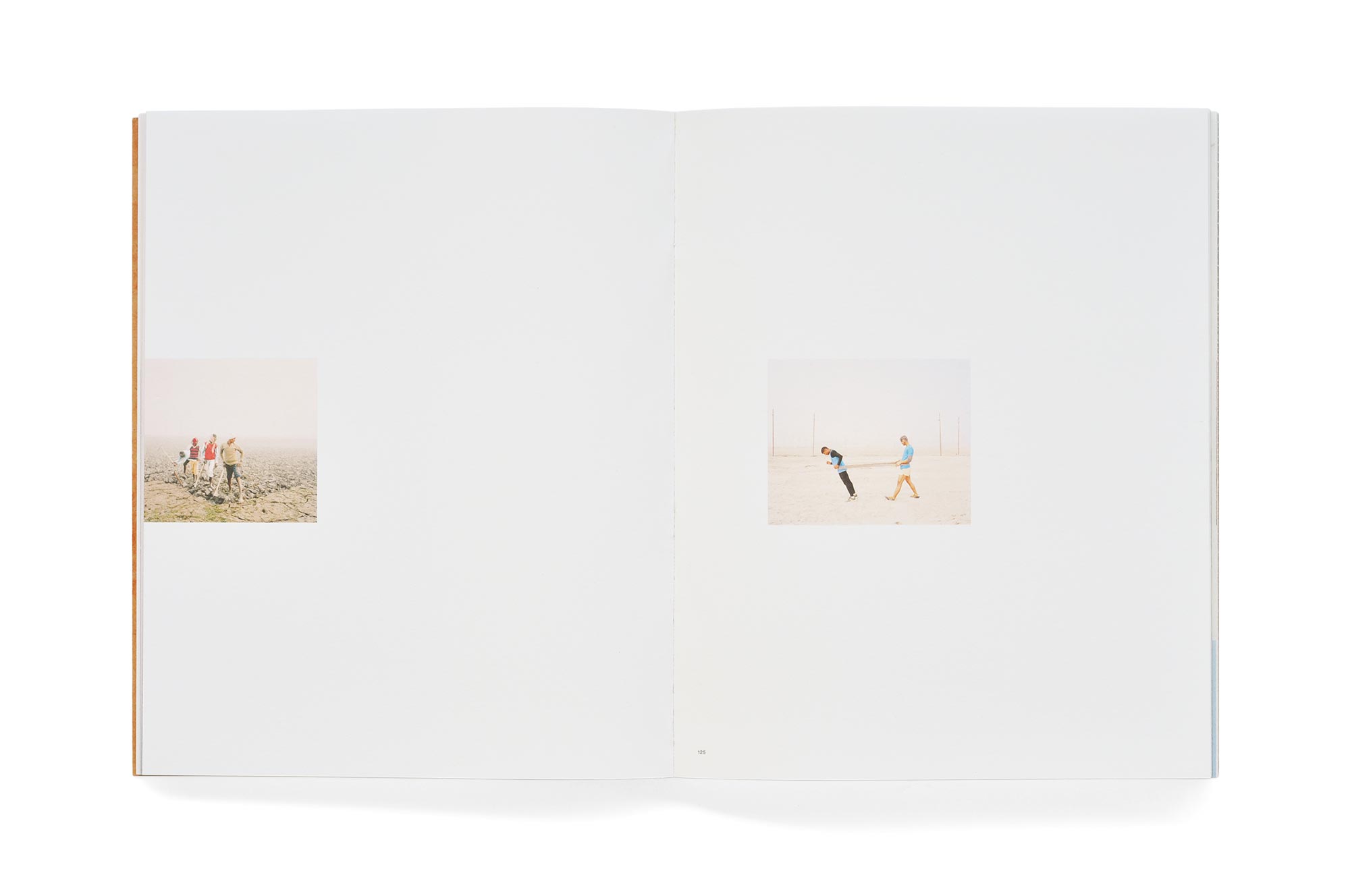
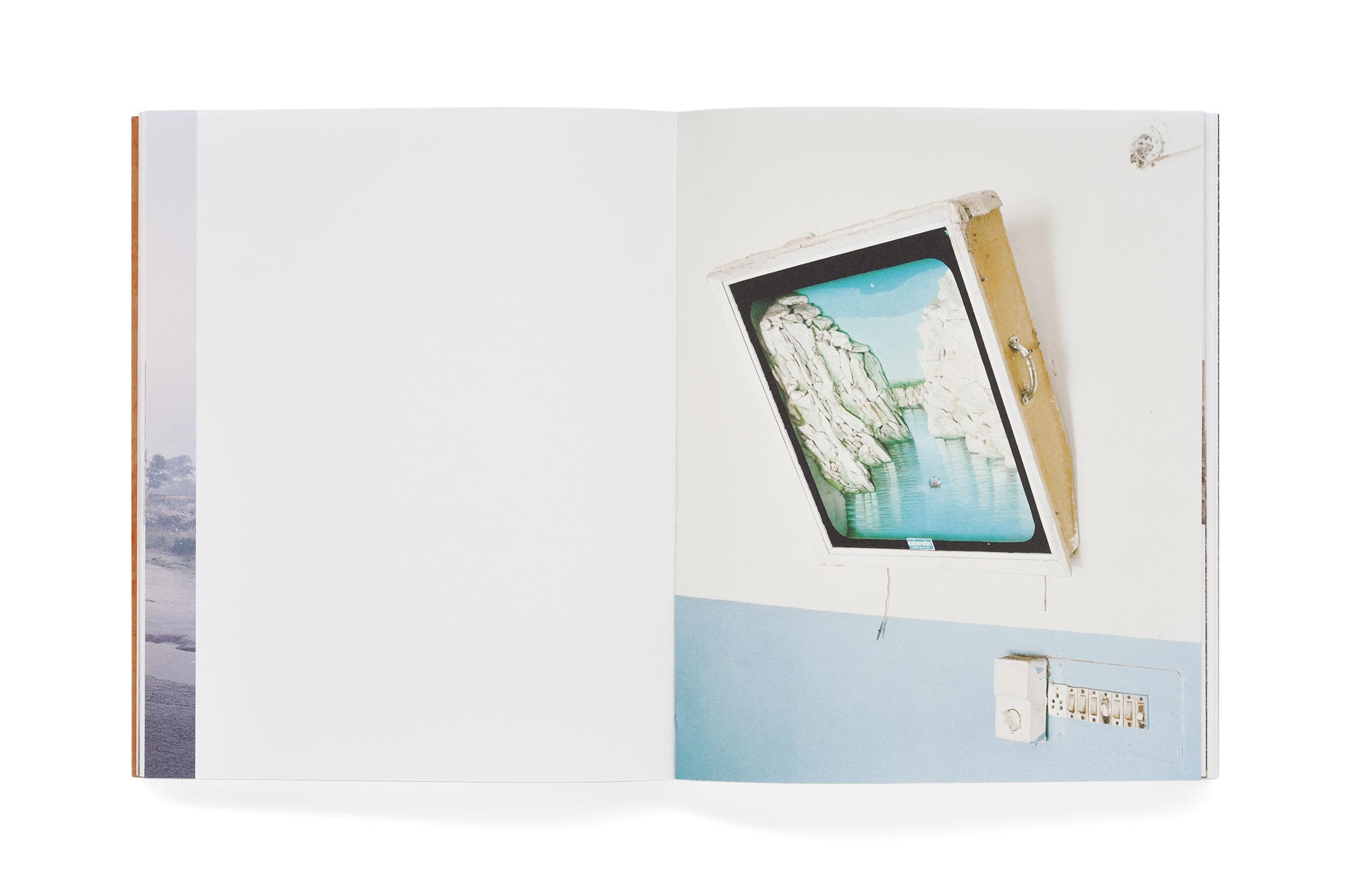
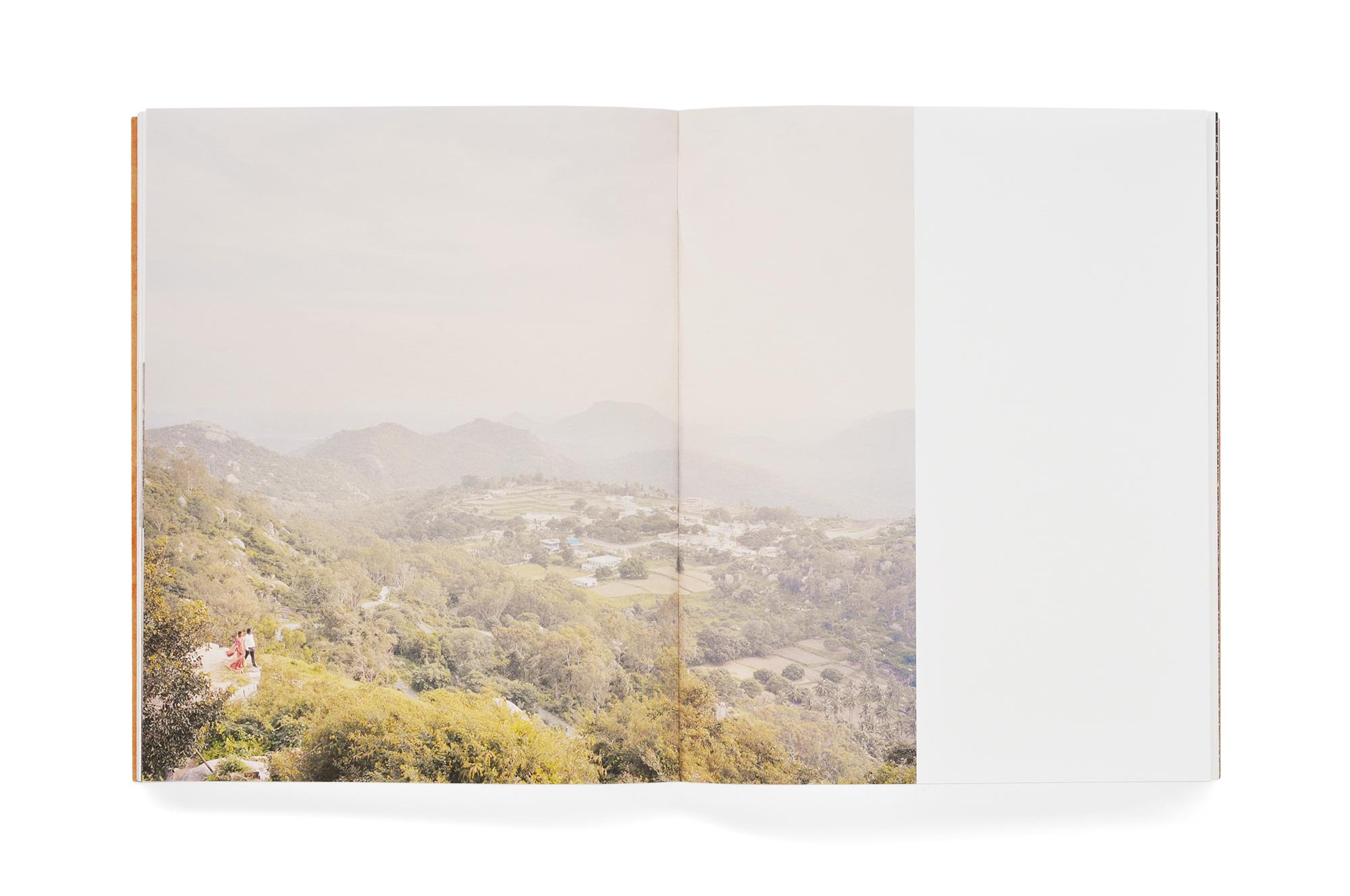
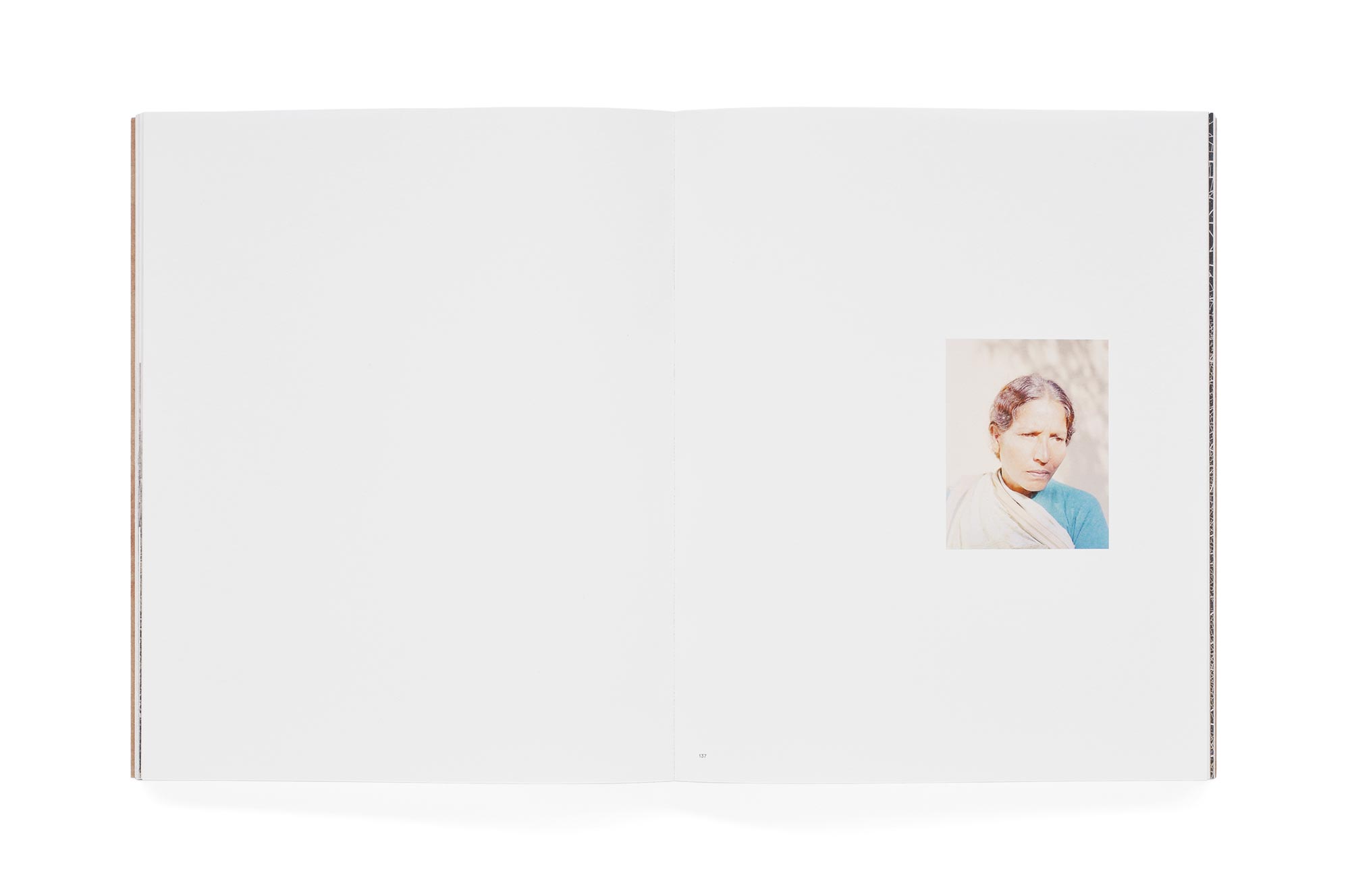
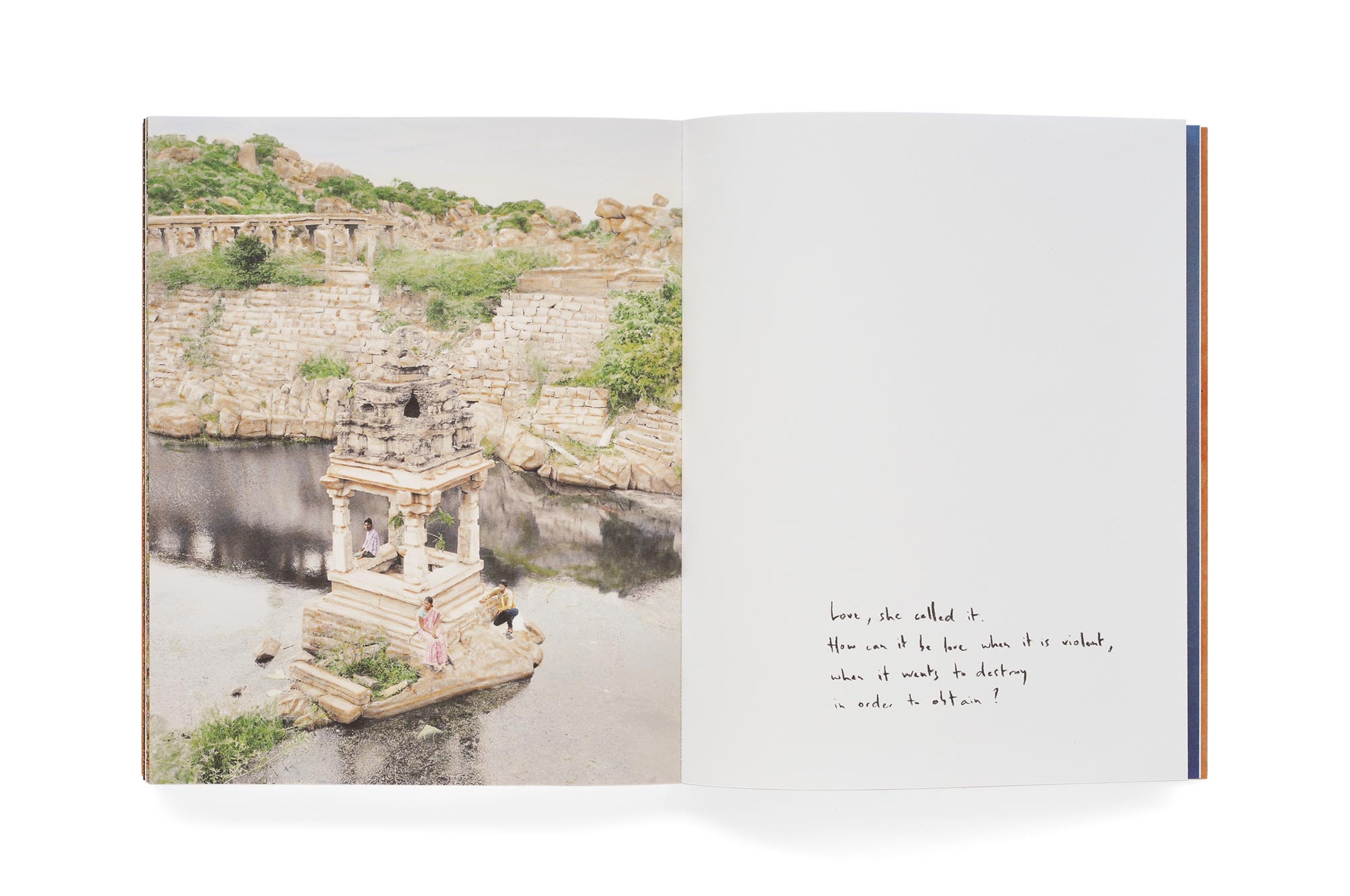
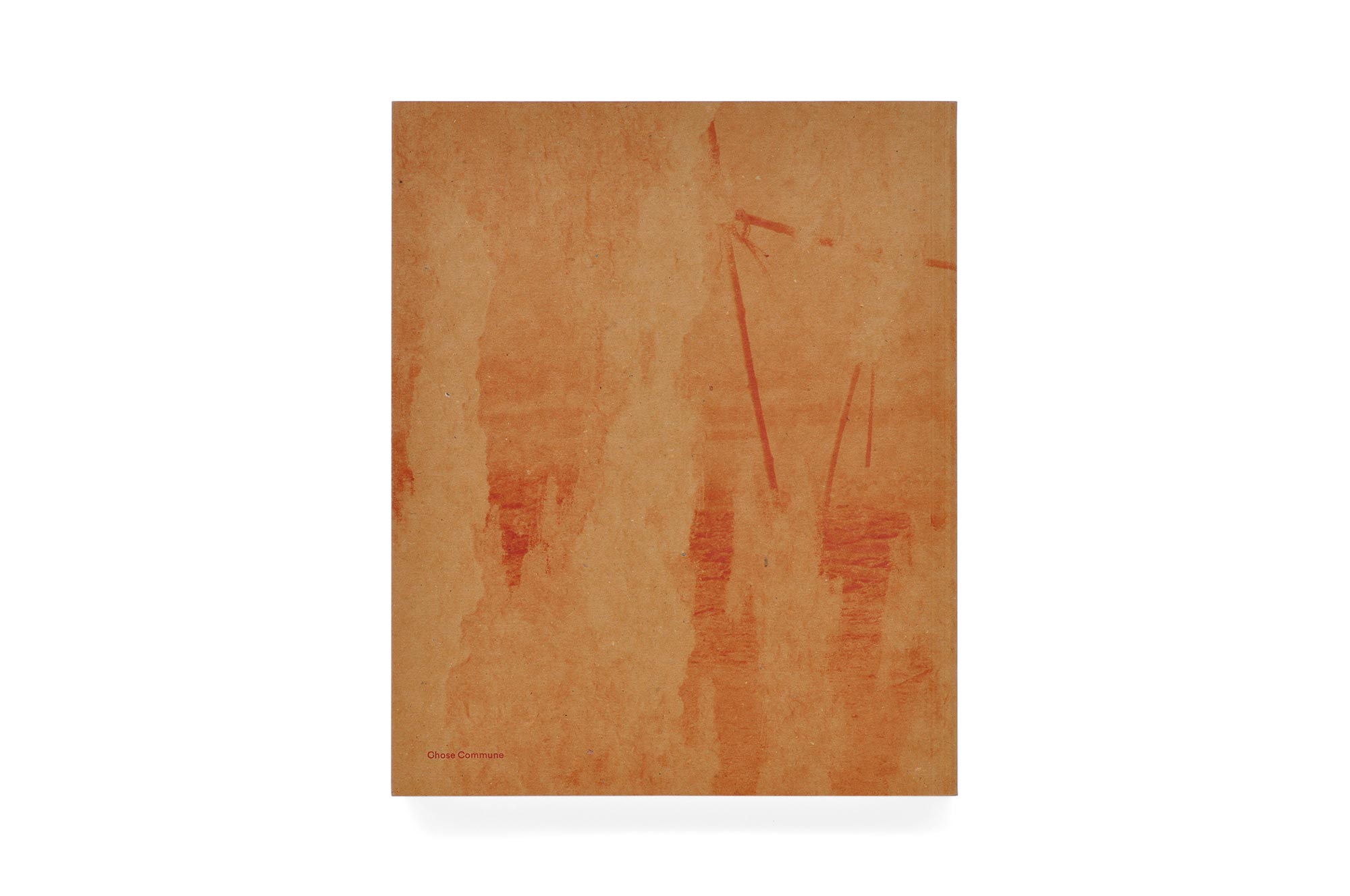
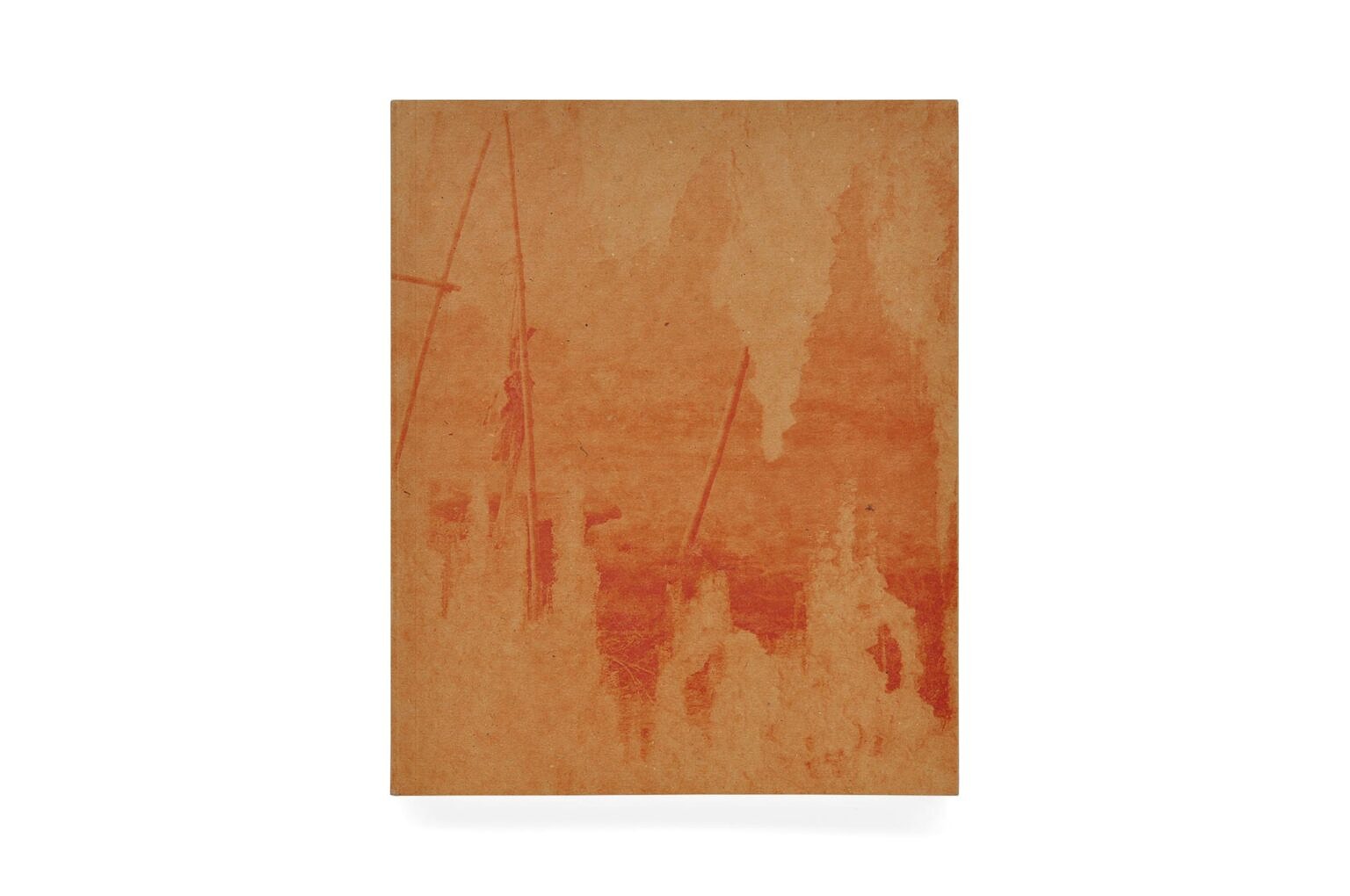
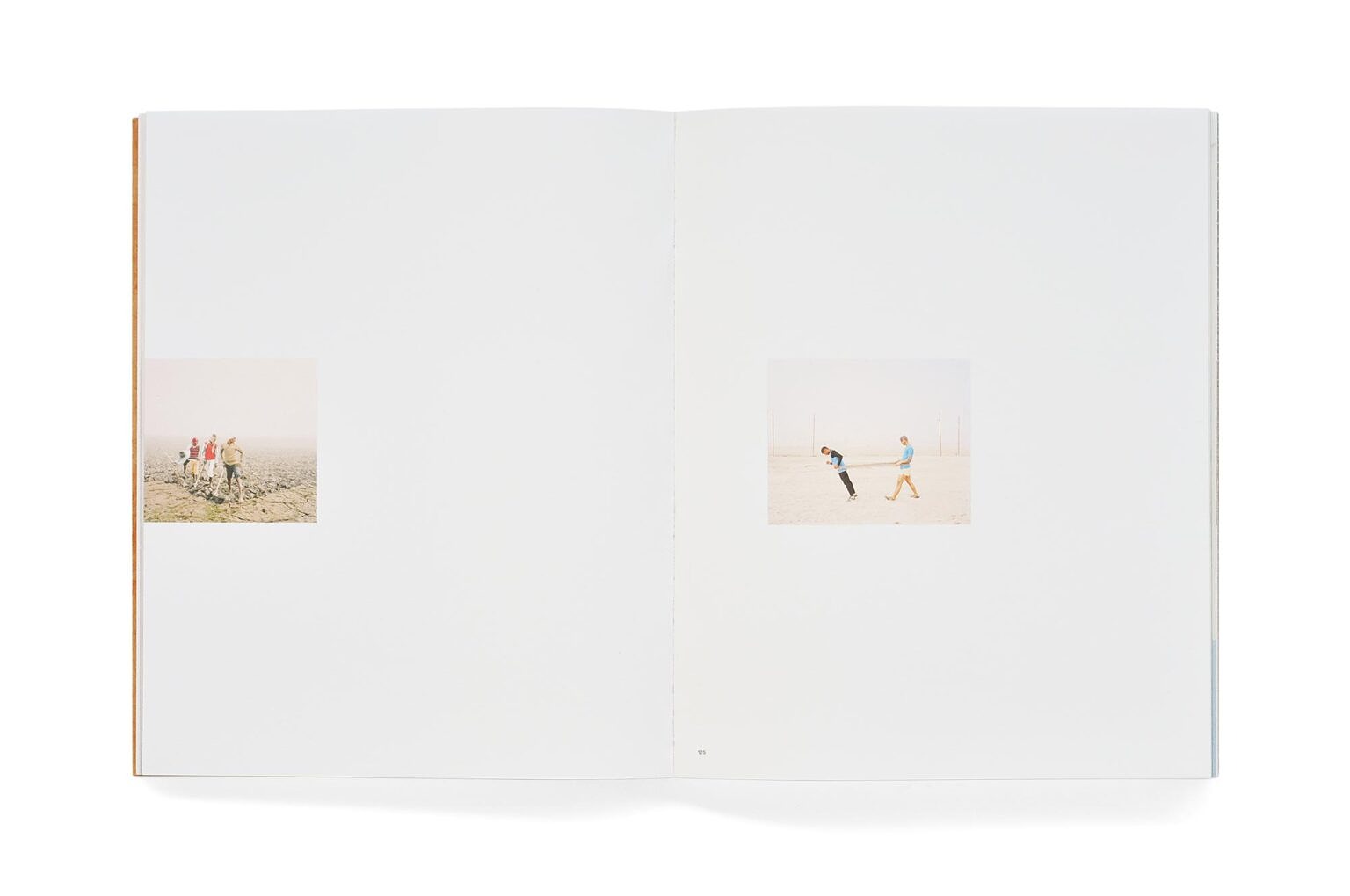
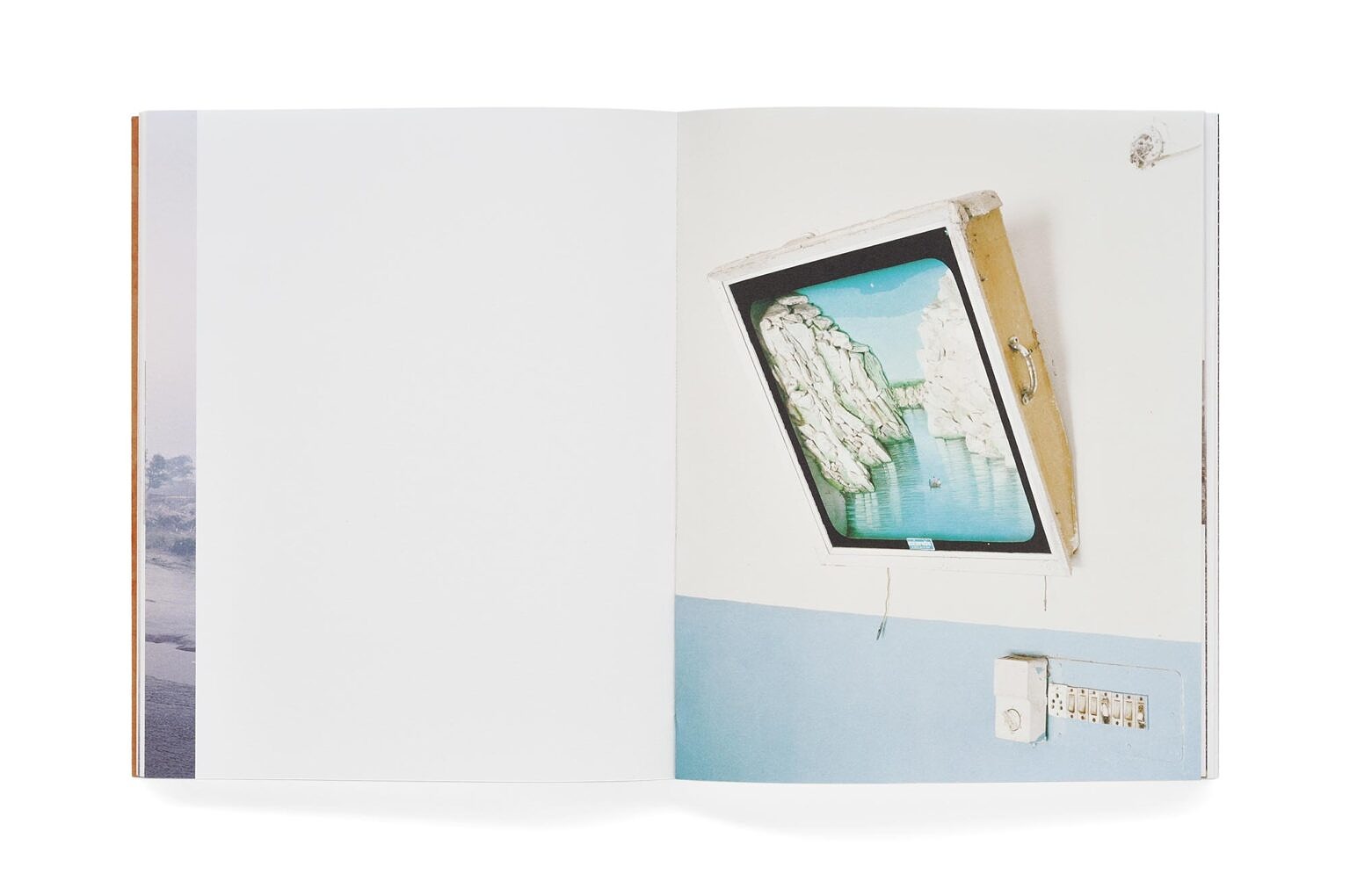
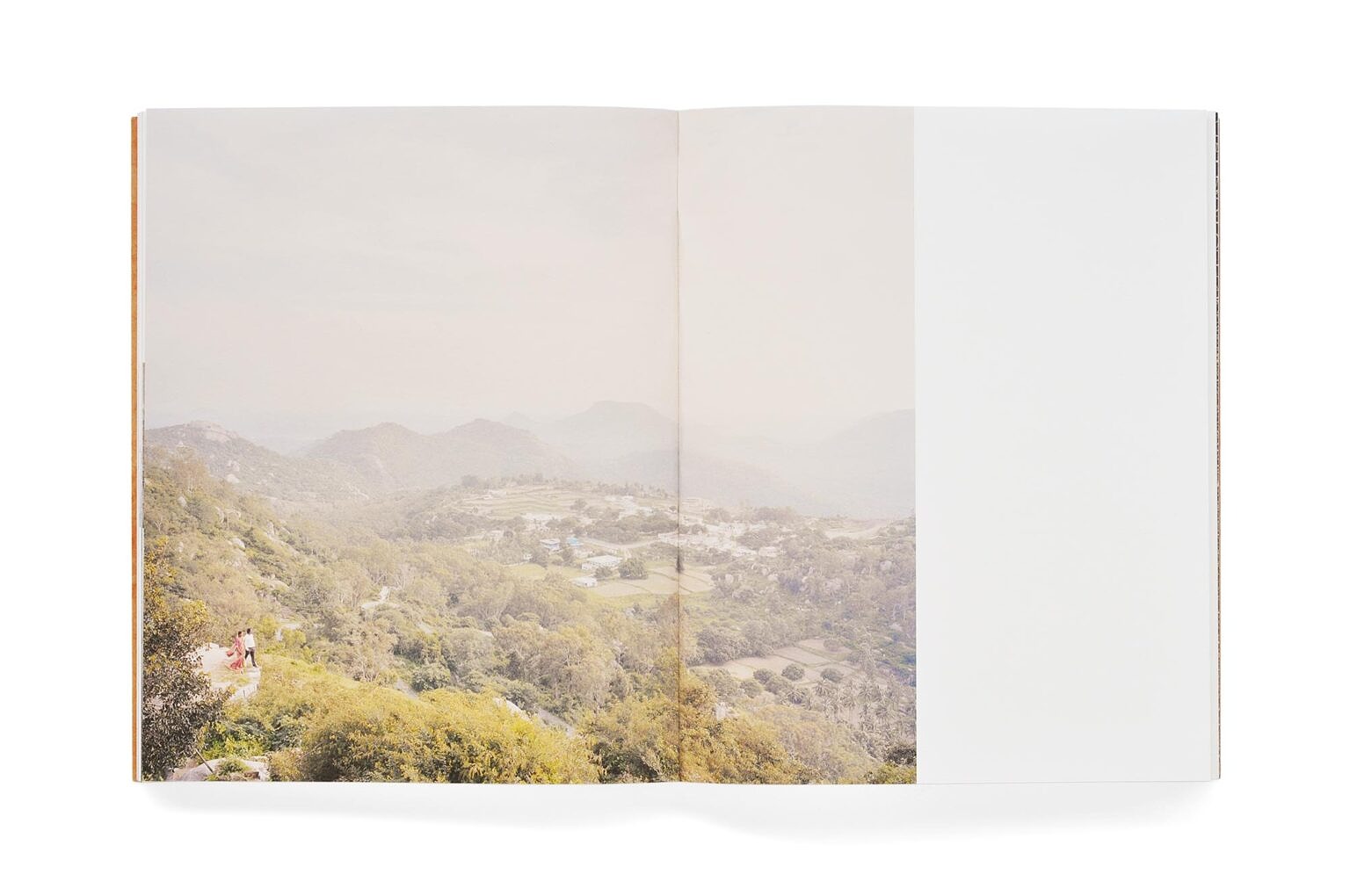
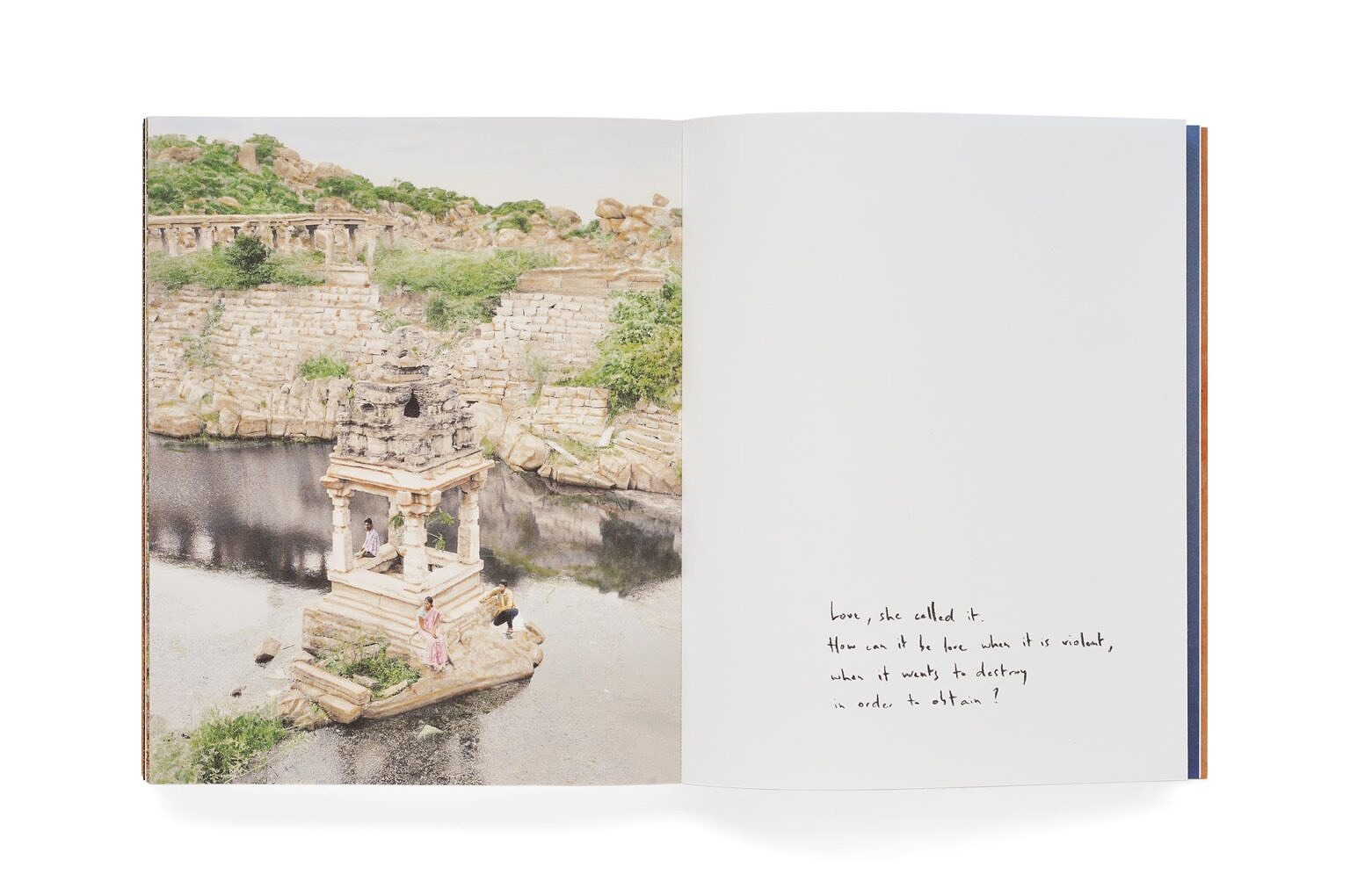
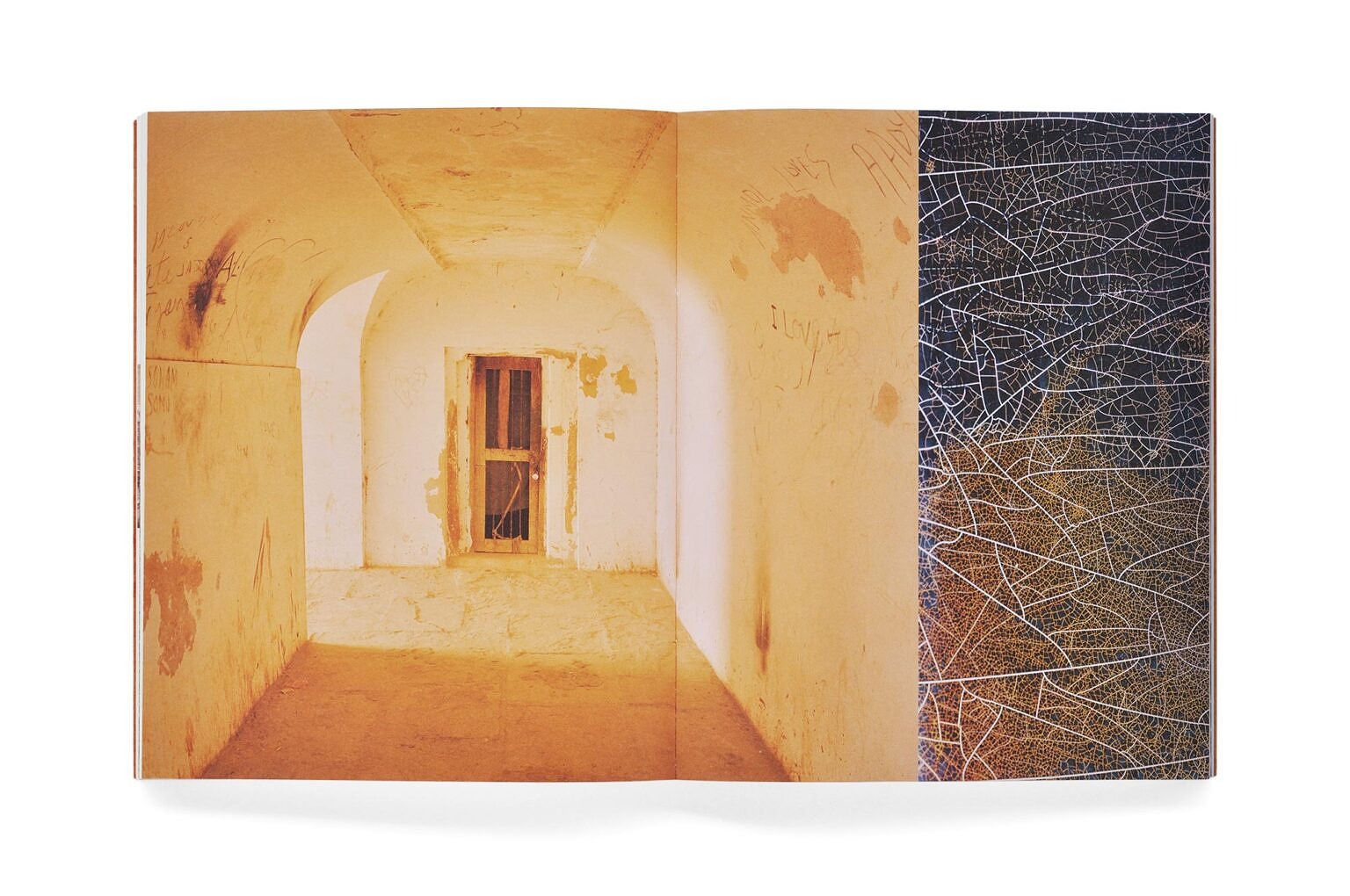
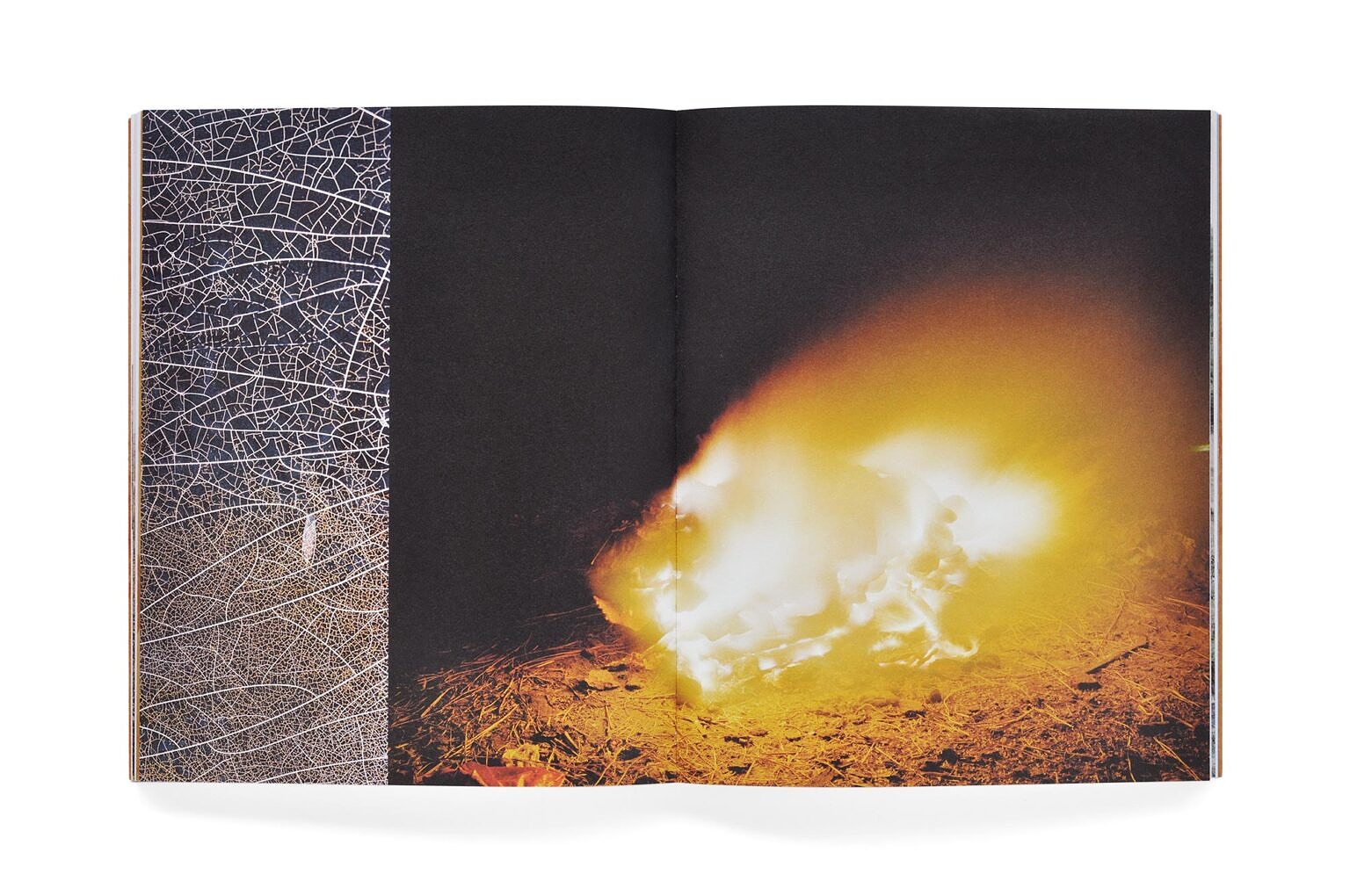
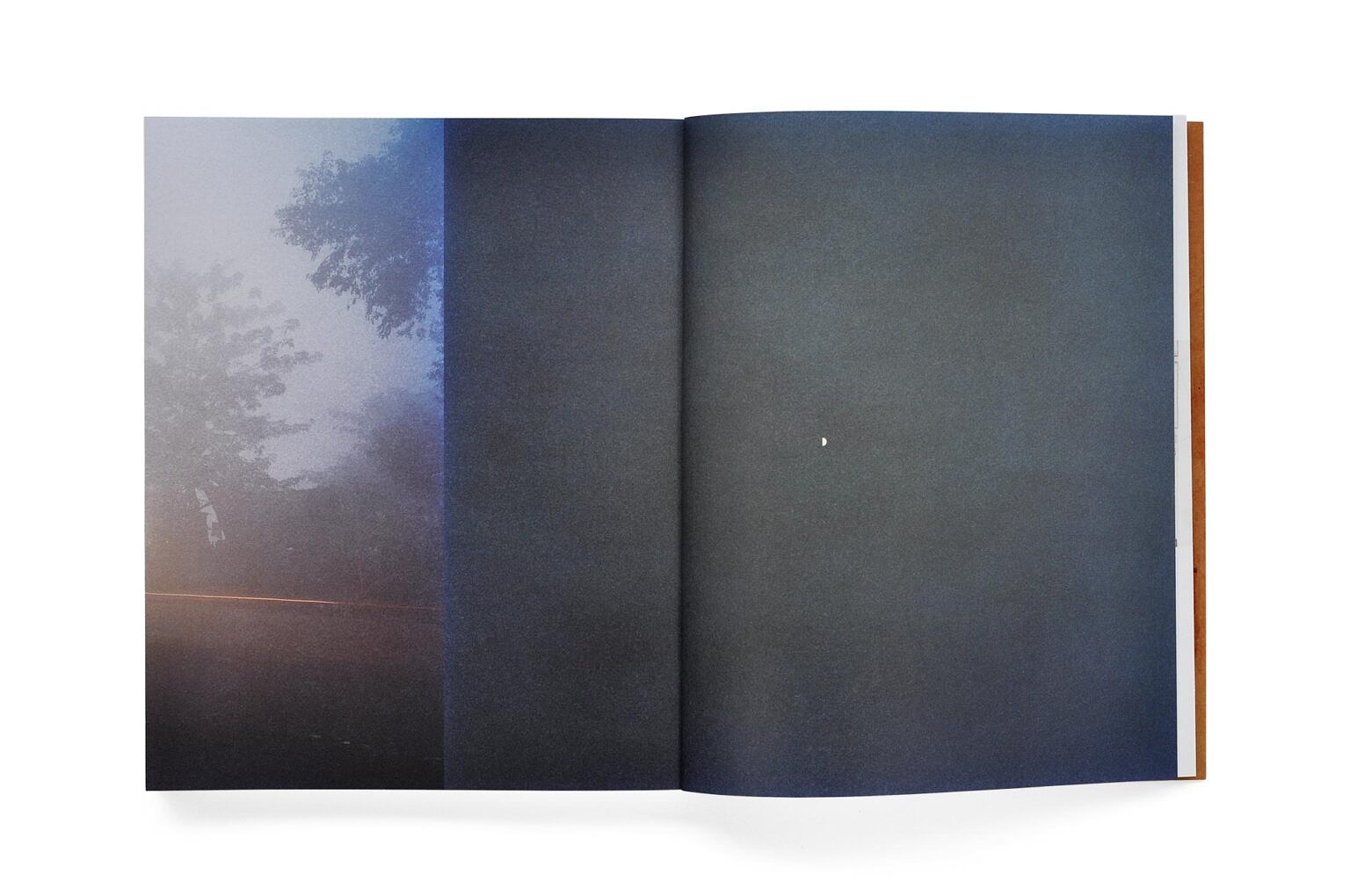
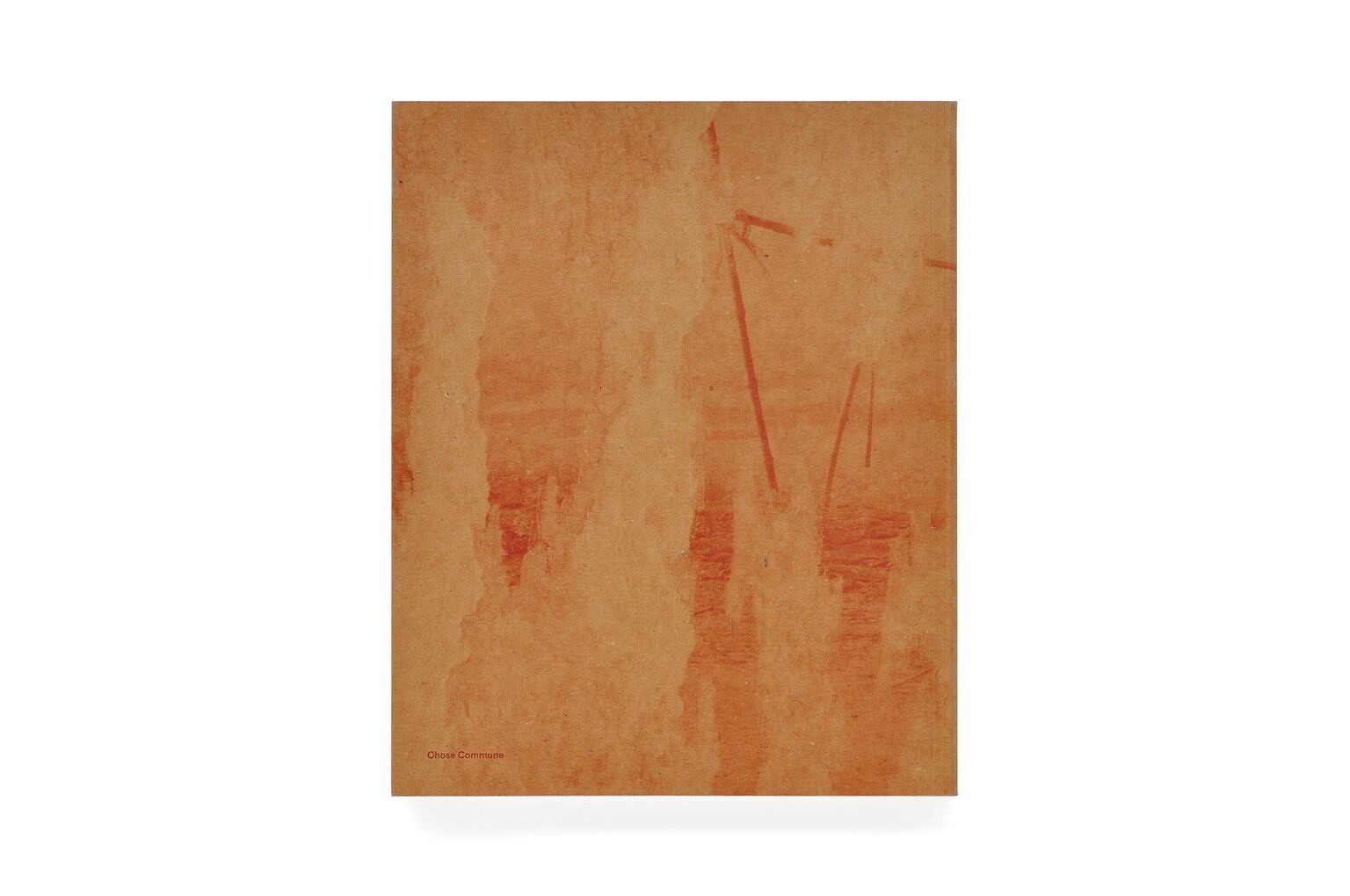
In this third chapter of his project A Myth of Two Souls, Vasantha Yogananthan tells the story of the two heroes’ exile.
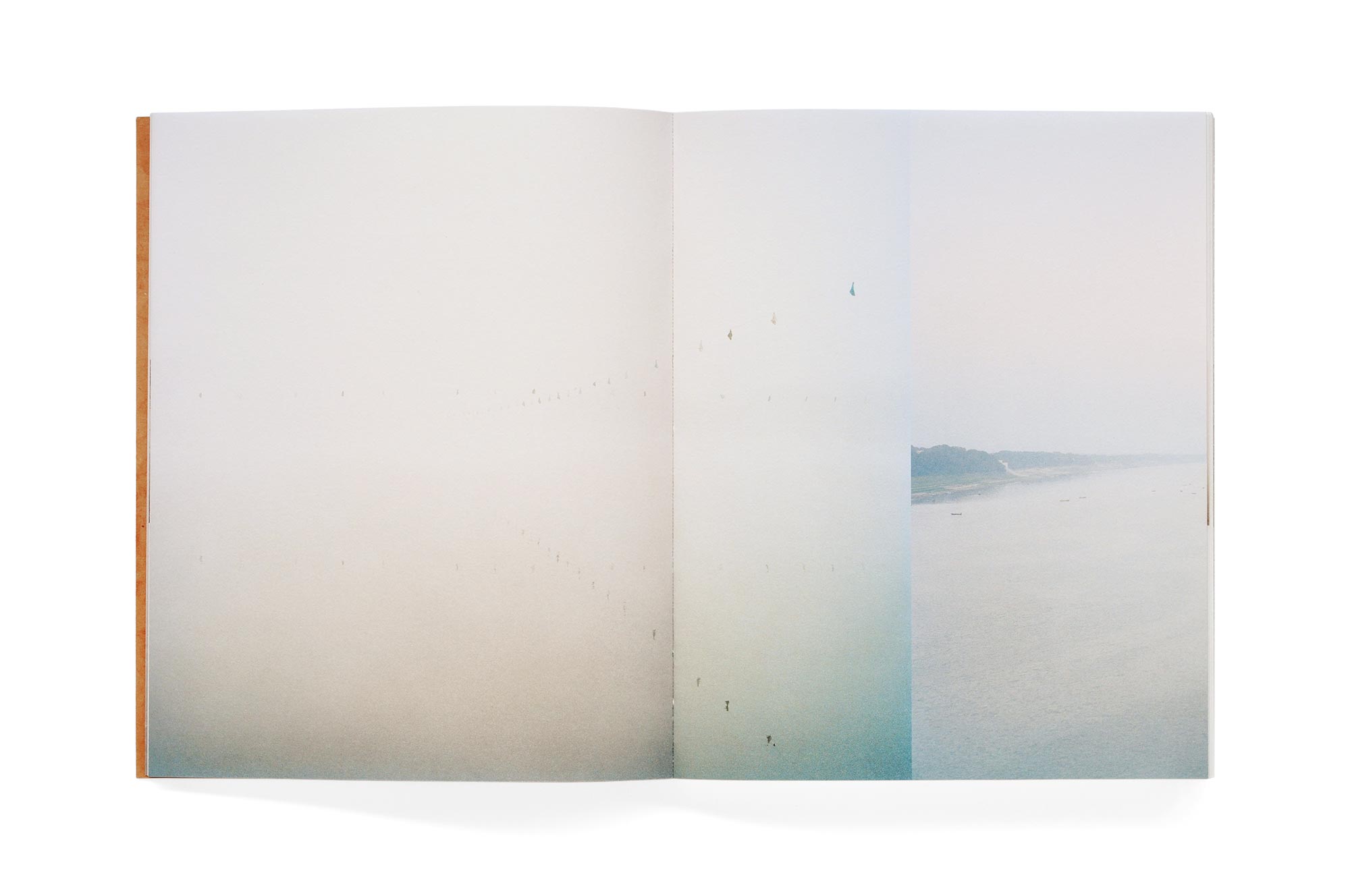
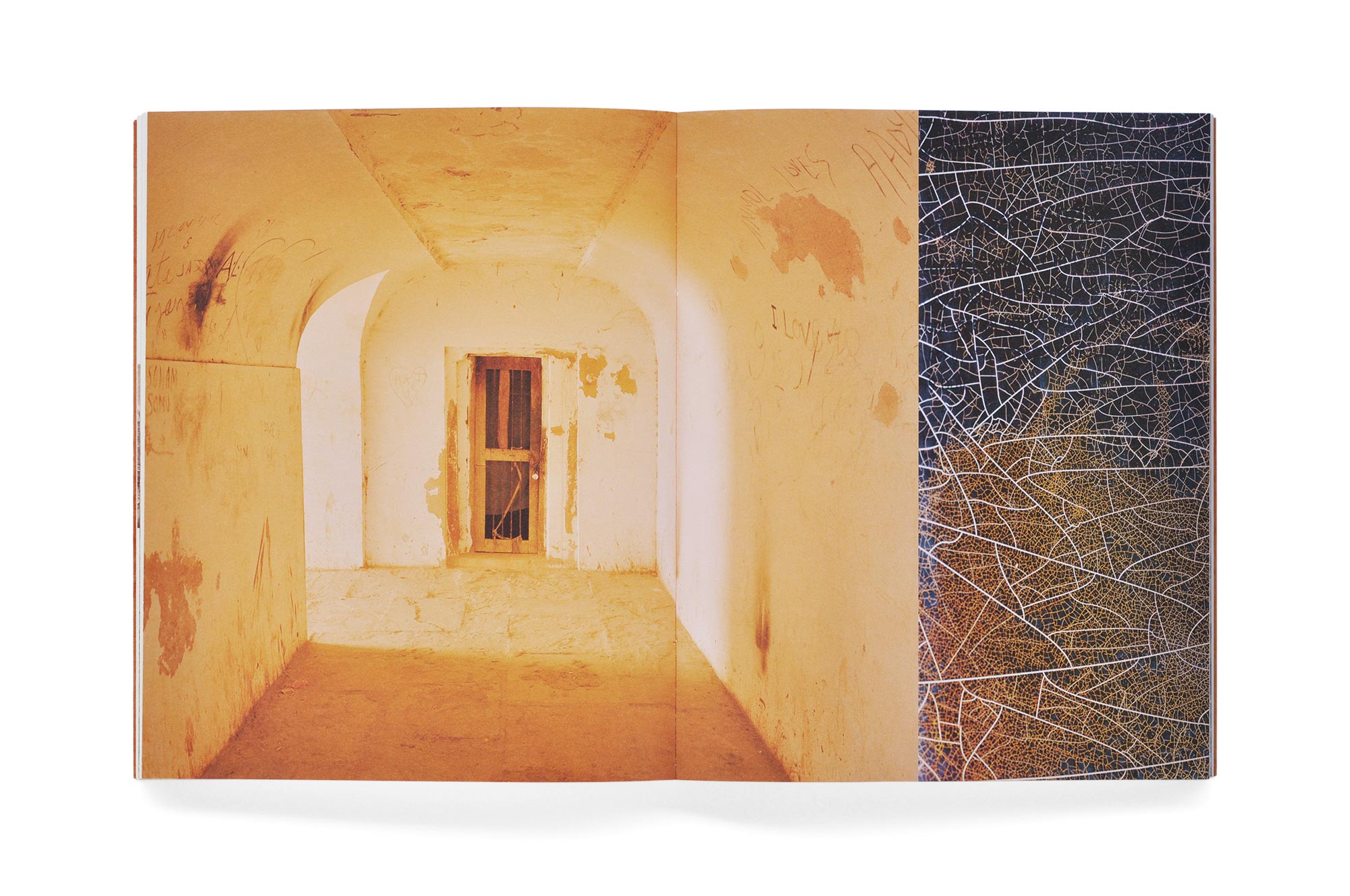
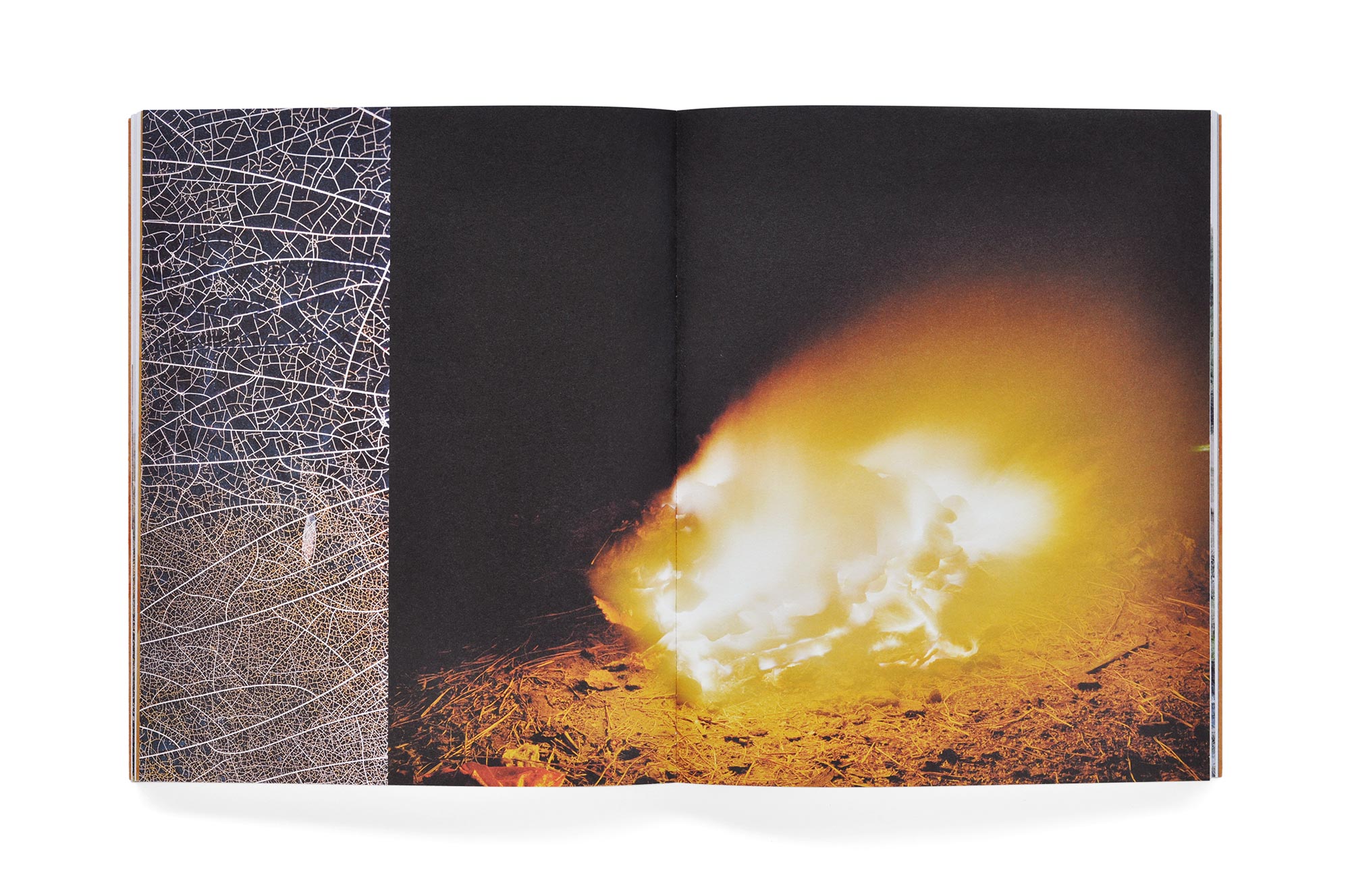
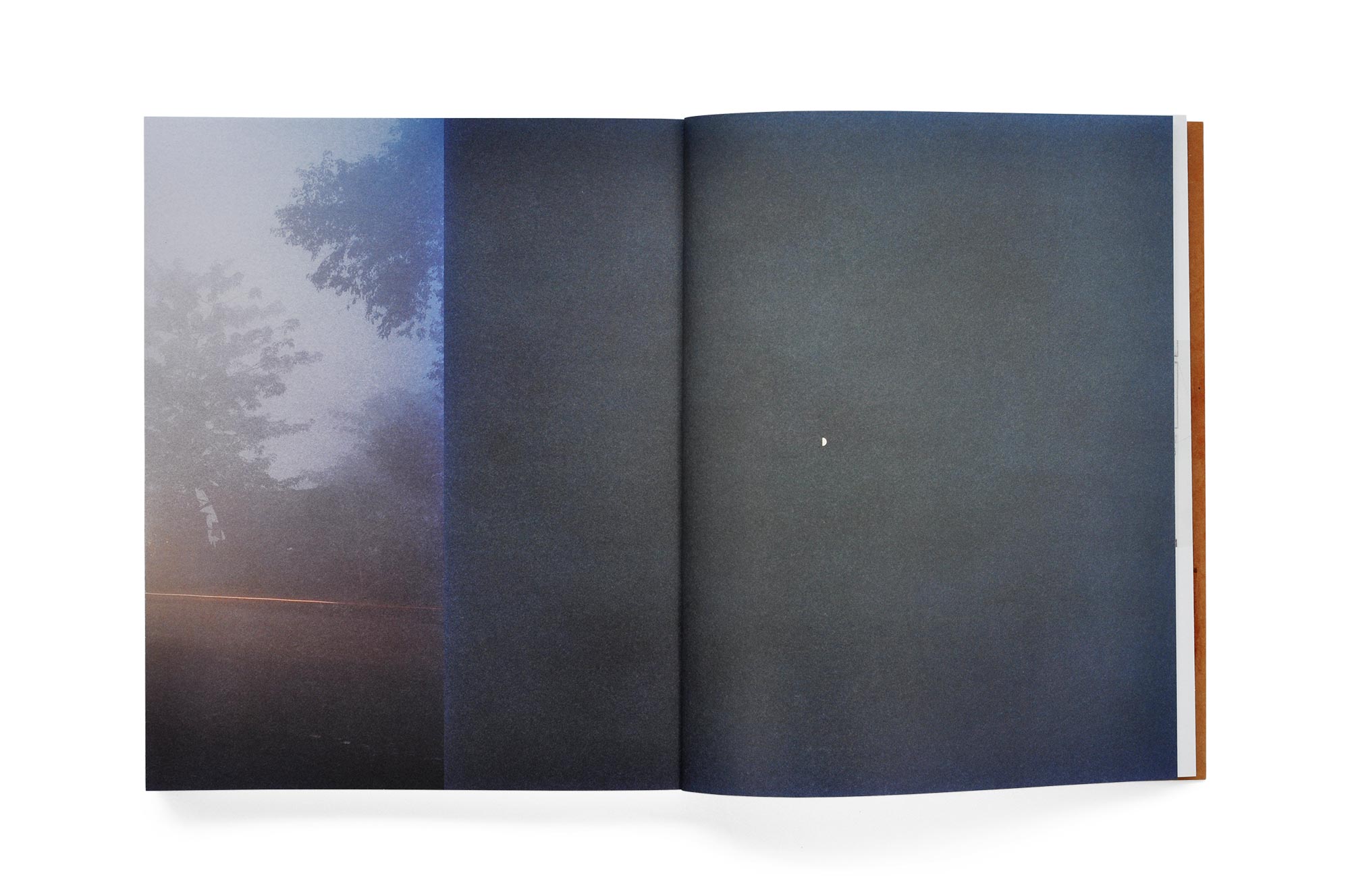
“Exile” is the third chapter of Vasantha Yogananthan’s long-term project A Myth of Two Souls, which offers a contemporary retelling of The Ramayana. A seven-chapter tale first recorded by the Sanskrit poet Valmiki around 300 BC, The Ramayana is one of the founding epics of Hindu mythology.
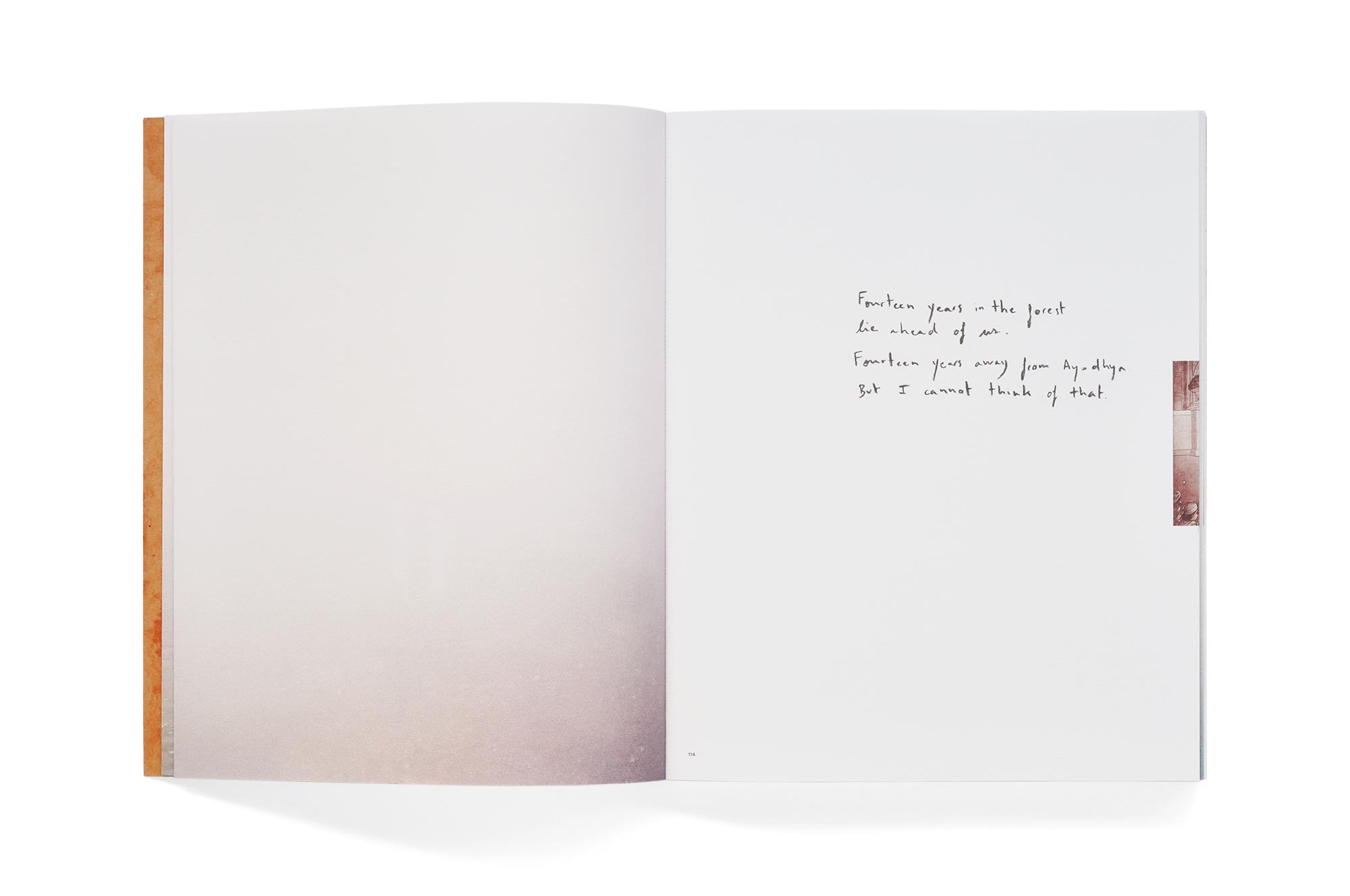
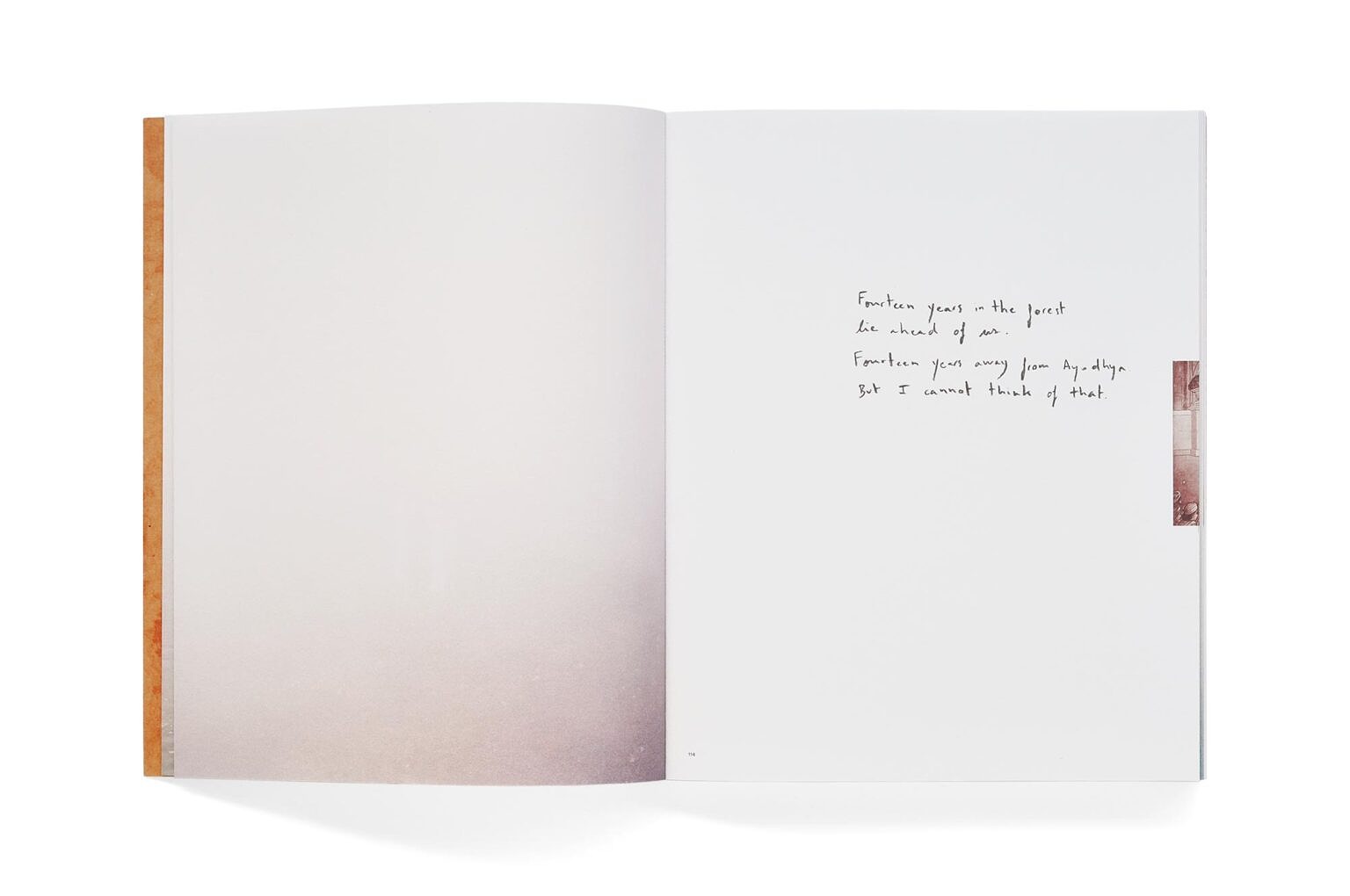
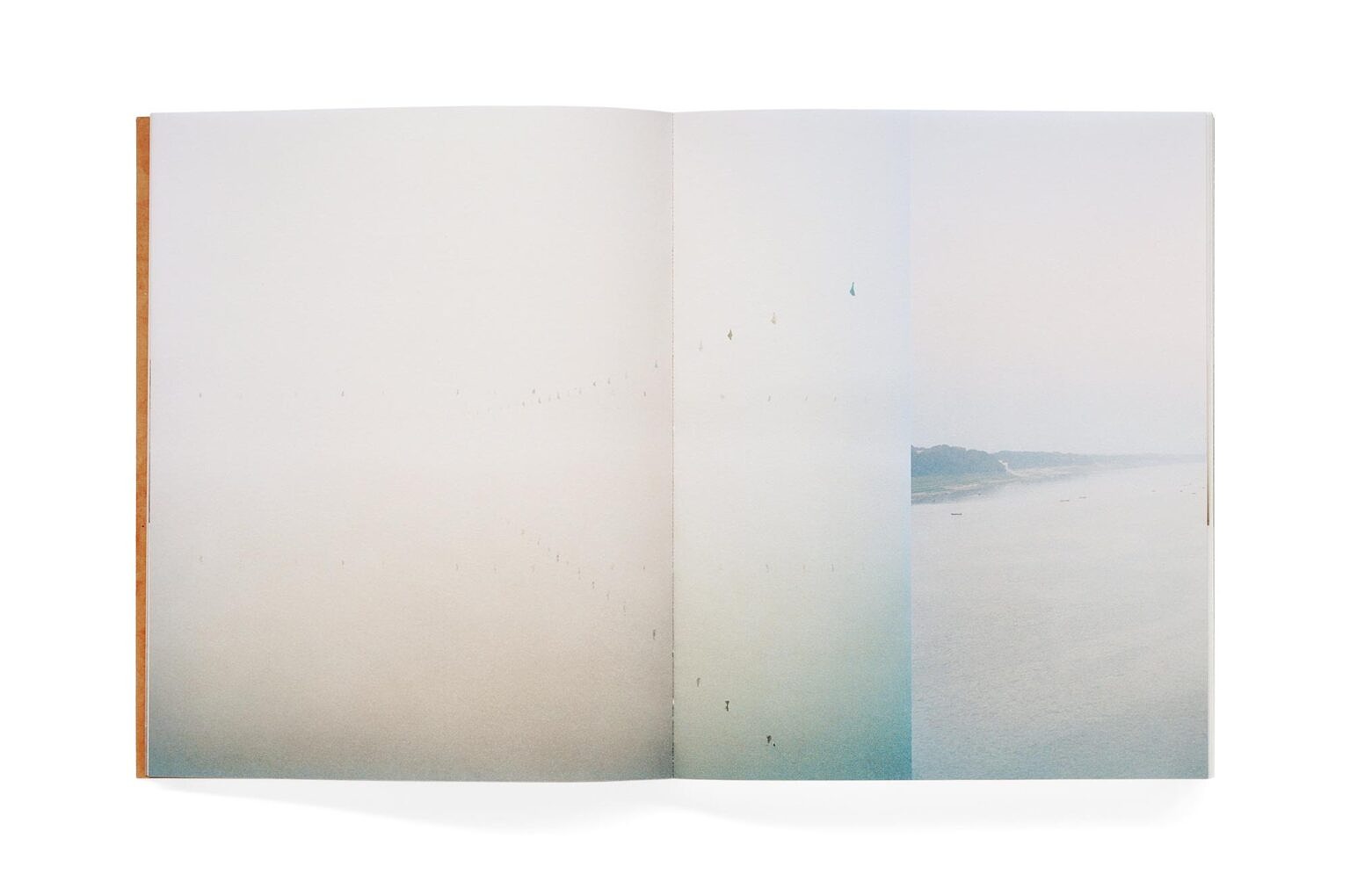
Since 2013, Yogananthan has been travelling from north to south India, retracing the itinerary of the epic’s heroes. Between fiction and reality, he deliberately blurs the lines through multiple aesthetic approaches: colour, hand-painted and illustrated photographs are interspersed with vernacular images to compose the layers of this timeless story.
The end of chapter two announces that Rama is banished from the kingdom, forced to live in exile during fourteen years. The third chapter tells about Rama’s life in the forest, where he is joined by Sita and his brother Lakshmana. The Ramayana has been continuously rewritten and reinterpreted through time, and for Yoganathan’s book has been retold by Indian writer Arshia Sattar.
A Myth of Two Souls will be published in seven photobooks between 2016-2020, one per chapter of the epic.
He is a self-taught photographer who is deeply attached to silver photography. The book is a central object in his practice, which led him to co-found the publishing house Chose Commune. He has carried out his projects over a long period of time, first in France on the beach at Piémanson (2009-2013), then in India and Sri Lanka Sri-Lanka around the myth of the Rāmāyana (2013-2021). In 2022, he carries out a new project in New Orleans, USA, as part of the Immersion program of the Fondation d'entreprise Hermès, of which it is a winner. He is represented by Jhavery contemporary (Mumbay) and The Photographers’ Gallery Print Sales (London).
Graphic design: Kummer&Herrman
Text: Arshia Sattar
192 pages (Japanese binding)
51 photographs
24,5 x 30 cm
Section-sewn OTA-bound softcover
French / English
Publication date: 1 September 2017
ISBN: 979-10-96383-04-7
Free shipping to France on orders over 50€ 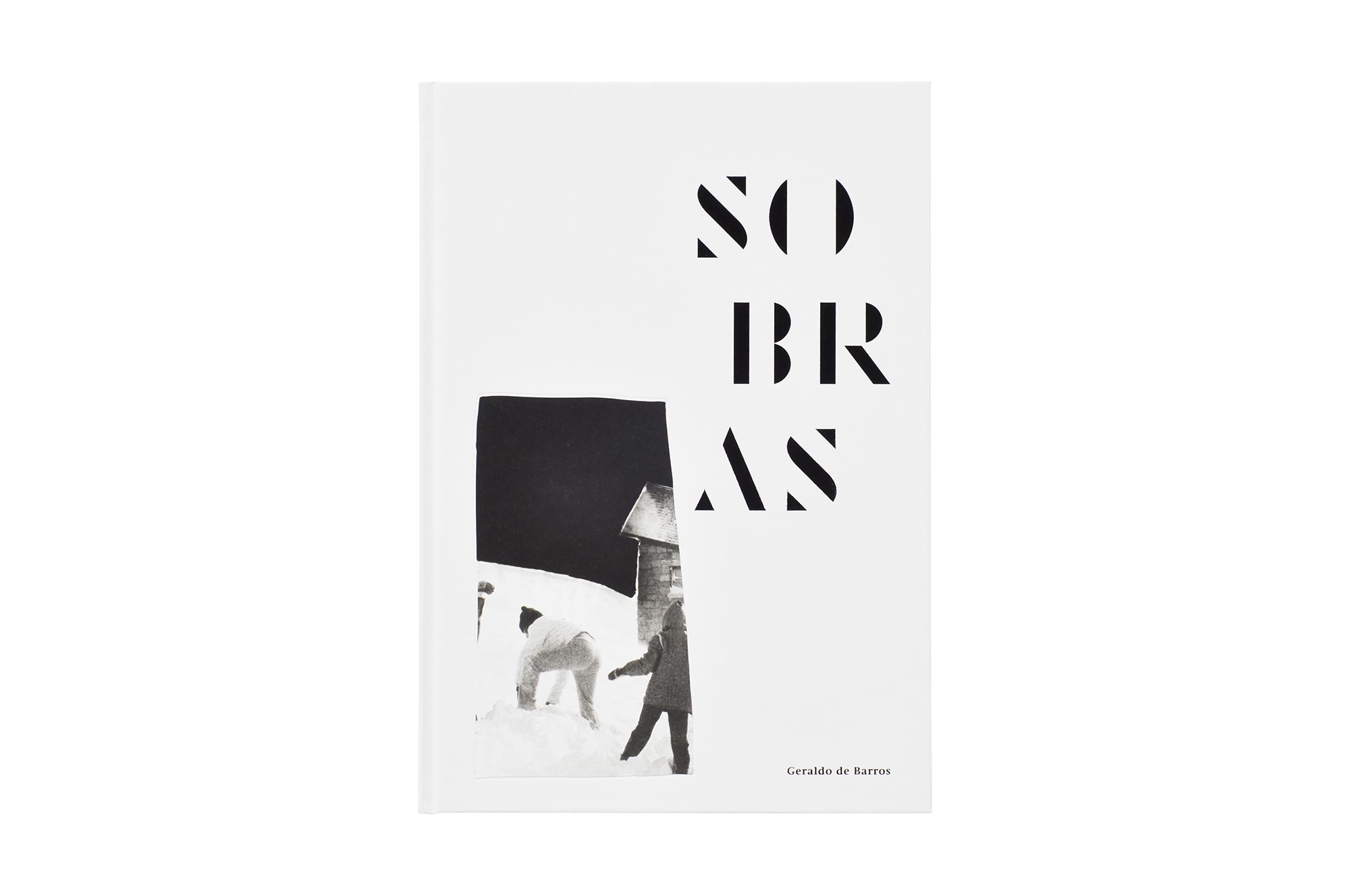
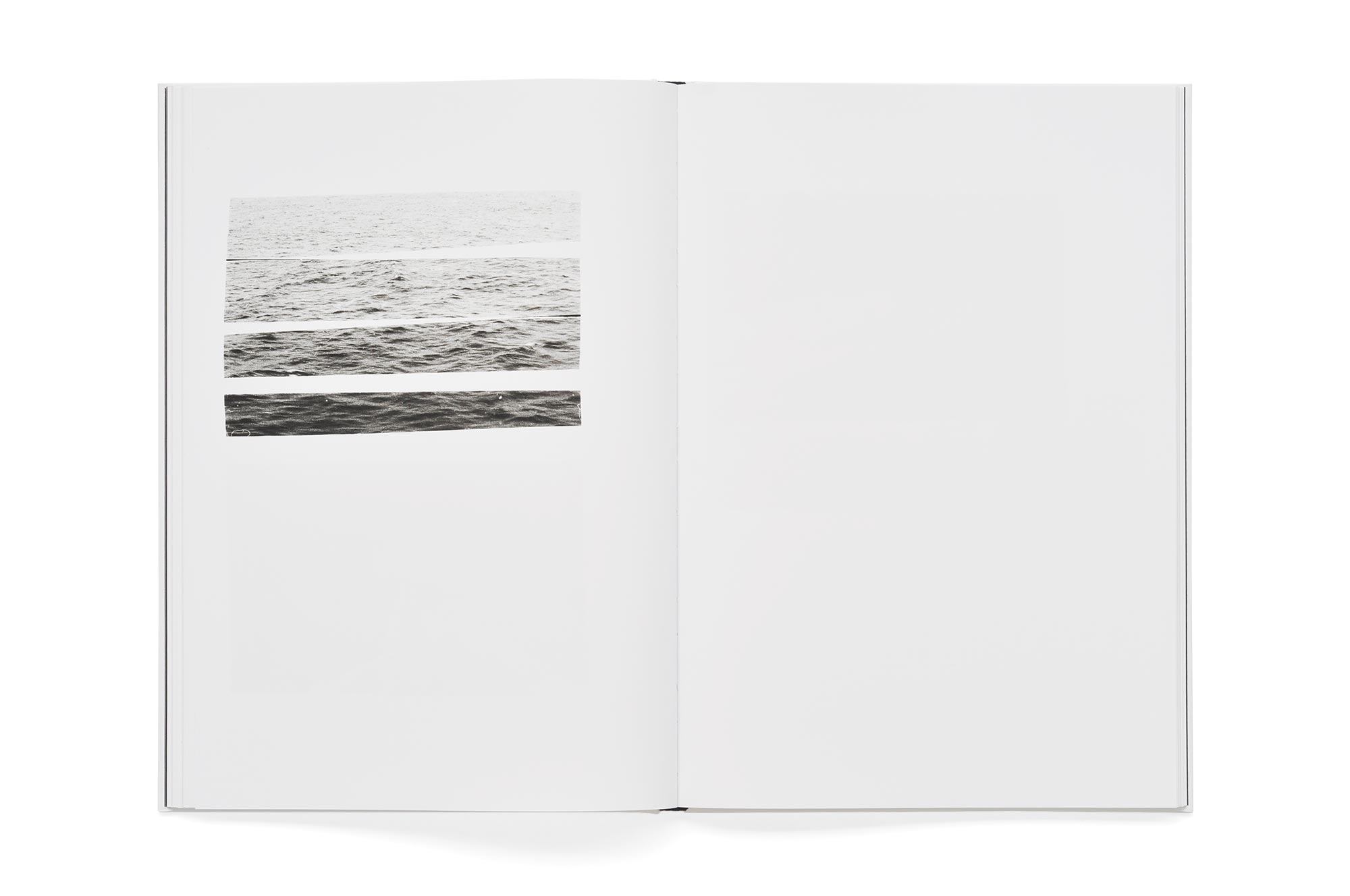
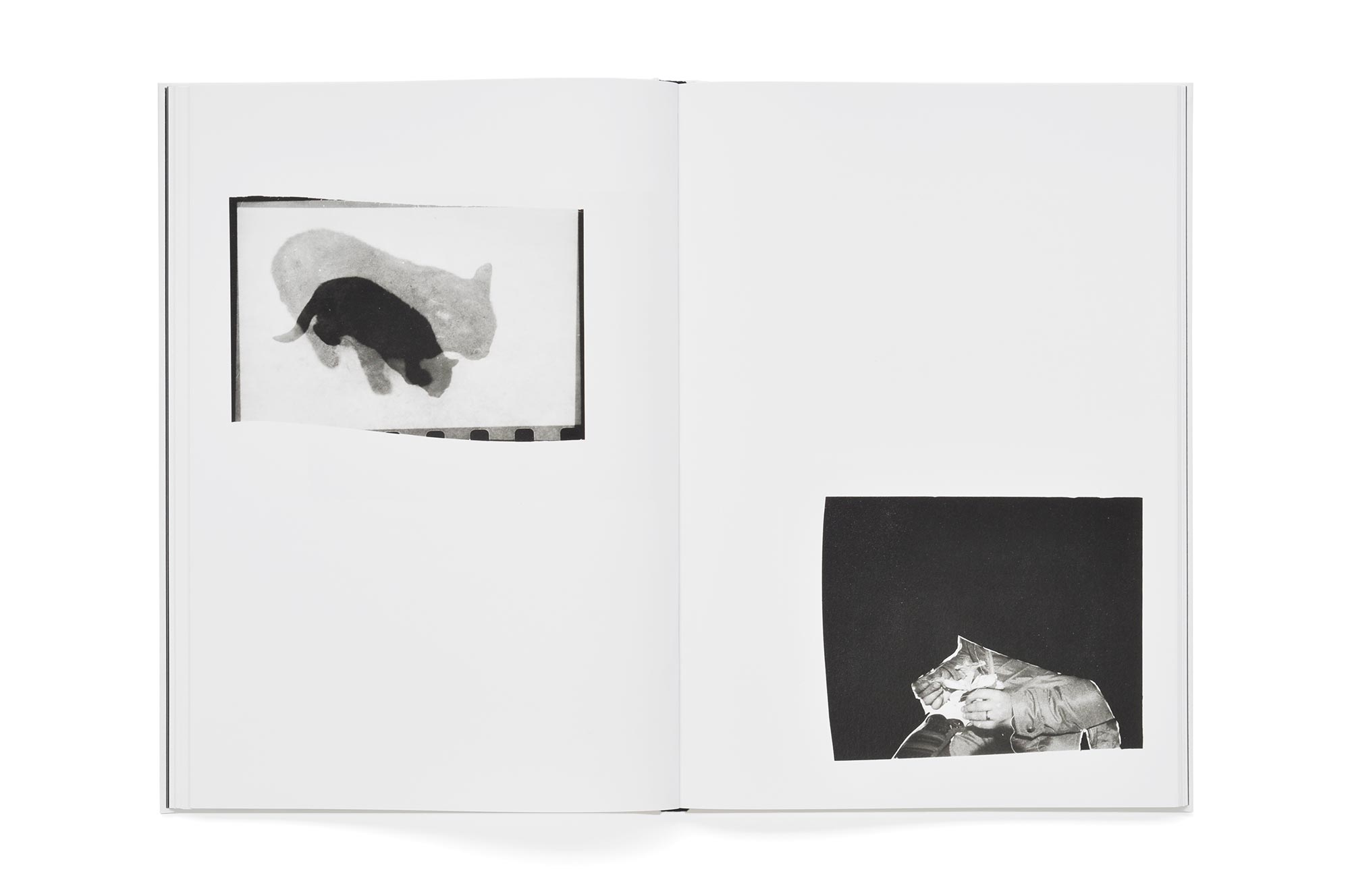
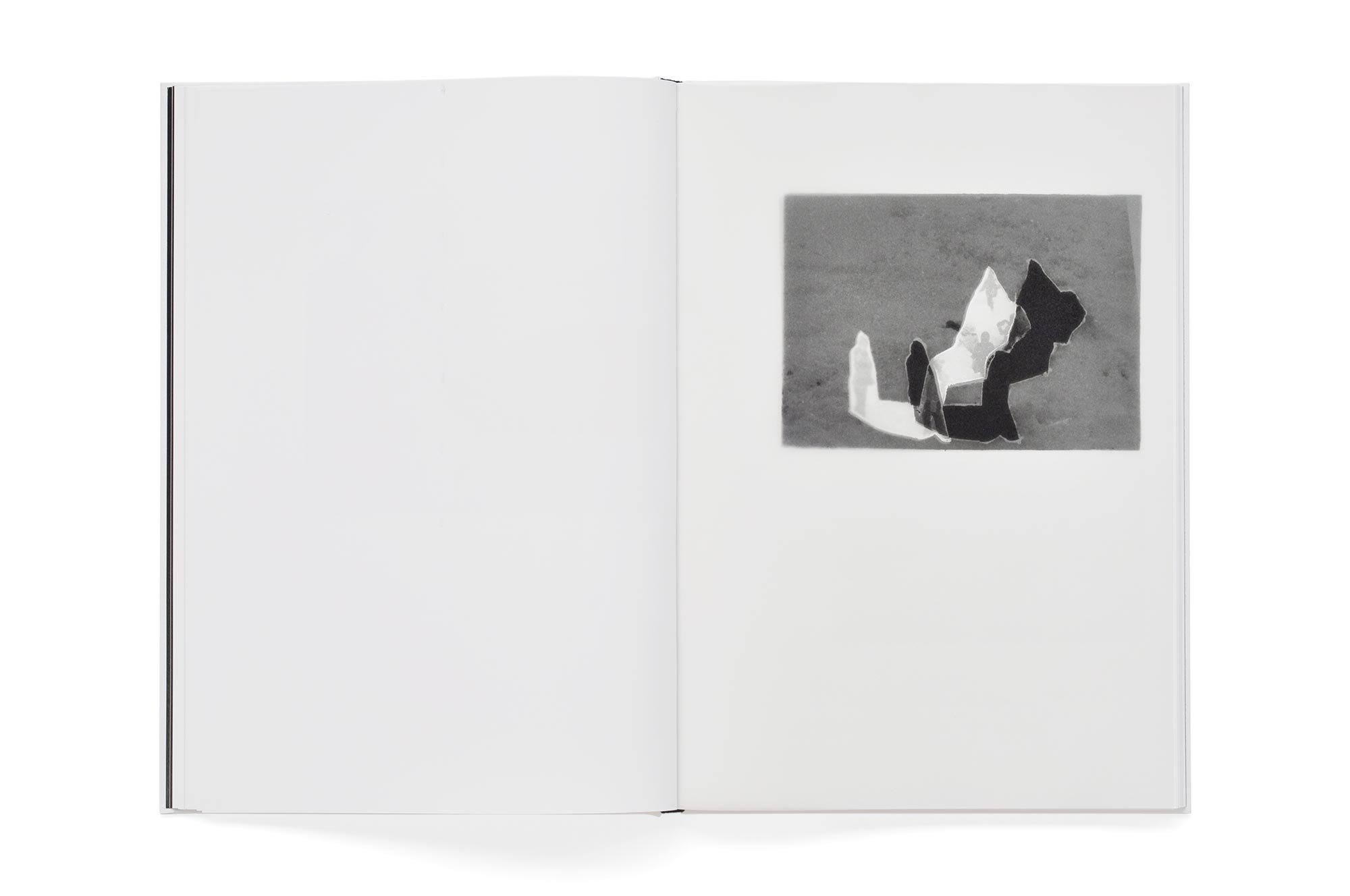
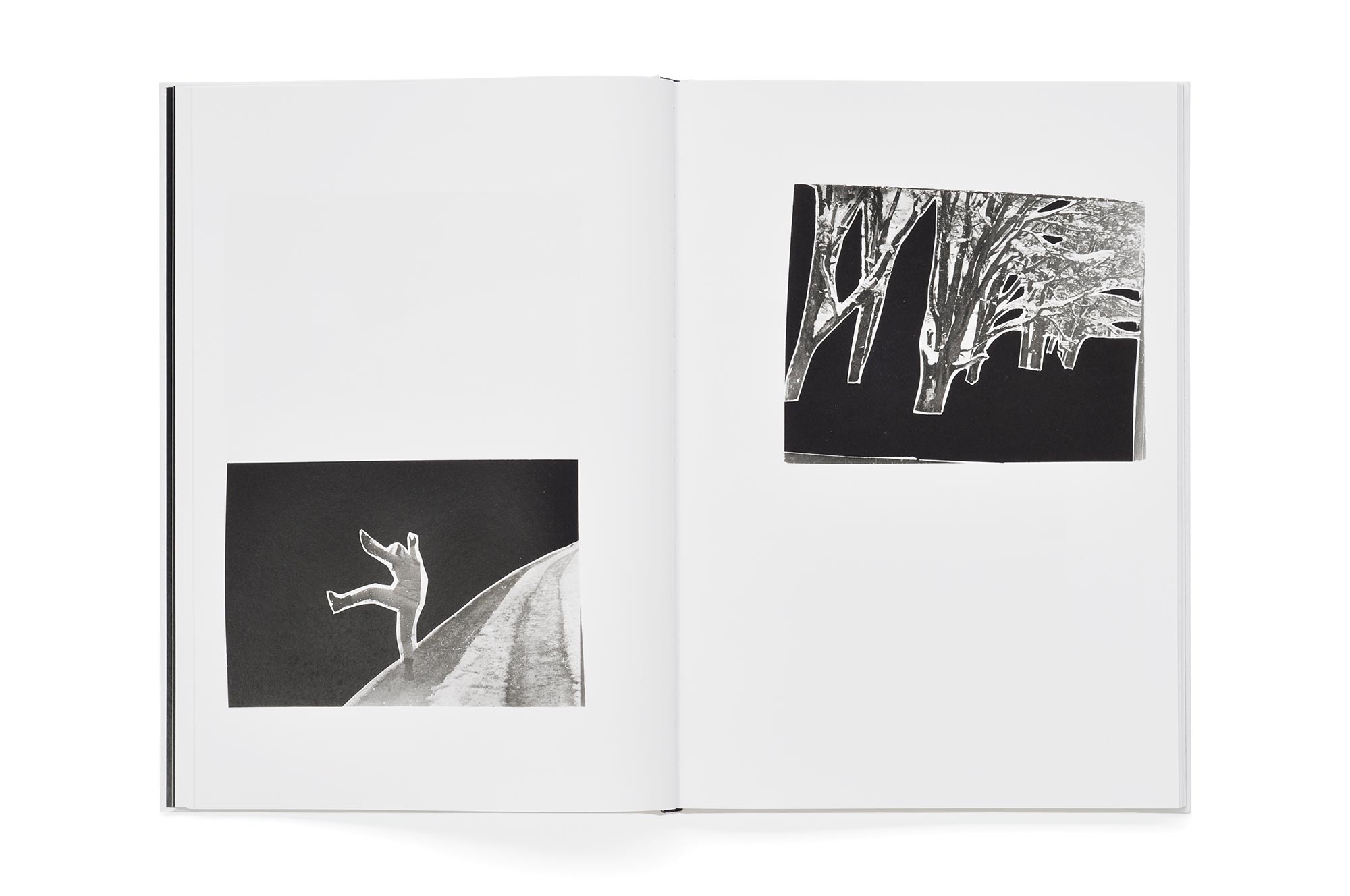
Geraldo de Barros
Sobras
 in stock
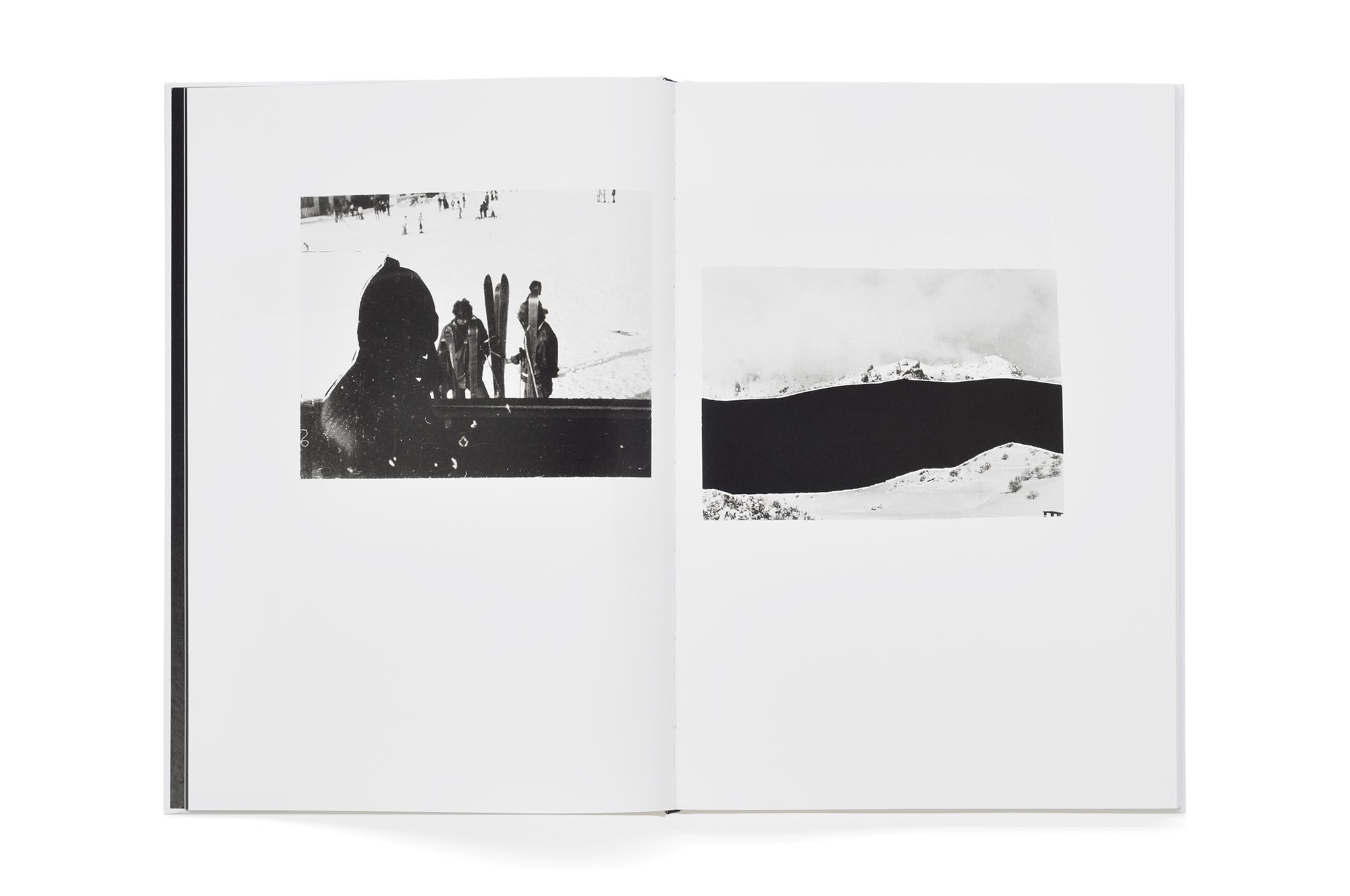
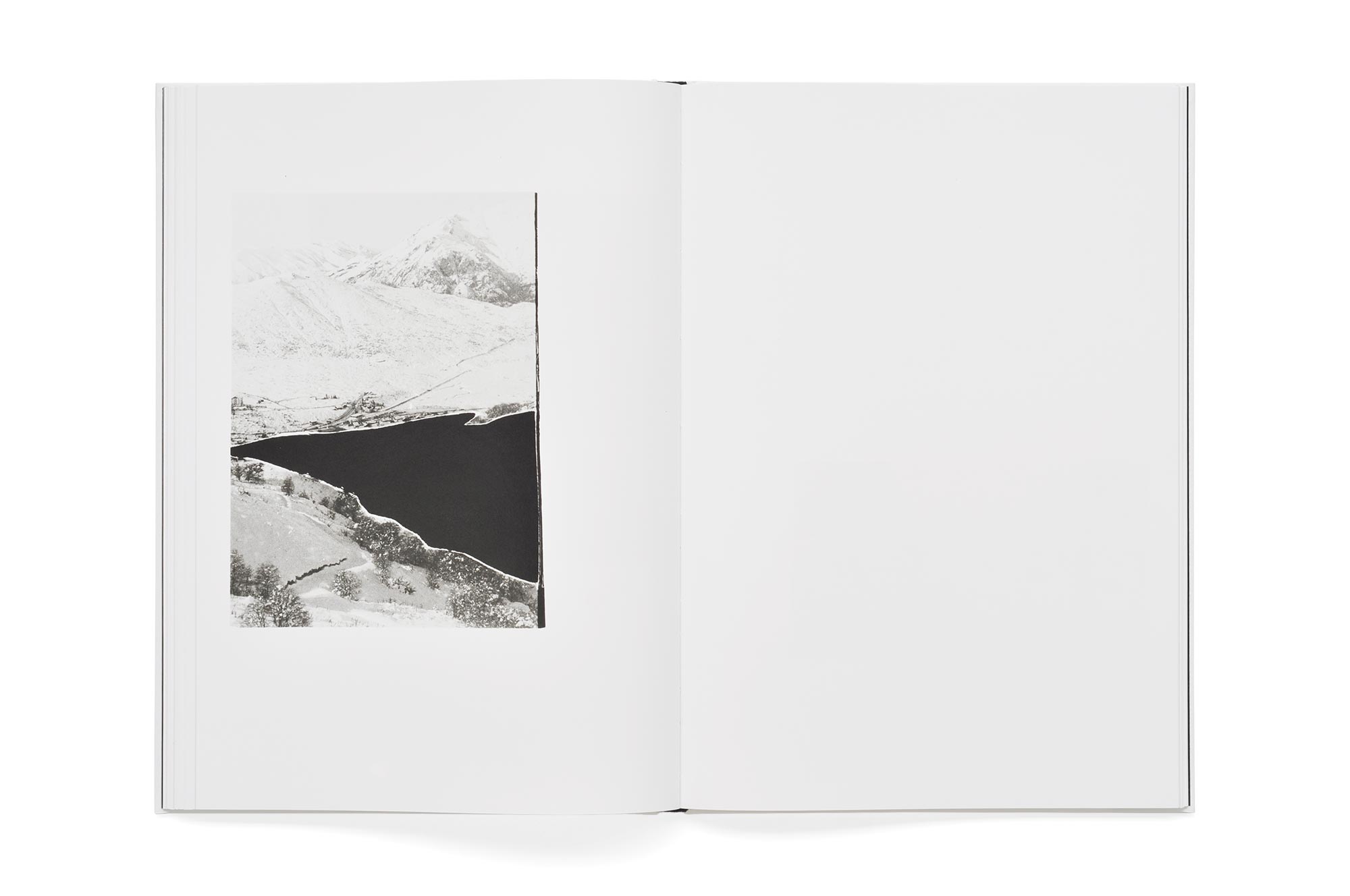
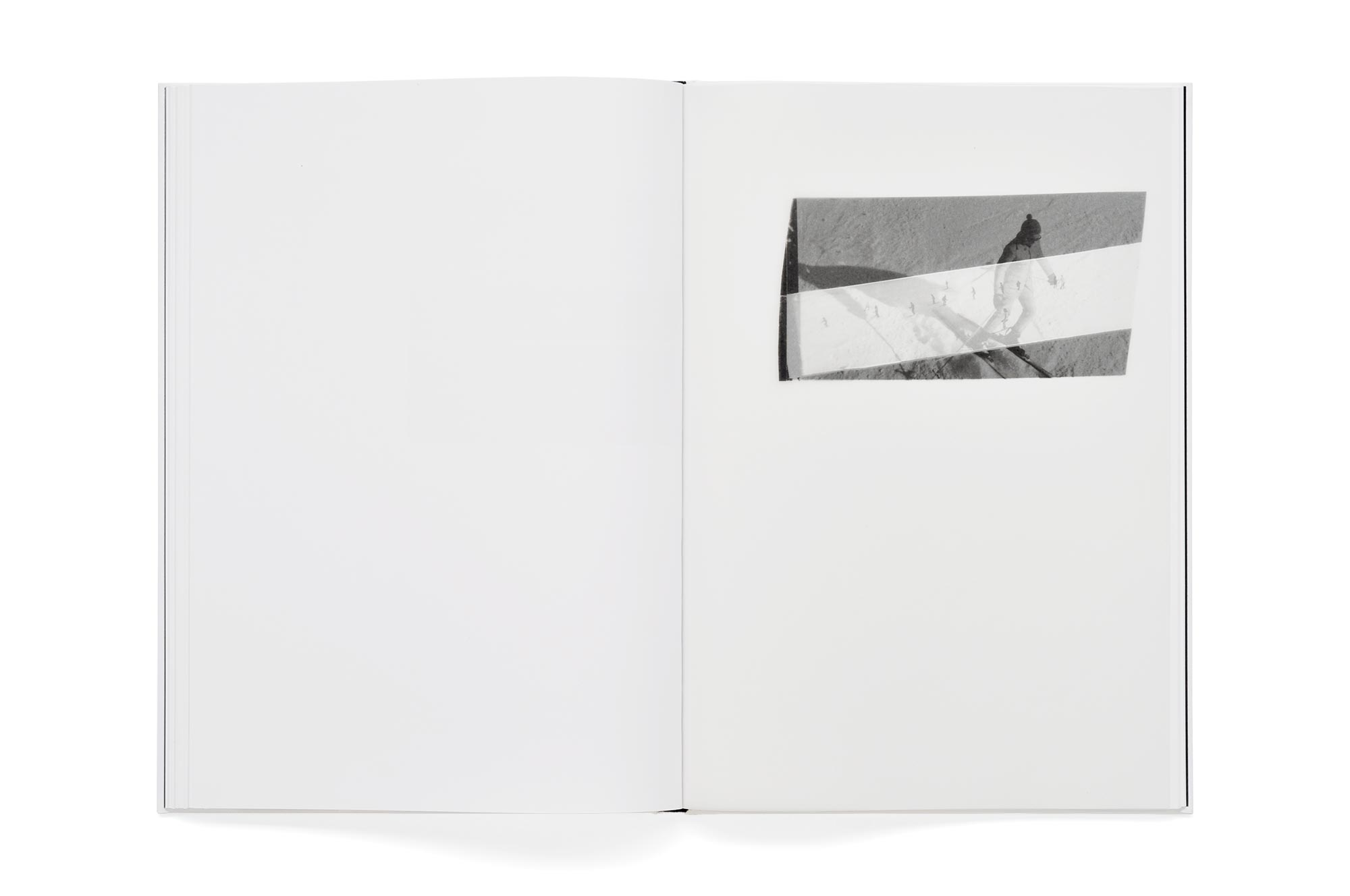
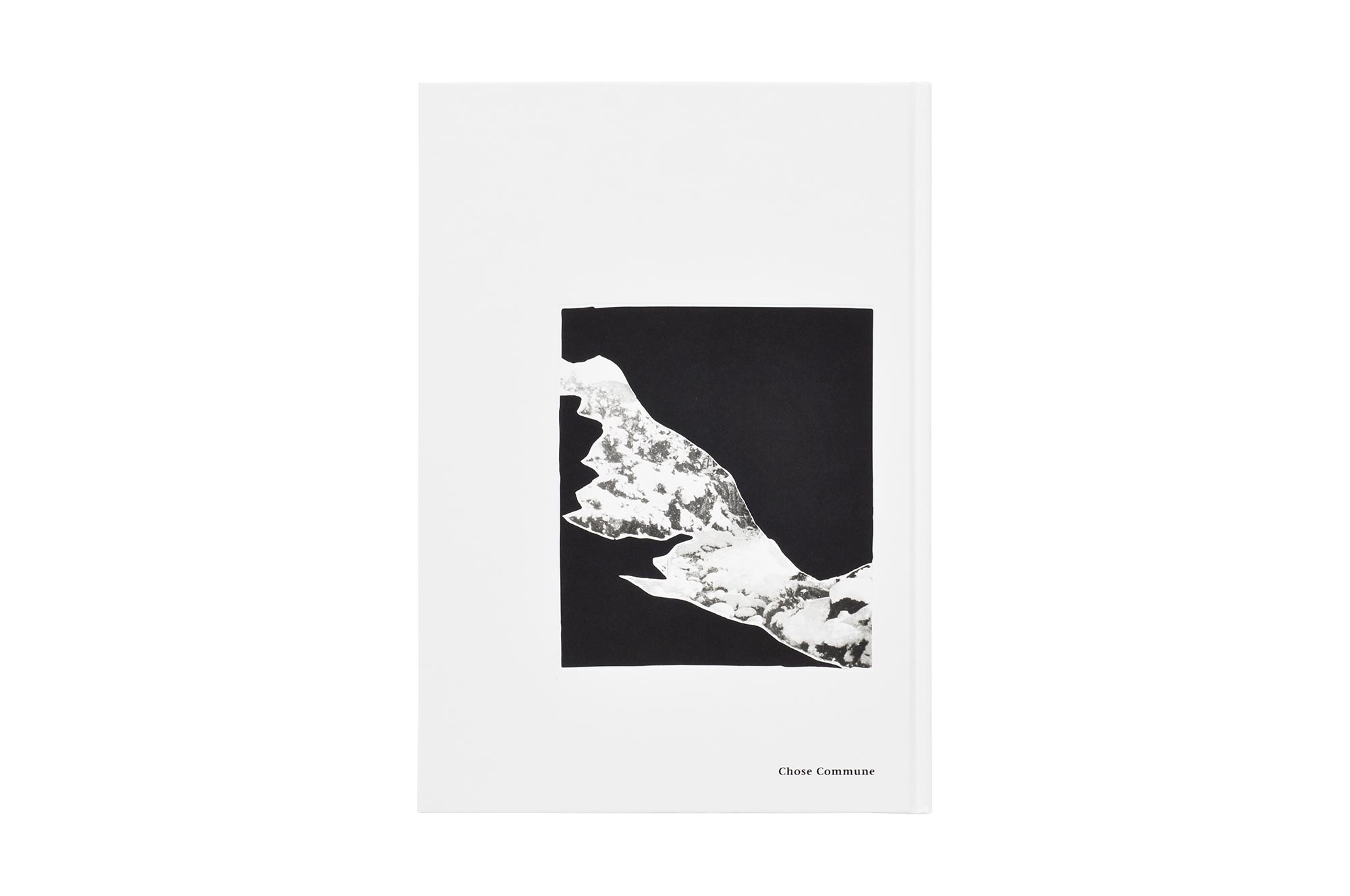
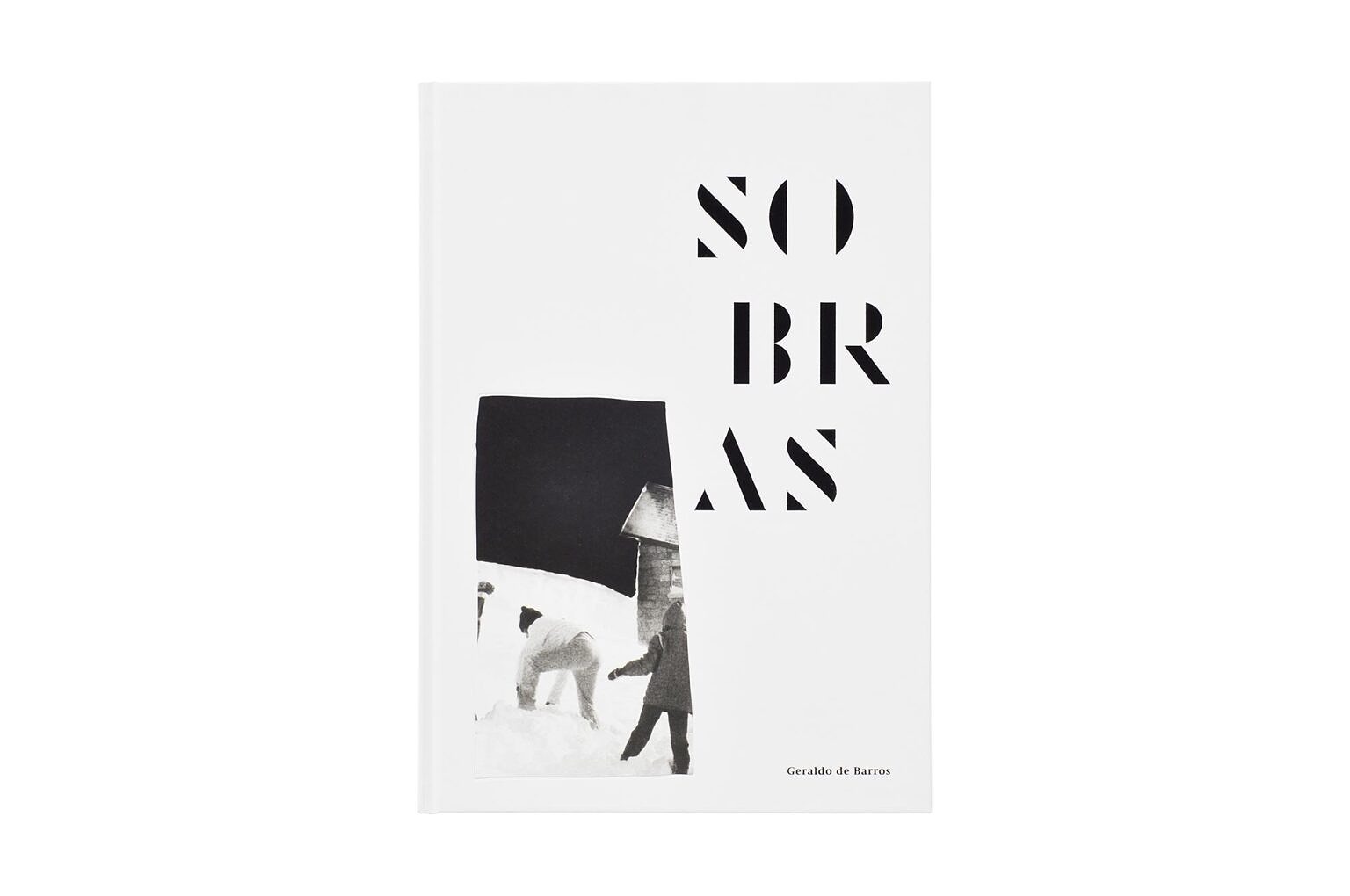
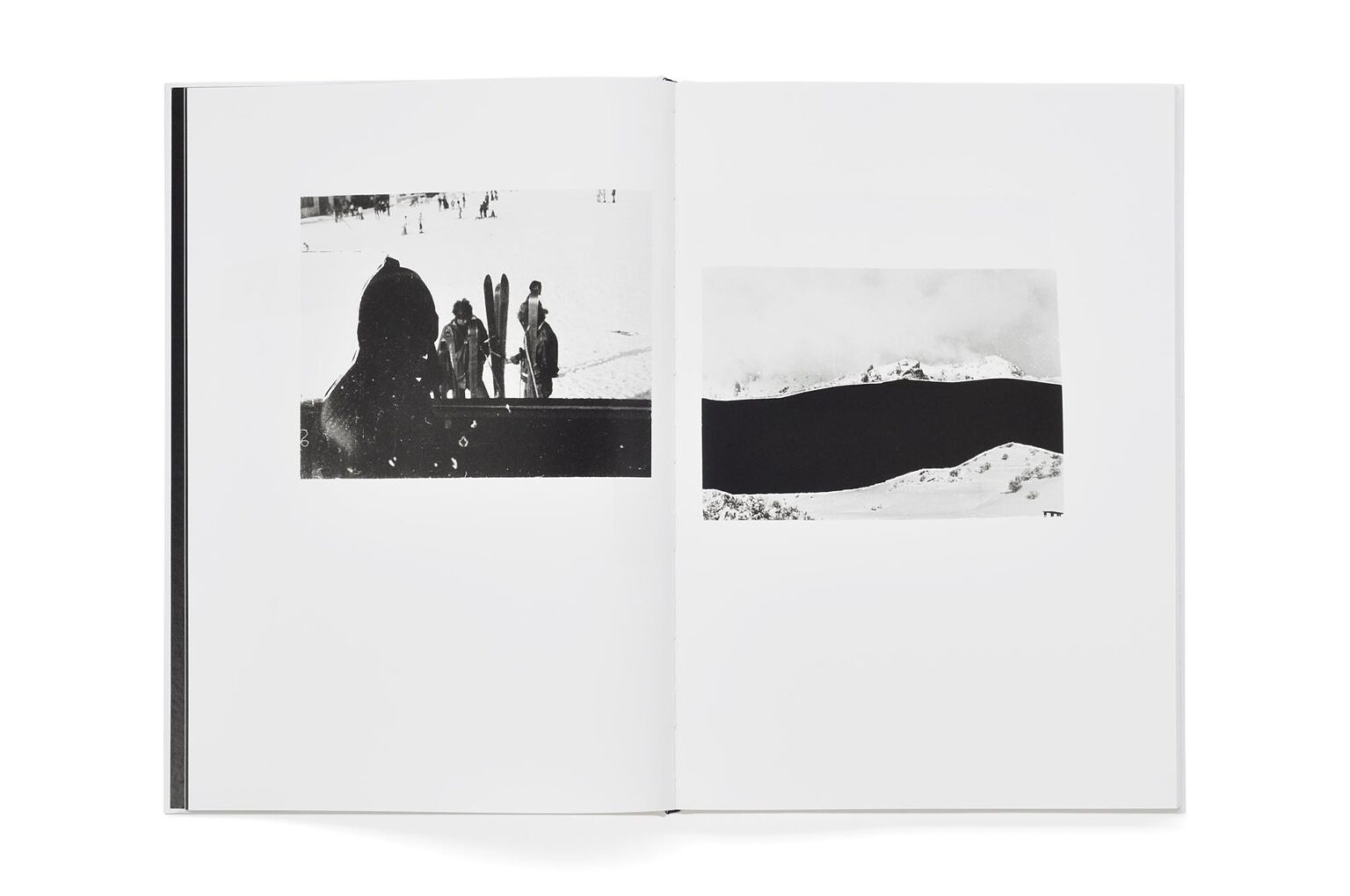
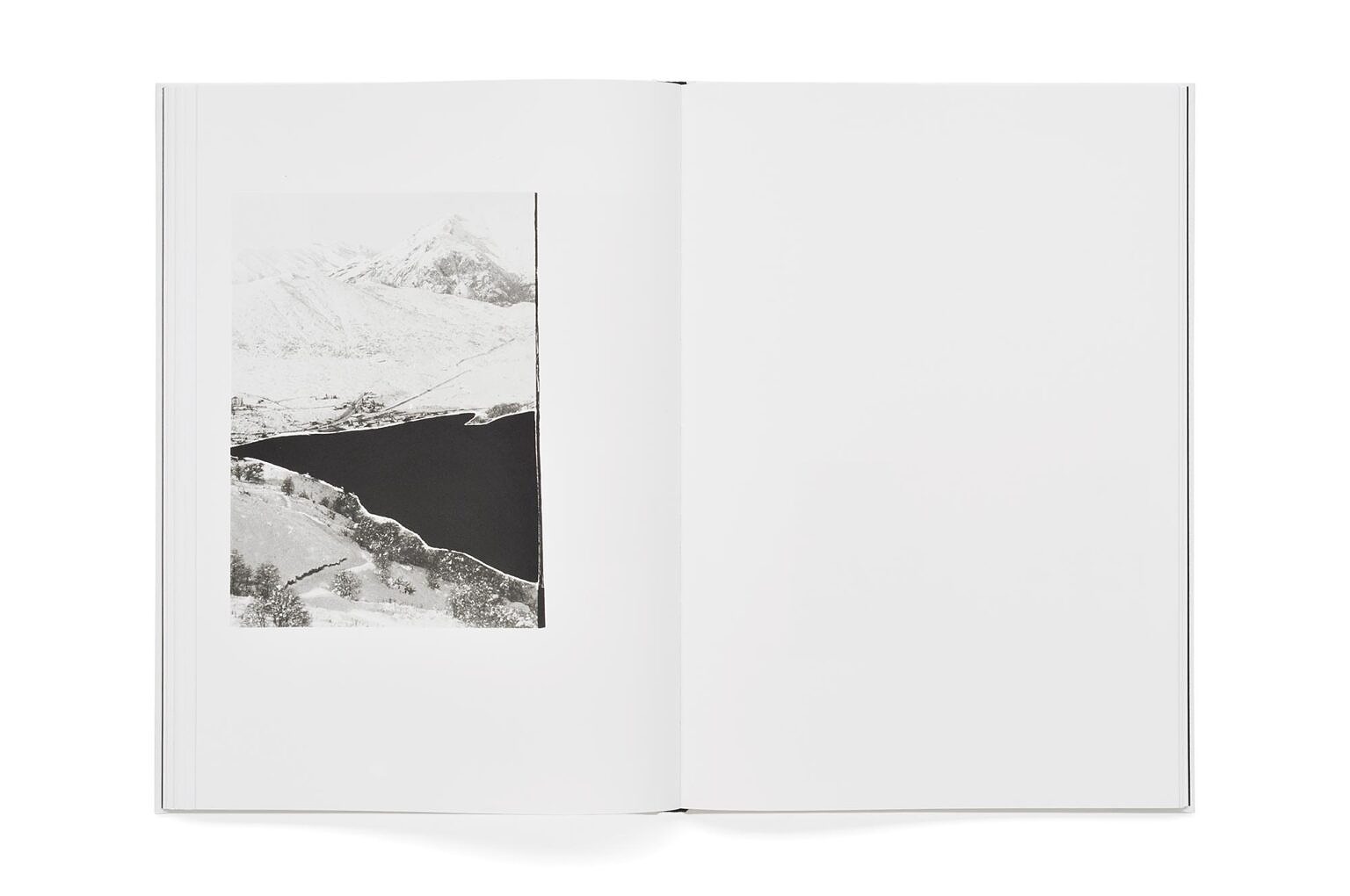
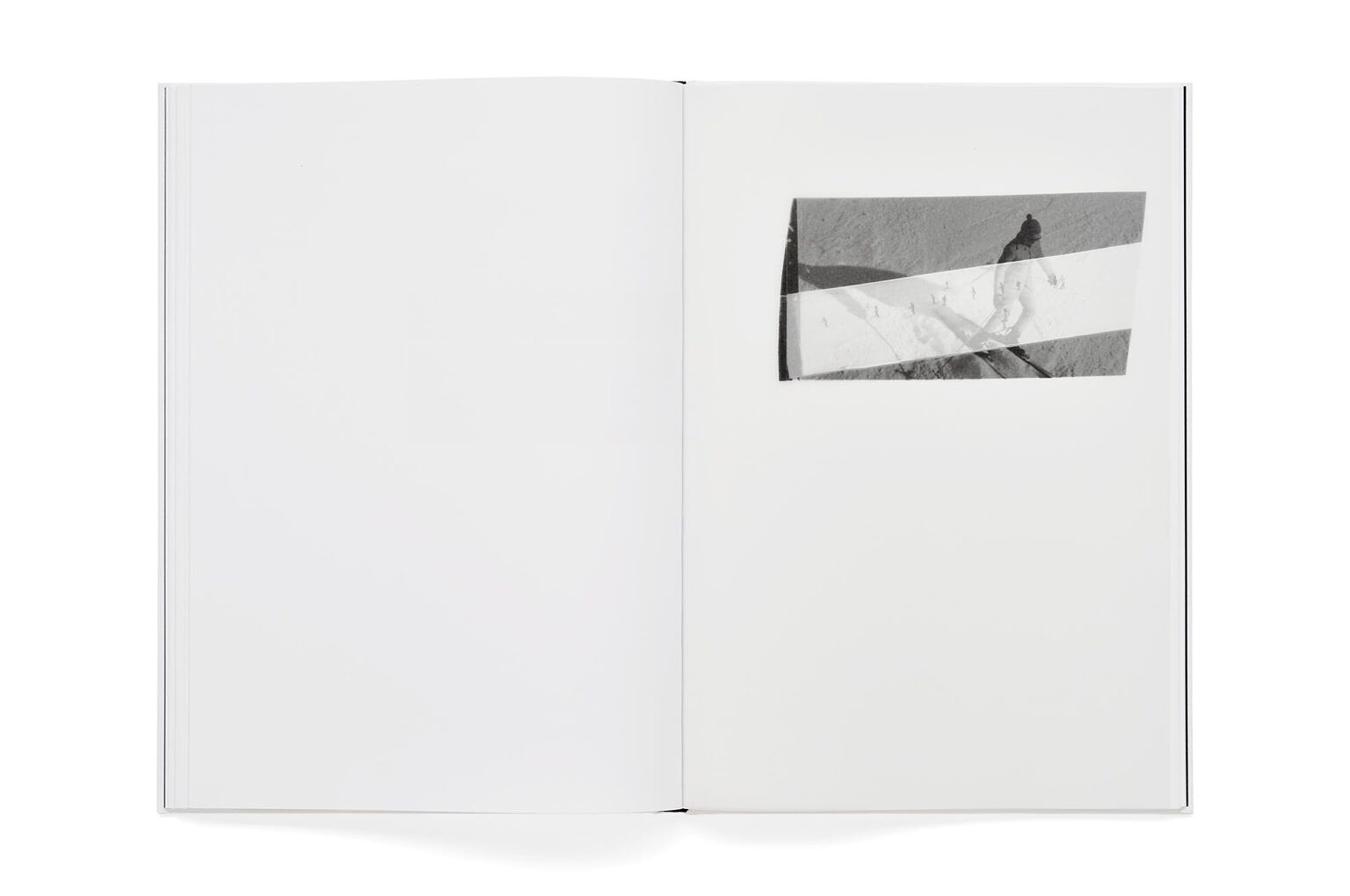
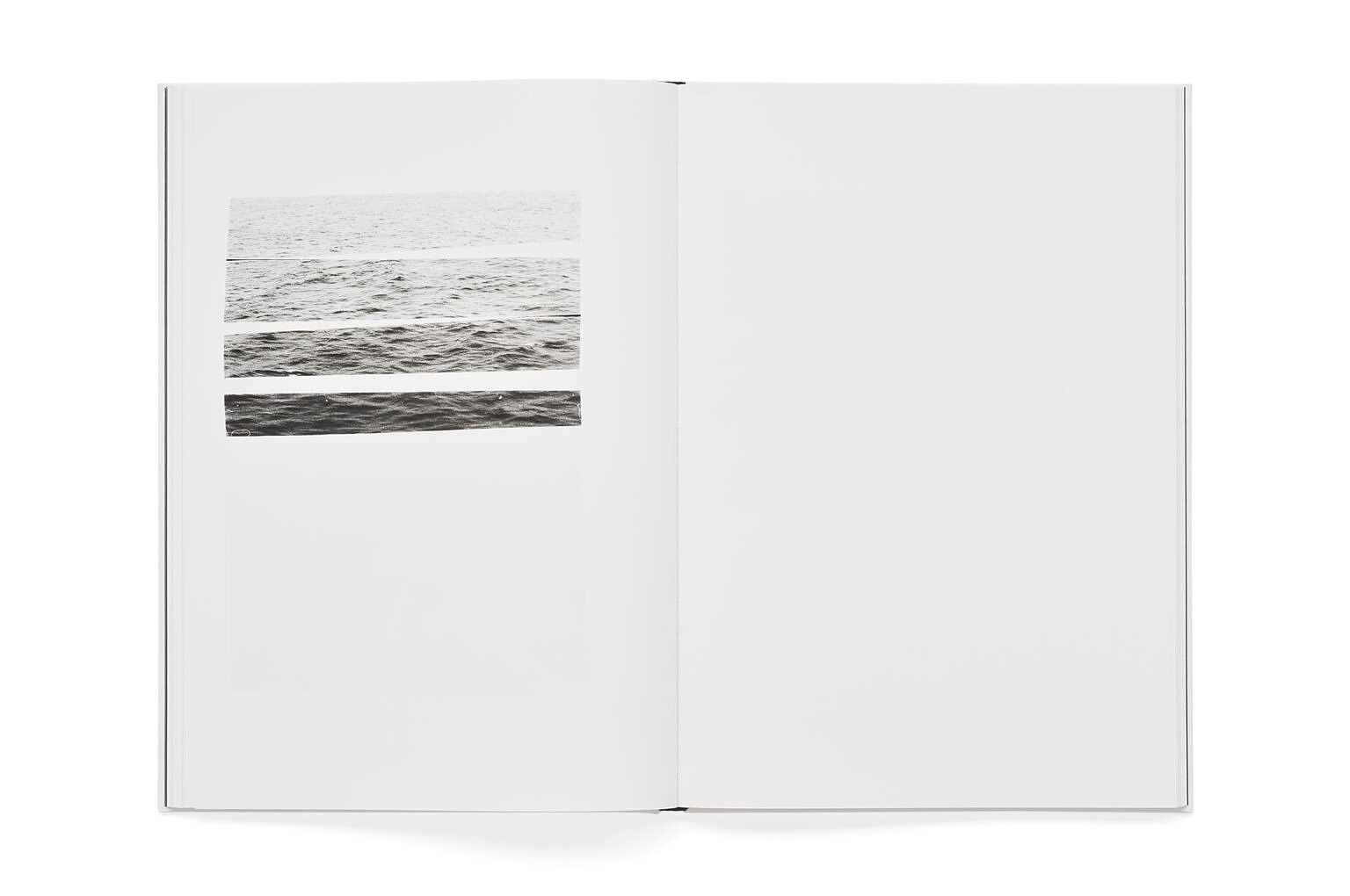
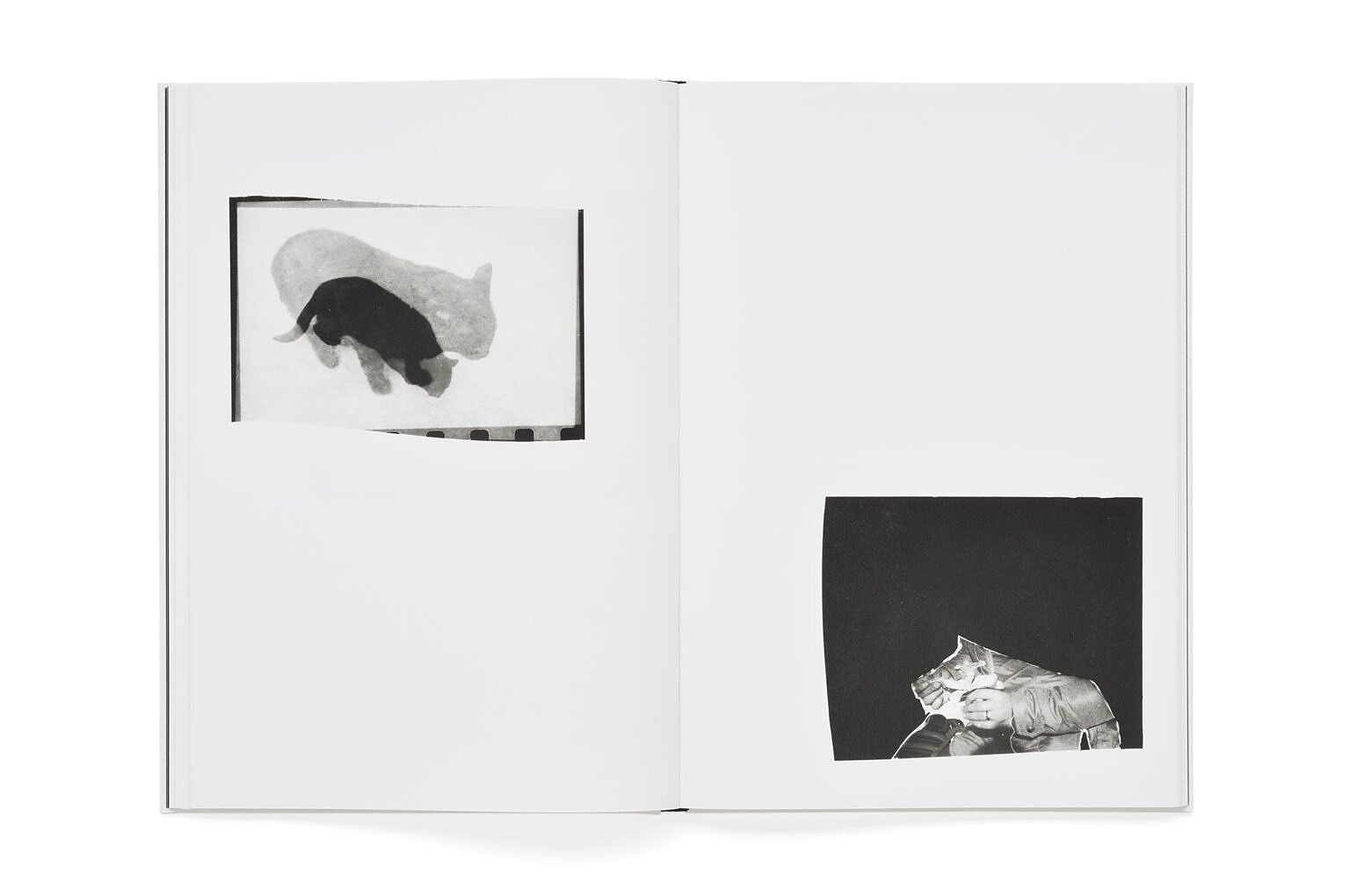
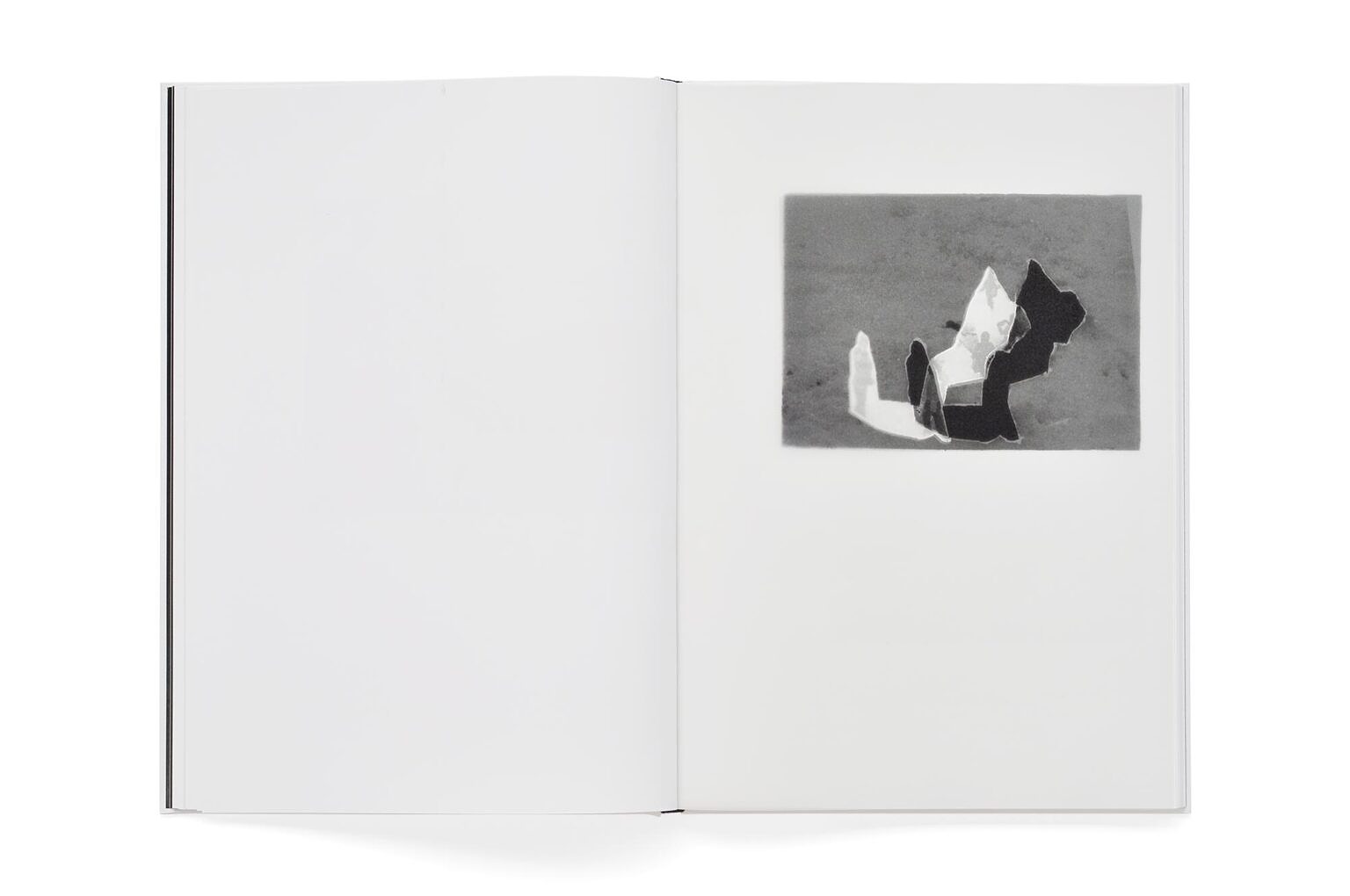
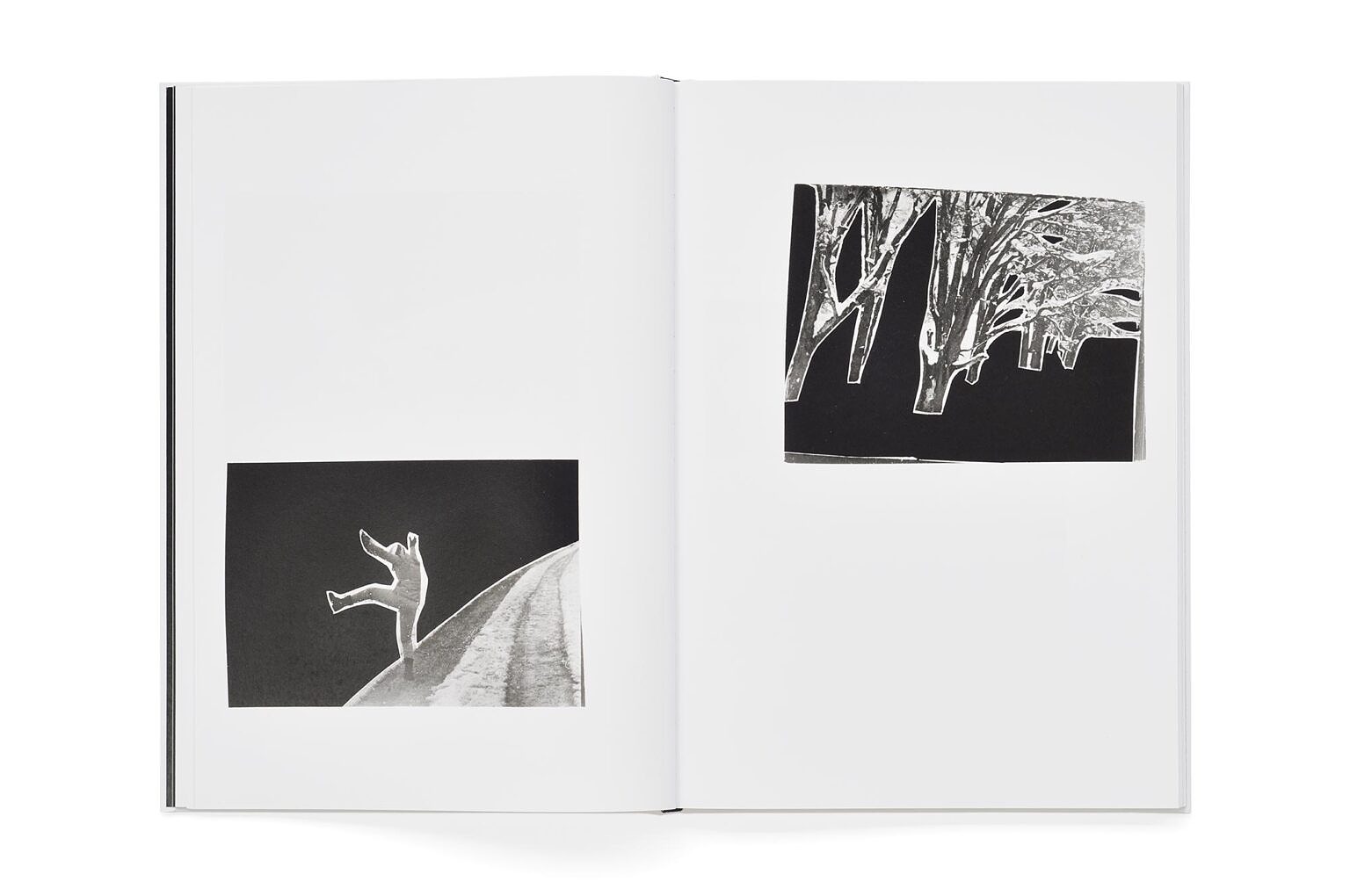
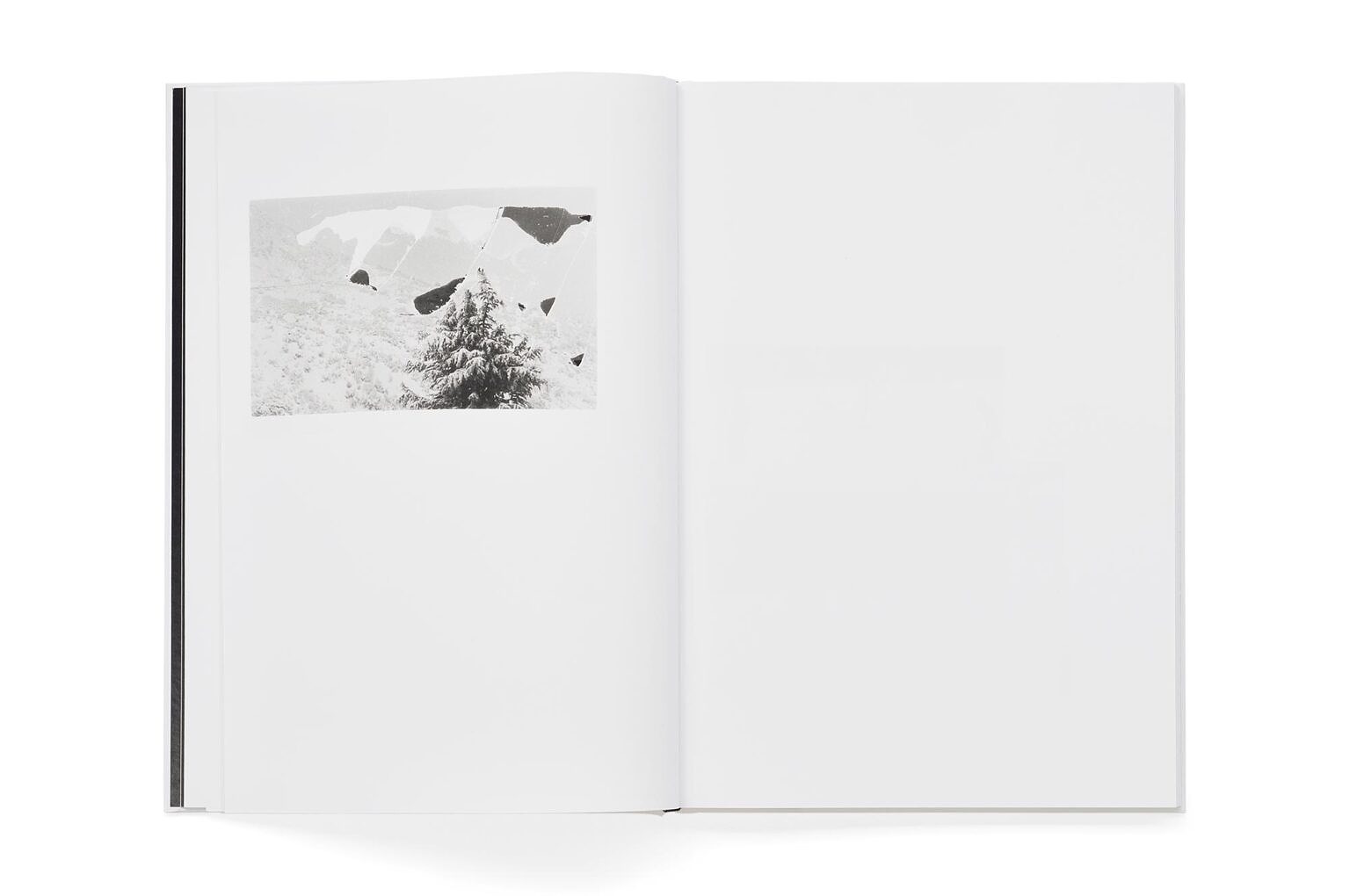
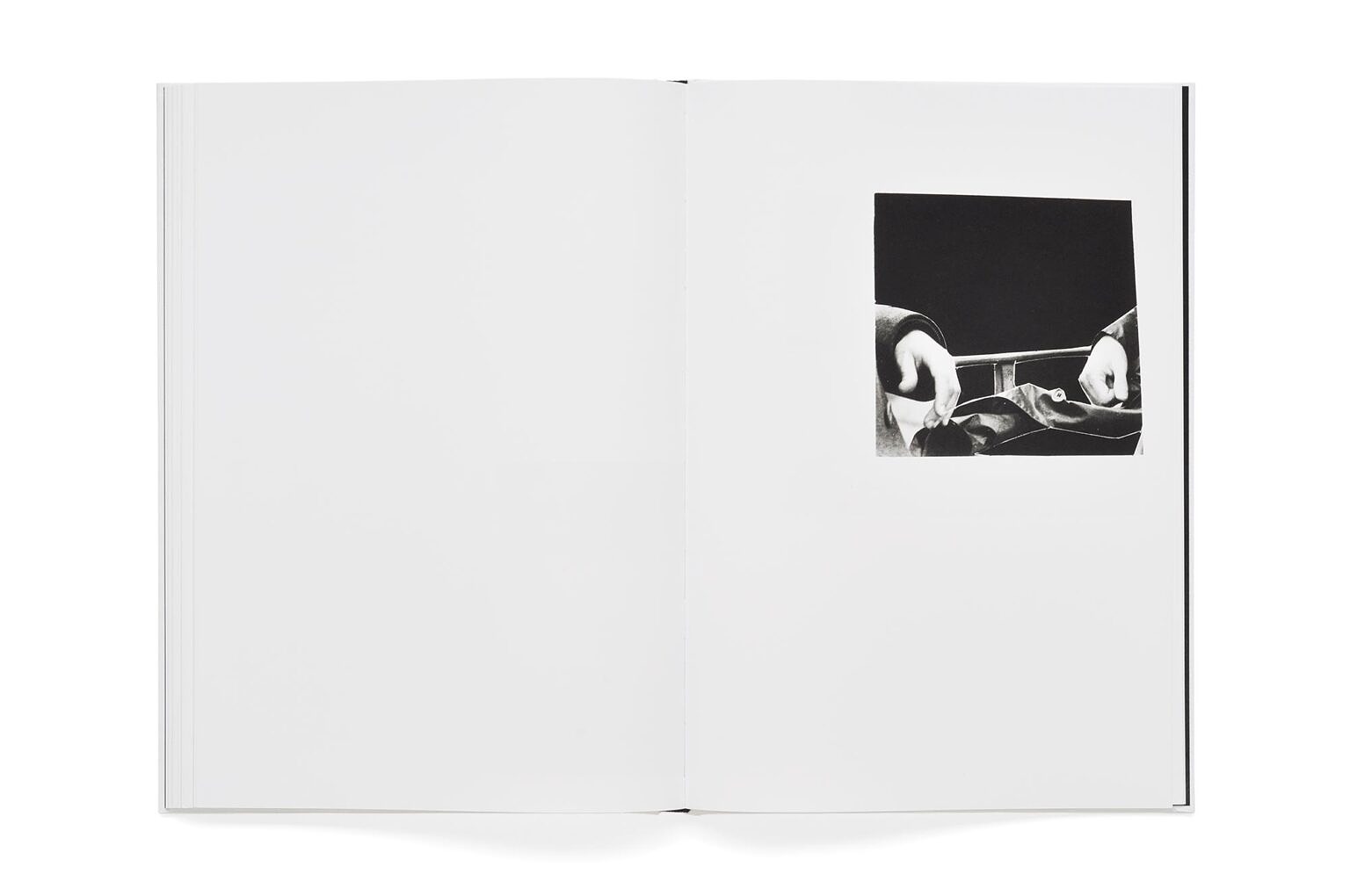
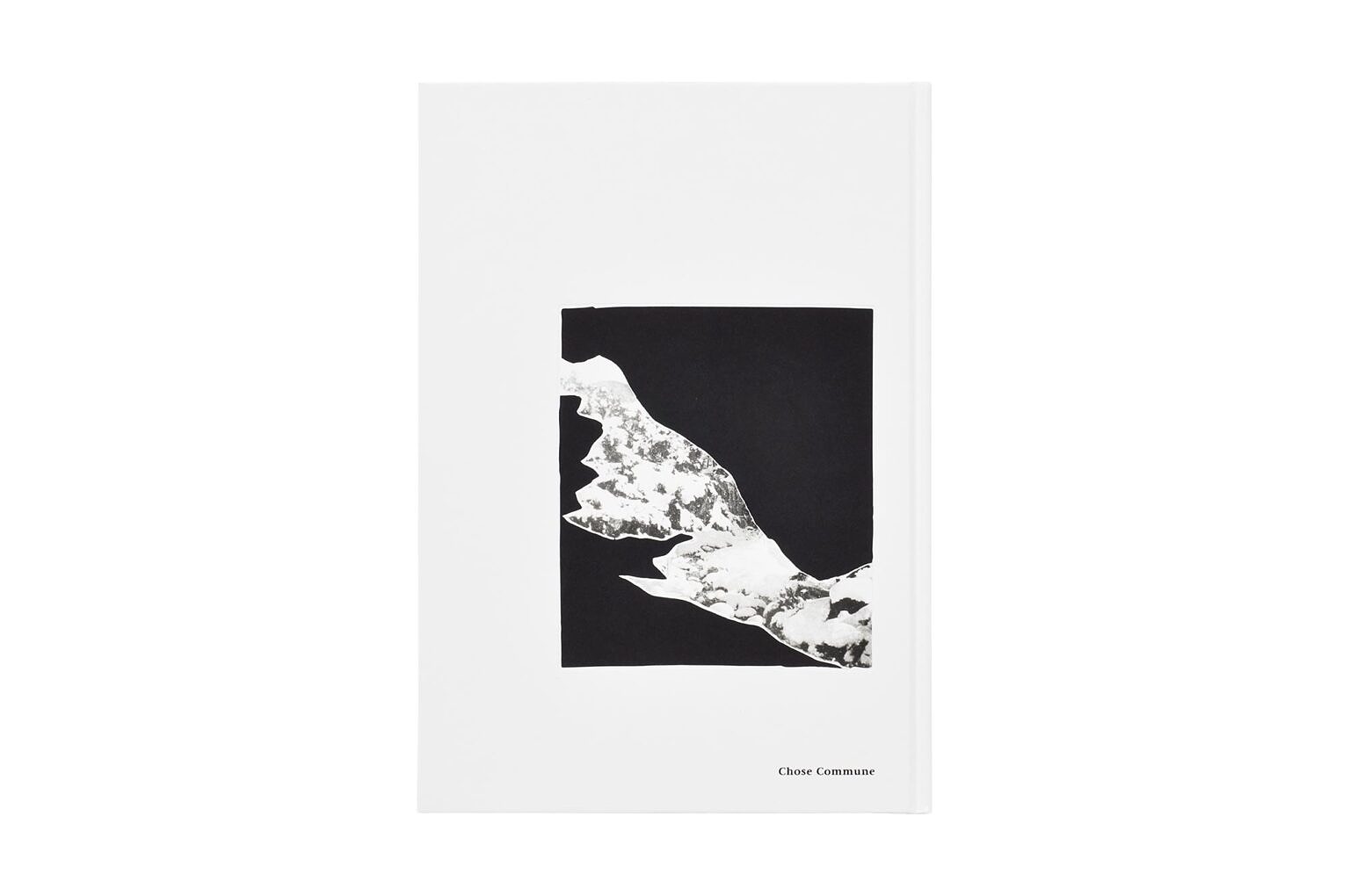
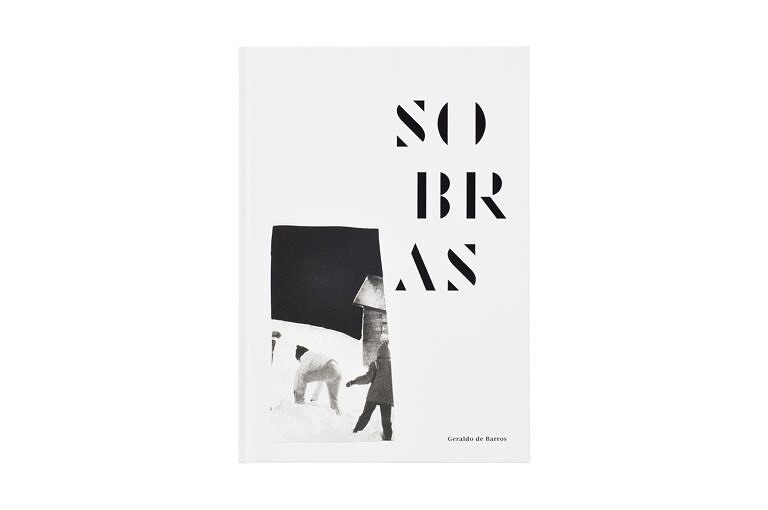
Sobras is Geraldo de Barros’ most intimate series: he works from his family archives, cutting and gluing them into a black-and-white world.
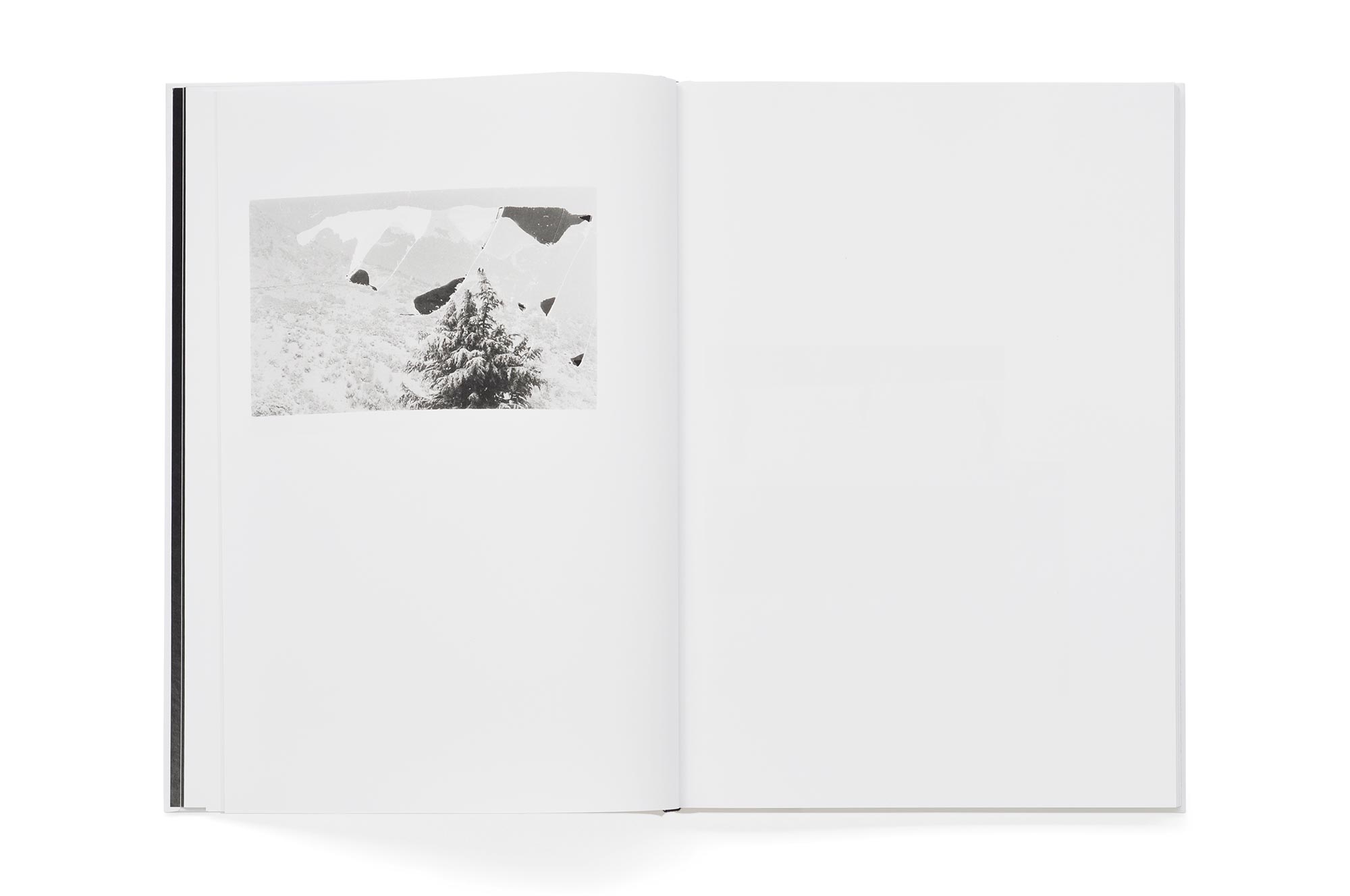
Geraldo de Barros (1923-98) is one of the major figures of the Brazilian artistic scene during the second half of the 20th century. He was an inventive and experimental artist with a diverse practice that included painting, photography and design, as well as being one of the founding members of concrete art in São Paulo.
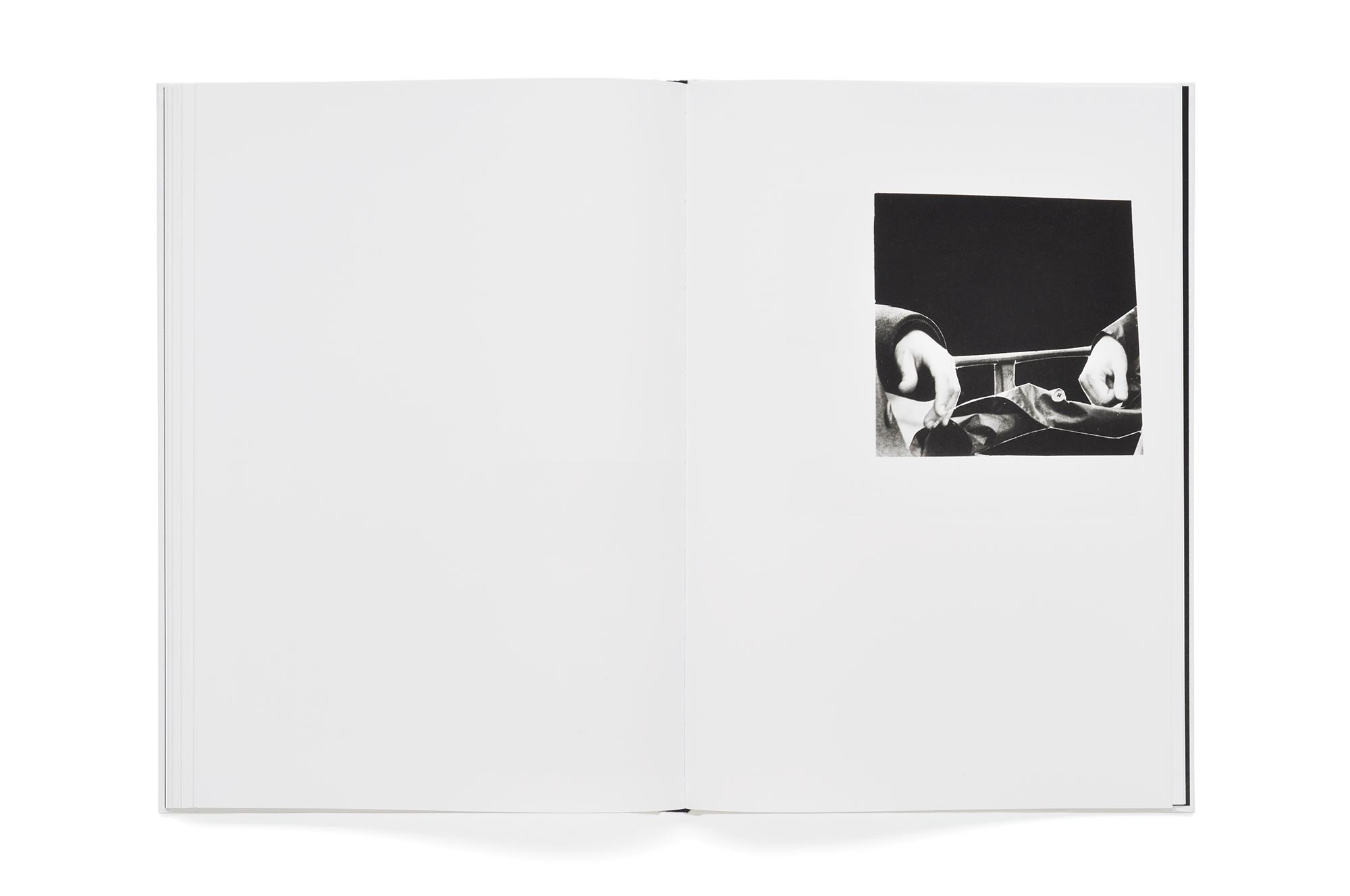
Following a series of strokes, de Barros returned to photography at the end of the 90s. Revisiting his archive with the help of an assistant, he created cuts and collages from old family photographs – making his last and most personal series: « Sobras » (Remains).
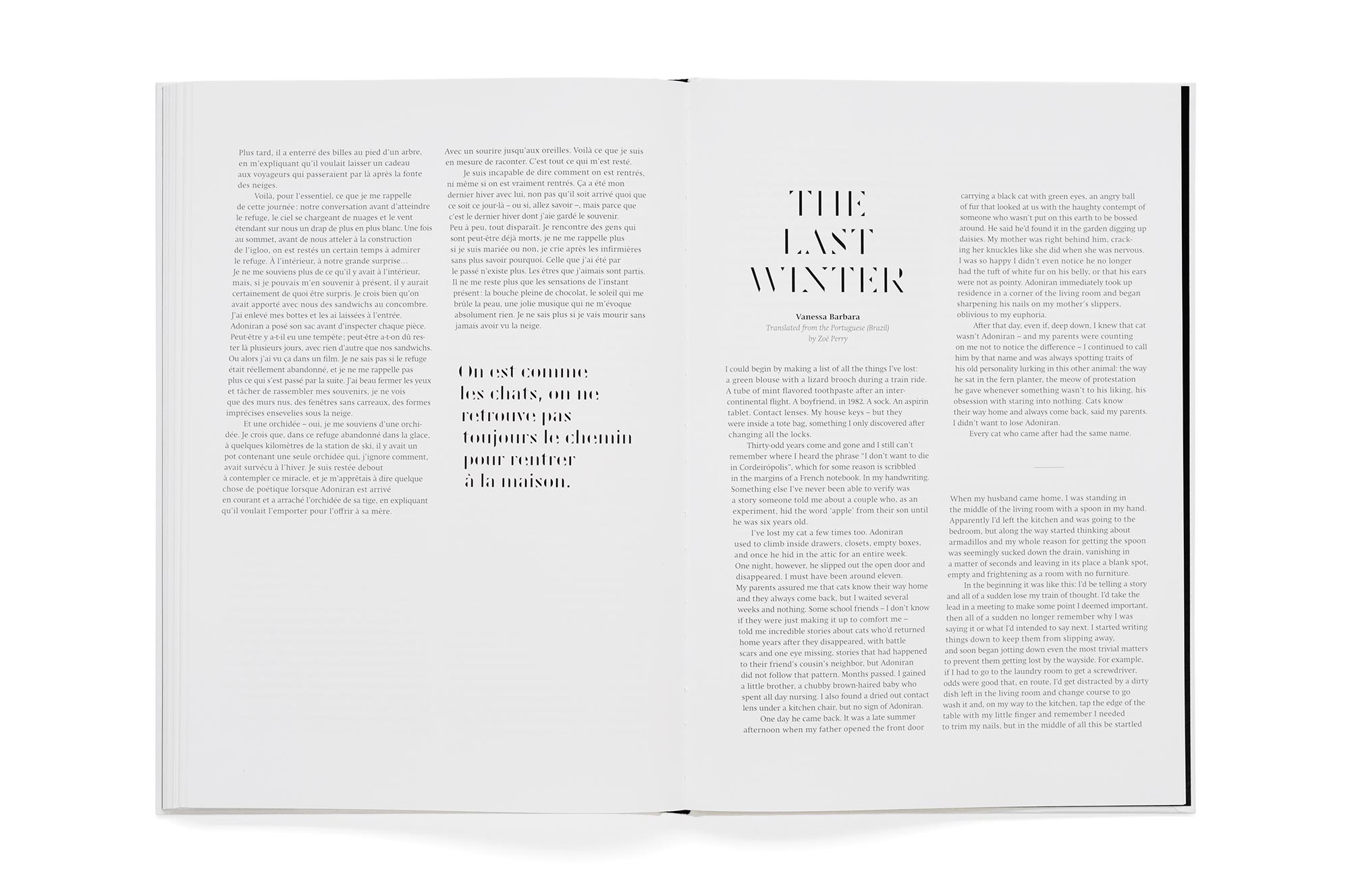
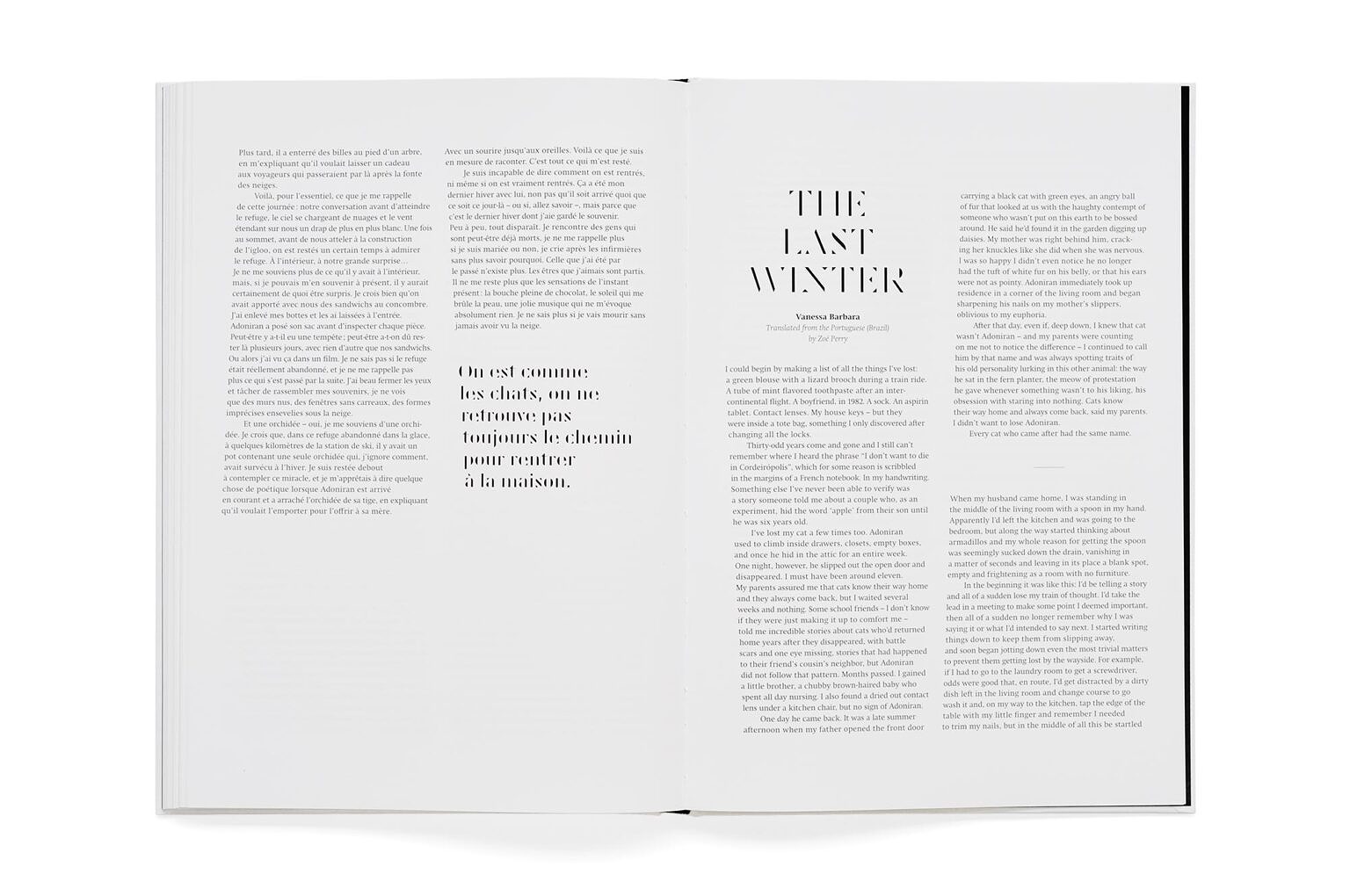
The book « Sobras » is the first international publication devoted to this work, and sits somewhere between a historical tribute and artist book. Vanessa Barbara, a young Brazilian writer, compliments de Barros’ last photographs with a quirky short story inspired by his striking world, in which pitch blacks contrast with the dazzling white snow of his winter memories.
He was one of the leading figures of the Brazilian avant-garde and is now recognized as a key figure in the Brazilian art scene of the second half of the 20th century. A curious artist with a passion for experimentation, his work was highly diverse. As both a painter, photographer, and designer, he was also one of the founding members of concrete art in São Paulo.
Concept and editing: Cécile Poimboeuf-Koizumi & Vasantha Yogananthan
Design: Atelier Pentagon (Vanessa Goetz & Guillaume Allard)
Short story: Vanessa Barbara
124 pages
65 plates
23 cm x 33 cm
Section-sewn debossed hardcover with tips on
English / French / Portuguese
Publication date: 18 April 2017
ISBN: 979-10-96383-00-9
 Free shipping to France on orders over 50€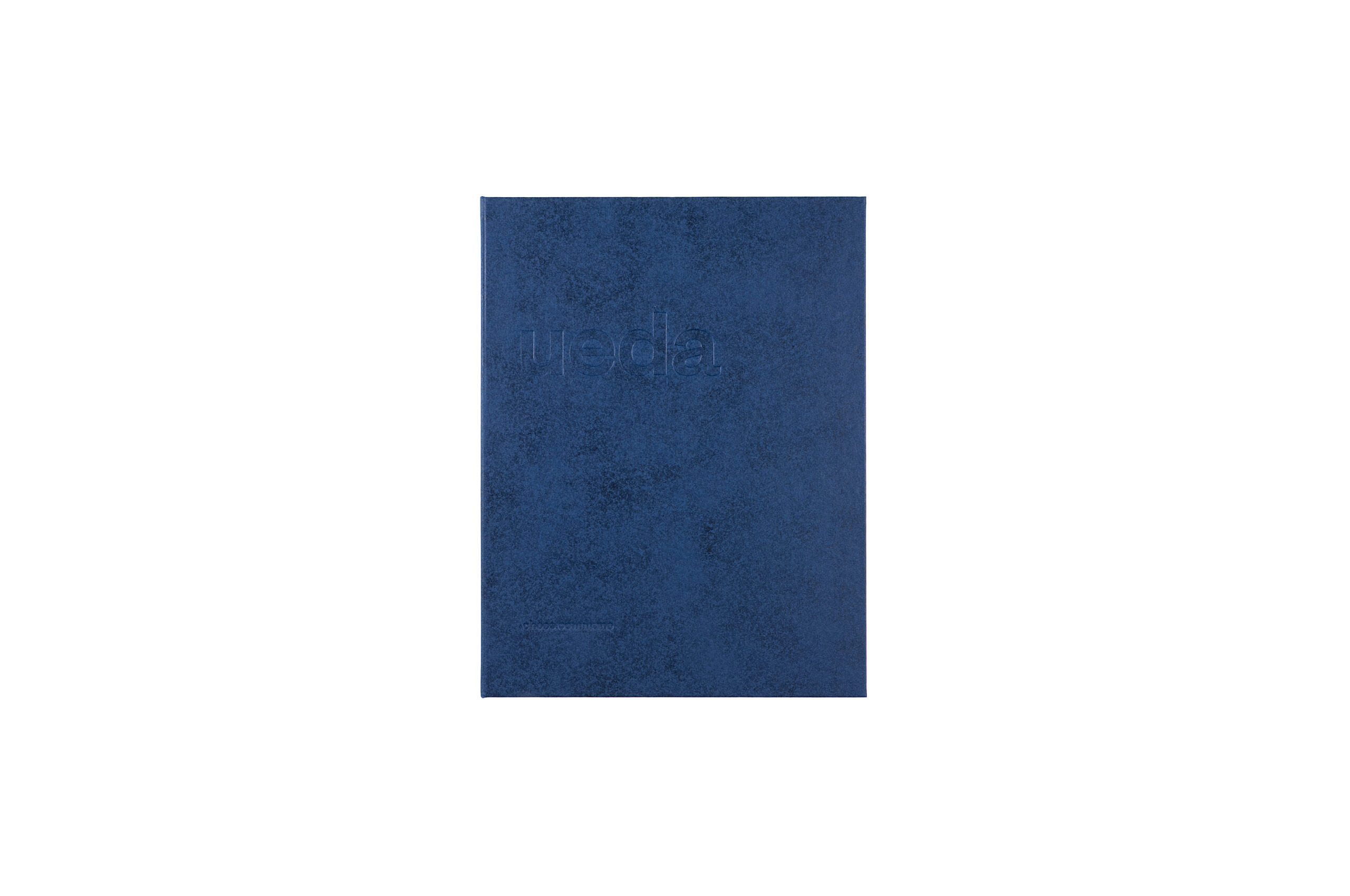
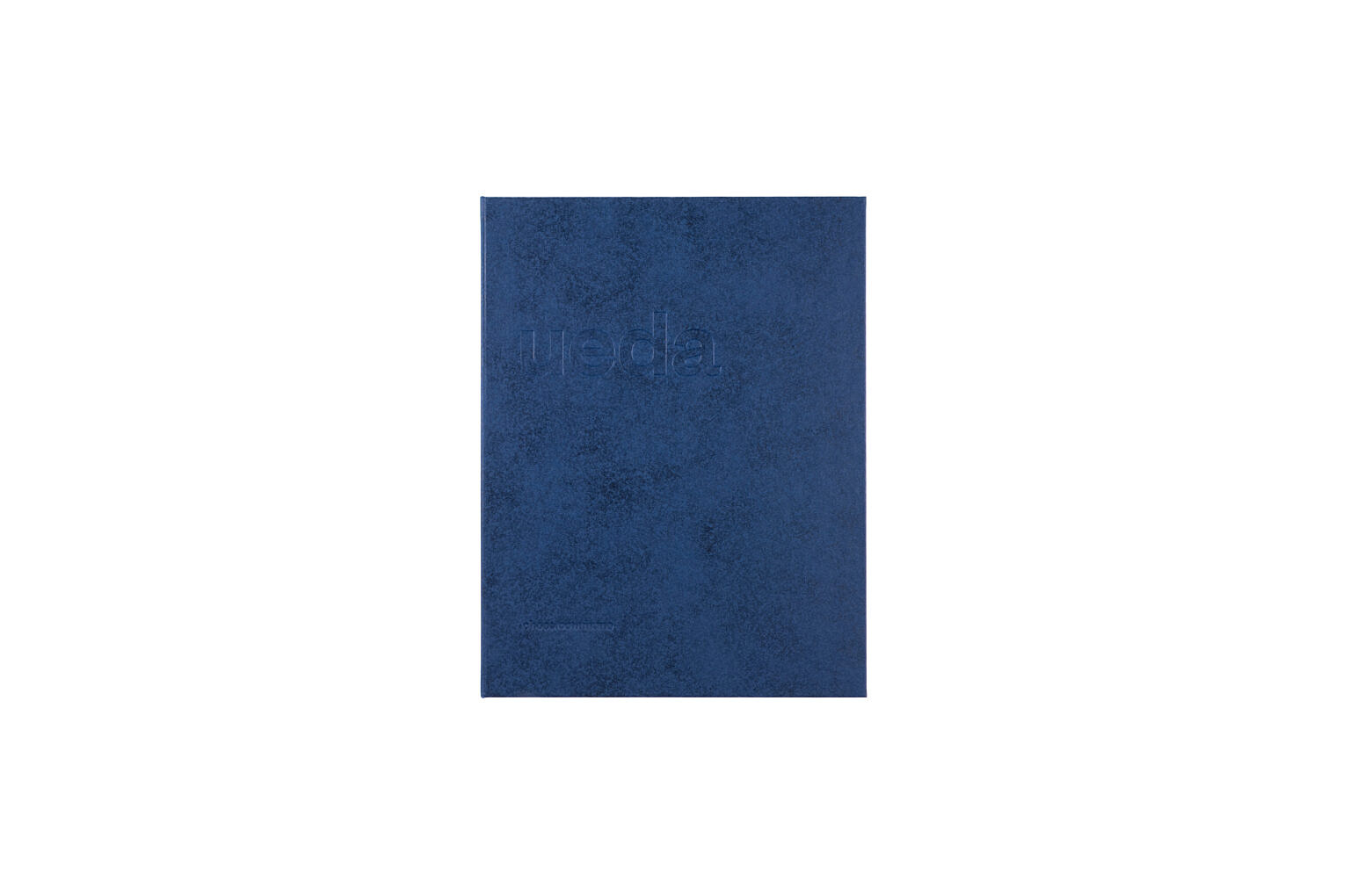
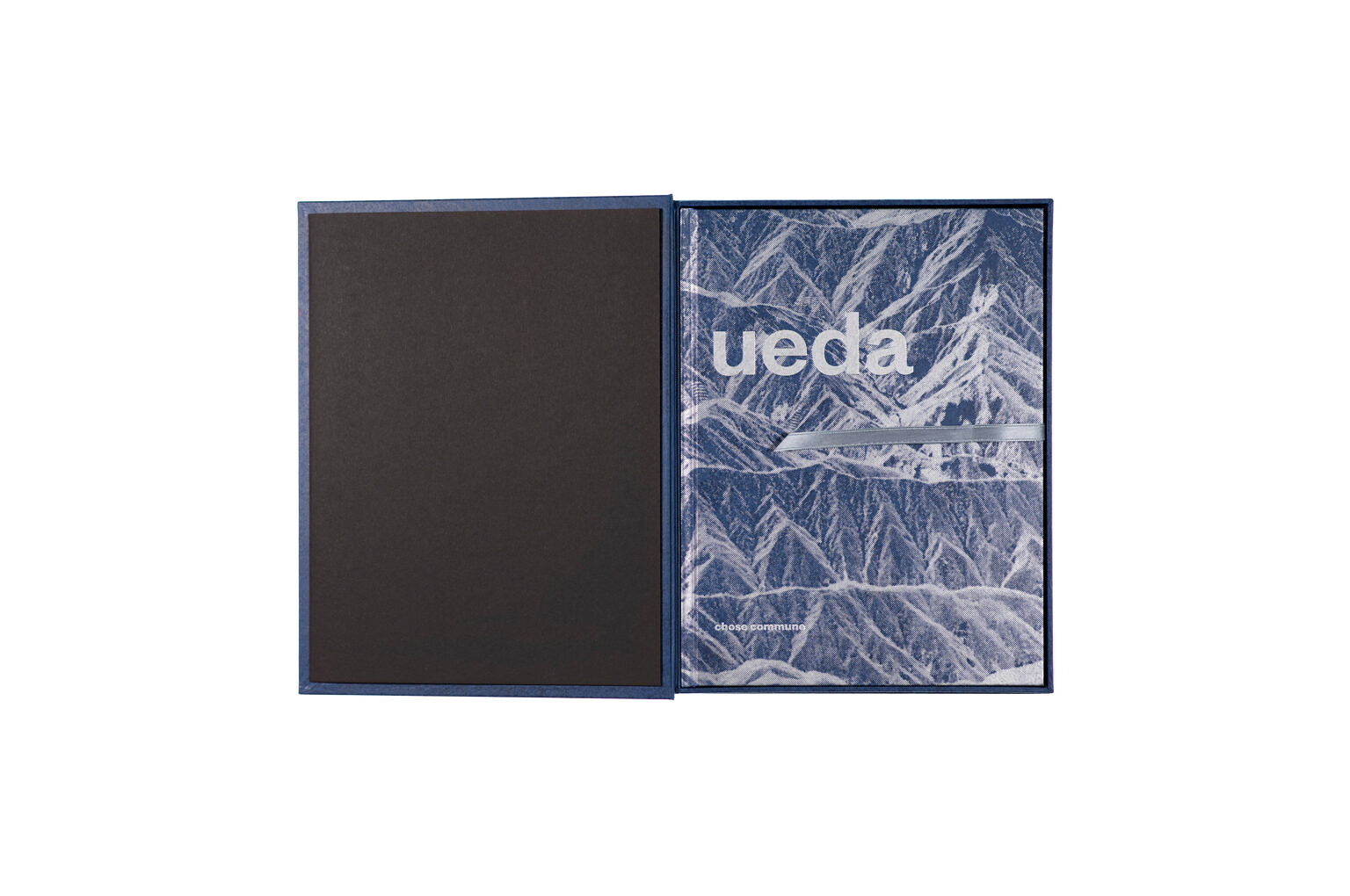
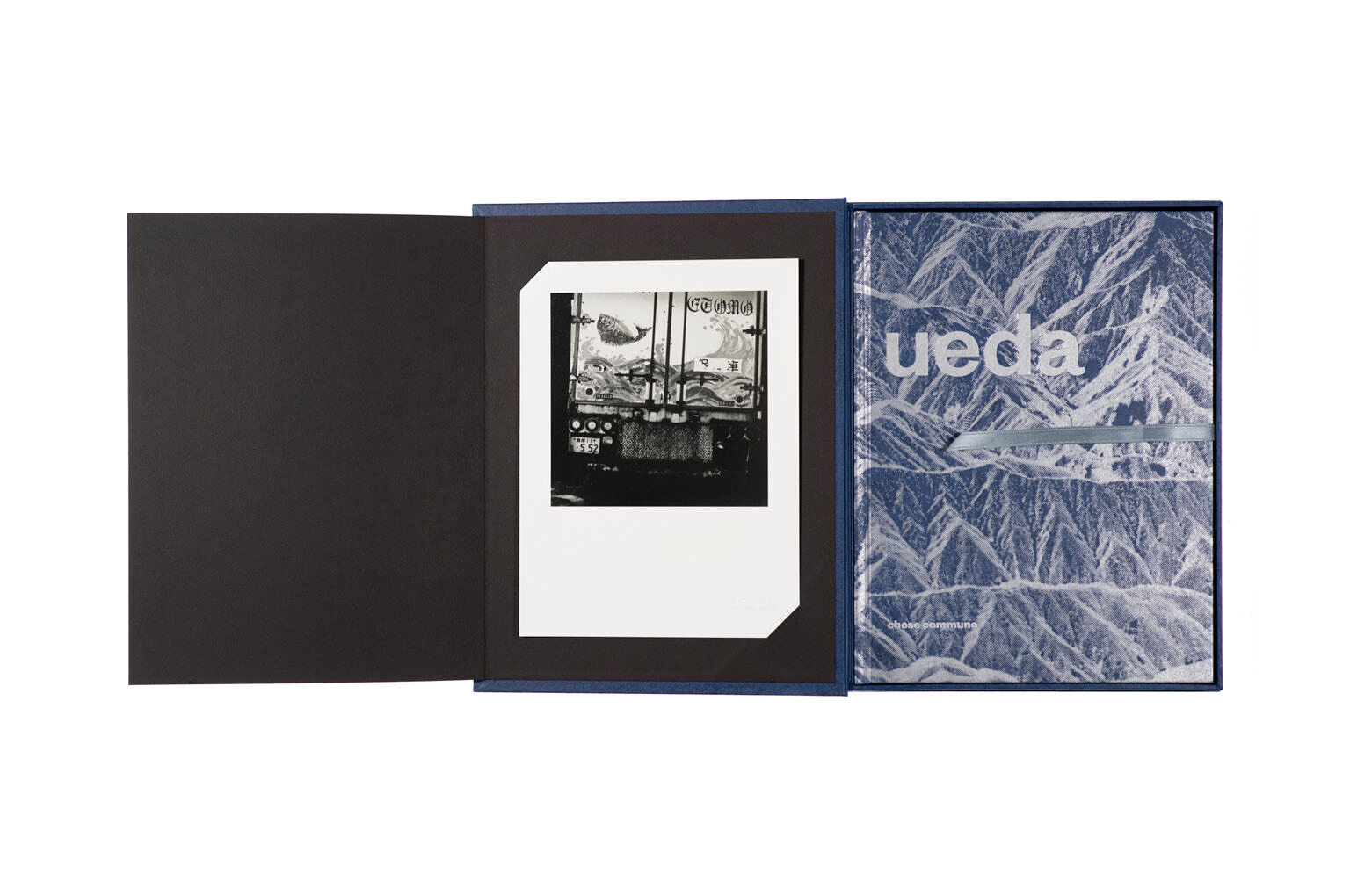
Shoji Ueda
Shōji Ueda
out of stock
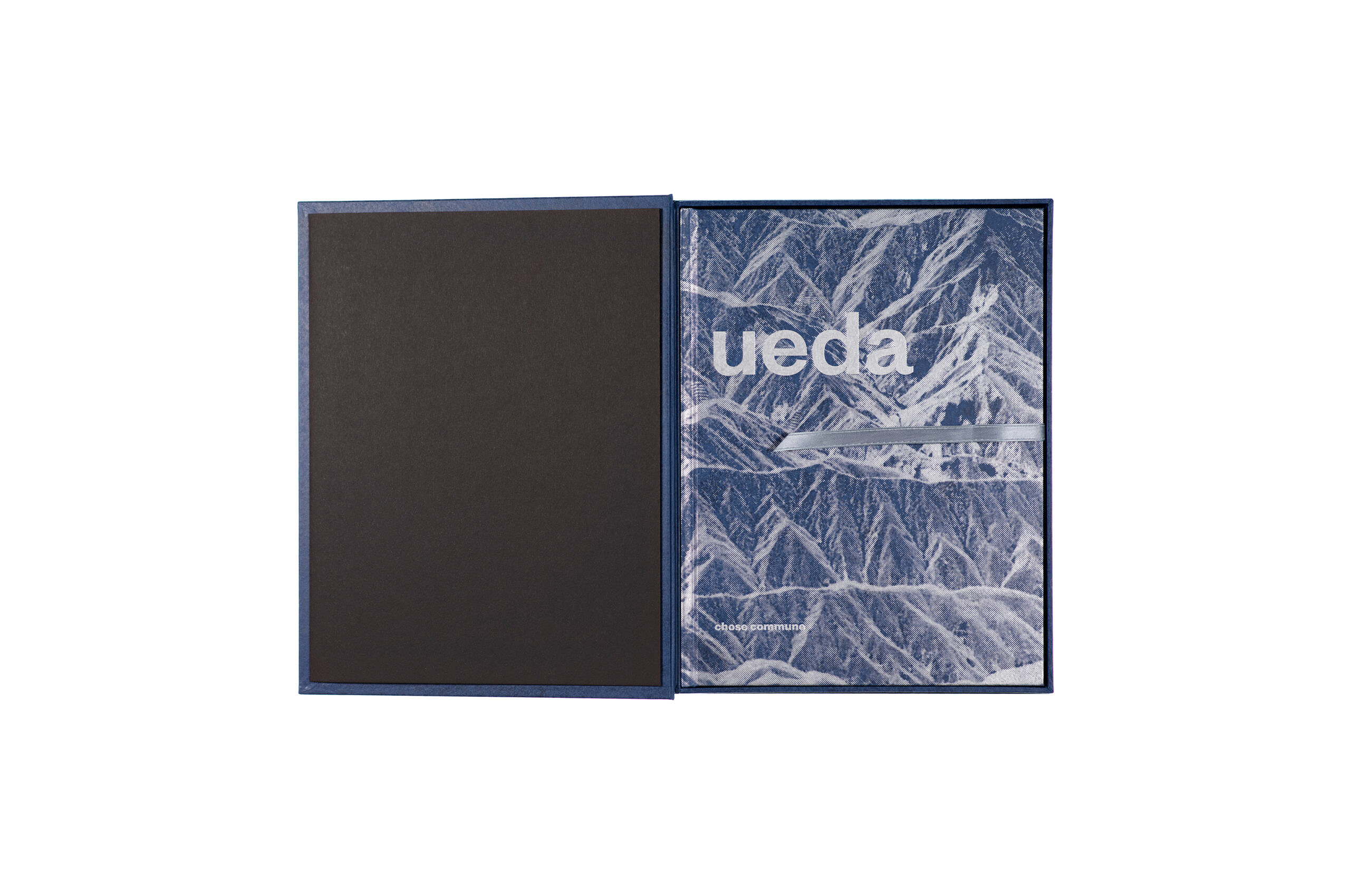
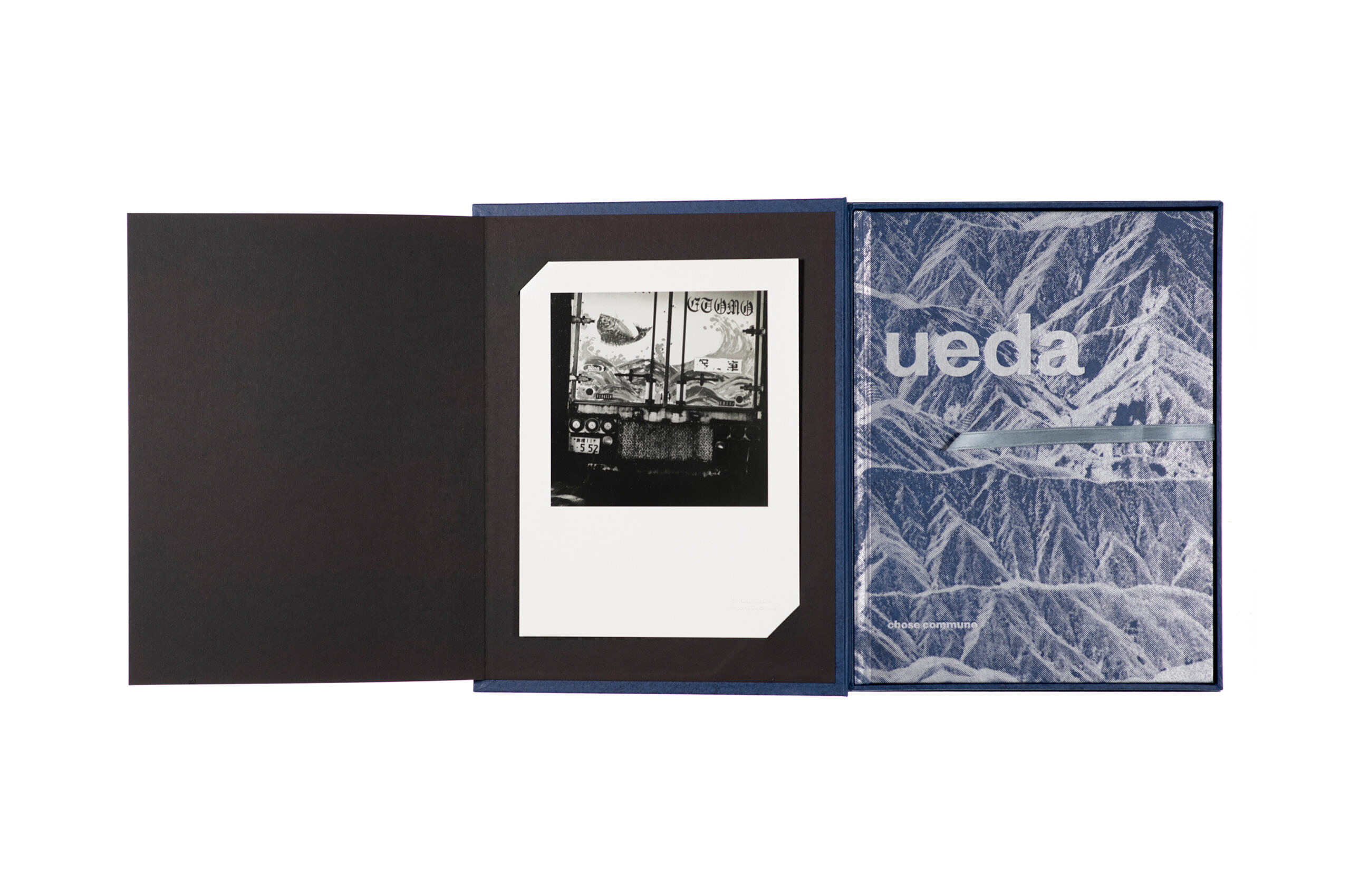
Shoji Ueda (1913-2000), one of Japanese photography’s most remarkable figures, remained profoundly attached to his birthplace of Tottori, on the Sea of Japan, which he used as a backdrop for the vast majority of his work.
Ueda was a sedentary adventurer, ceaselessly exploring the dunes that sculpted the landscape throughout the seasons. His keen eye was drawn to everything around him: a map of the world, a wheat field caressed by the wind, a boy in roller skates, the graceful figure of his wife, Norie…When Ueda wasn’t out wandering, he composed still lives of seasonal fruit and incongruous objects, small treasures found here and there.
This publication is the first trilingual monograph devoted to his work, and brings together a great many previously unpublished photographs, in both black and white and colour. For the occasion, Chose Commune has given carte blanche to the writer Toshiyuki Horie (Yukinuma and Its Environs, The Bear And The Paving Stone), whose text is like musical notes resonating with the photographer’s distinctive universe.
Free shipping to France on orders over 50€ 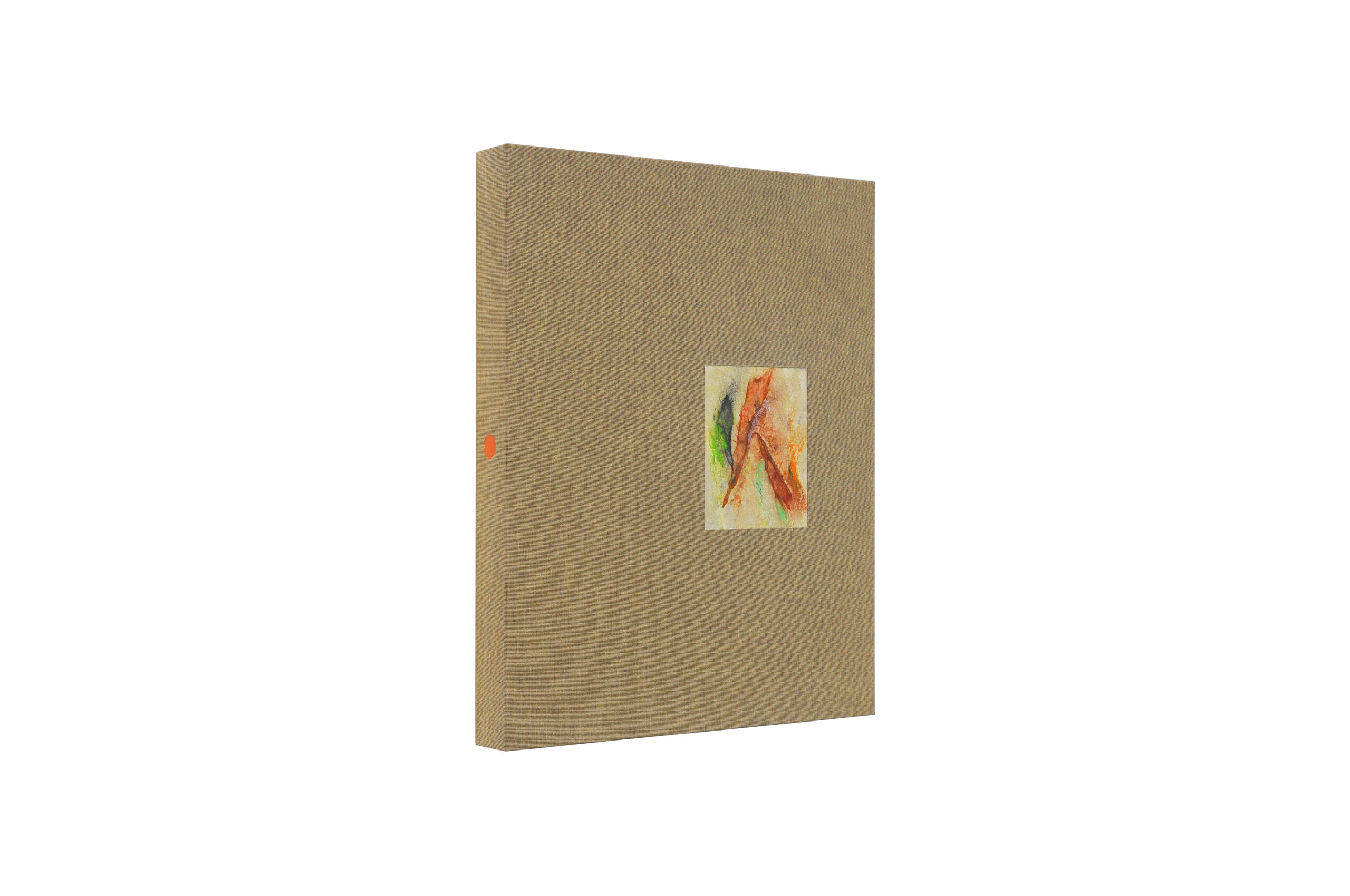
Vasantha Yogananthan
Exile
out of stock
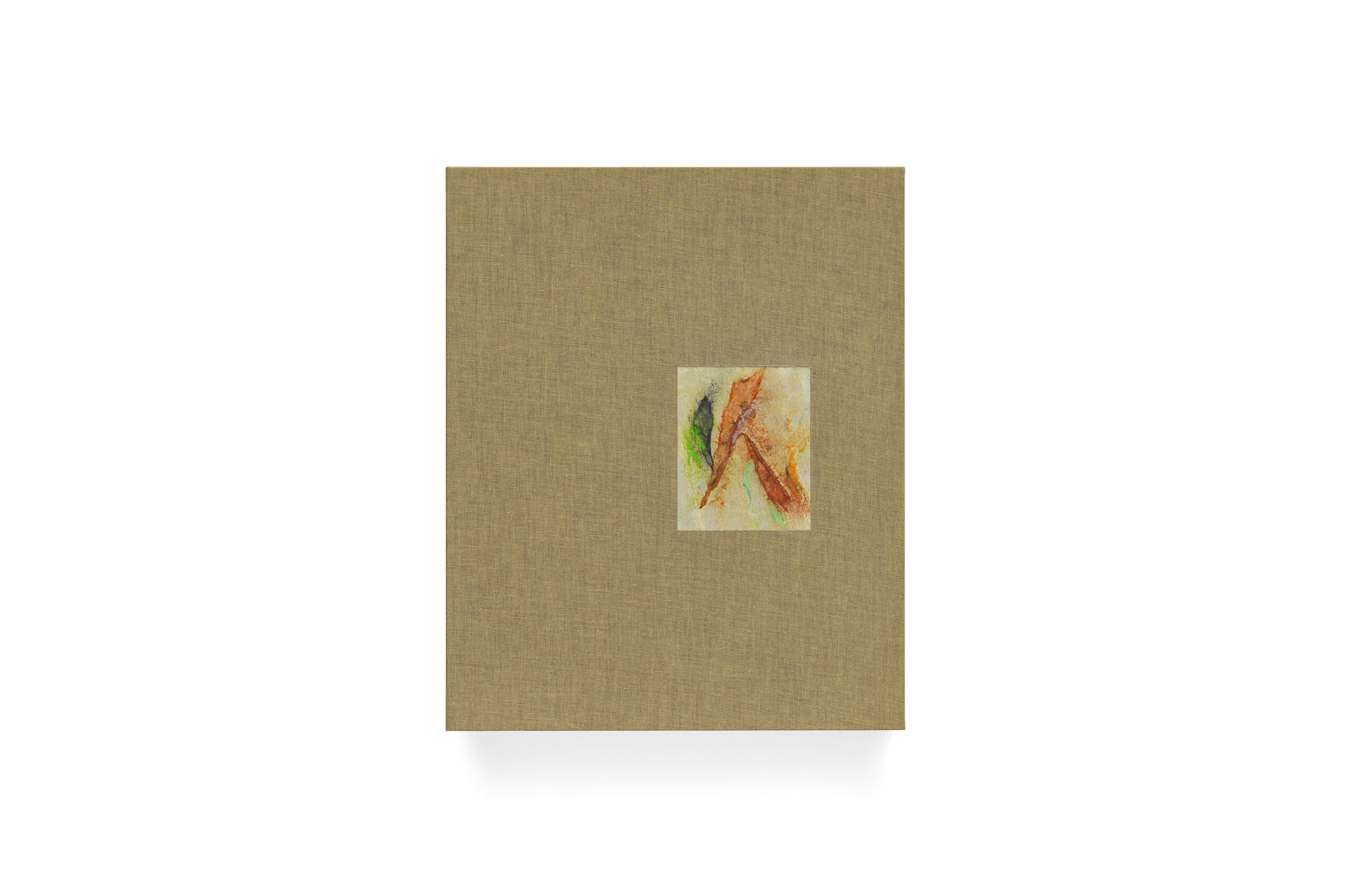
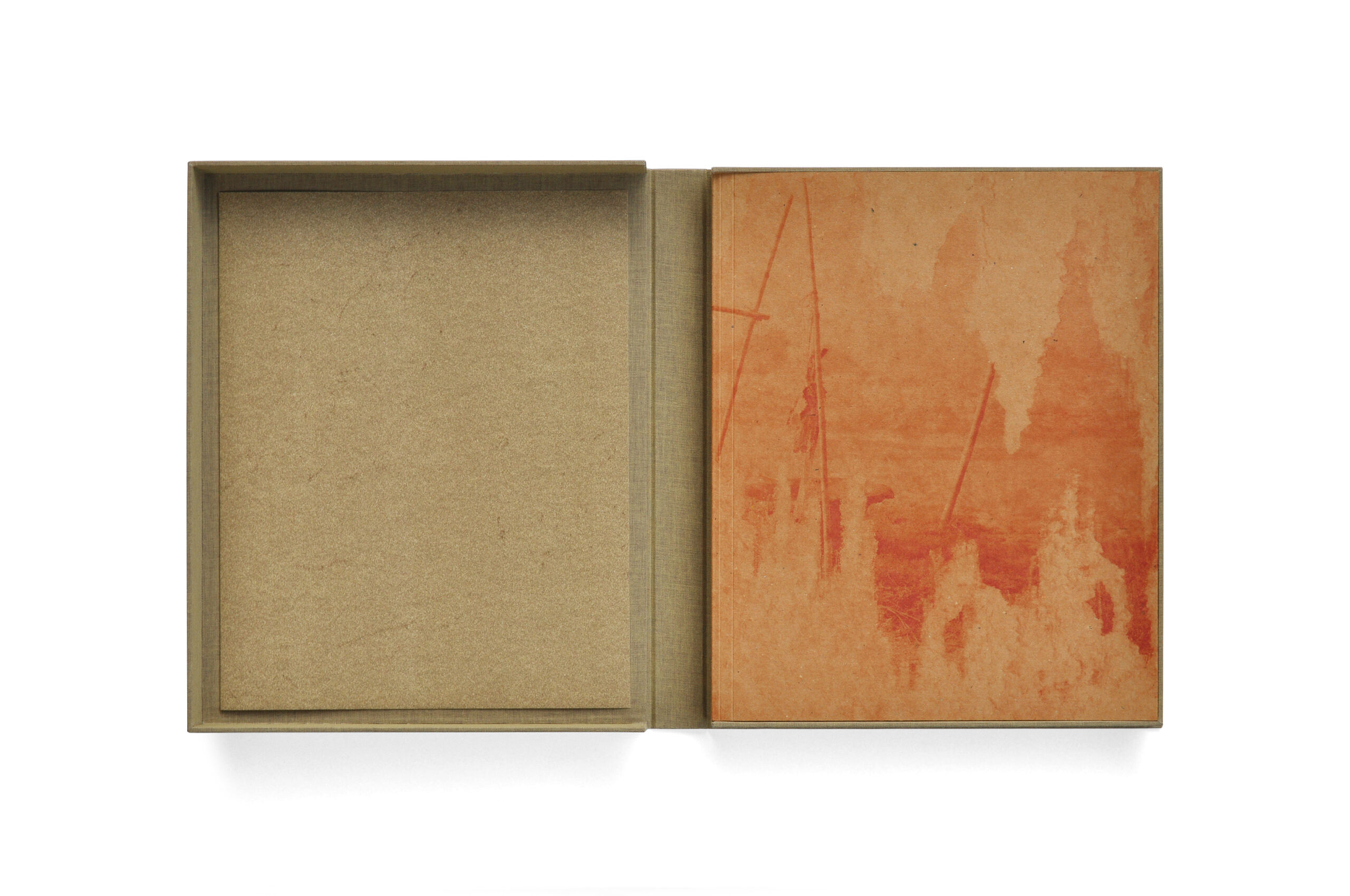
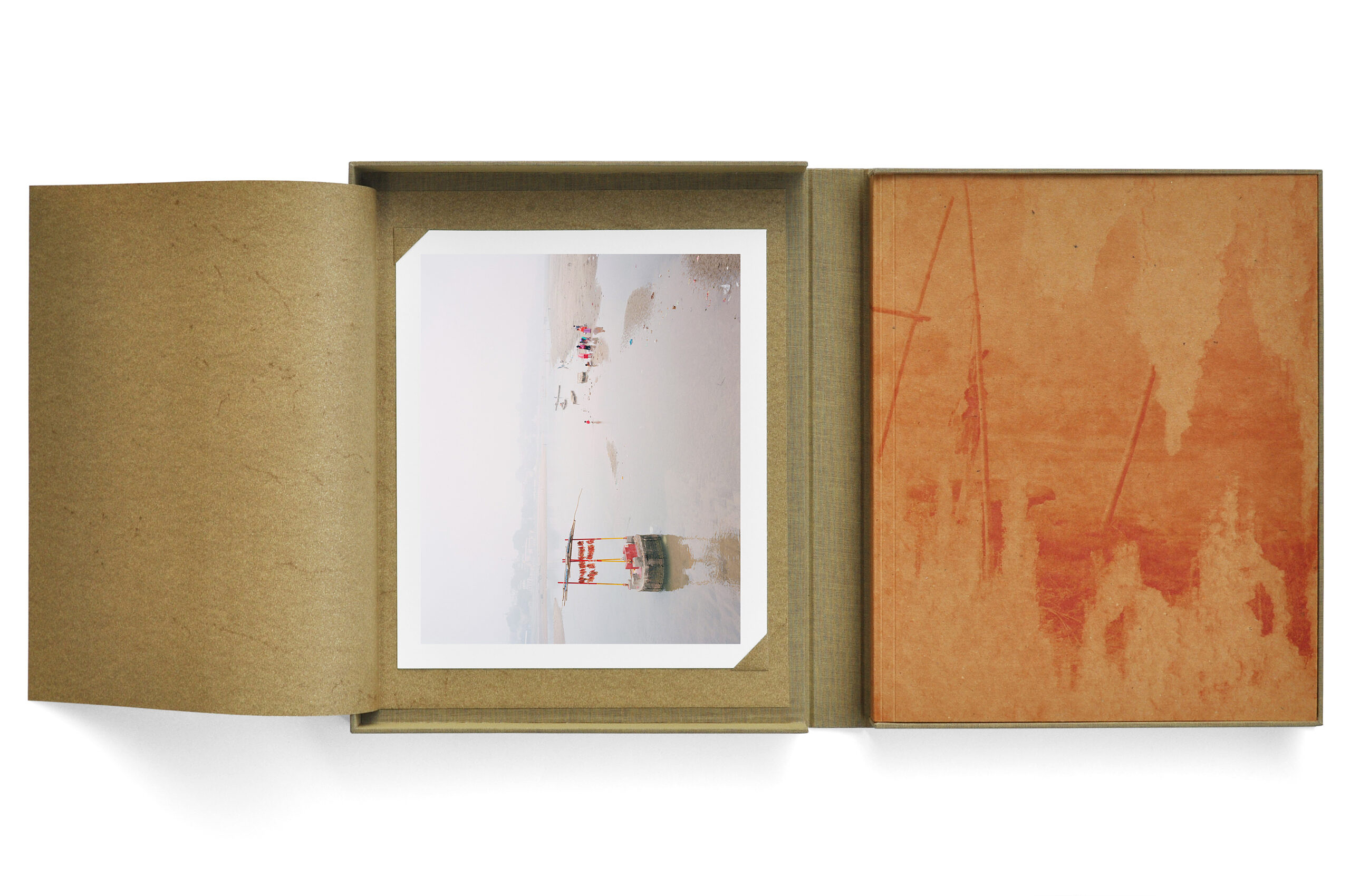
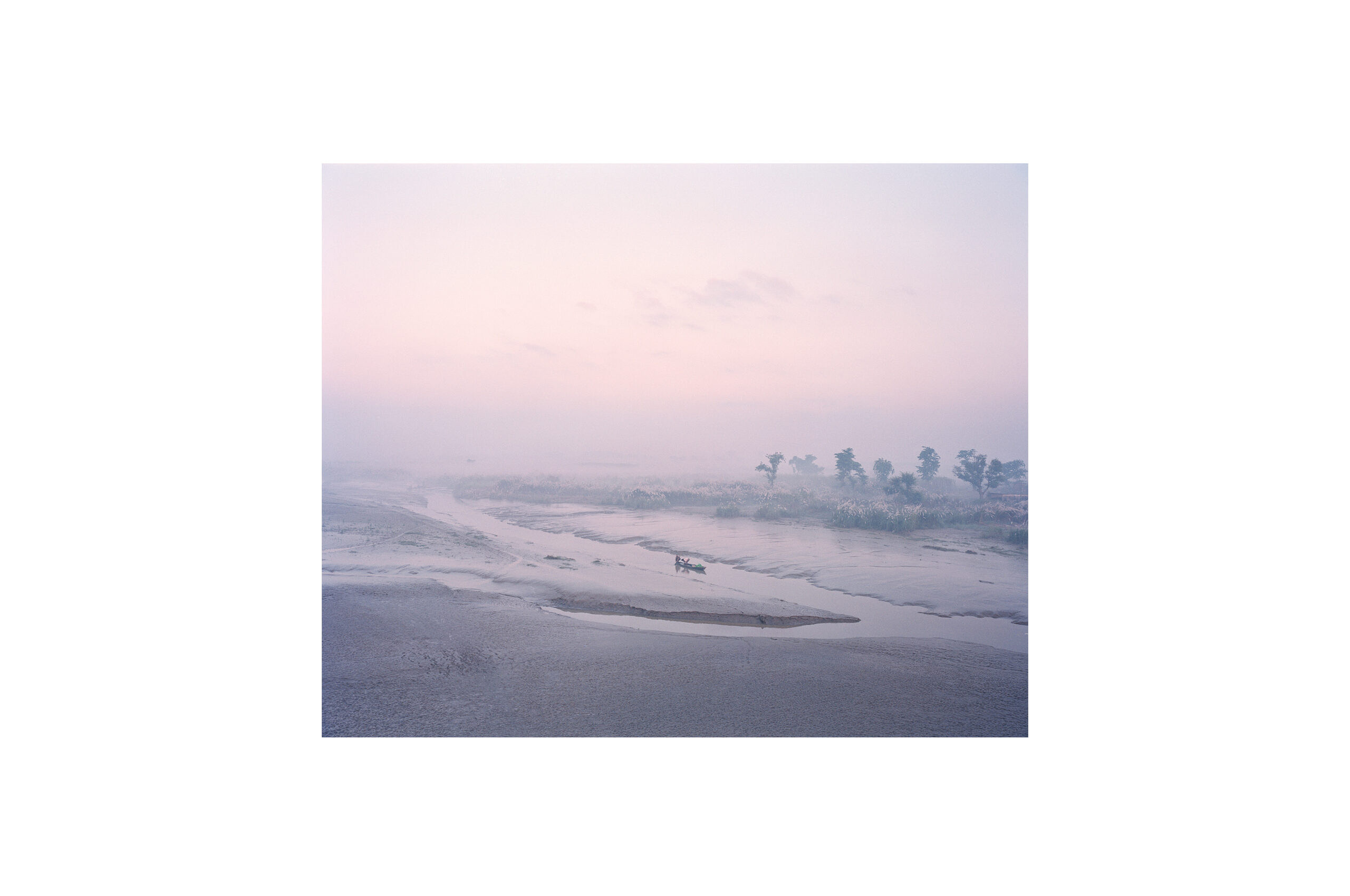
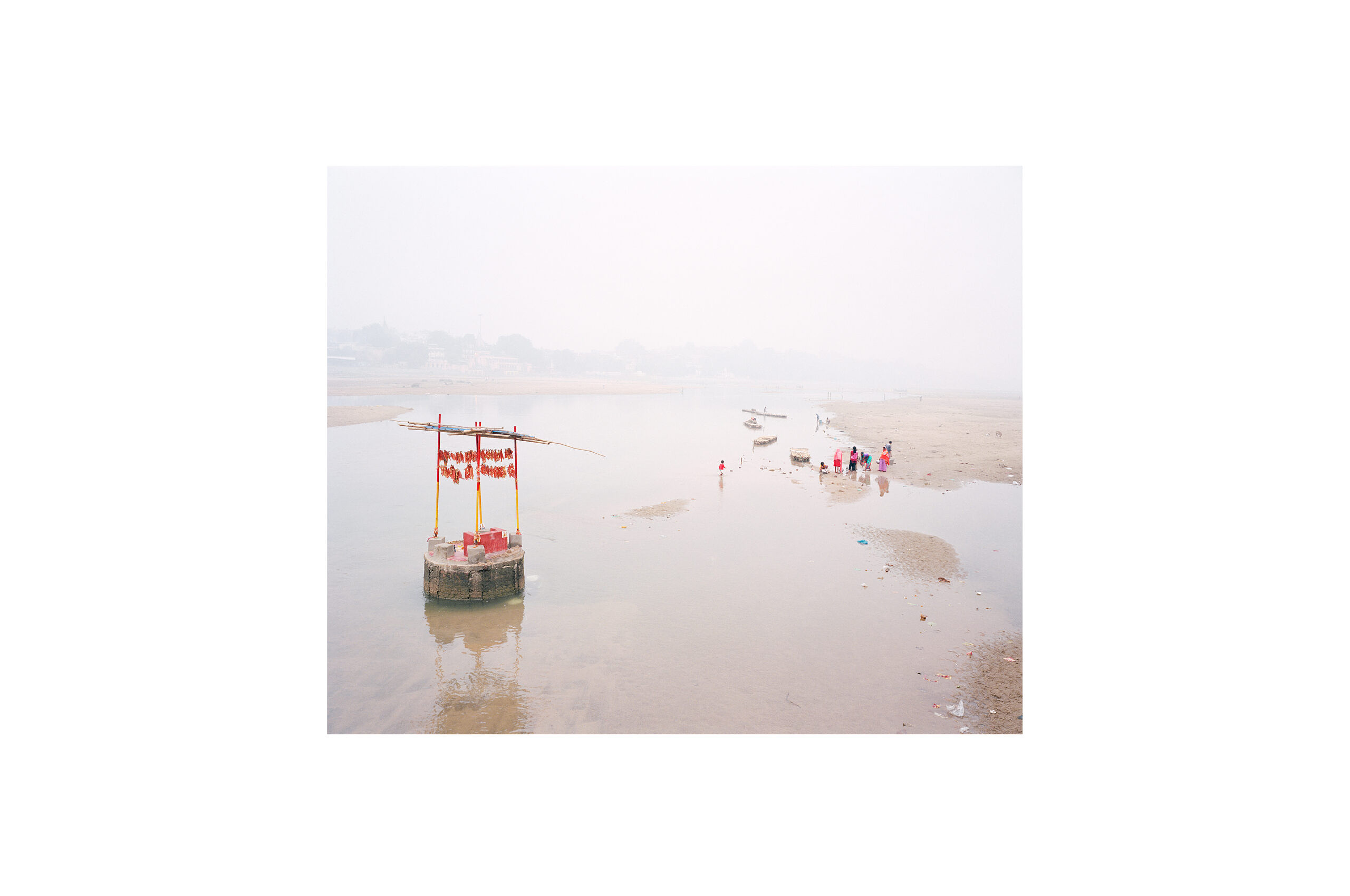
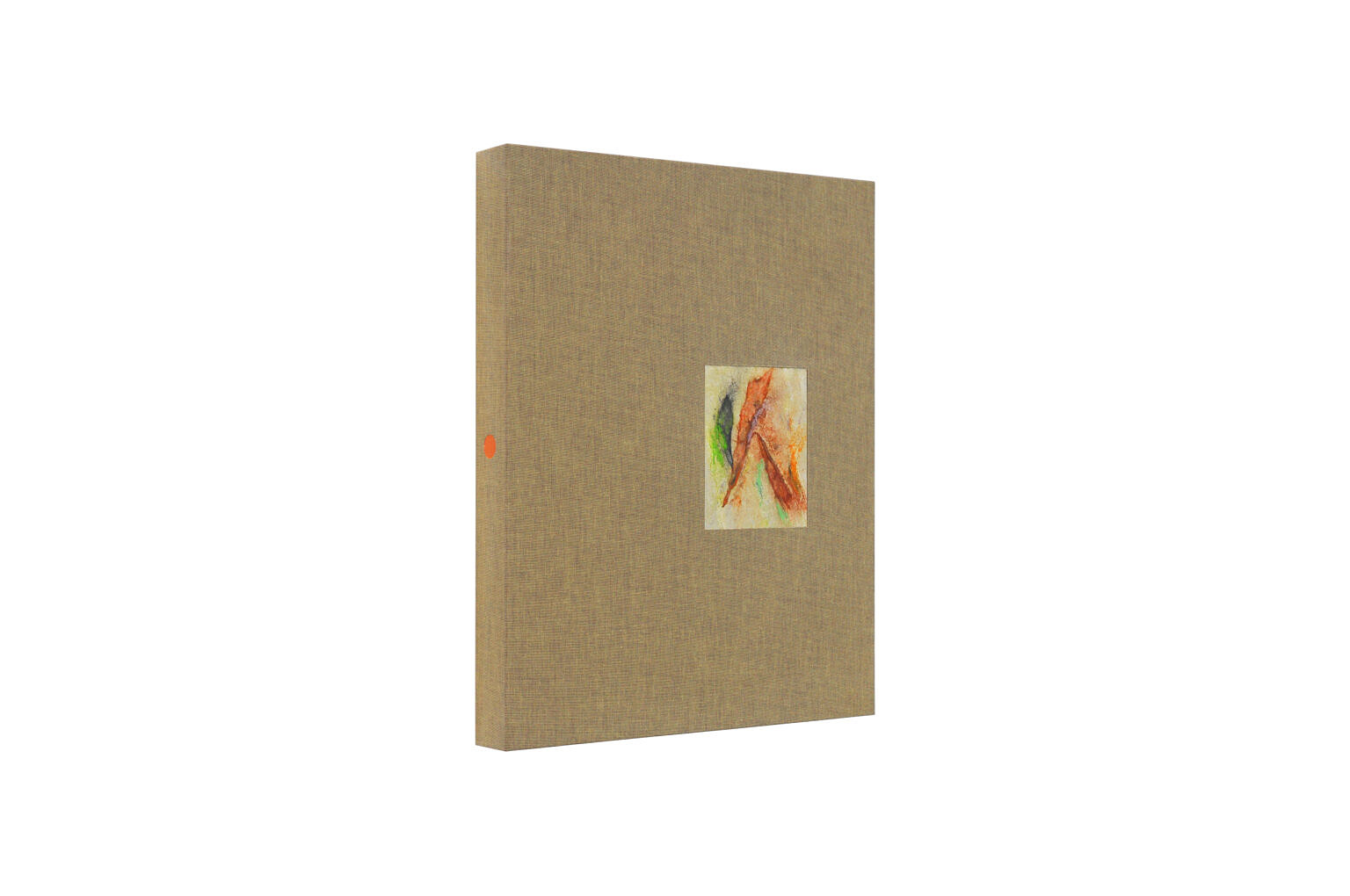
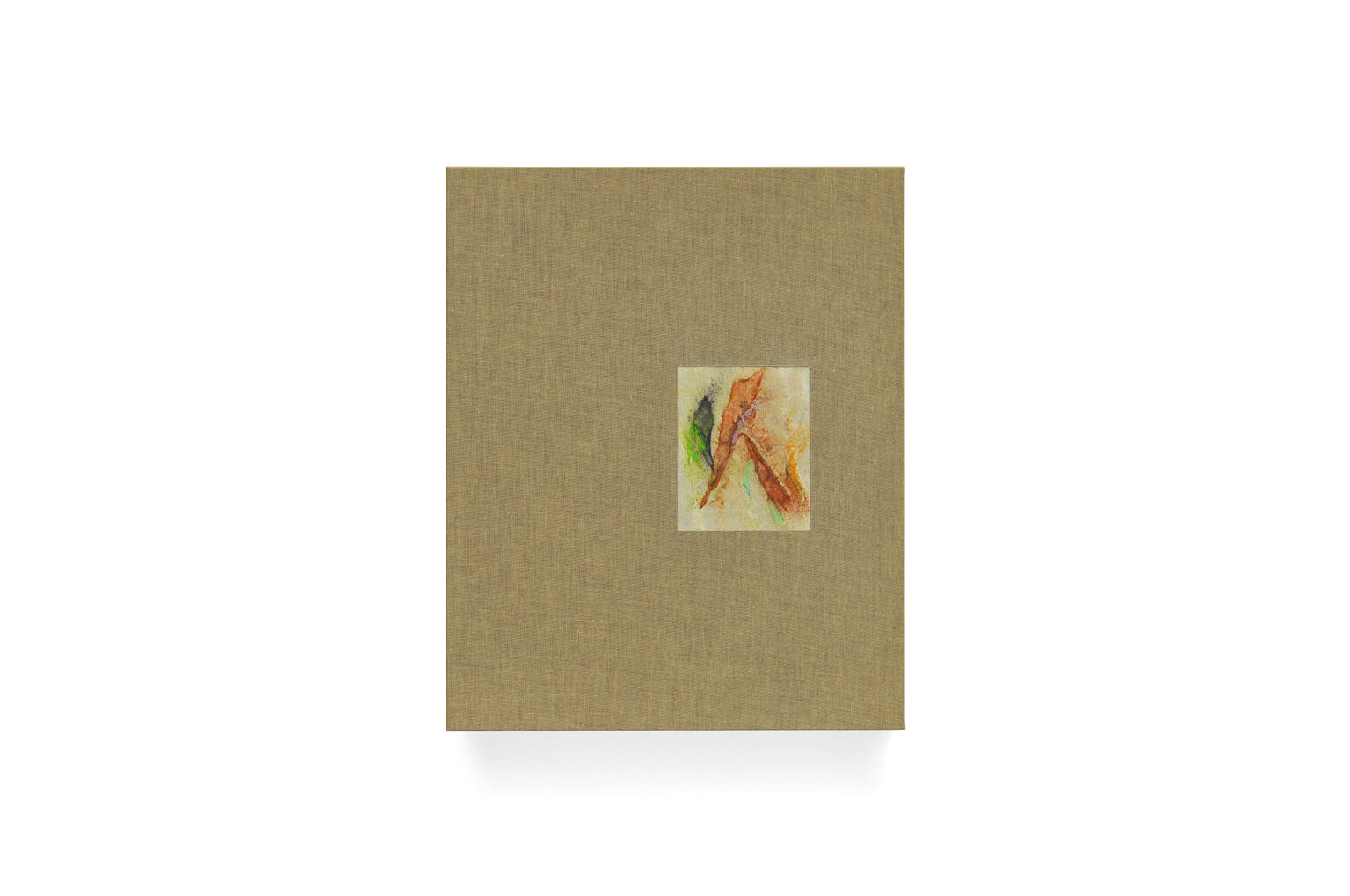
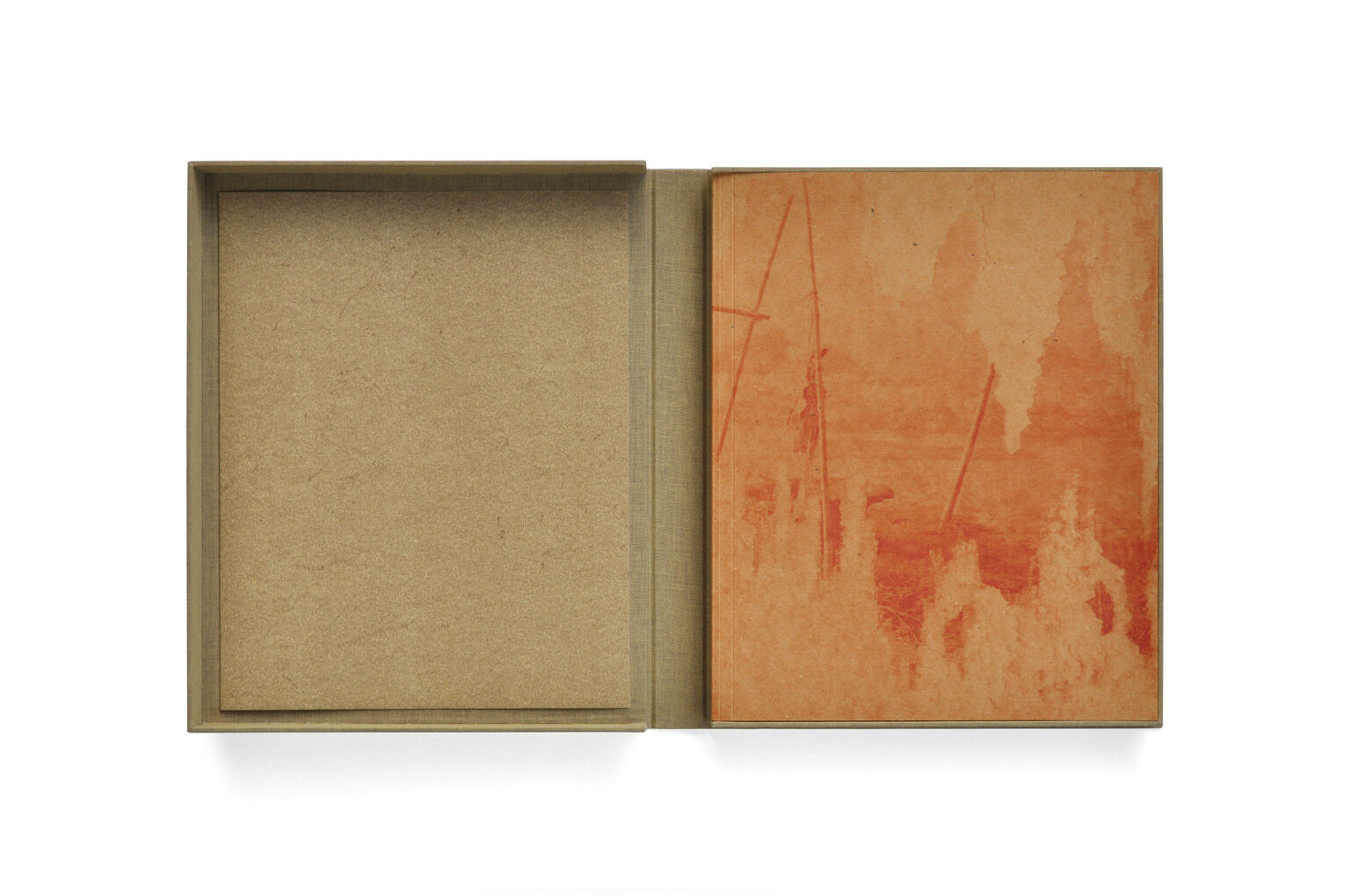
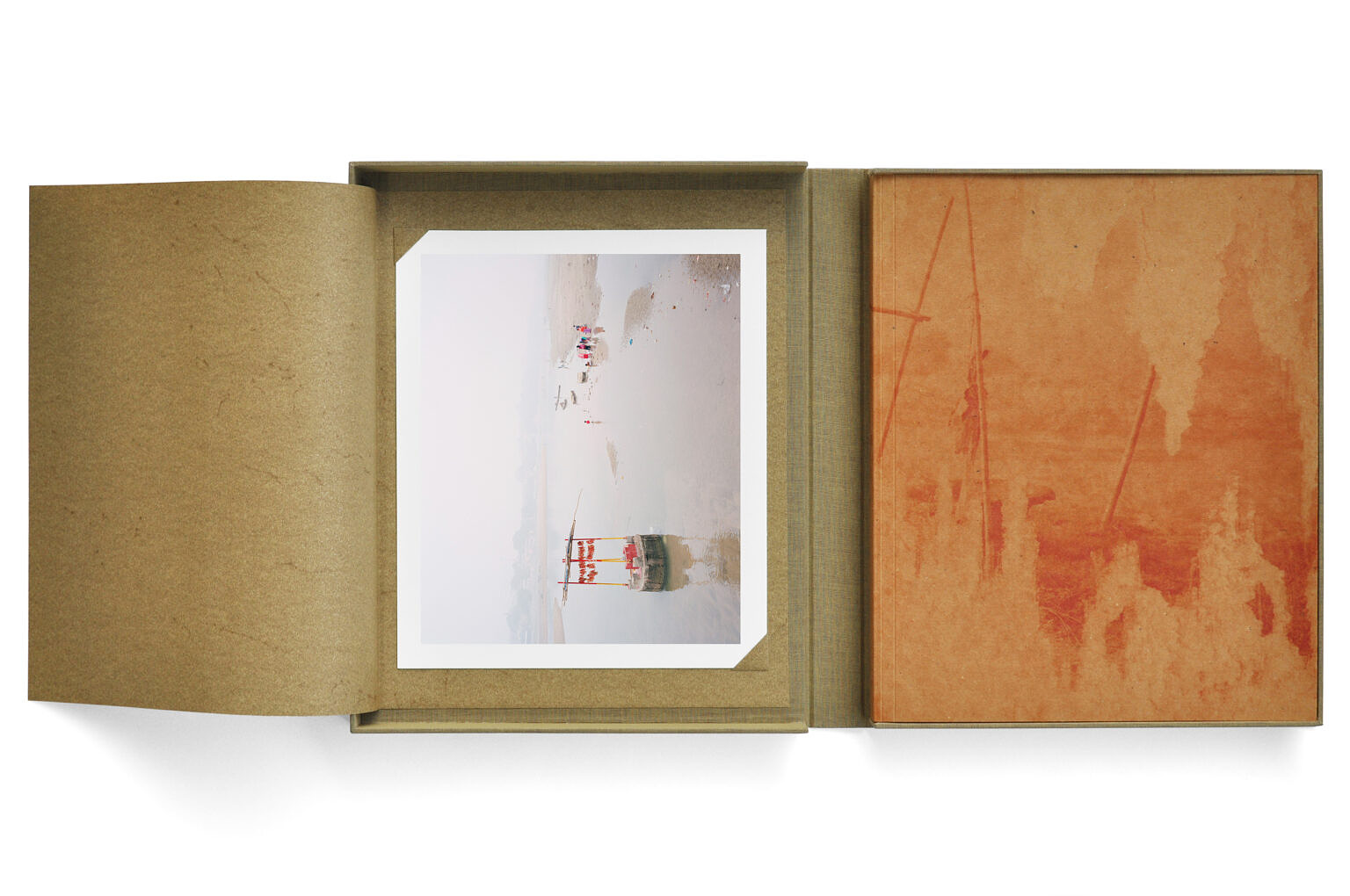
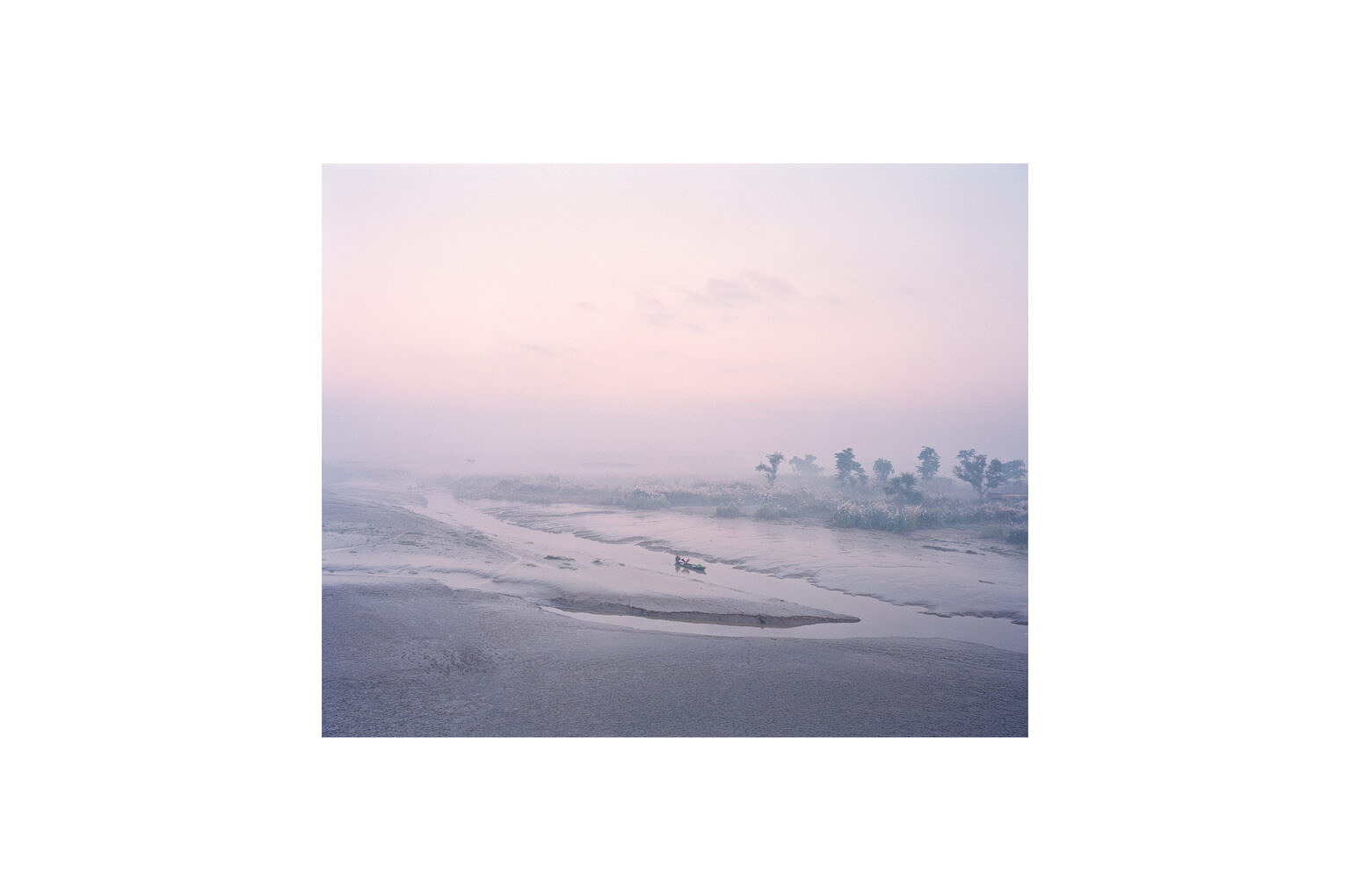
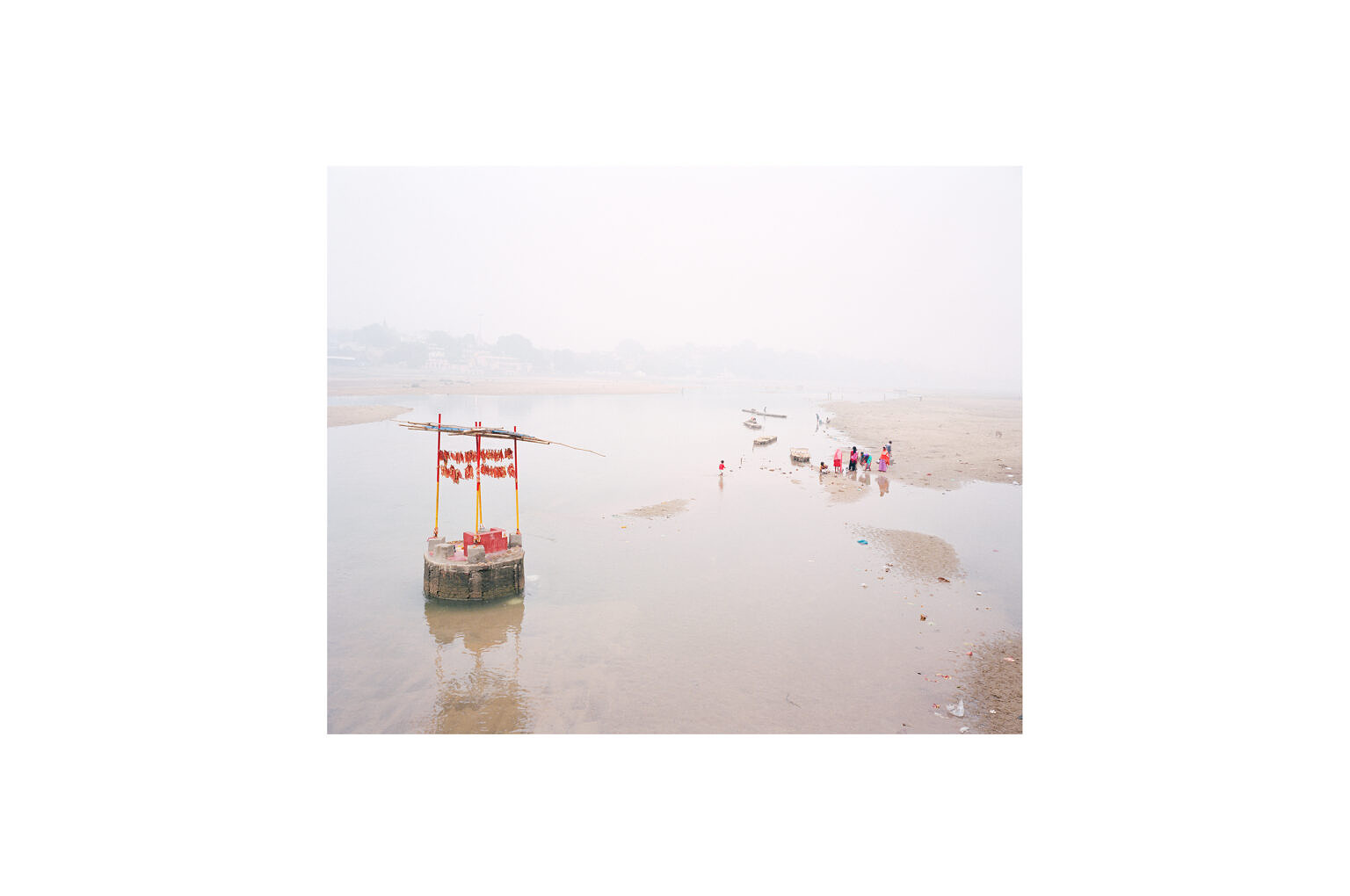
Edition of 21 comprising a first edition book with one of two inkjet prints by Vasantha Yogananthan (21 x 25 cm, signed and numbered on the reverse), housed together in a 32 x 26 cm clamshell box, handmade by La Reliure Contemporaine (Morina Mongin).
Each box is unique and may look slightly different from the picture.
He is a self-taught photographer who is deeply attached to silver photography. The book is a central object in his practice, which led him to co-found the publishing house Chose Commune. He has carried out his projects over a long period of time, first in France on the beach at Piémanson (2009-2013), then in India and Sri Lanka Sri-Lanka around the myth of the Rāmāyana (2013-2021). In 2022, he carries out a new project in New Orleans, USA, as part of the Immersion program of the Fondation d'entreprise Hermès, of which it is a winner. He is represented by Jhavery contemporary (Mumbay) and The Photographers’ Gallery Print Sales (London).
Free shipping to France on orders over 50€ 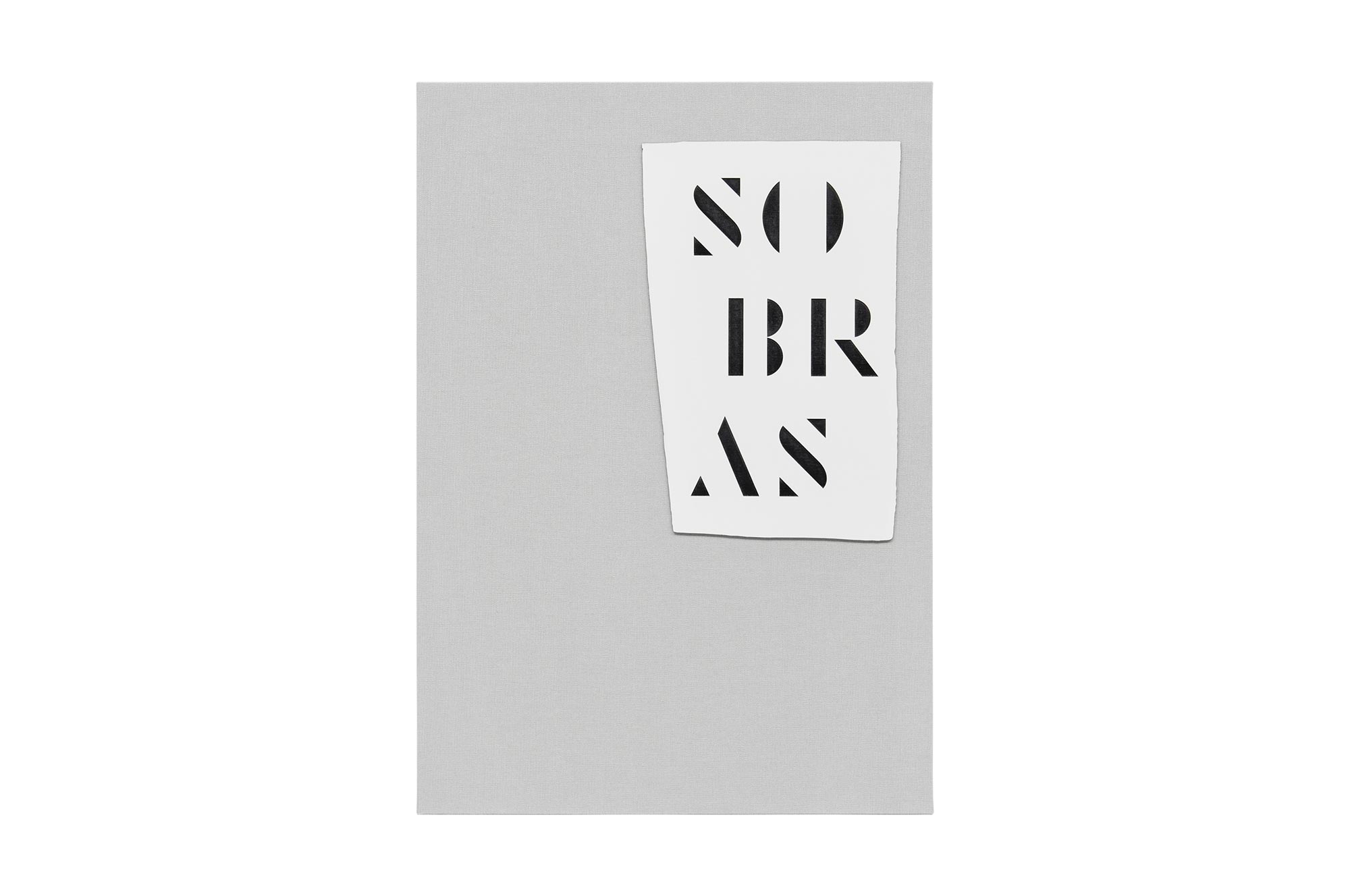


Geraldo de Barros
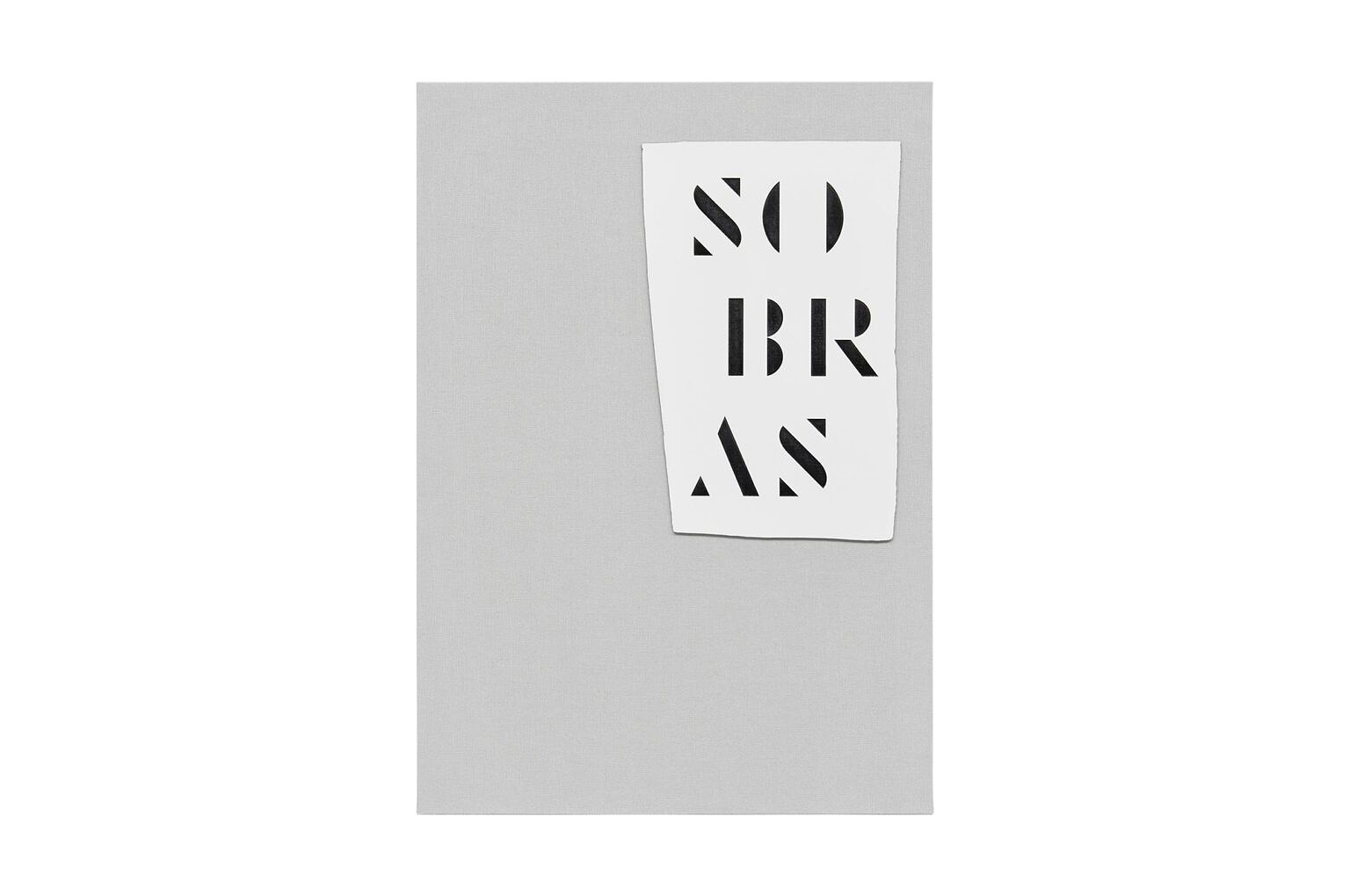
Sobras
last copies
Geraldo de Barros (1923-98) is one of the major figures of the Brazilian artistic scene during the second half of the 20th century. He was an inventive and experimental artist with a diverse practice that included painting, photography and design, as well as being one of the founding members of concrete art in São Paulo.
Following a series of strokes, de Barros returned to photography at the end of the 90s. Revisiting his archive with the help of an assistant, he created cuts and collages from old family photographs – making his last and most personal series: « Sobras » (Remains).
The book « Sobras » is the first international publication devoted to this work, and sits somewhere between a historical tribute and artist book. Vanessa Barbara, a young Brazilian writer, compliments de Barros’ last photographs with a quirky short story inspired by his striking world, in which pitch blacks contrast with the dazzling white snow of his winter memories.
He was one of the leading figures of the Brazilian avant-garde and is now recognized as a key figure in the Brazilian art scene of the second half of the 20th century. A curious artist with a passion for experimentation, his work was highly diverse. As both a painter, photographer, and designer, he was also one of the founding members of concrete art in São Paulo.
Free shipping to France on orders over 50€ 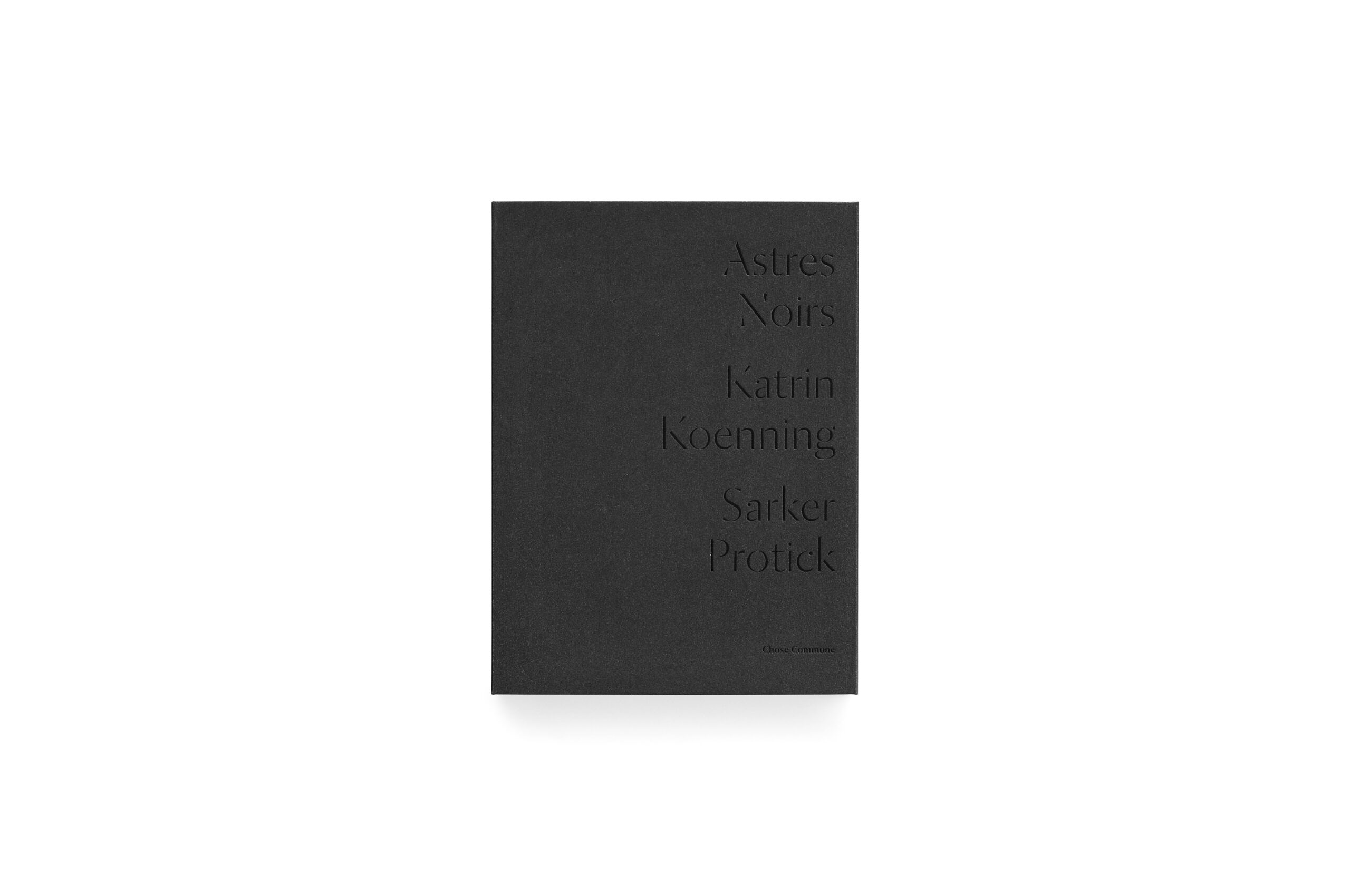
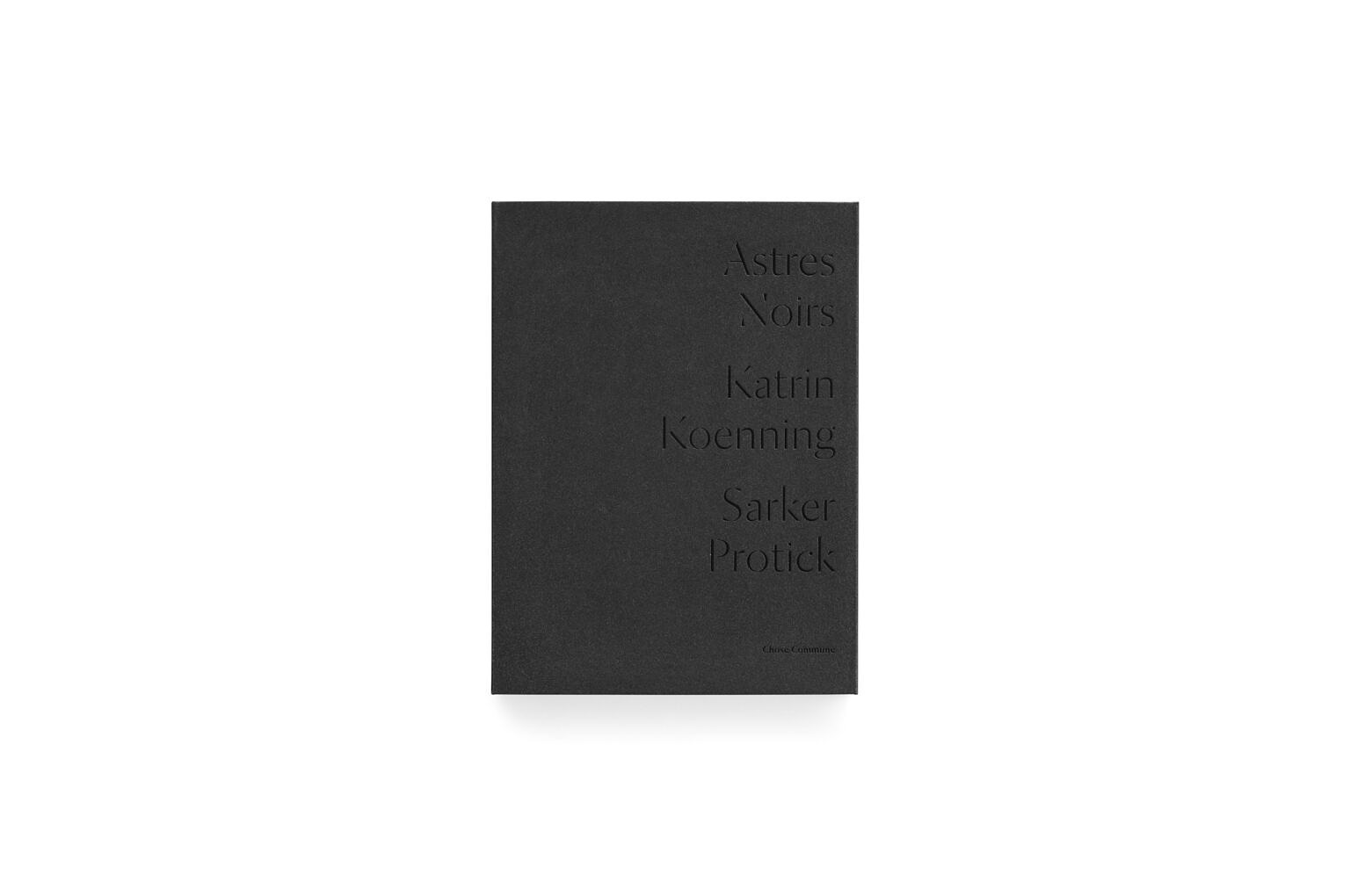
Katrin Koenning, Sarker Protick
Astres Noirs
out of stock
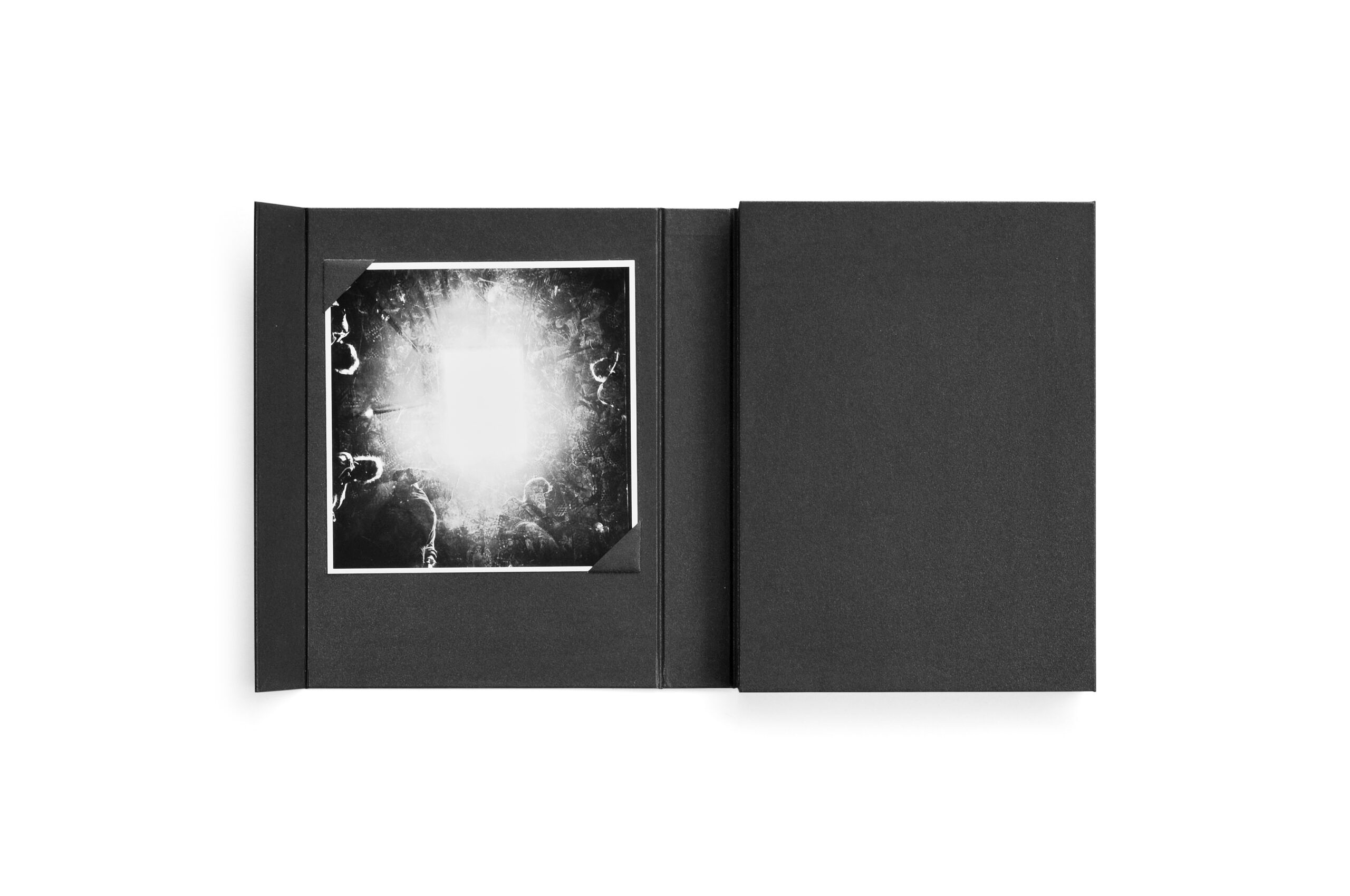
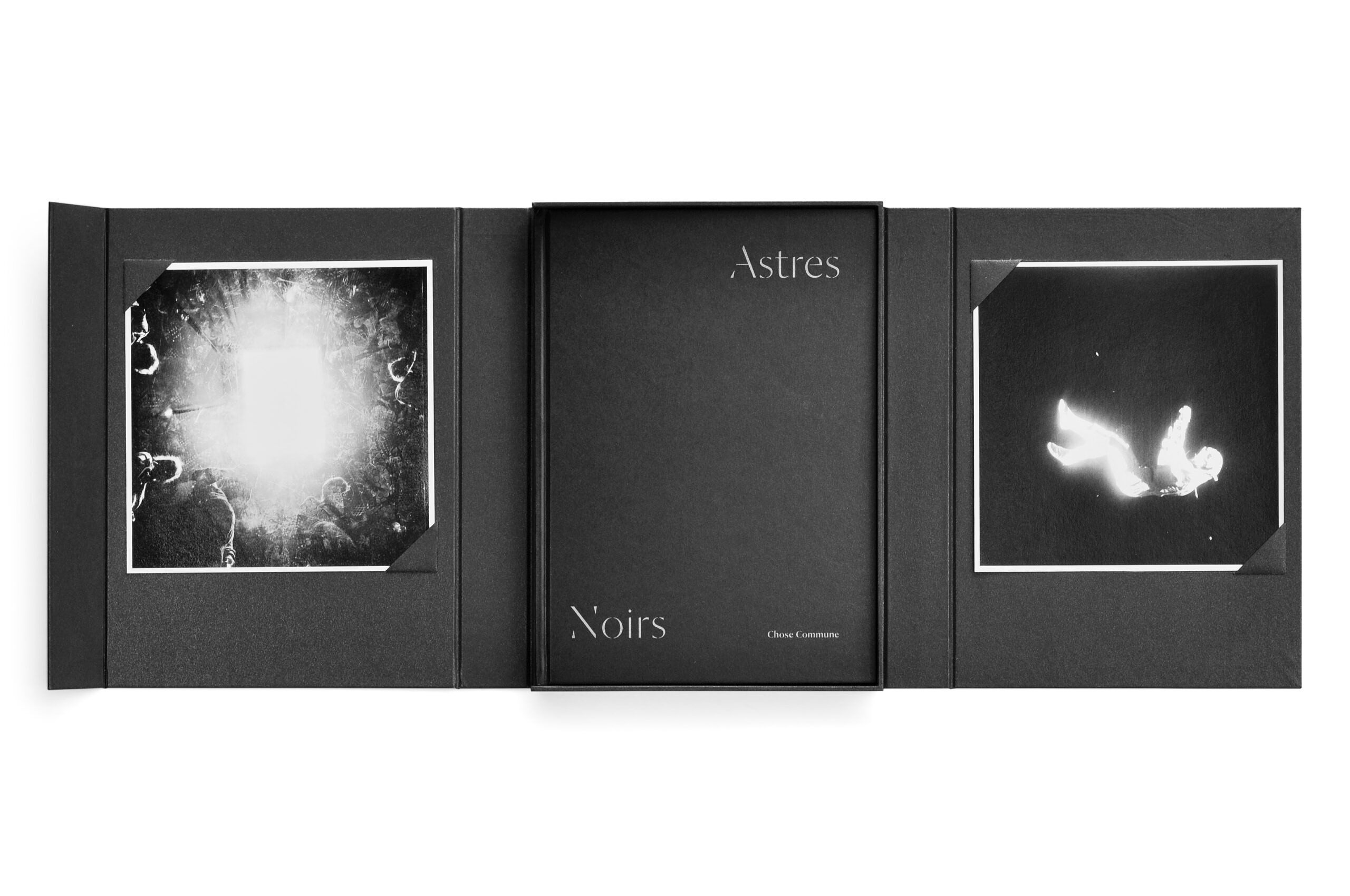
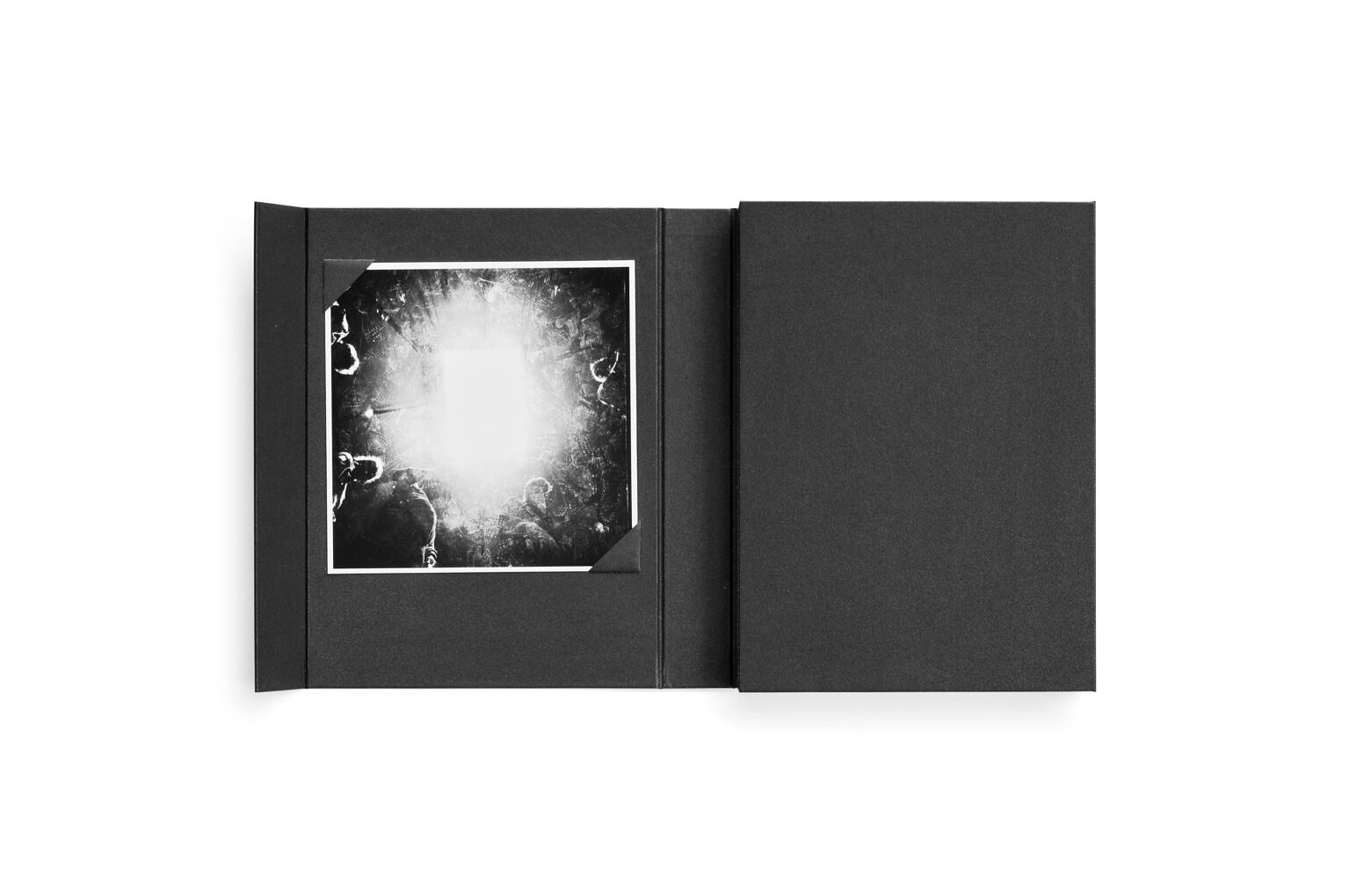
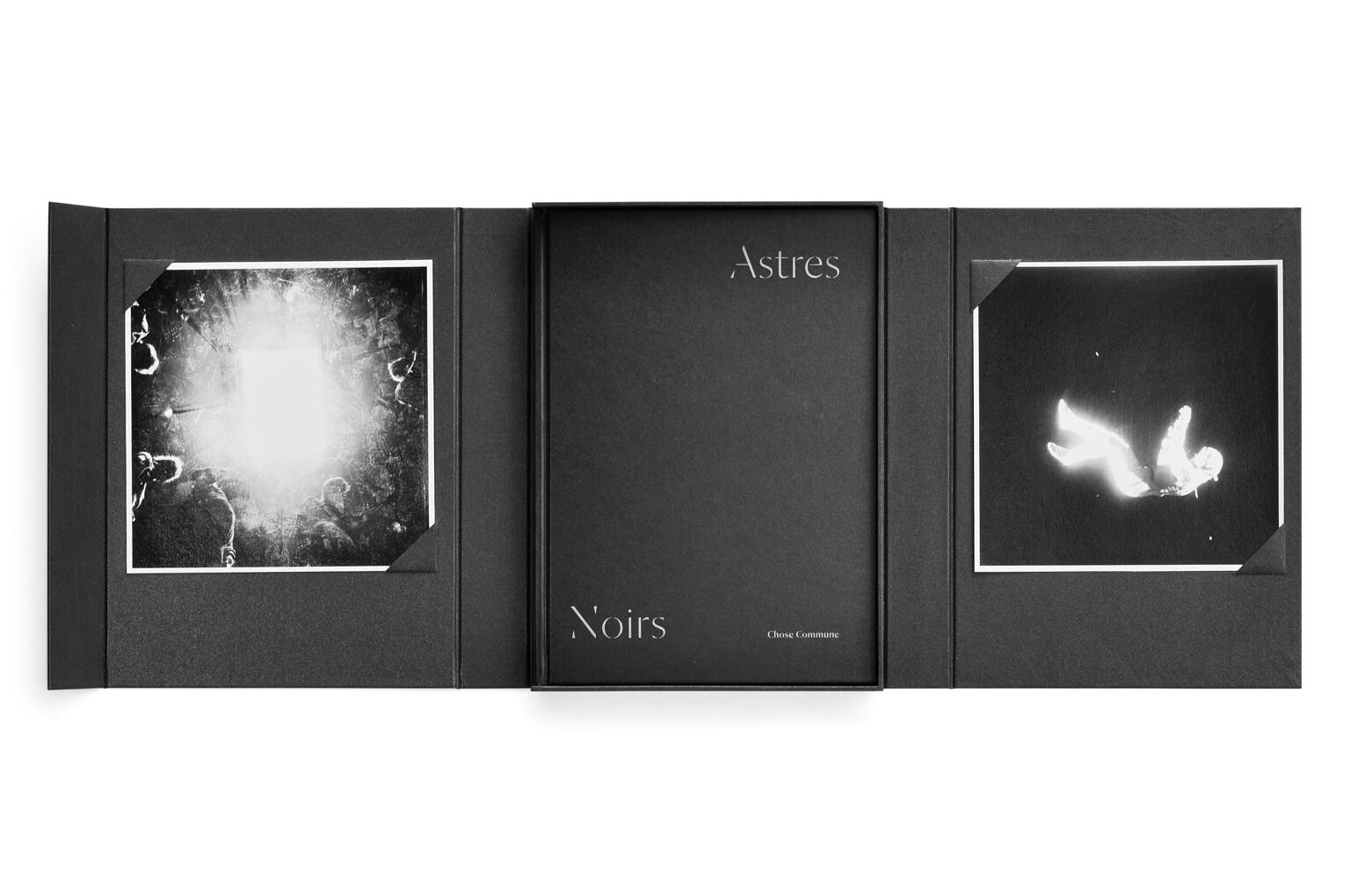
‘Astres noirs’ is the debut book for both Katrin Koenning and Sarker Protick, artists who live thousands of miles apart whose peculiar photographic wanderings create a hauntingly beautiful dialogue. This book presents photographs taken on mobile phone cameras, devices used to capture their everyday in an impulsive and almost obsessional way, documenting life from their doorsteps to far afield.
Their photographs capture the commonplace such as water stains on asphalt, dust clouds and rays of light, and transform these into mesmerising frames – elusive fragments that evoke an imaginary creature, a milky way, a phosphorescent silhouette…
Presented together, their combined voices lead us on a journey into unexplored territory, somewhere between the everyday and paranormal, between night and day. Amongst enveloping darkness, lightness is revealed, dazzling and miraculously caught by discerning eyes.
She studied documentary photography at the Queensland College of Art, at Griffith University (Brisbane, Australia). Pursuing intimacy and interconnection, Katrin Koenning's work centres around practice as relational encounter. In her extended image-dialogues, Katrin uses fragments and slippages to suggest narrative spaces and communities that are fluid and multiplicit
Sarker Protick’s work frequently build the narrative around the trope of change; momentary stillness, fleeting light, elemental origins of a place. To make the decaying memory tangible, to define disappearing history of a place without confining it, Protick’s often minimal, suspended and atmospheric visuals are coherently open with vast and solemn distance.
Each set comprises a signed first edition book housed together in a clamshell box, handmade by La Reliure Contemporaine (Morina Mongin), with one of three fine art prints diptych (15 x 15 cm, signed and numbered
1-30/30).
One edition available : Diptych B
 Free shipping to France on orders over 50€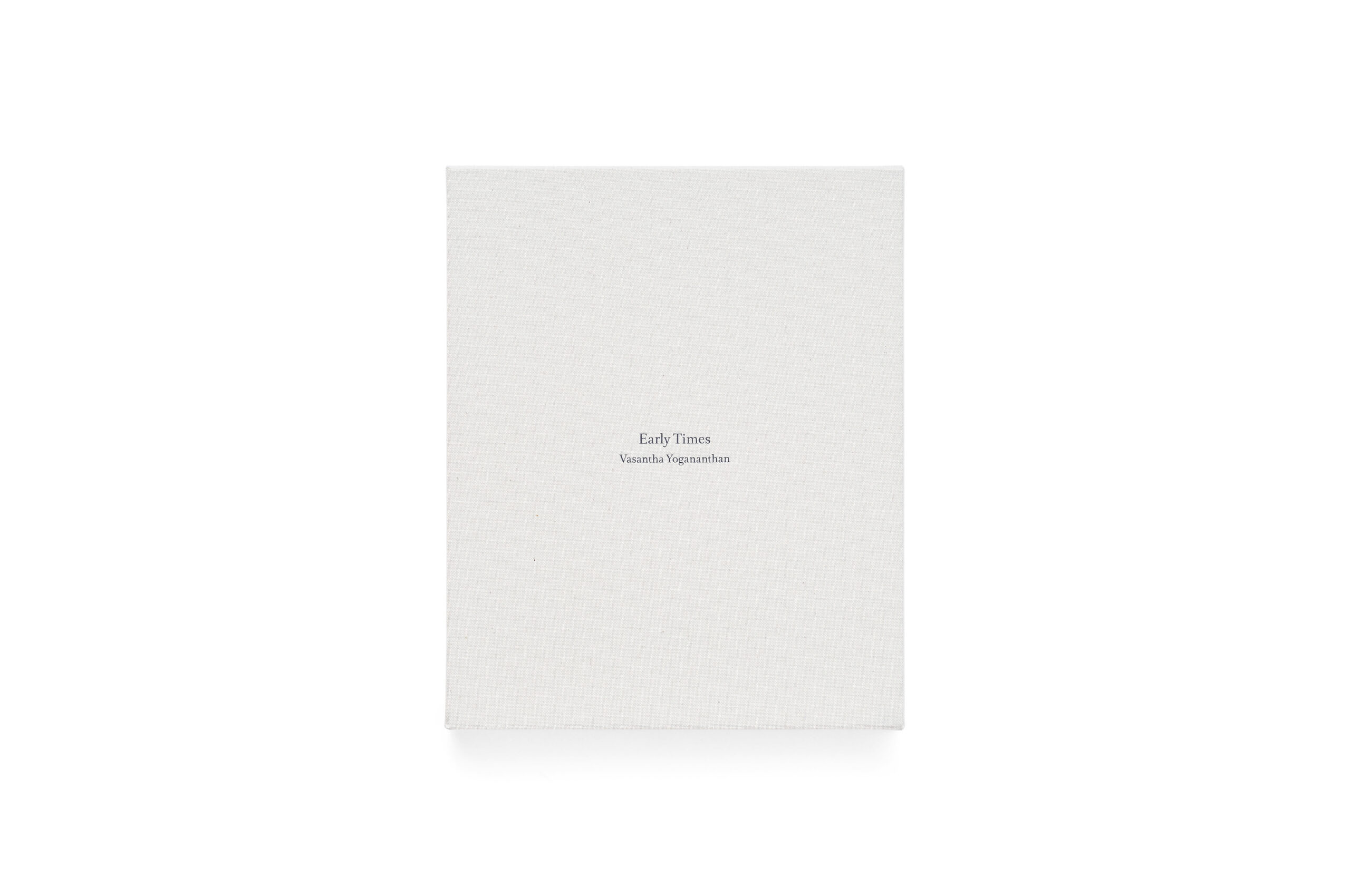


Vasantha Yogananthan
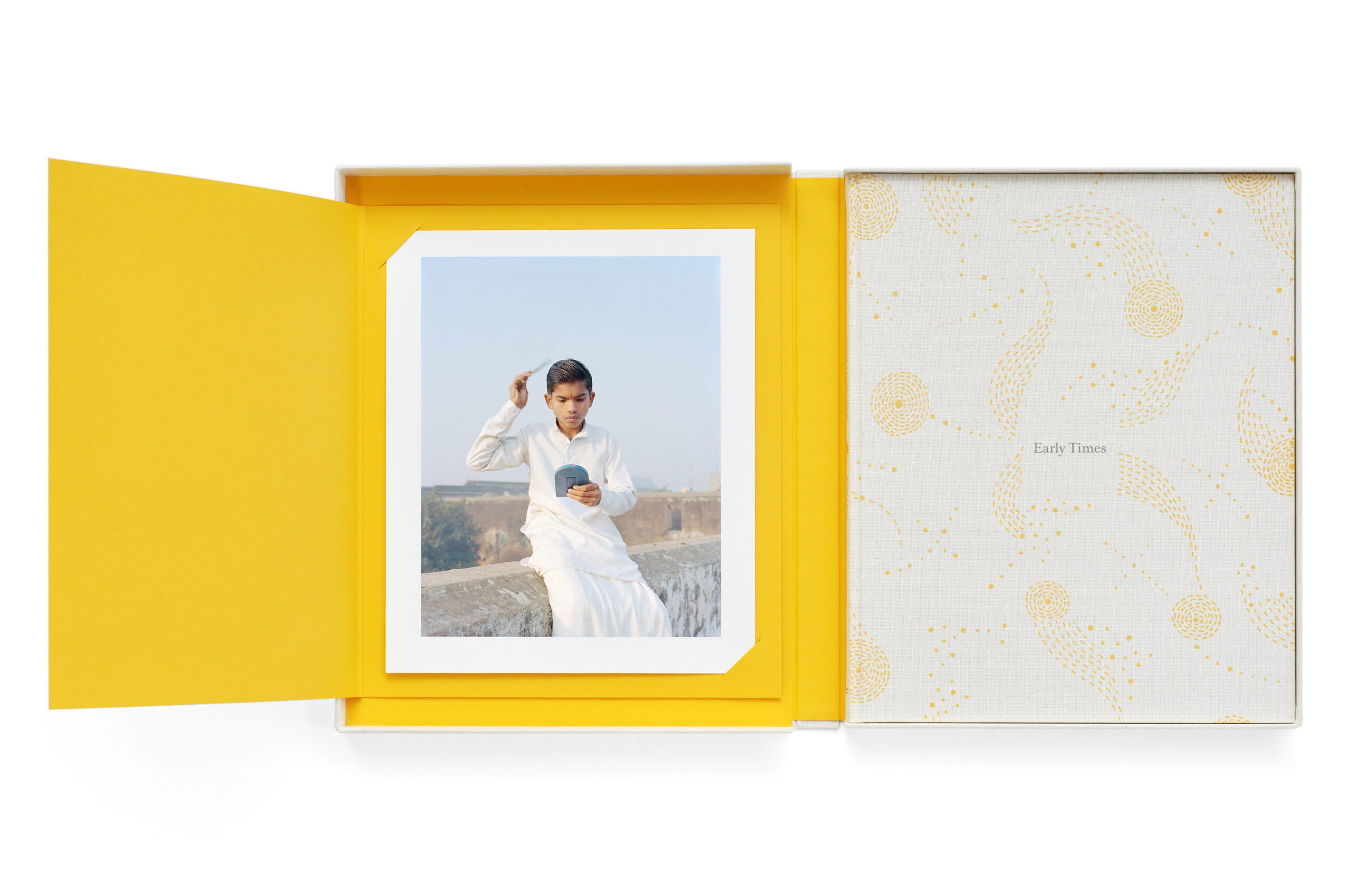
Early Times
out of stock
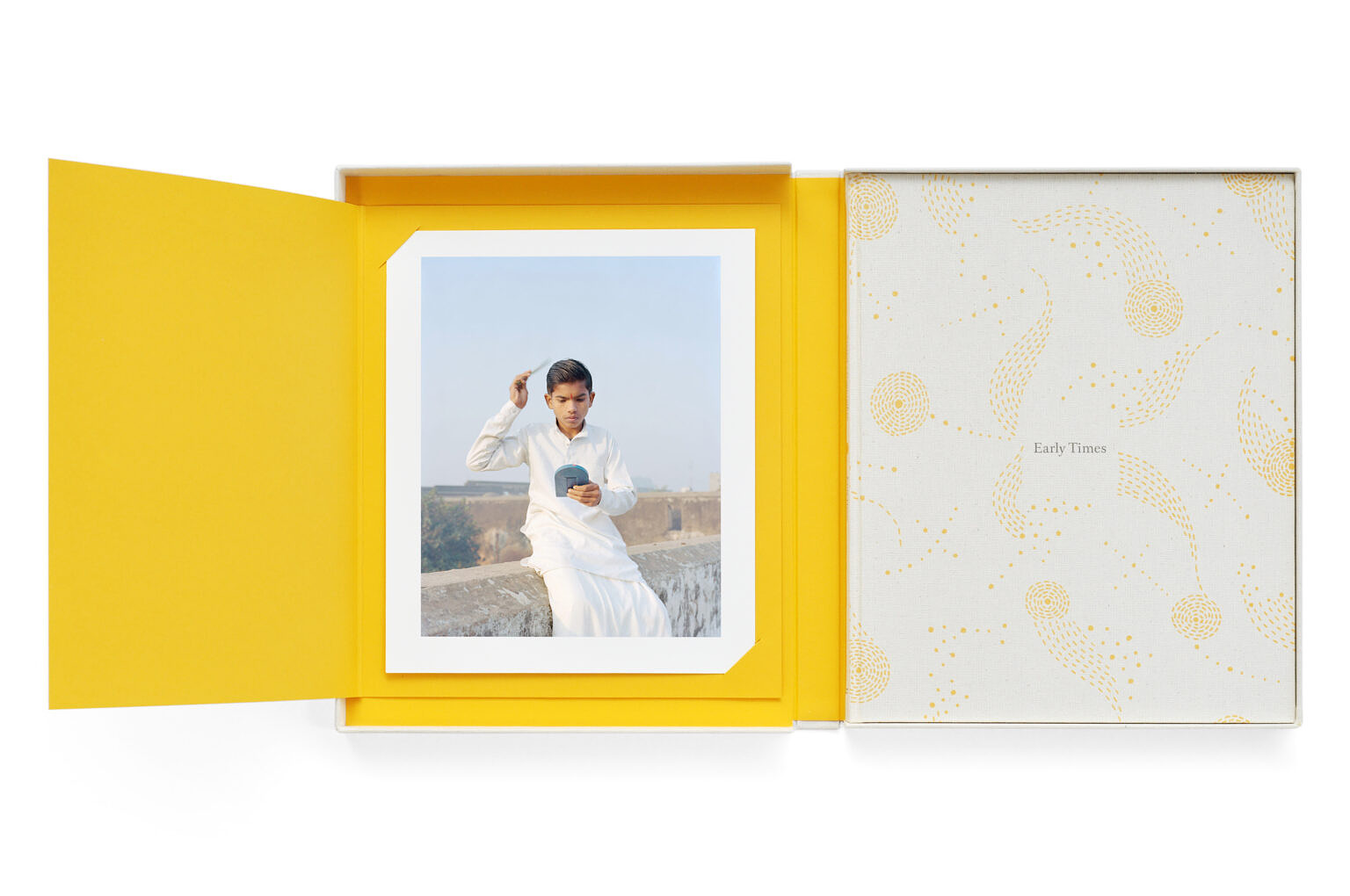
Early Times is the first chapter of Vasantha Yogananthan’s long-term project A Myth of Two Souls, which offers a contemporary retelling of The Ramayana. A seven-chapter tale first recorded by the Sanskrit poet Valmiki around 300 BC, The Ramayana is one of the founding epics of Hindu mythology.
Since 2013, Yogananthan has been travelling from north to south India, retracing the itinerary of the epic’s heroes. Between fiction and reality, he deliberately blurs the lines through multiple aesthetic approaches: colour, black and white, hand-painted and illustrated photographs are interspersed with vernacular images to compose the layers of this timeless story.
This first book addresses the beginnings: it tells of the youth and education of Rama, son of King Dasharatha, and of Sita, daughter of King Janaka, who do not yet know each other but are destined to meet and fall in love. The Ramayana has been continuously rewritten and reinterpreted through time, and for Yoganathan’s book has been retold by Indian writer Anjali Raghbeer. Yogananthan commissioned Mahalaxmi & Shantanu Das, Indian artists specialising in the tradition of Madhubani painting, to create original illustrations for display alongside his photographic work.
A Myth of Two Souls will be published in seven photobooks between 2016-2020, one per chapter of the epic.
He is a self-taught photographer who is deeply attached to silver photography. The book is a central object in his practice, which led him to co-found the publishing house Chose Commune. He has carried out his projects over a long period of time, first in France on the beach at Piémanson (2009-2013), then in India and Sri Lanka Sri-Lanka around the myth of the Rāmāyana (2013-2021). In 2022, he carries out a new project in New Orleans, USA, as part of the Immersion program of the Fondation d'entreprise Hermès, of which it is a winner. He is represented by Jhavery contemporary (Mumbay) and The Photographers’ Gallery Print Sales (London).
Free shipping to France on orders over 50€ 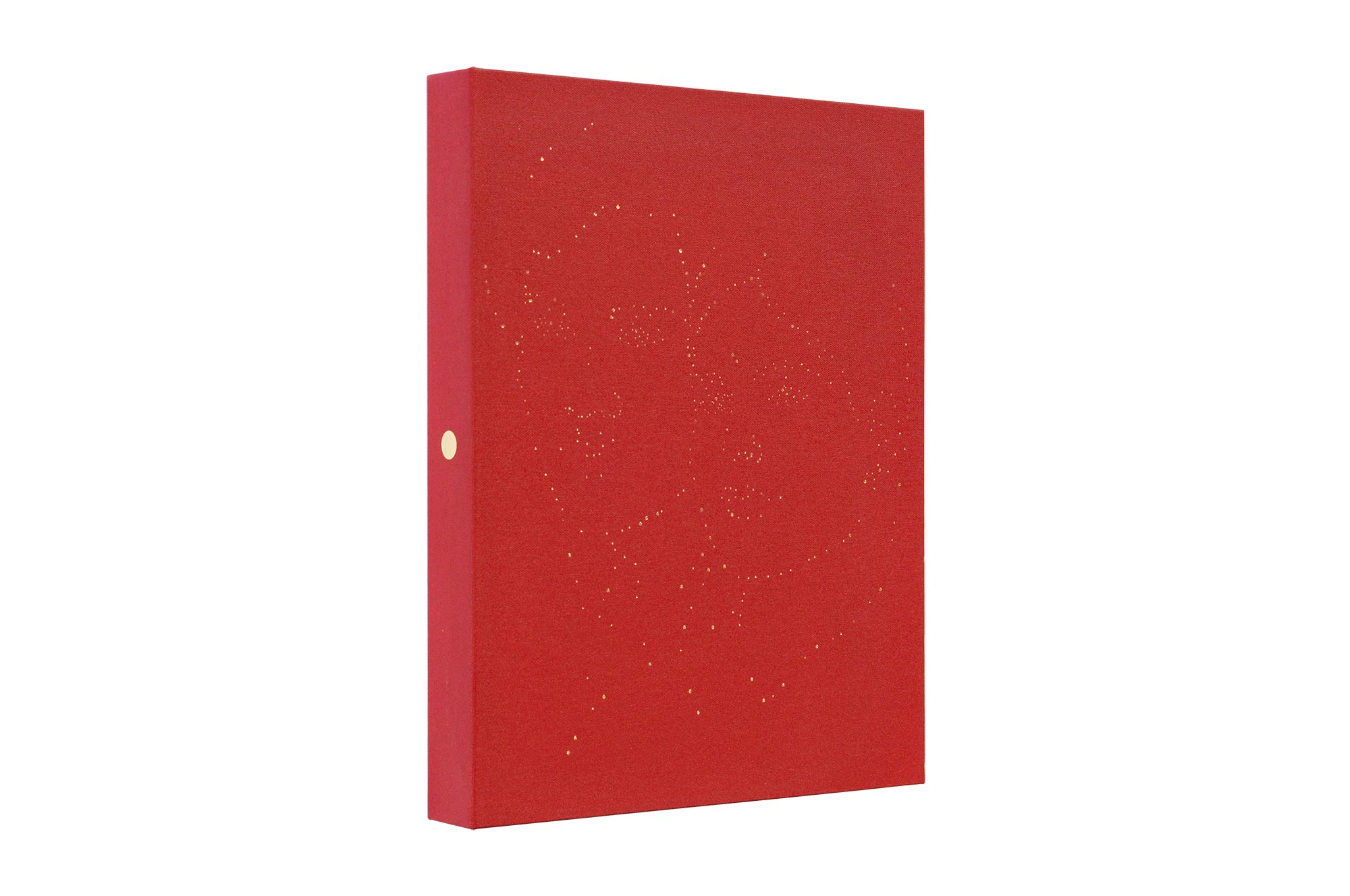

Vasantha Yogananthan
The Promise
out of stock
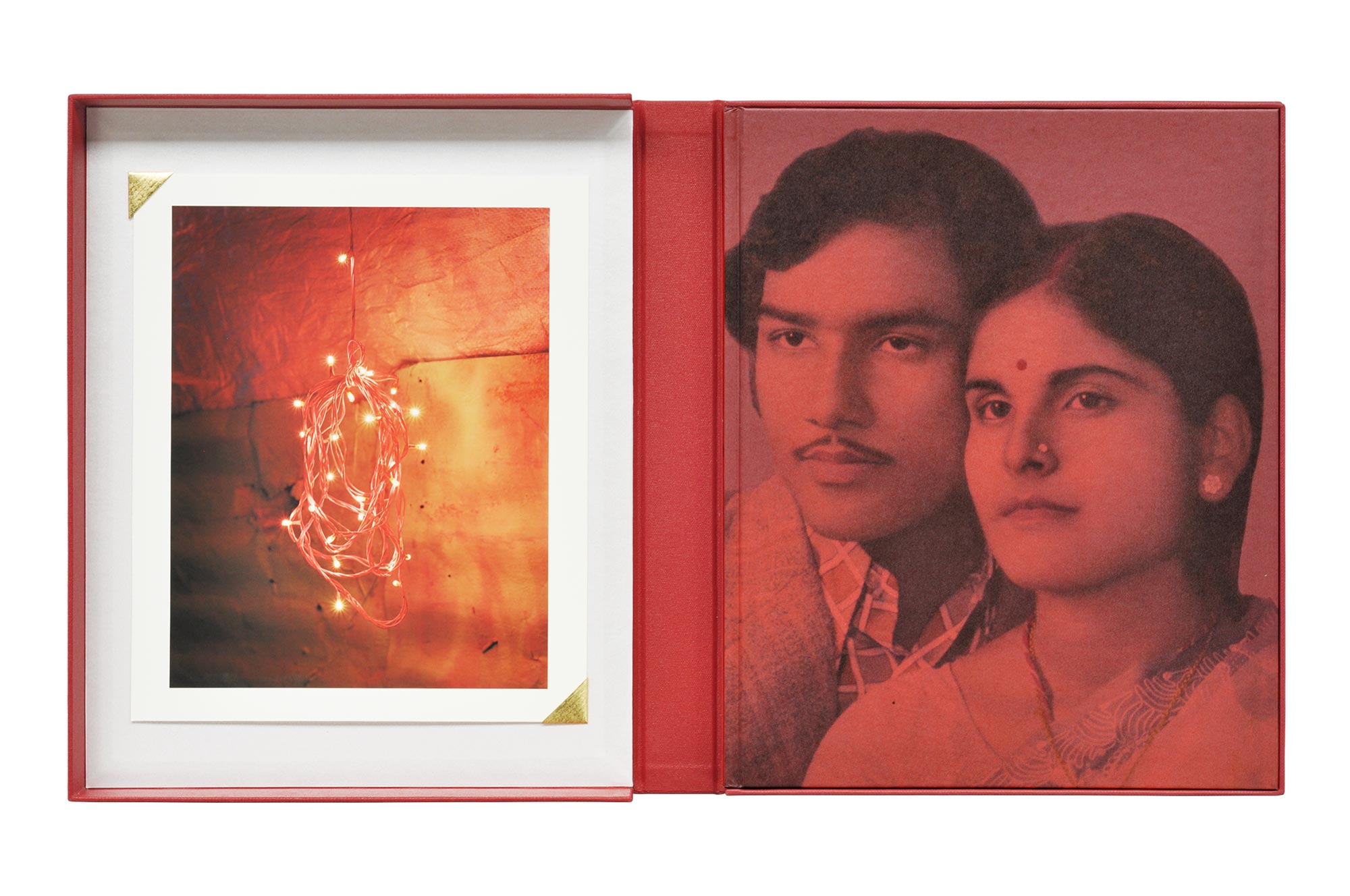
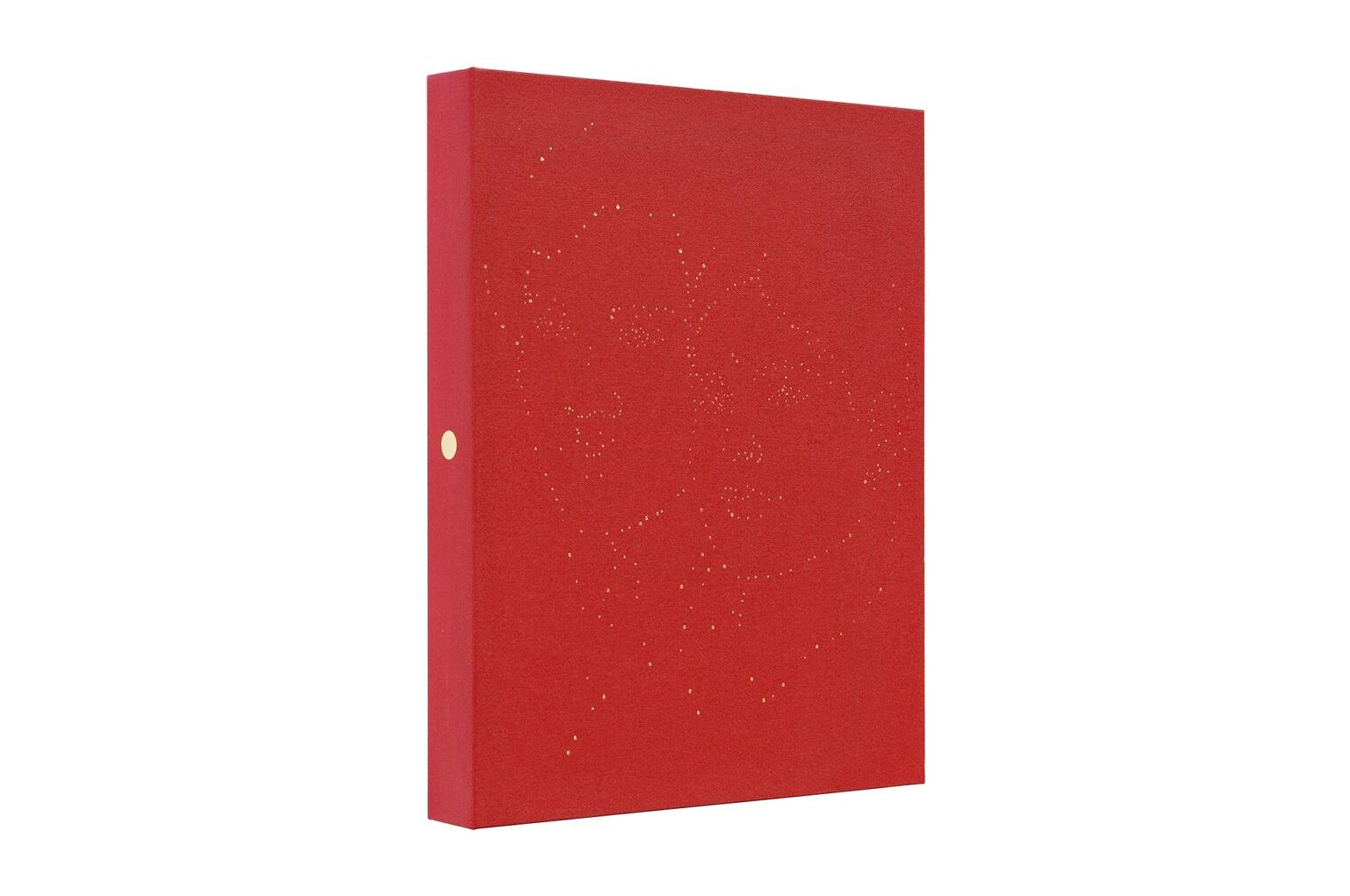
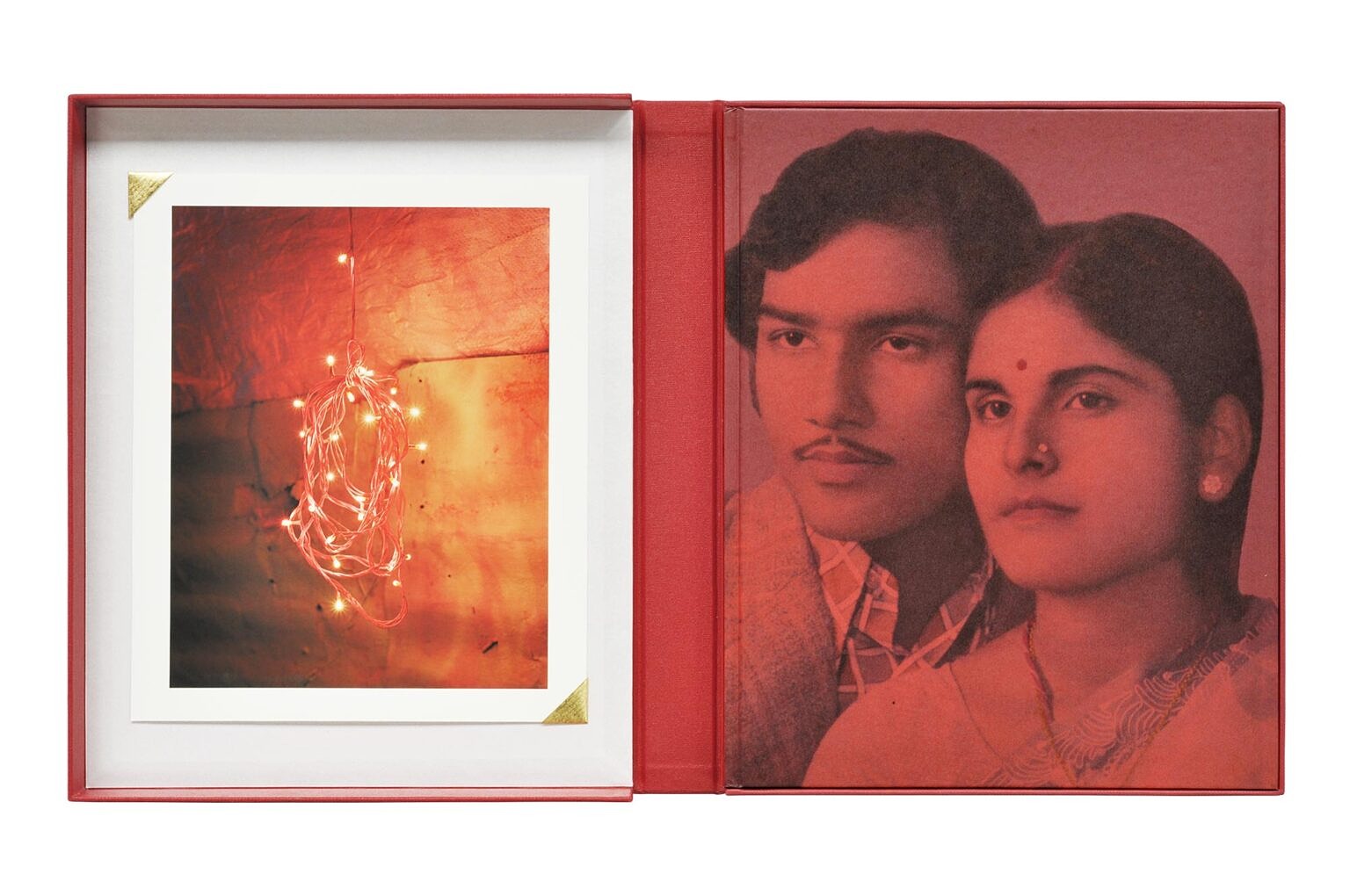
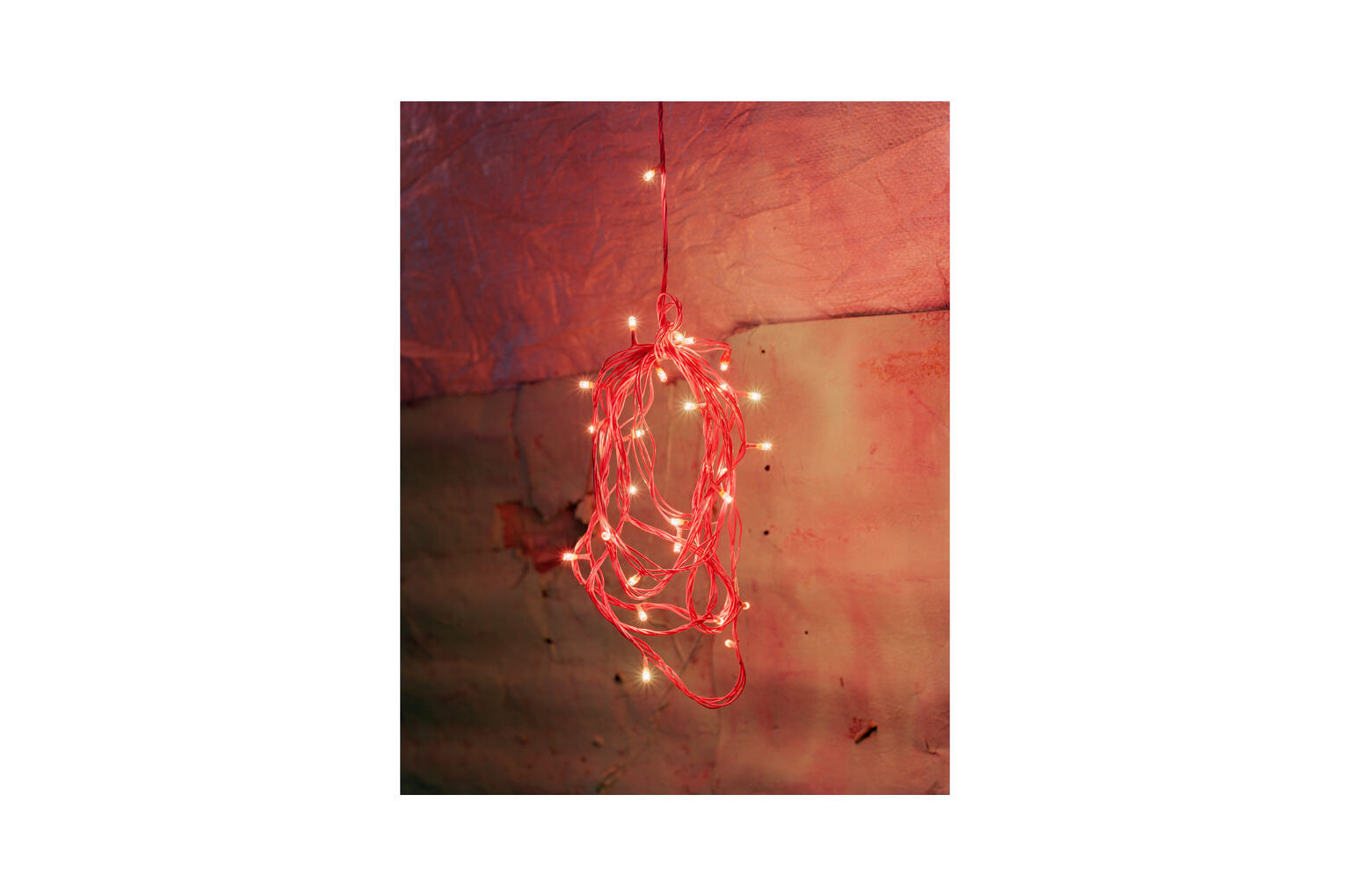
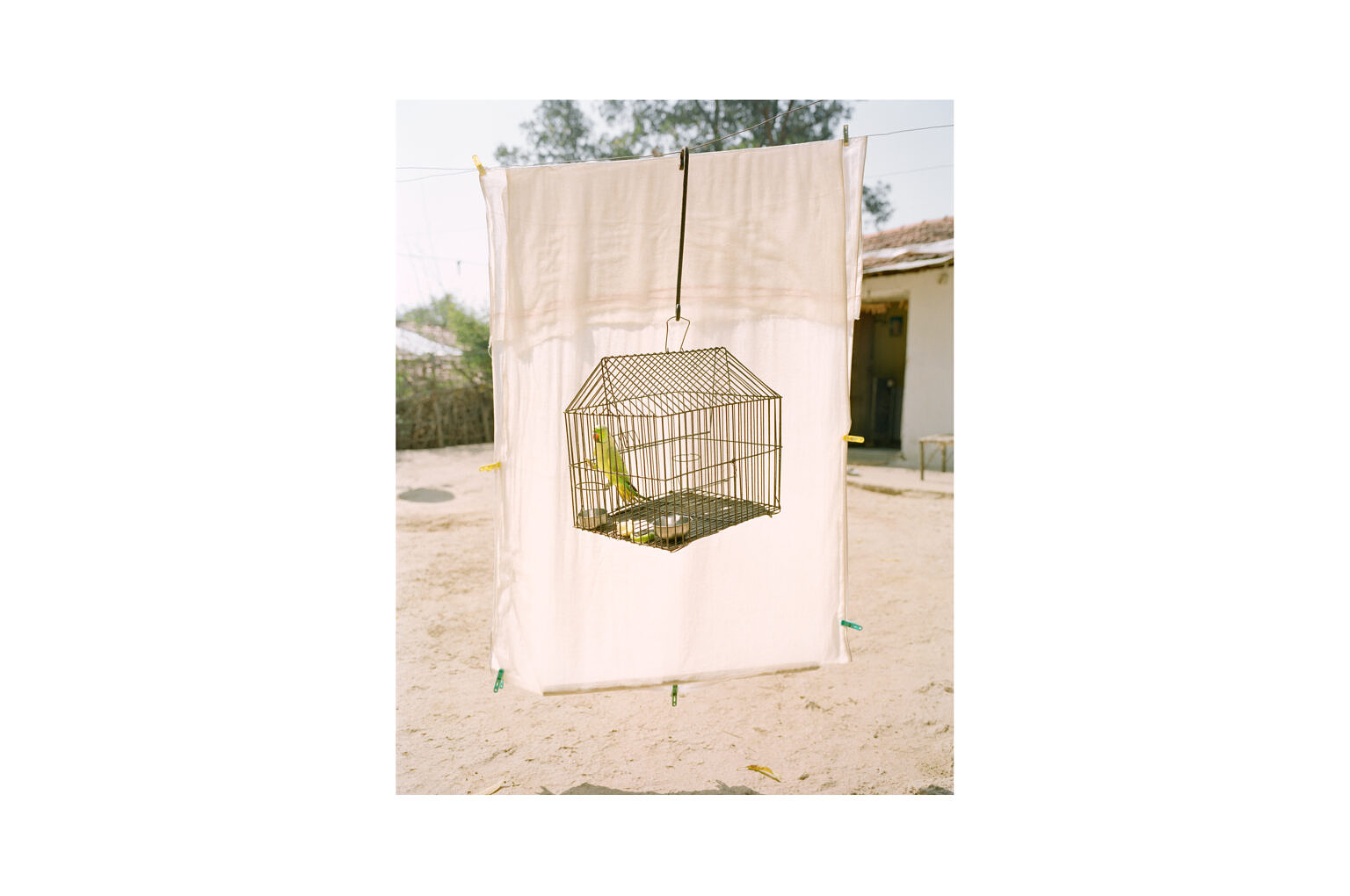
The Promise is the second chapter of Vasantha Yogananthan’s long-term project A Myth of Two Souls, which offers a contemporary retelling of The Ramayana. A seven-chapter tale first recorded by the Sanskrit poet Valmiki around 300 BC, The Ramayana is one of the founding epics of Hindu mythology.
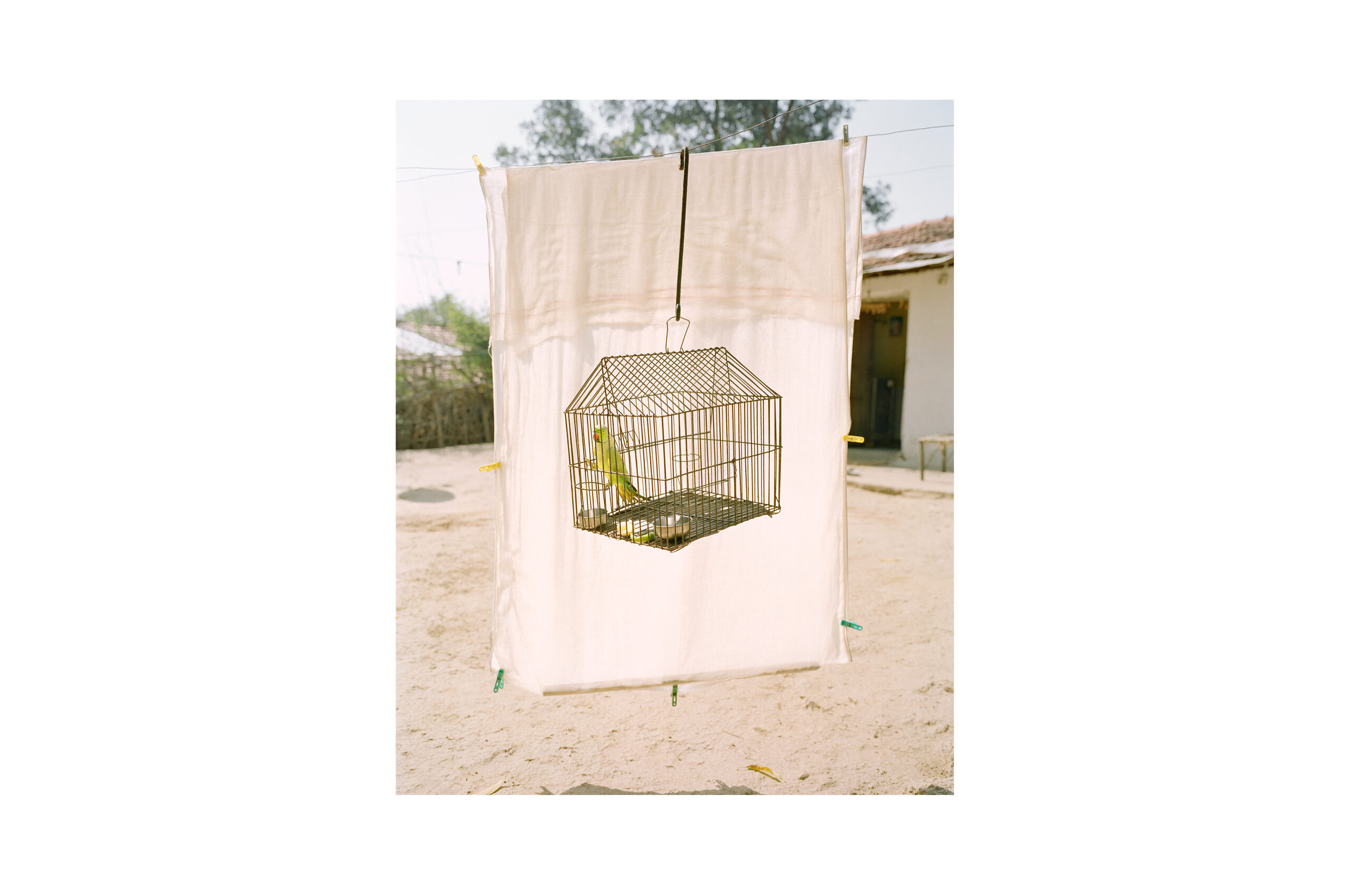
Since 2013, Yogananthan has been travelling from north to south India, retracing the itinerary of the epic’s heroes. Between fiction and reality, he deliberately blurs the lines through multiple aesthetic approaches: colour, hand-painted and illustrated photographs are interspersed with vernacular images to compose the layers of this timeless story.
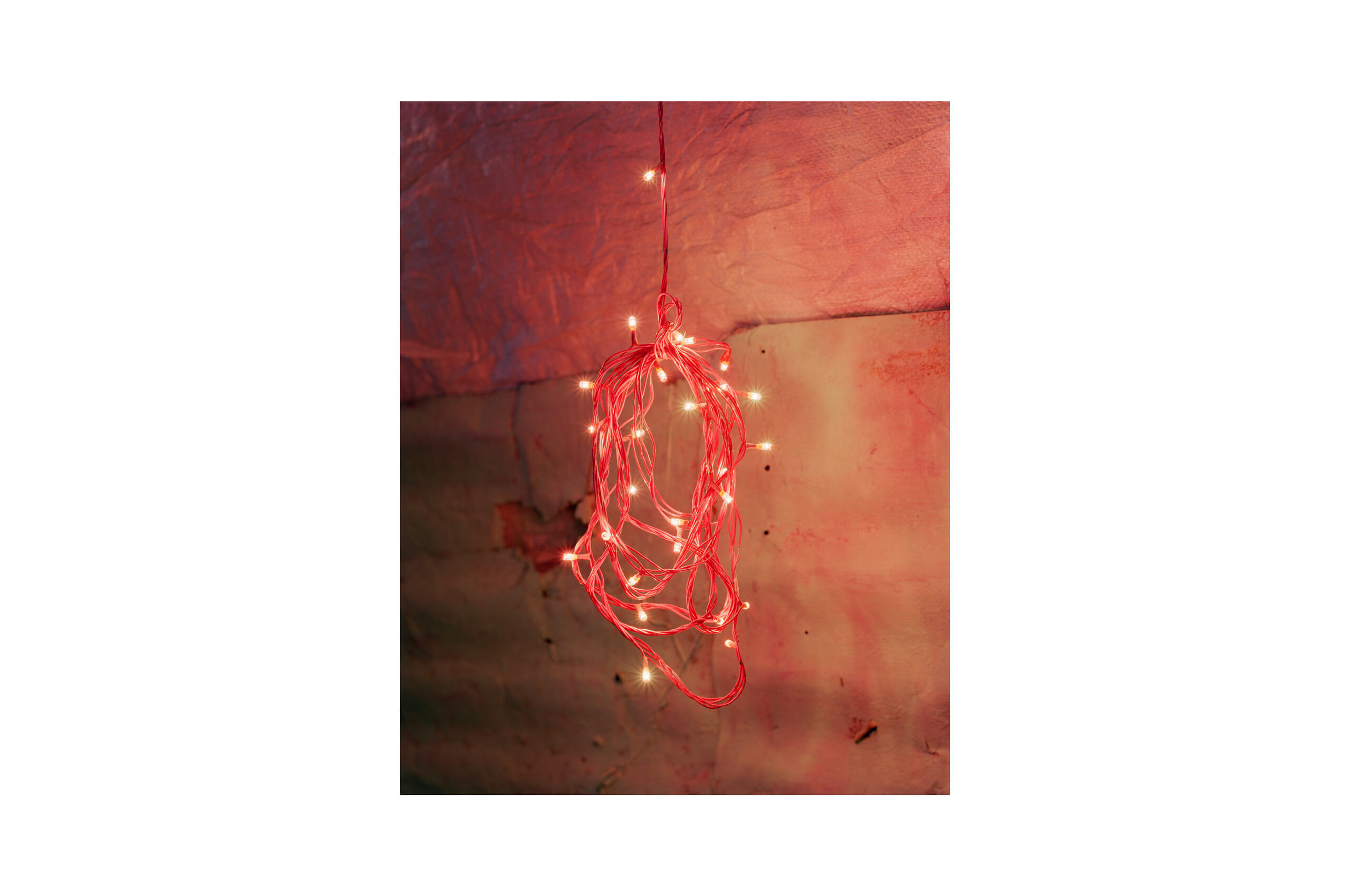
This second book celebrates the love between Rama and Sita, the two main characters of the story. Their union, a festive but challenging event, is strongly embedded in the collective imagination in India and Nepal. The Ramayana has been continuously rewritten and reinterpreted through time, and for Yoganathan’s book has been retold by Indian writer Arshia Sattar.
He is a self-taught photographer who is deeply attached to silver photography. The book is a central object in his practice, which led him to co-found the publishing house Chose Commune. He has carried out his projects over a long period of time, first in France on the beach at Piémanson (2009-2013), then in India and Sri Lanka Sri-Lanka around the myth of the Rāmāyana (2013-2021). In 2022, he carries out a new project in New Orleans, USA, as part of the Immersion program of the Fondation d'entreprise Hermès, of which it is a winner. He is represented by Jhavery contemporary (Mumbay) and The Photographers’ Gallery Print Sales (London).
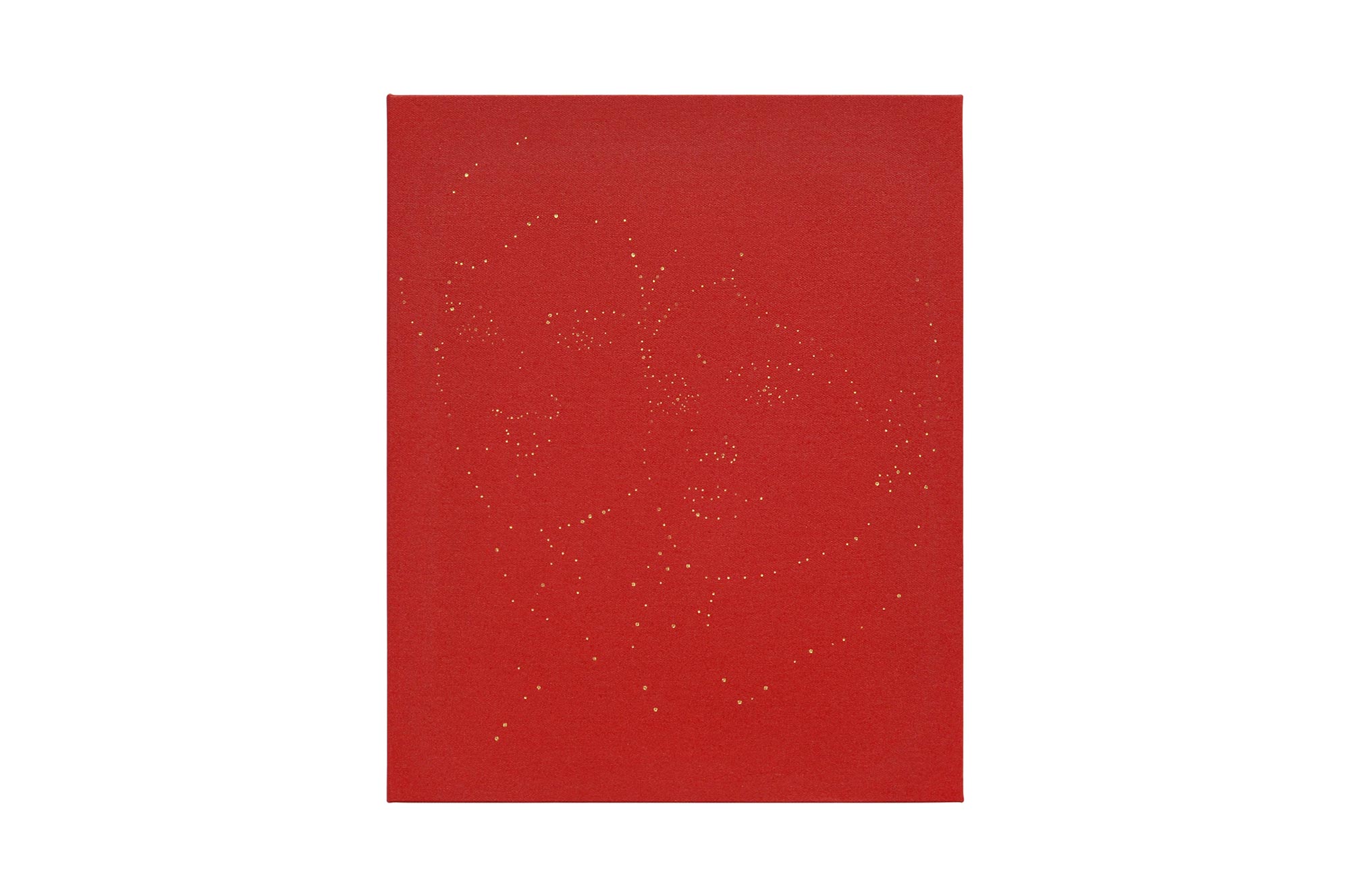
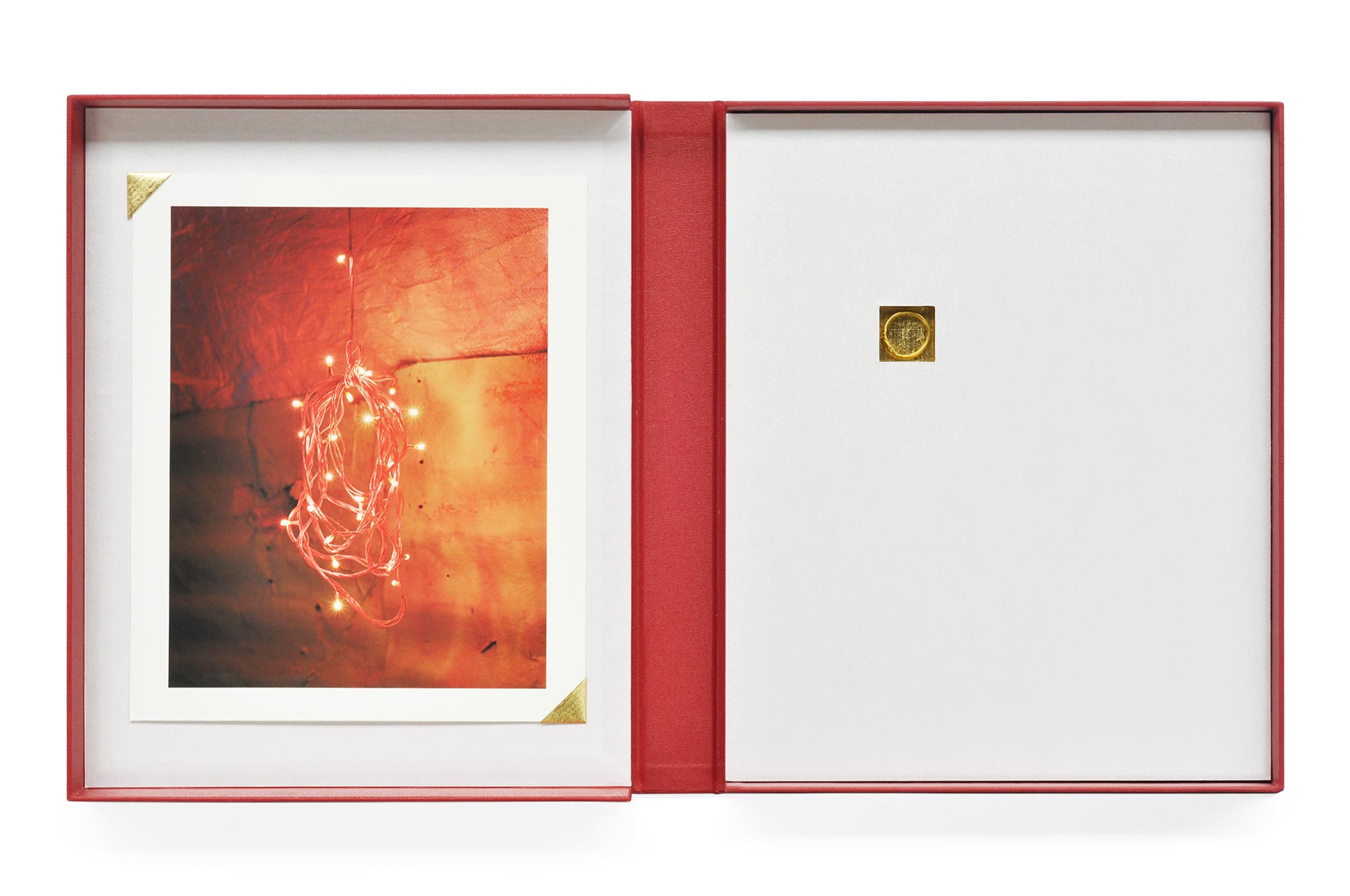
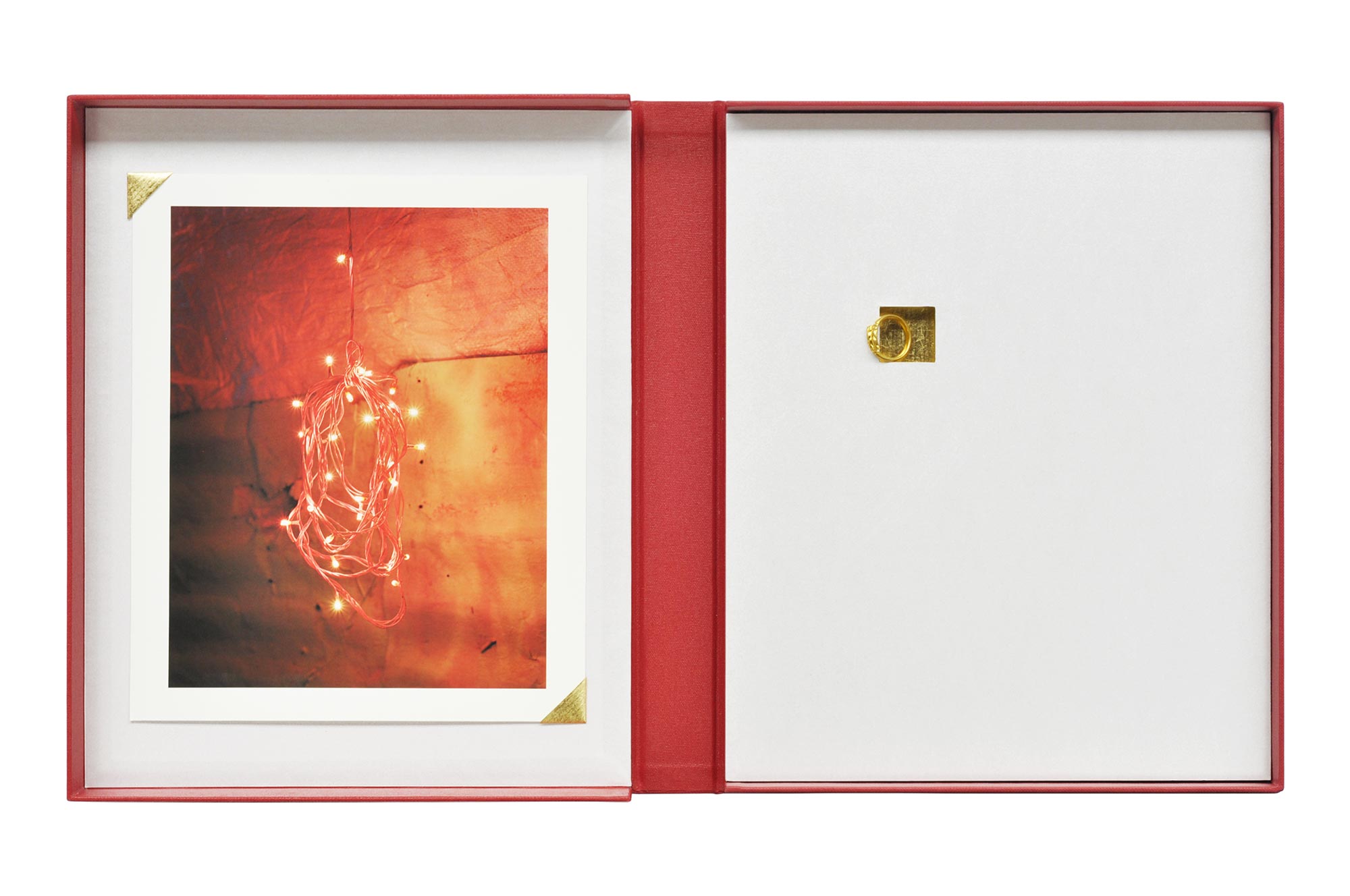
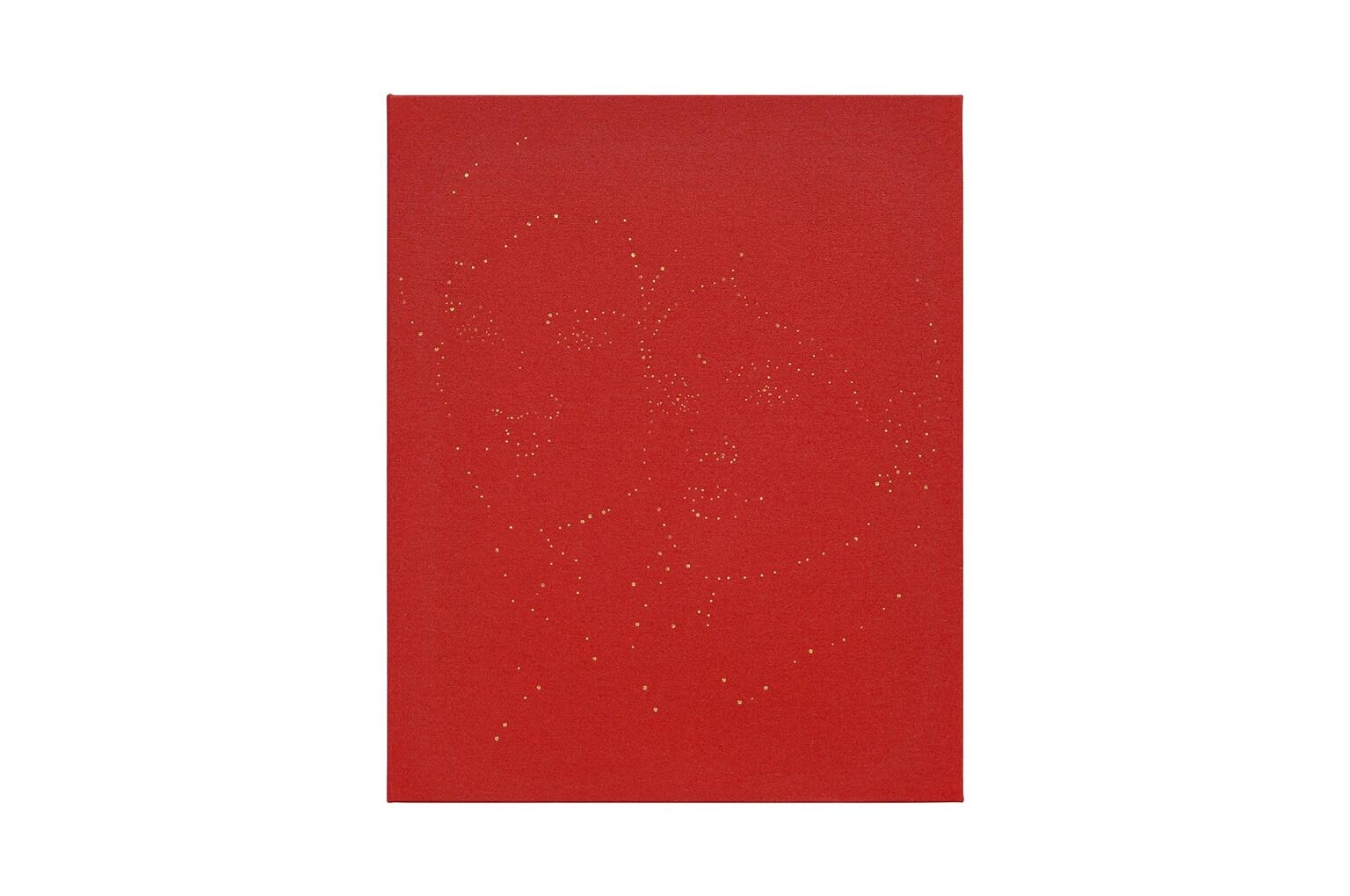
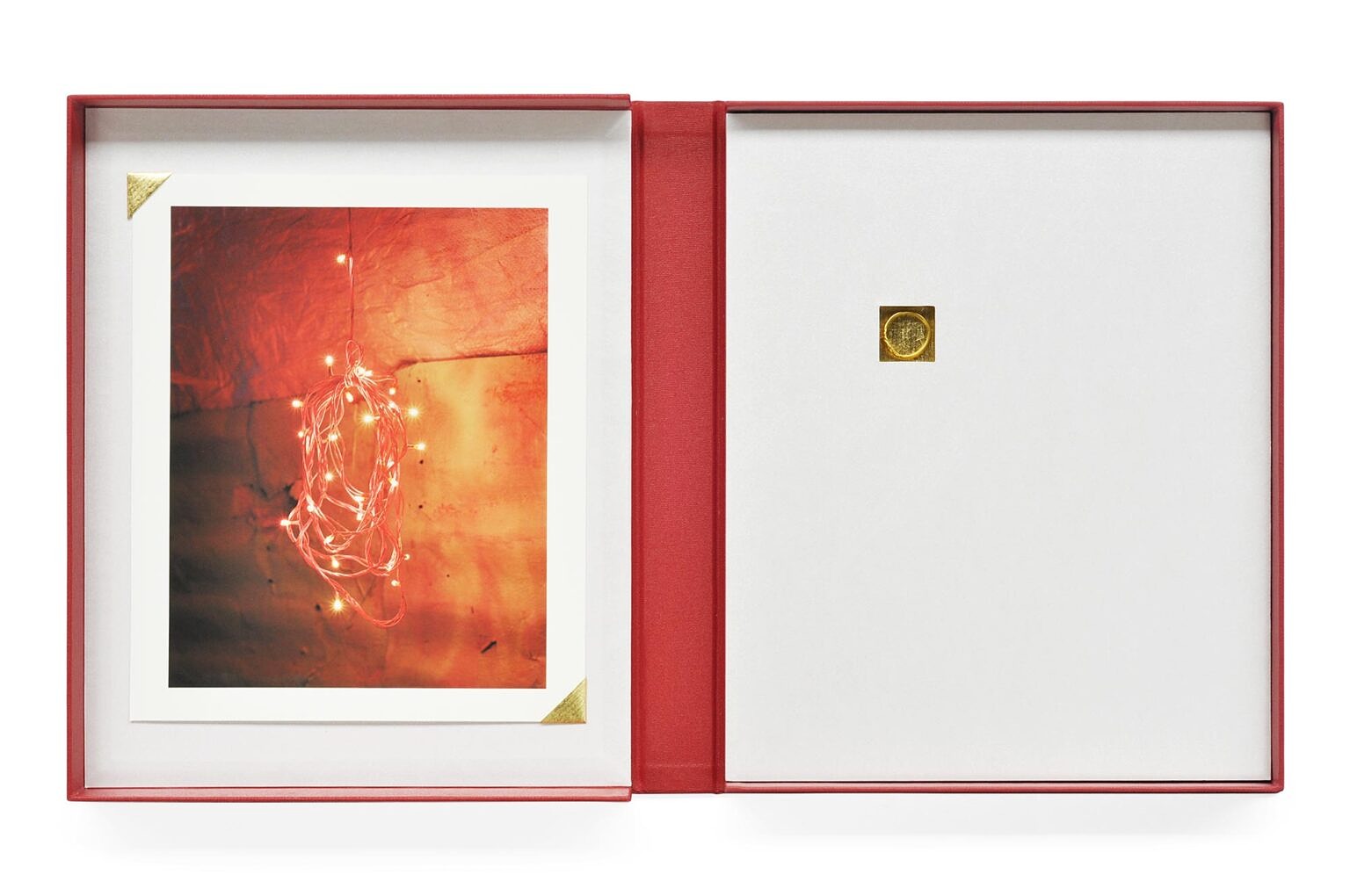
32 x 26 cm clamshell box, handmade by La Reliure Contemporaine (Morina Mongin). Each box is unique and comes with a ring from Janakpur.

 in stock