Free shipping to France on orders over 50€
Alexandra Duprez

A. Duprez

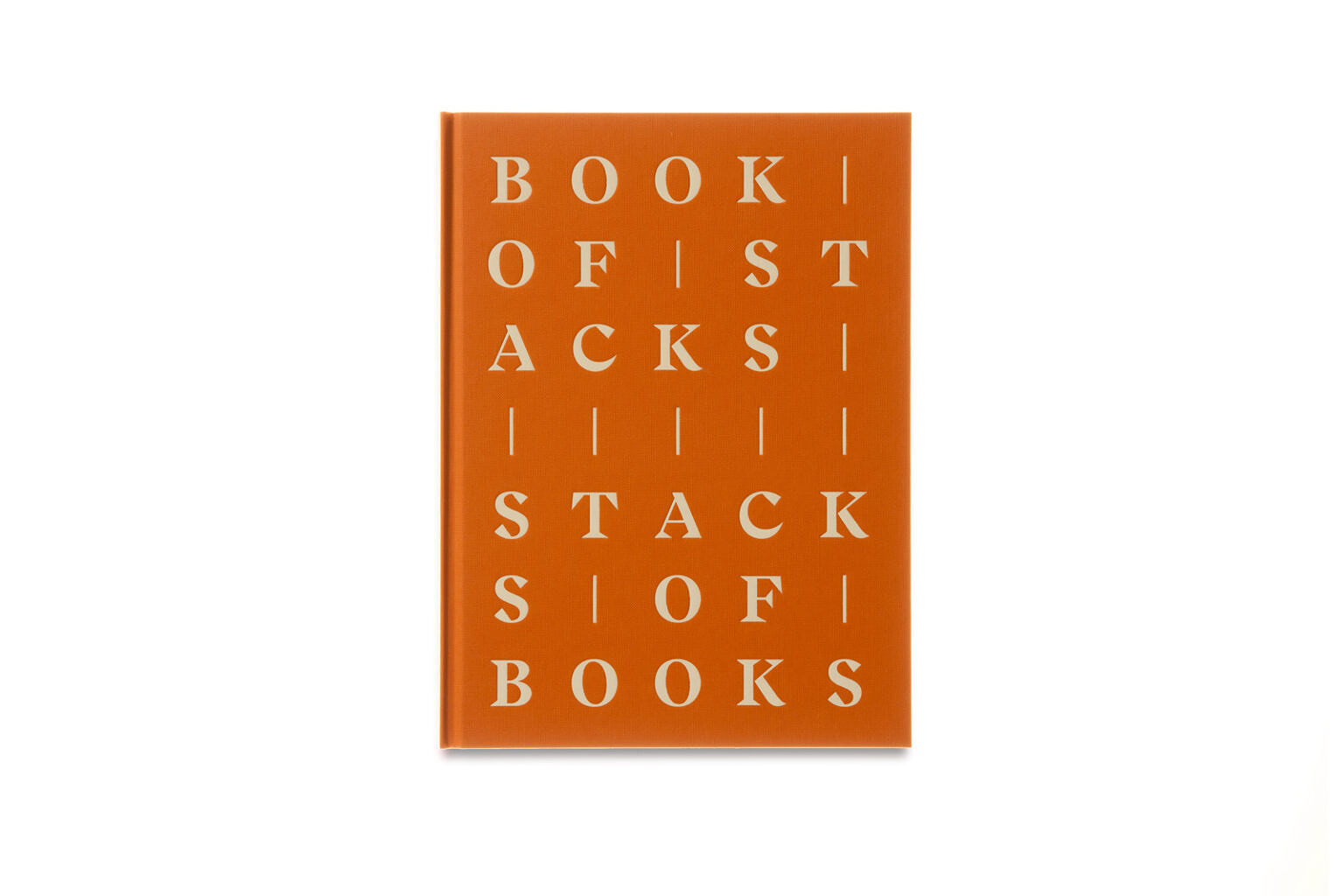
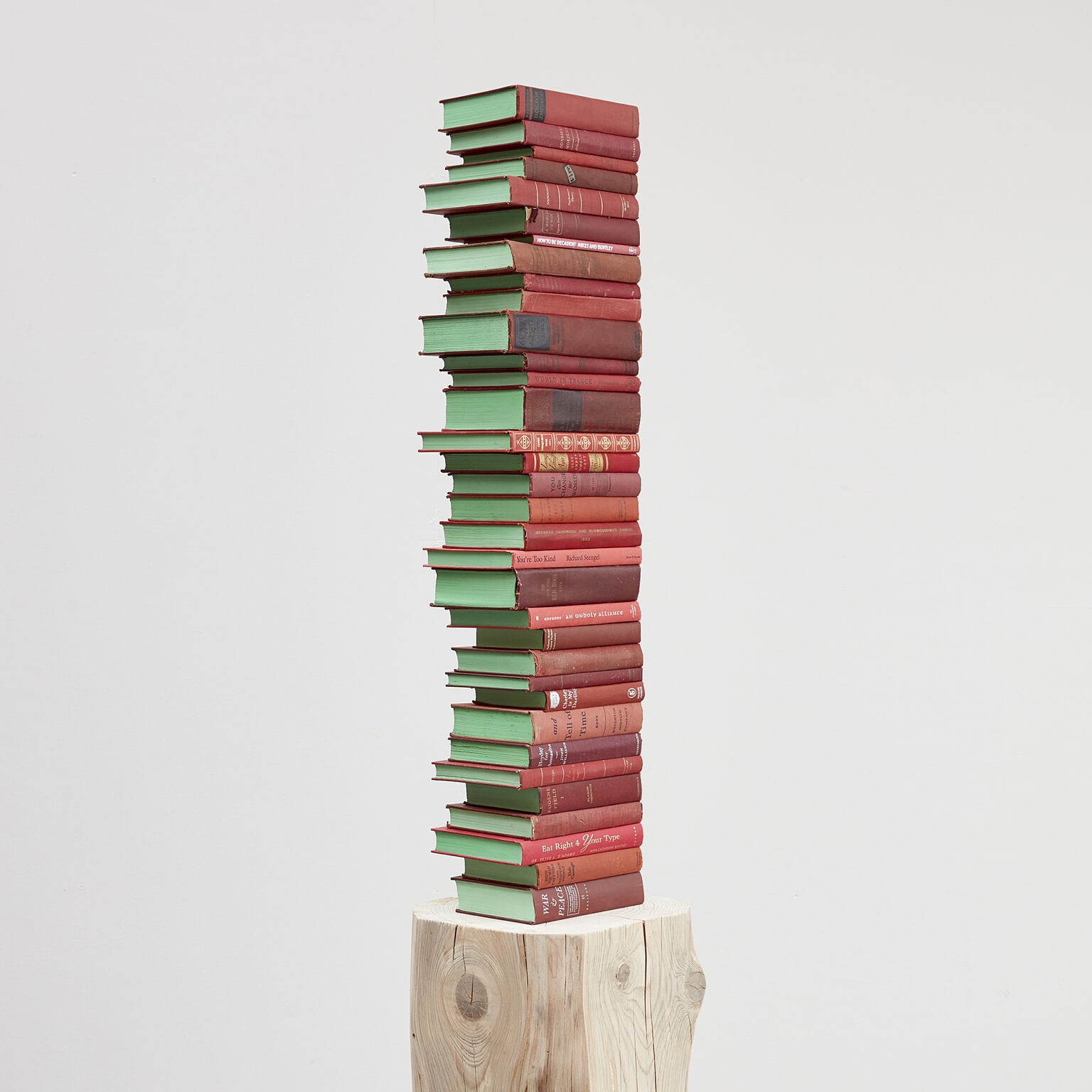
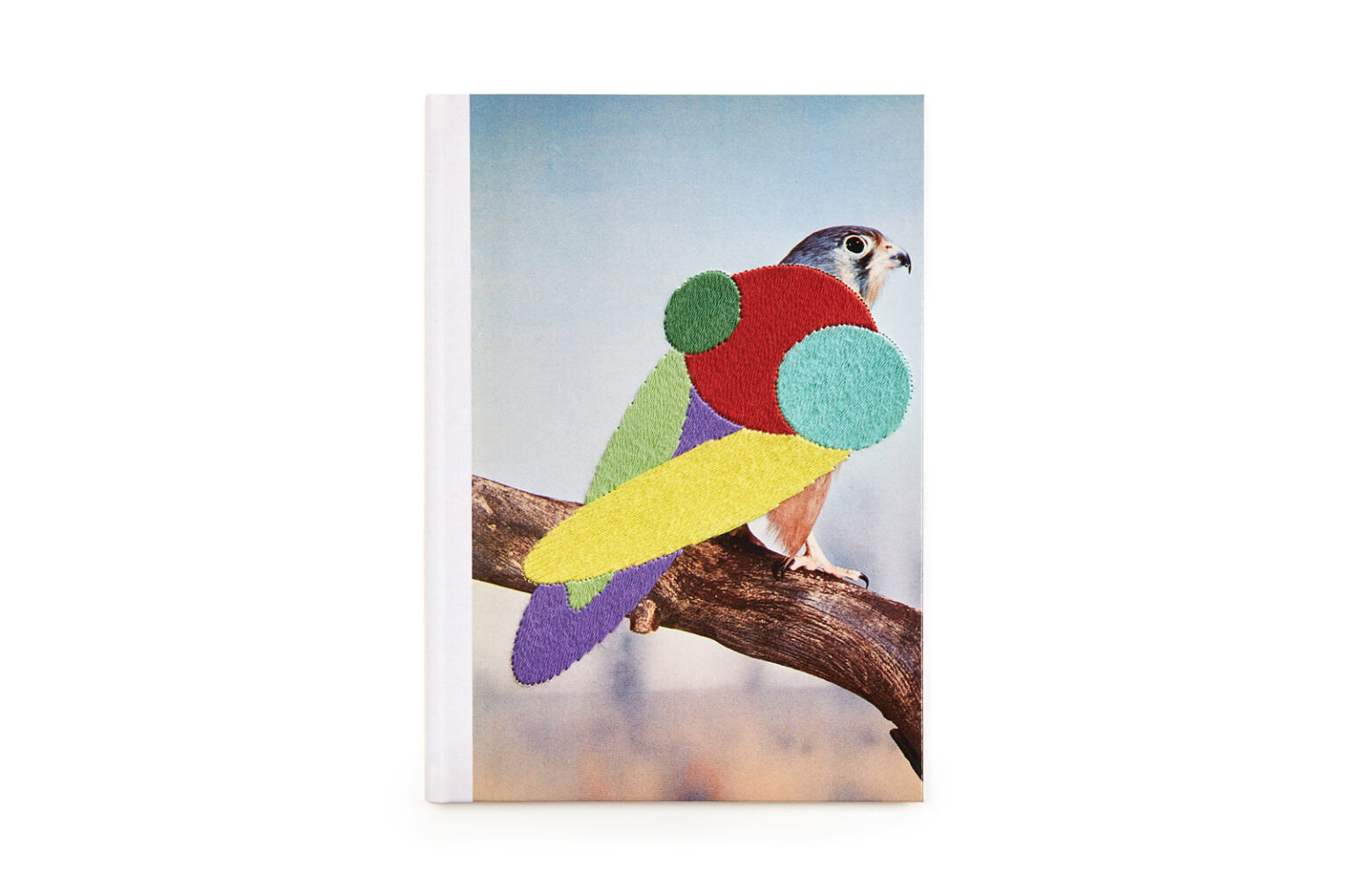
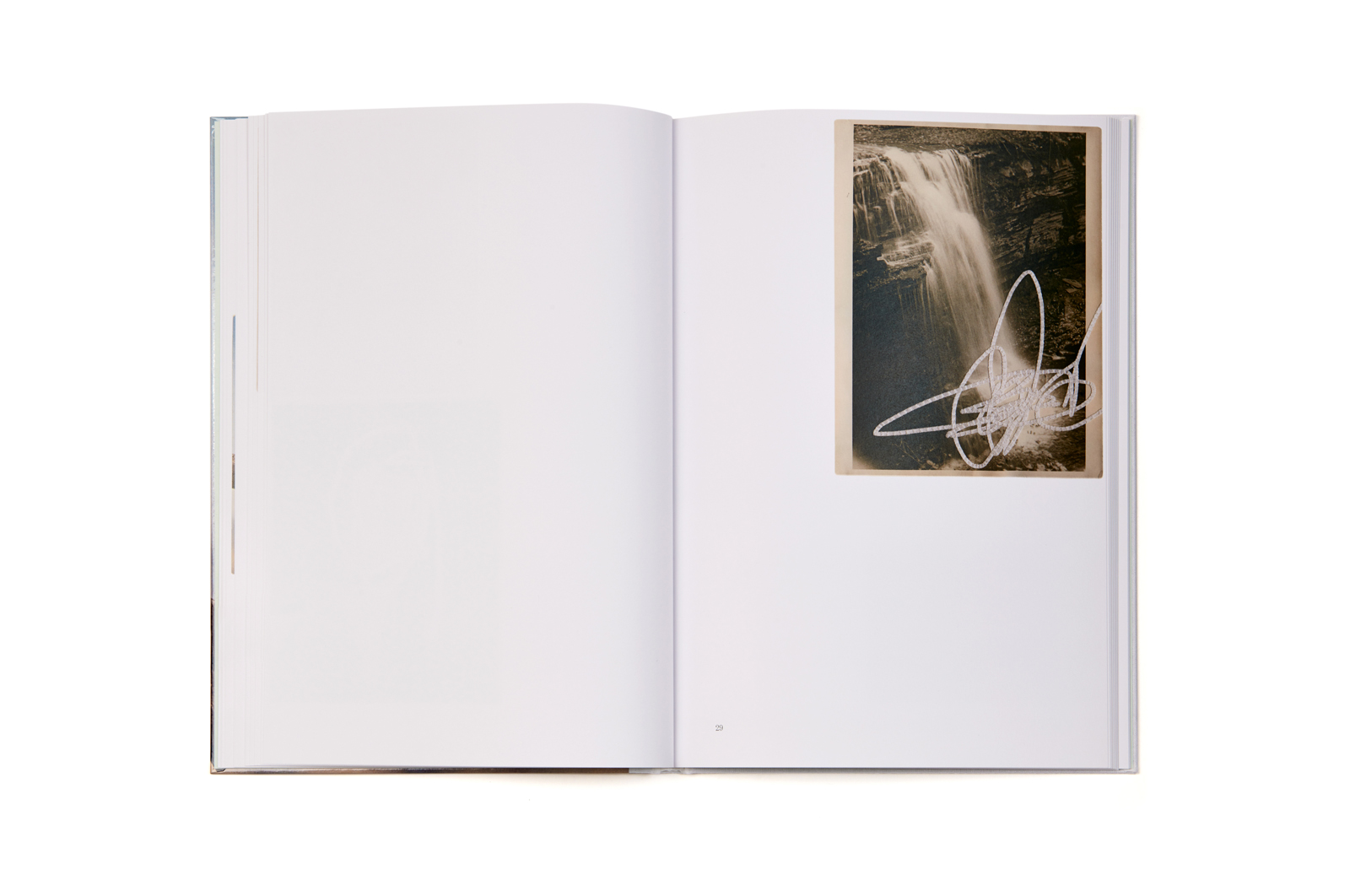
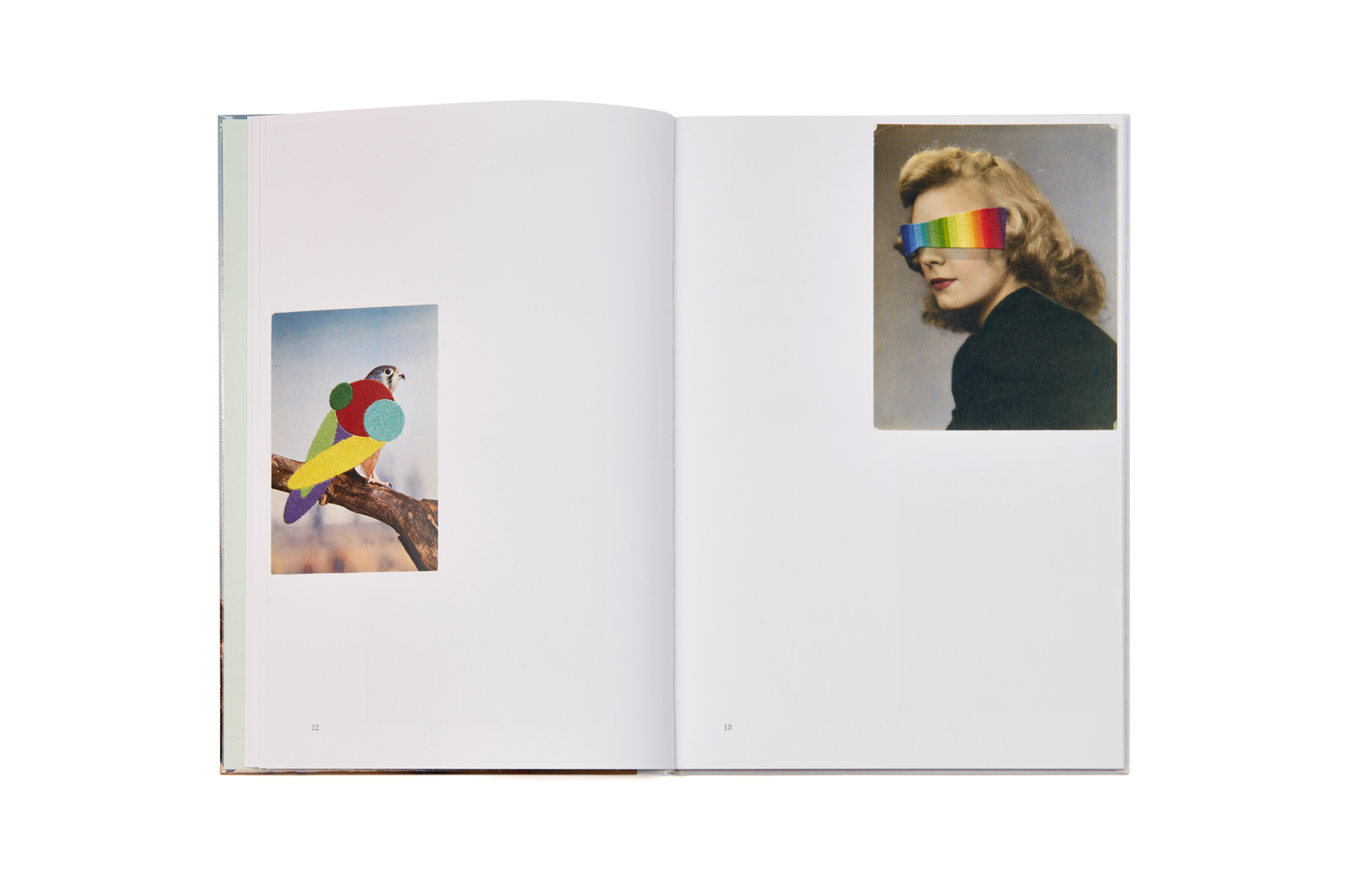
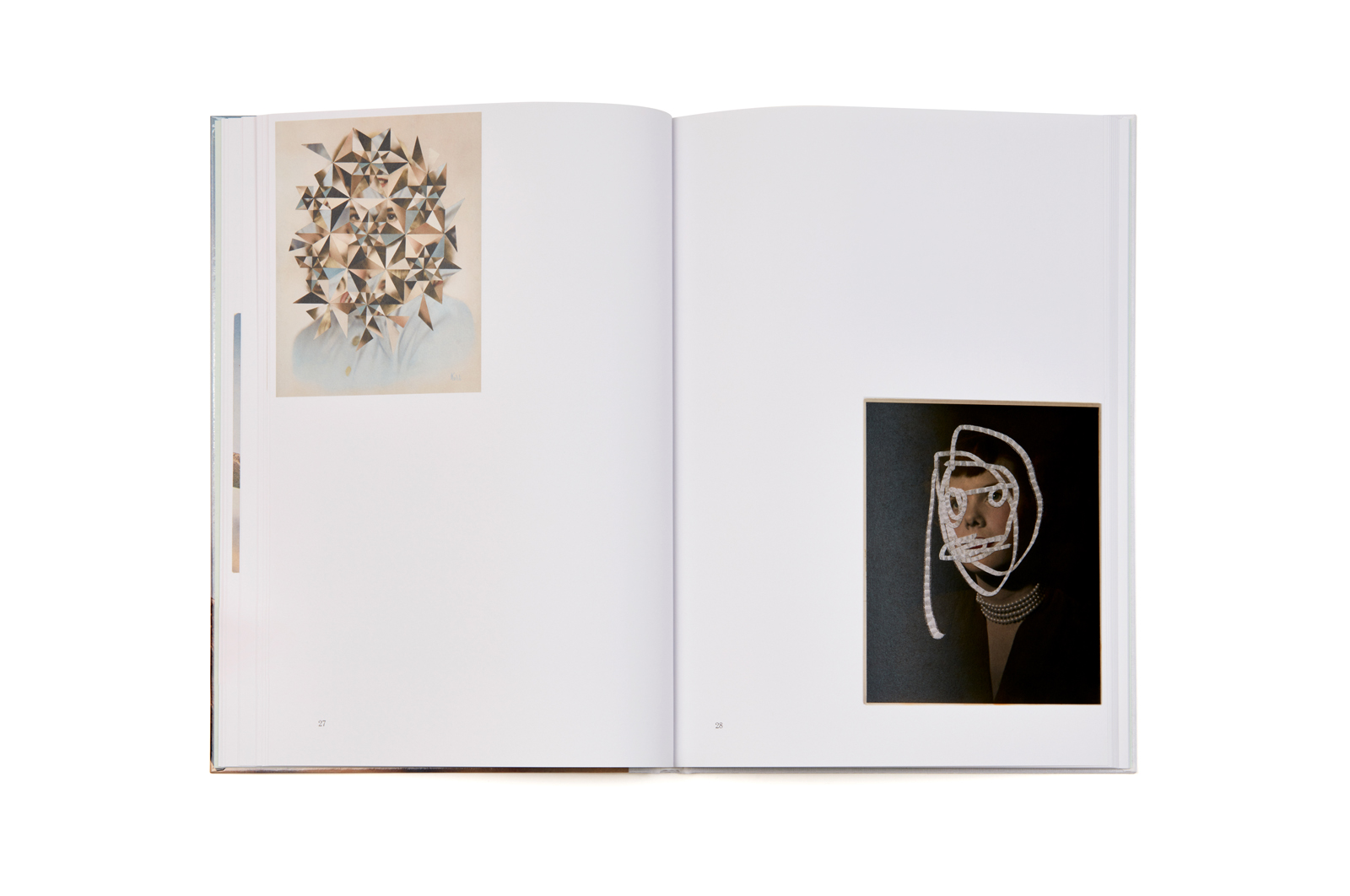
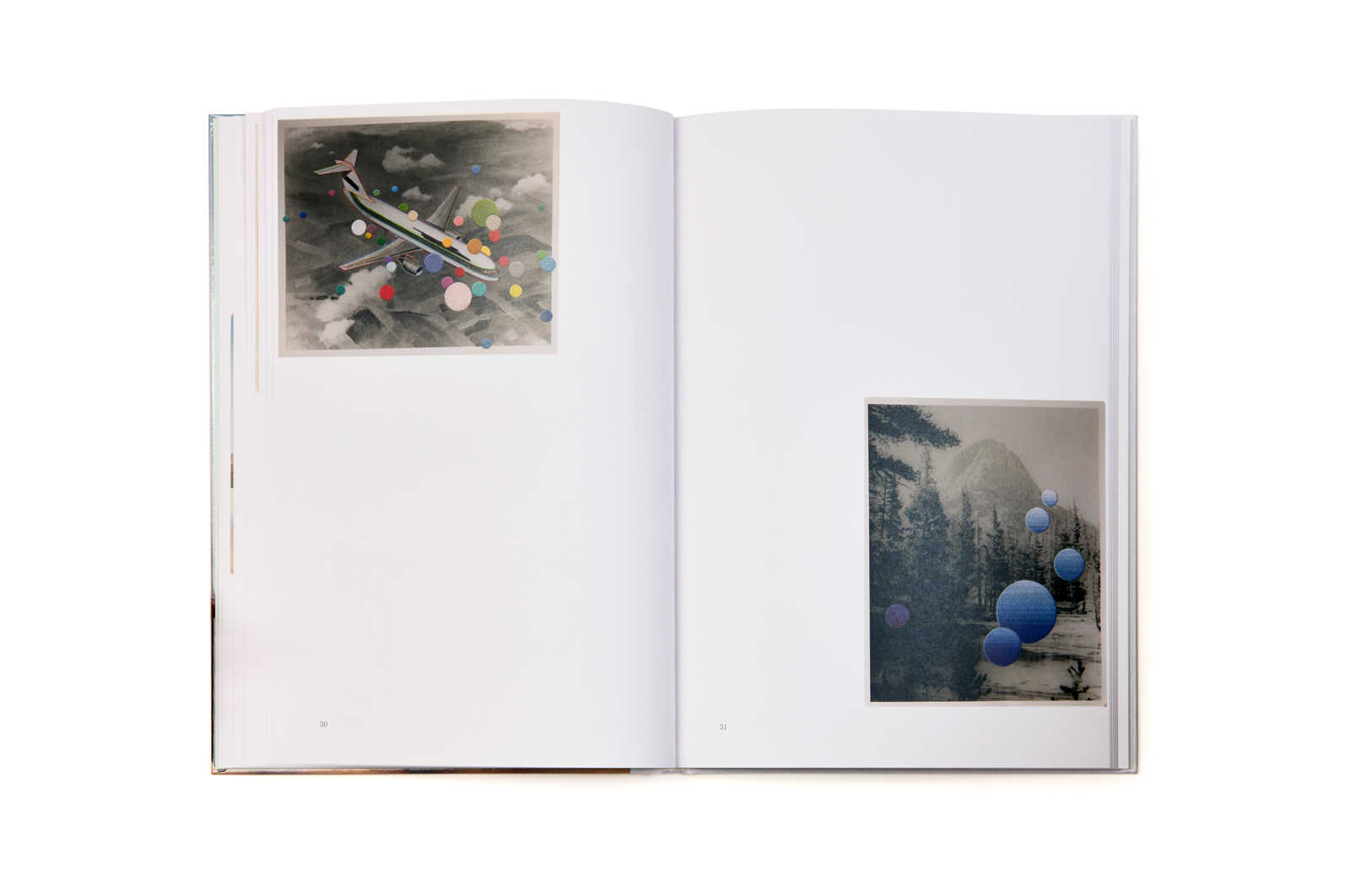
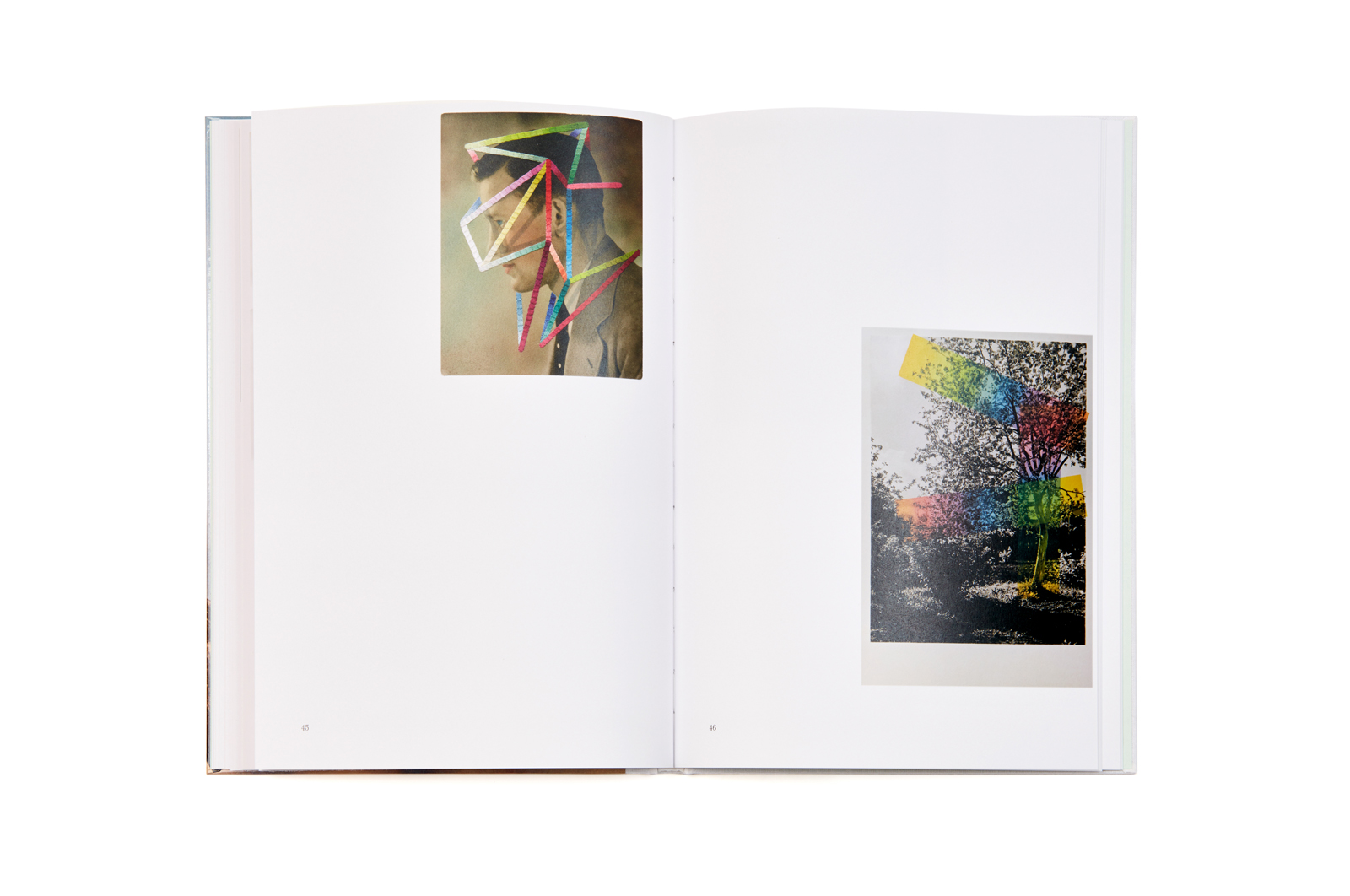
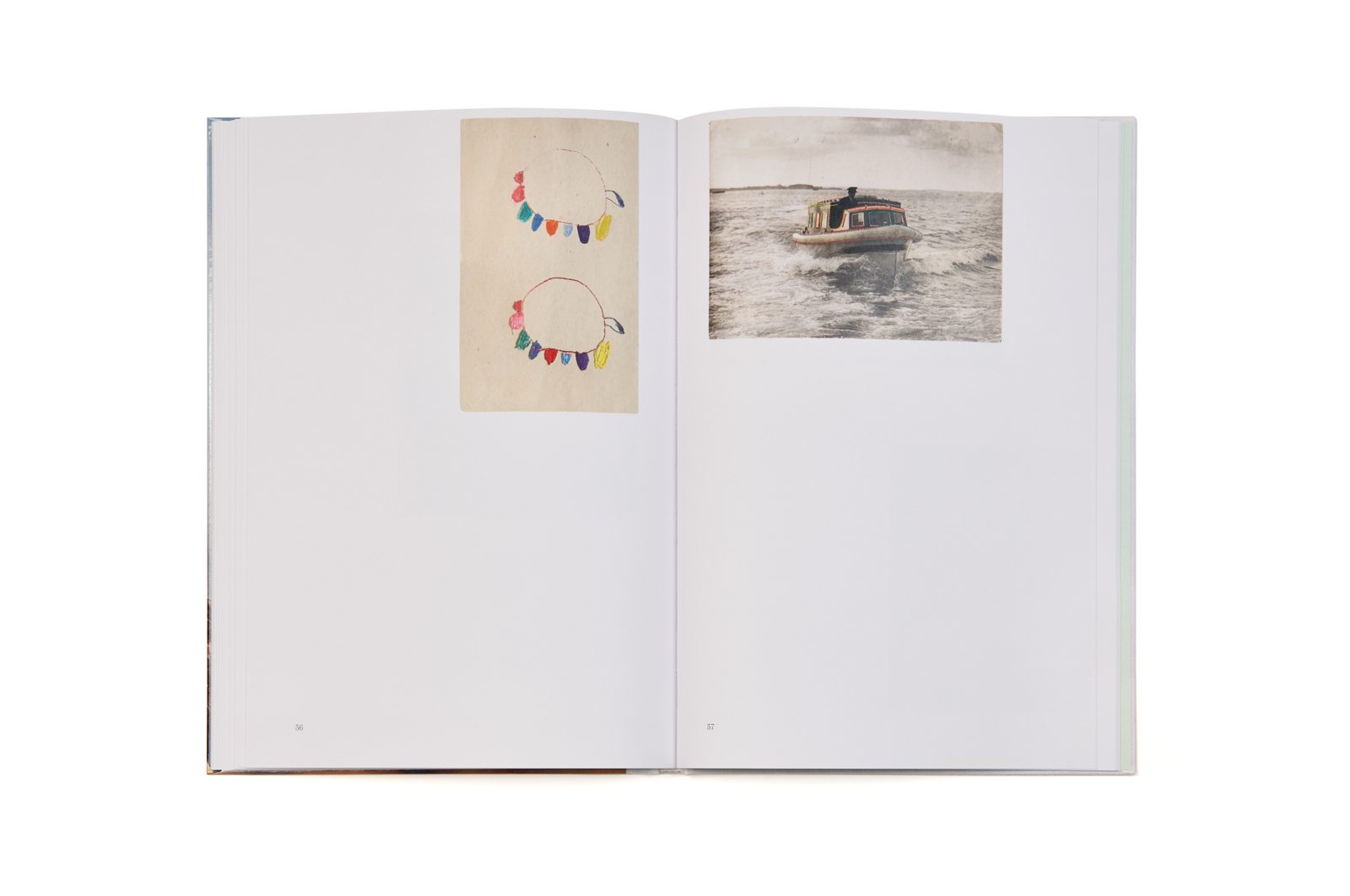
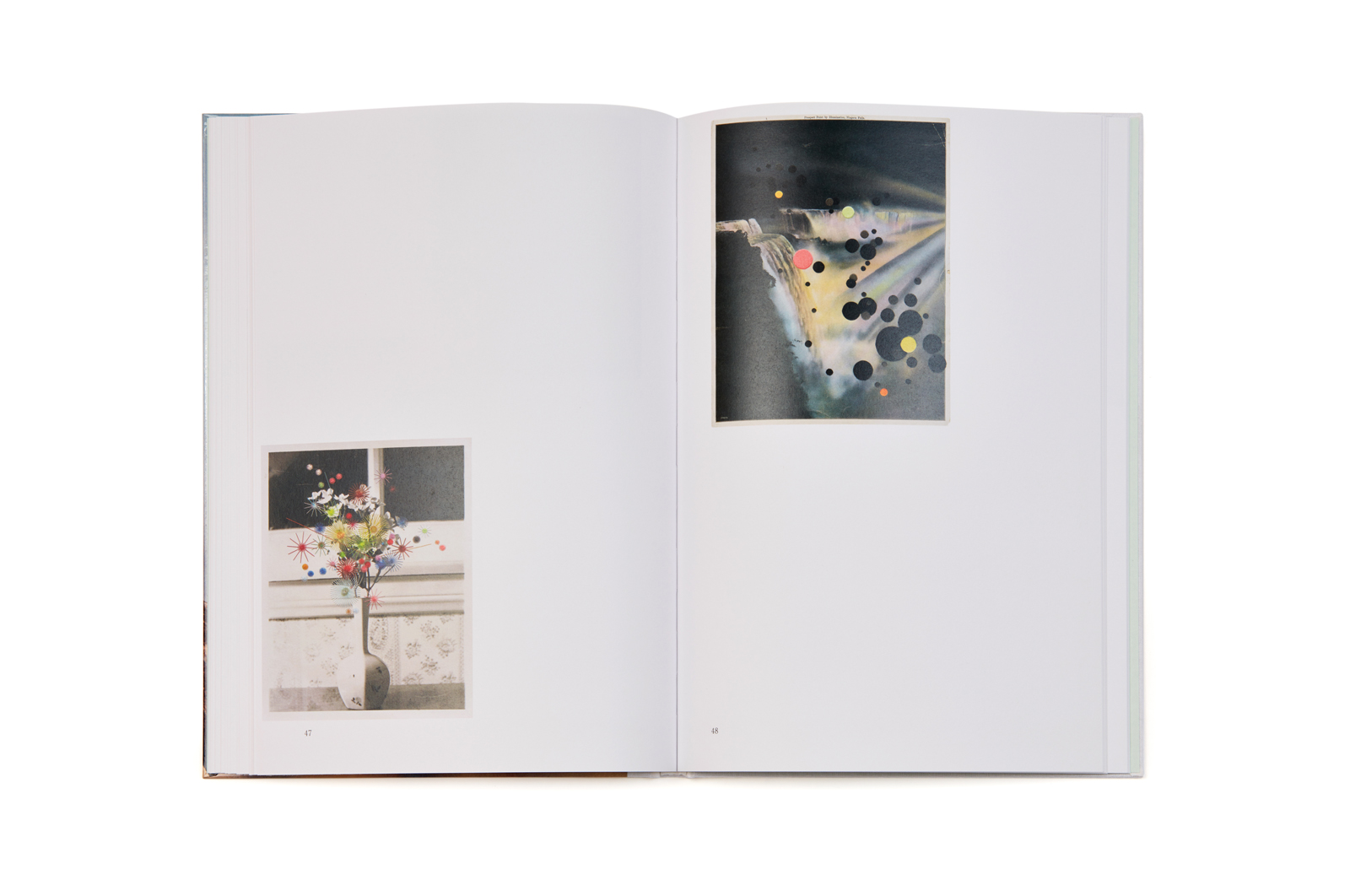
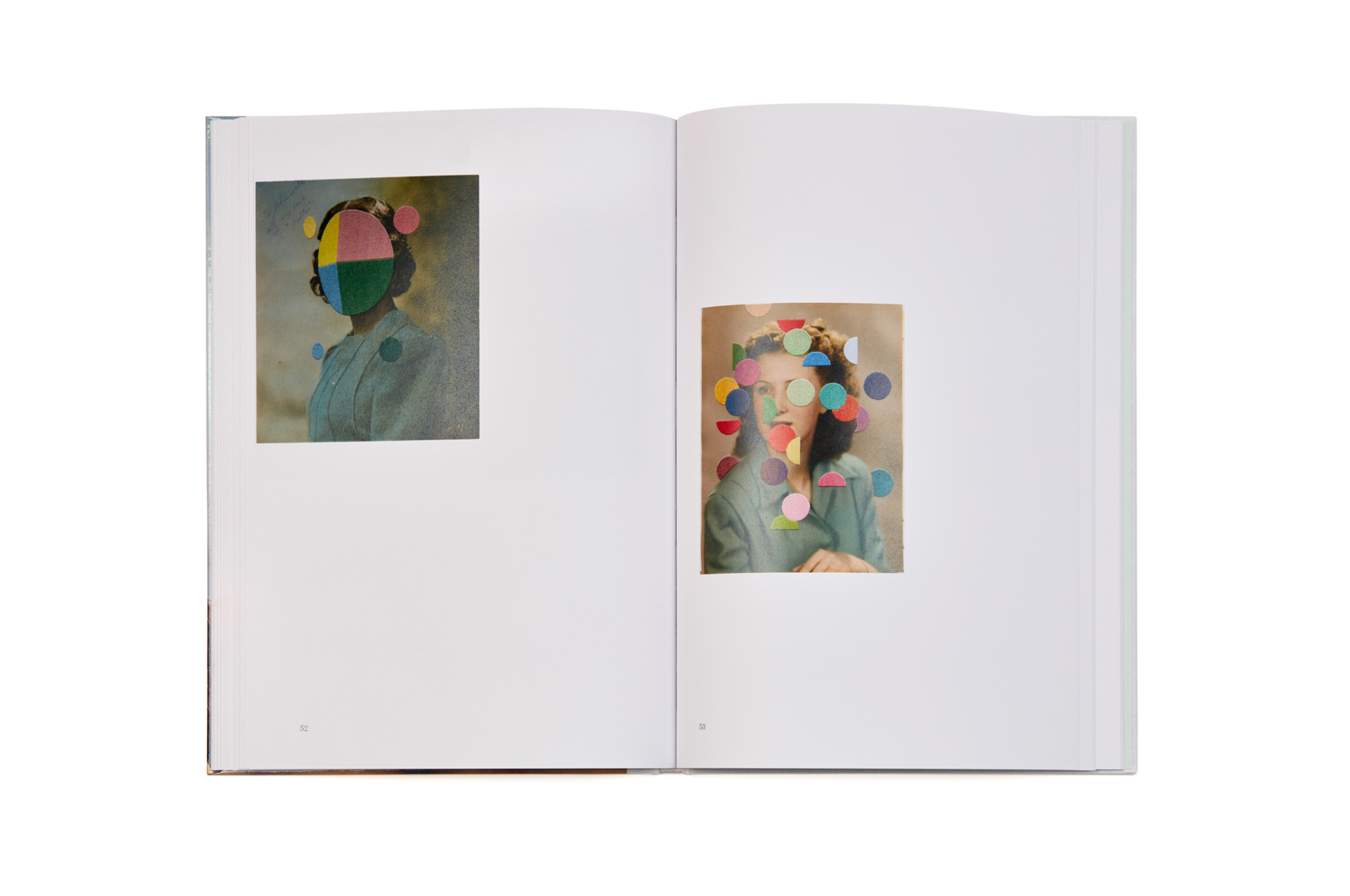
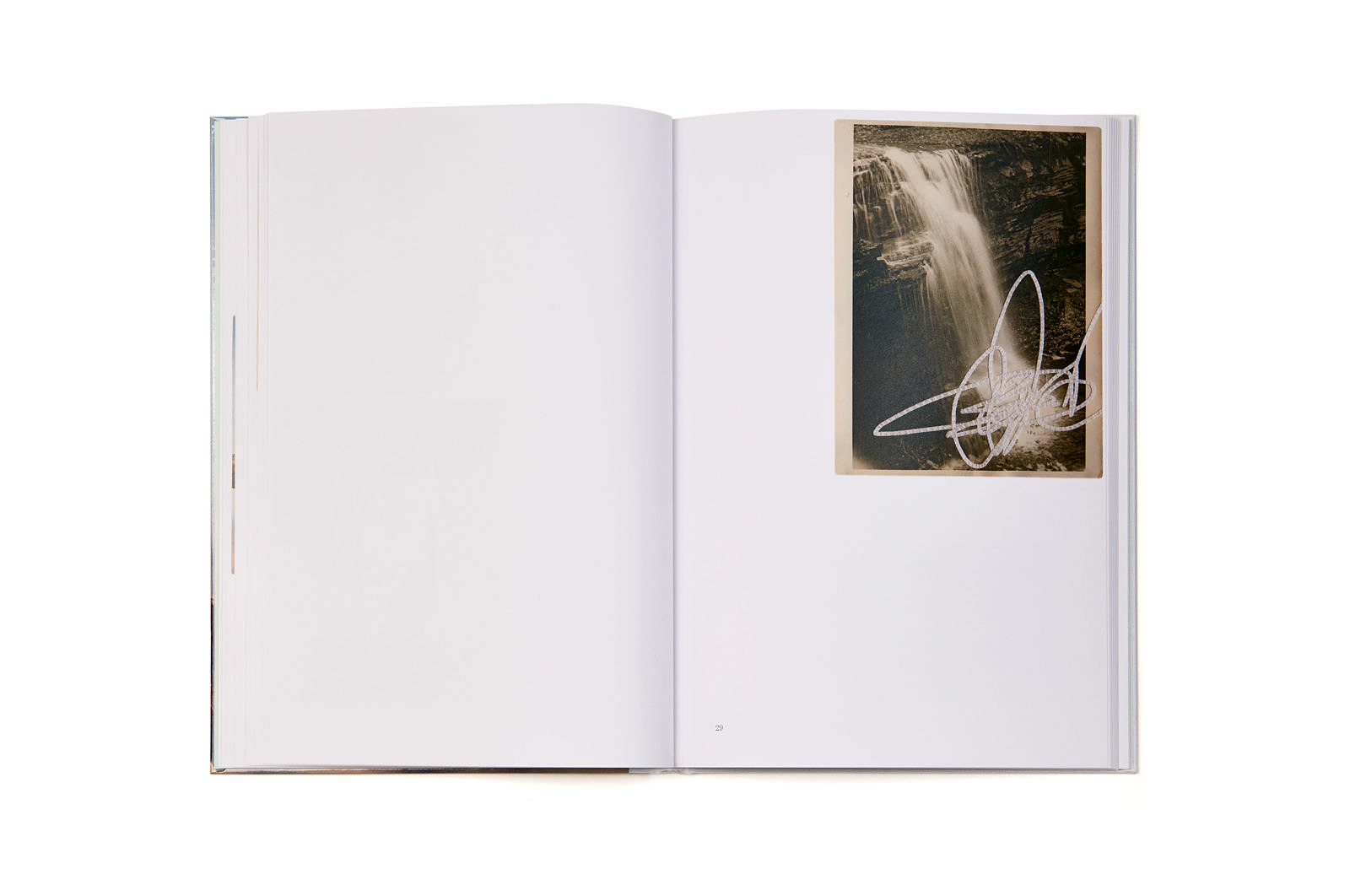
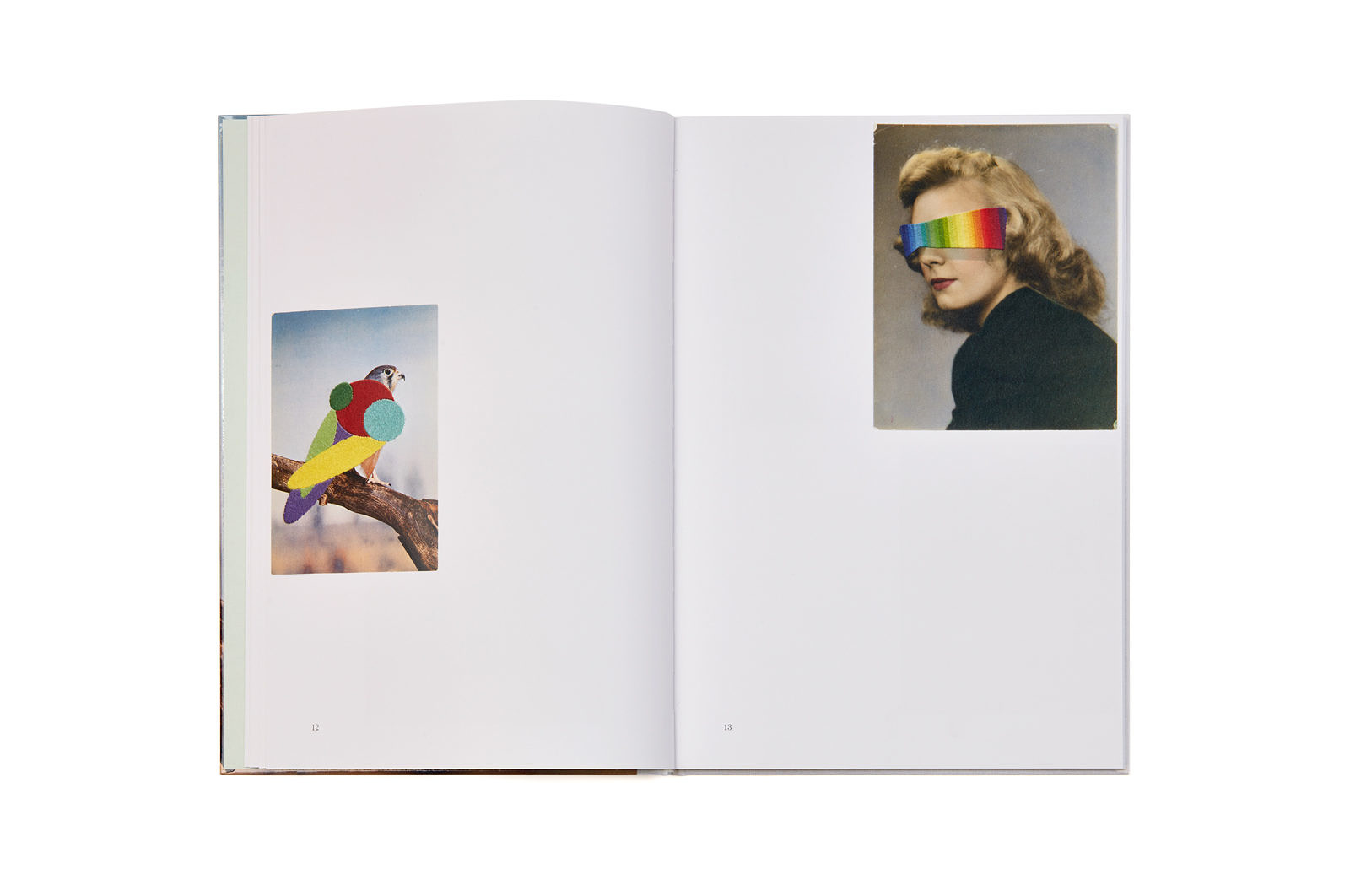
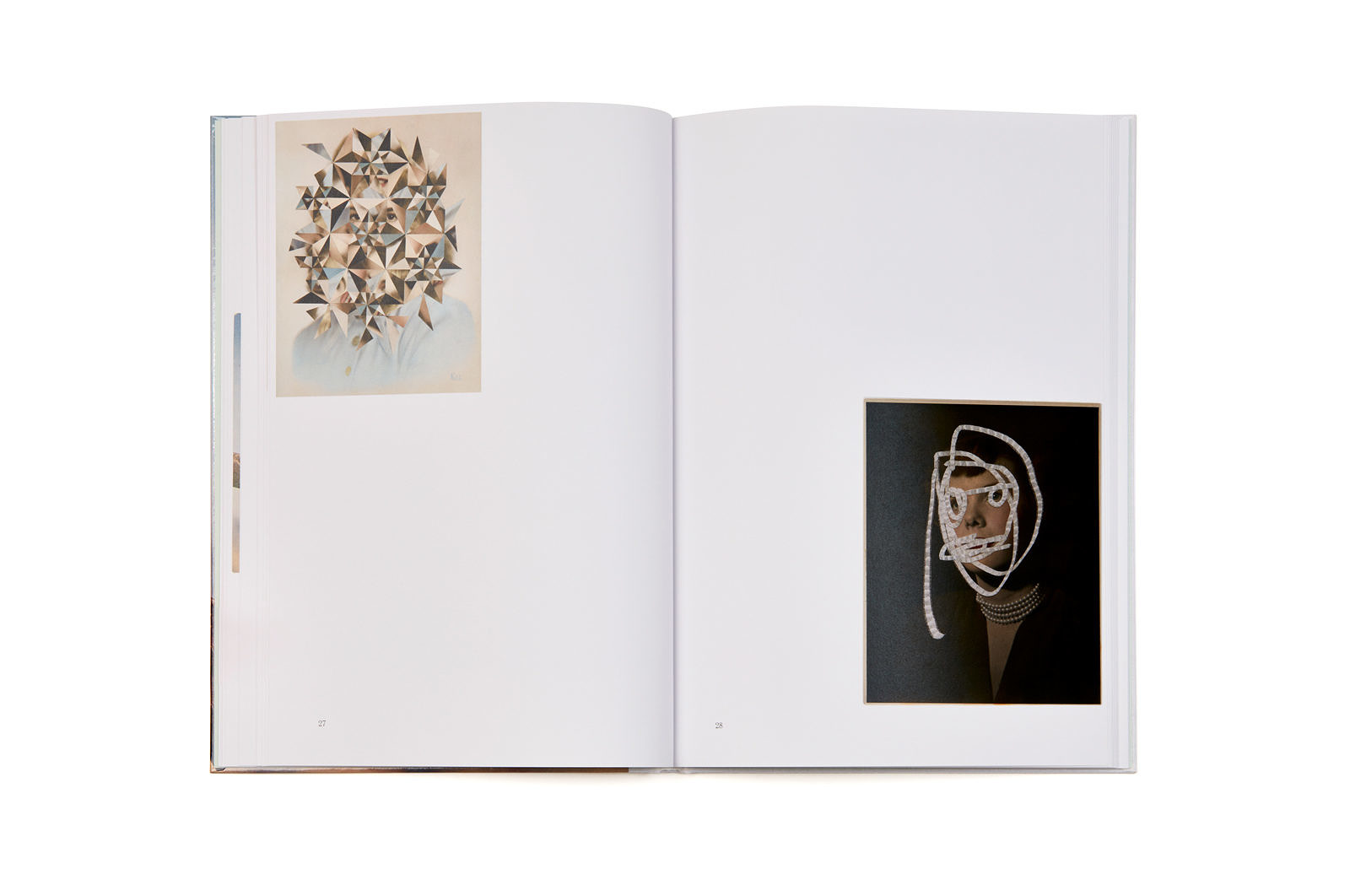
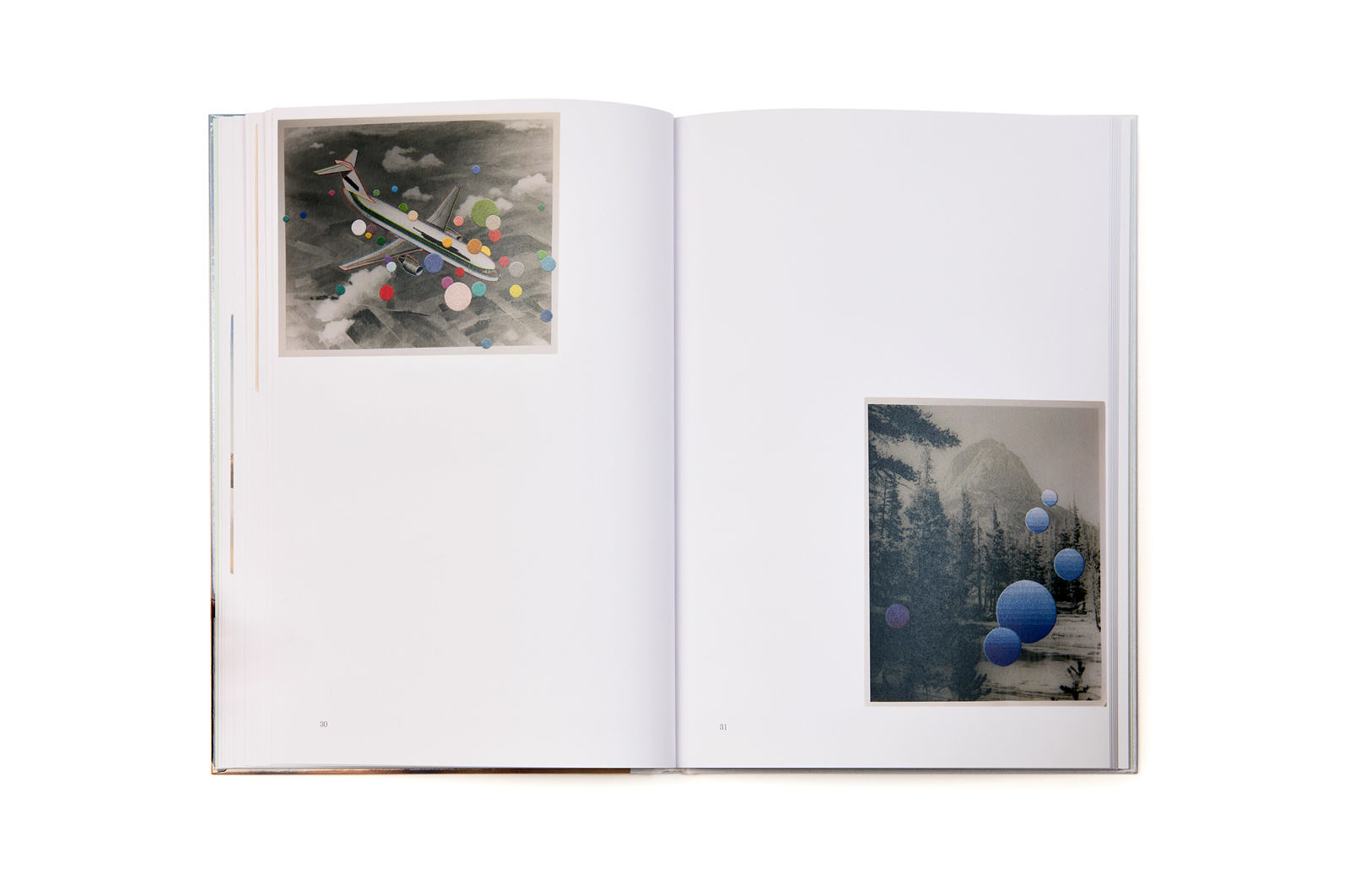
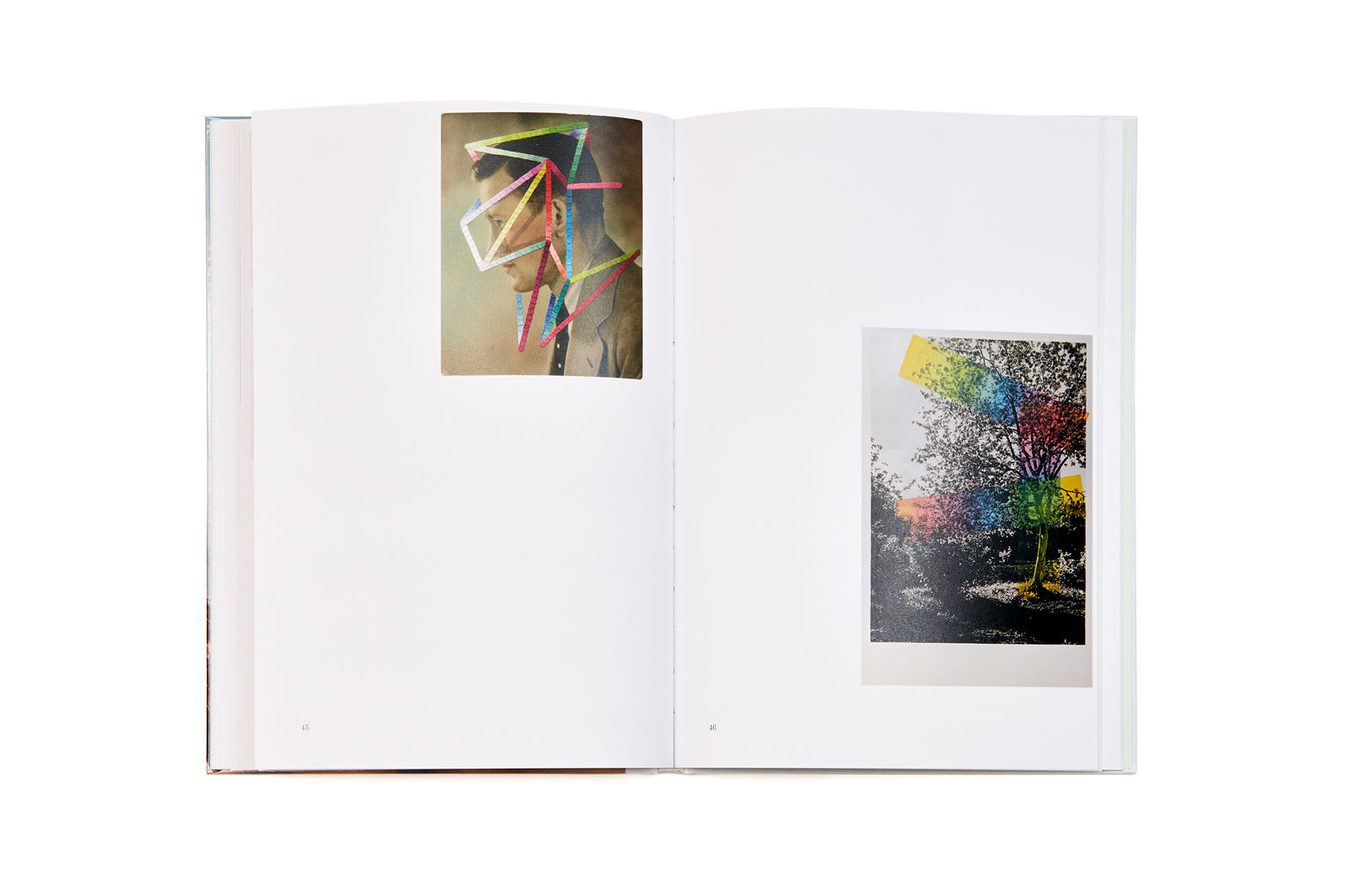
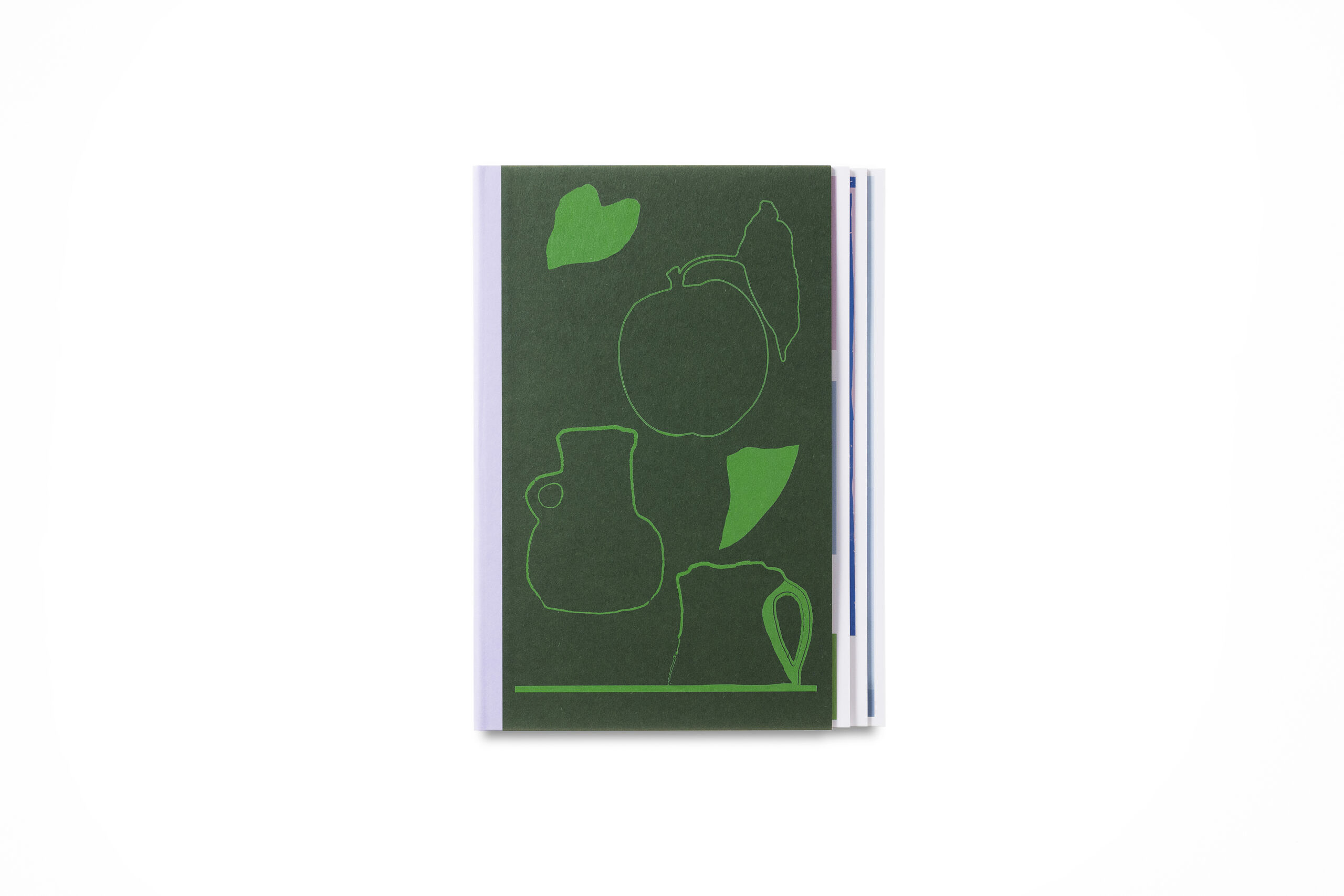
Everything is a sign in Alexandra Duprez’s work. Her enigmatic pieces are wondrous tales—dreamed, crafted, and at times collaged—where fragments of life dissolve into abstraction.

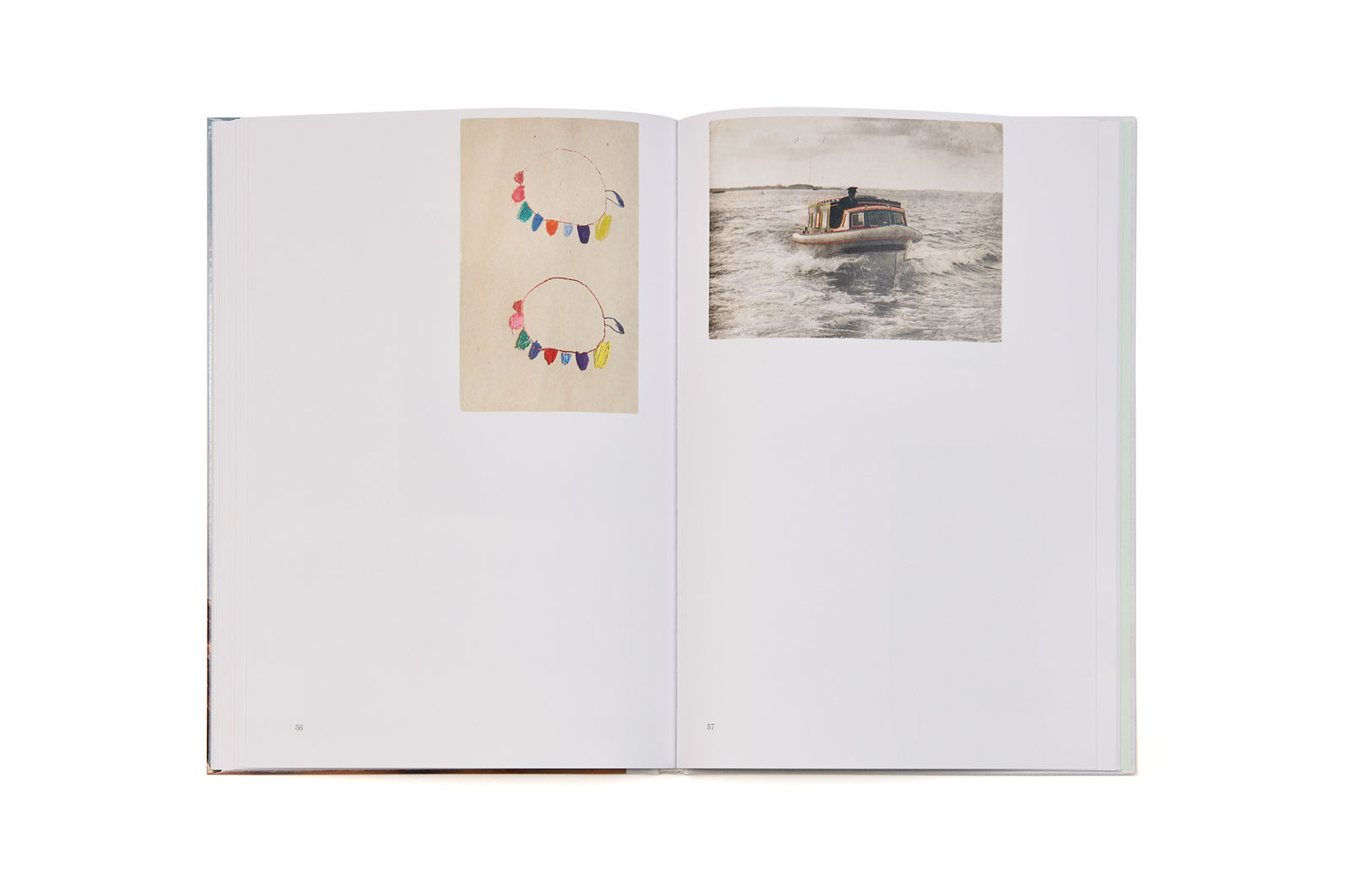
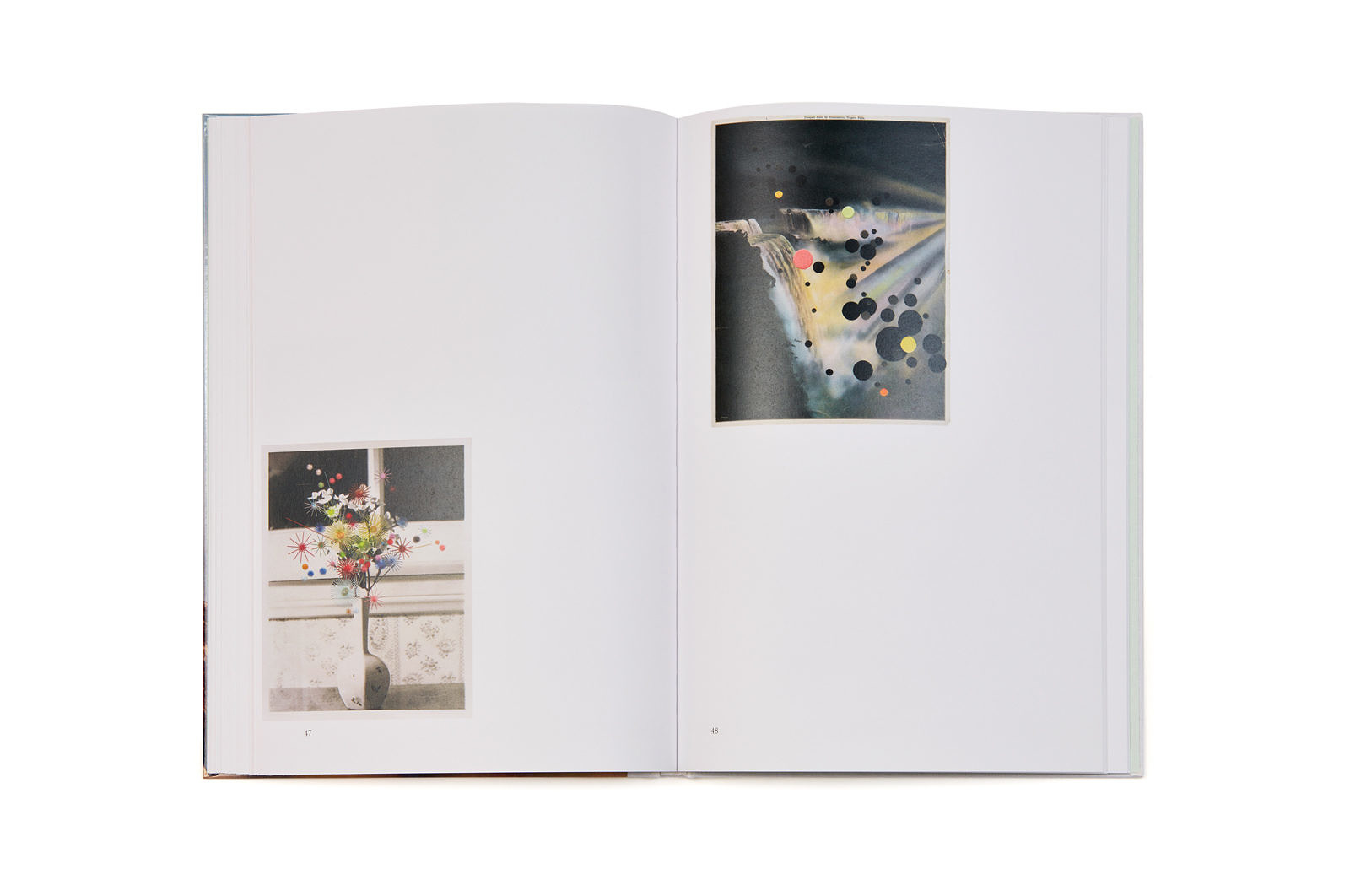
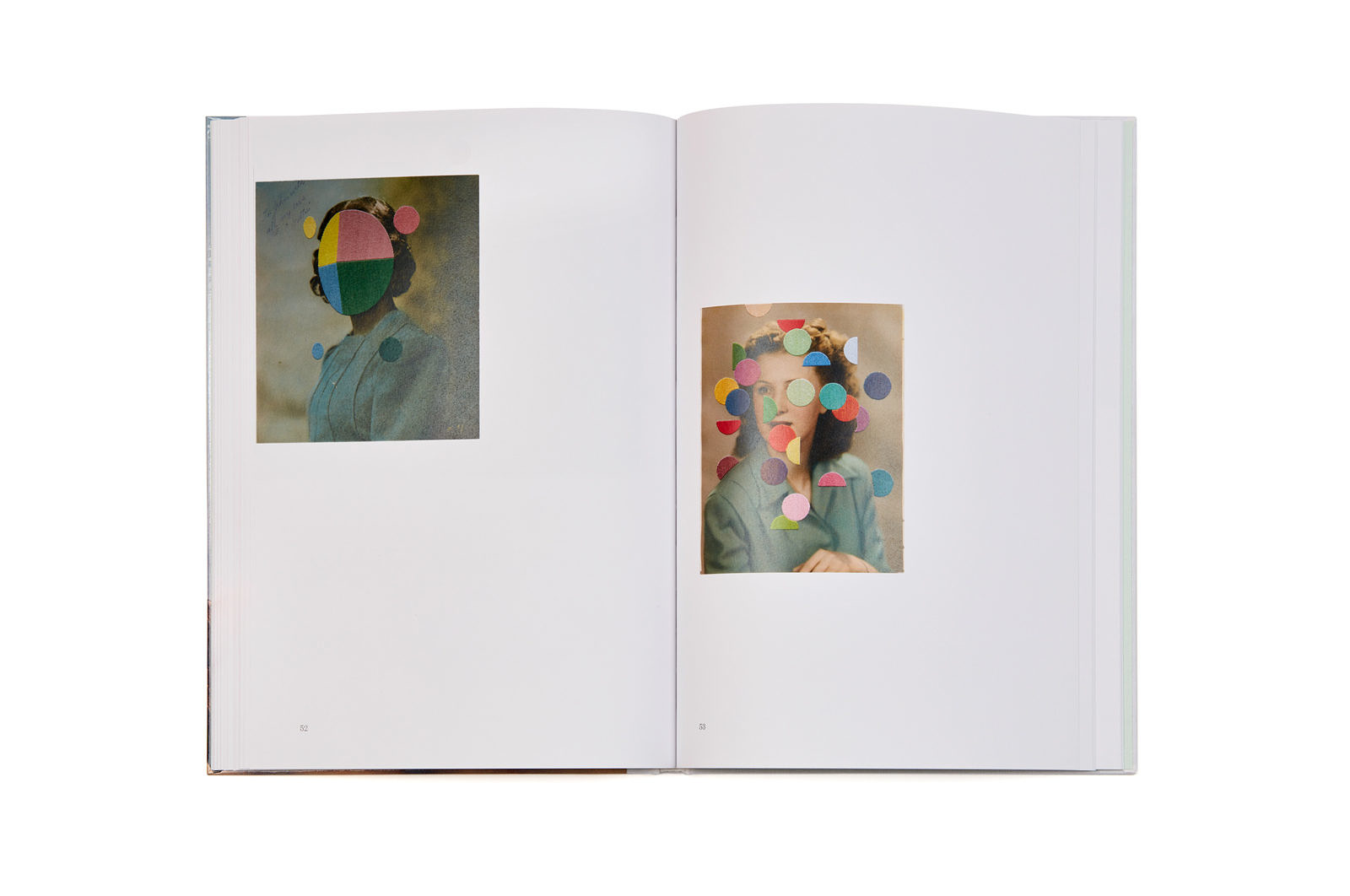
Alexandra Duprez’s work overflows—off the canvas, across book covers she envelops, onto repurposed cardboard, and beyond what we can grasp of her practice.

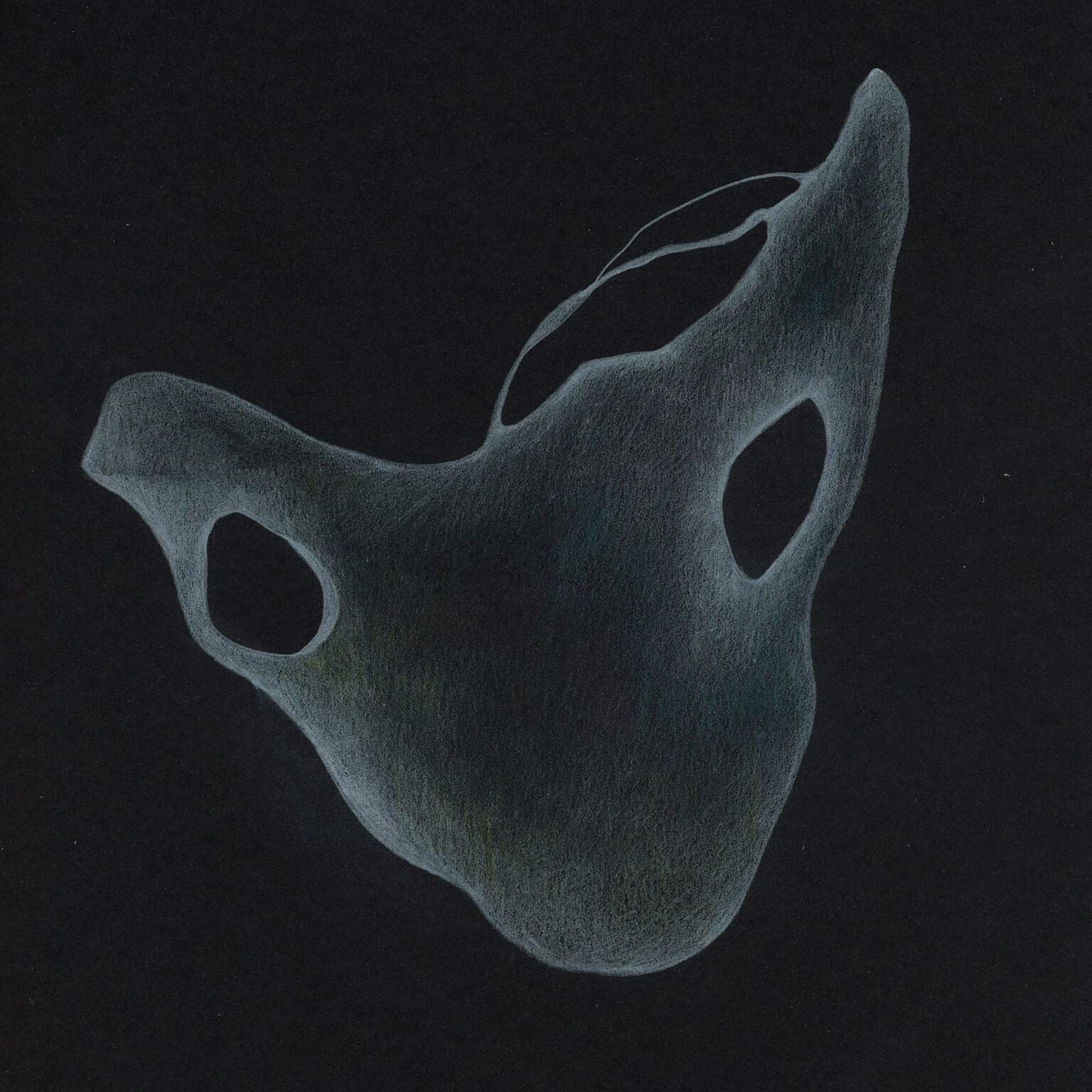
Her body of work is diverse, yet held together by a secret, almost silent thread. Within a universe unlike any other, she weaves a wondrous world where dogs, horses, and snakes coexist with humans. Deconstructed and in flux—represented through legs, hands, or eyes—these beings emerge as impenetrable points of consciousness.

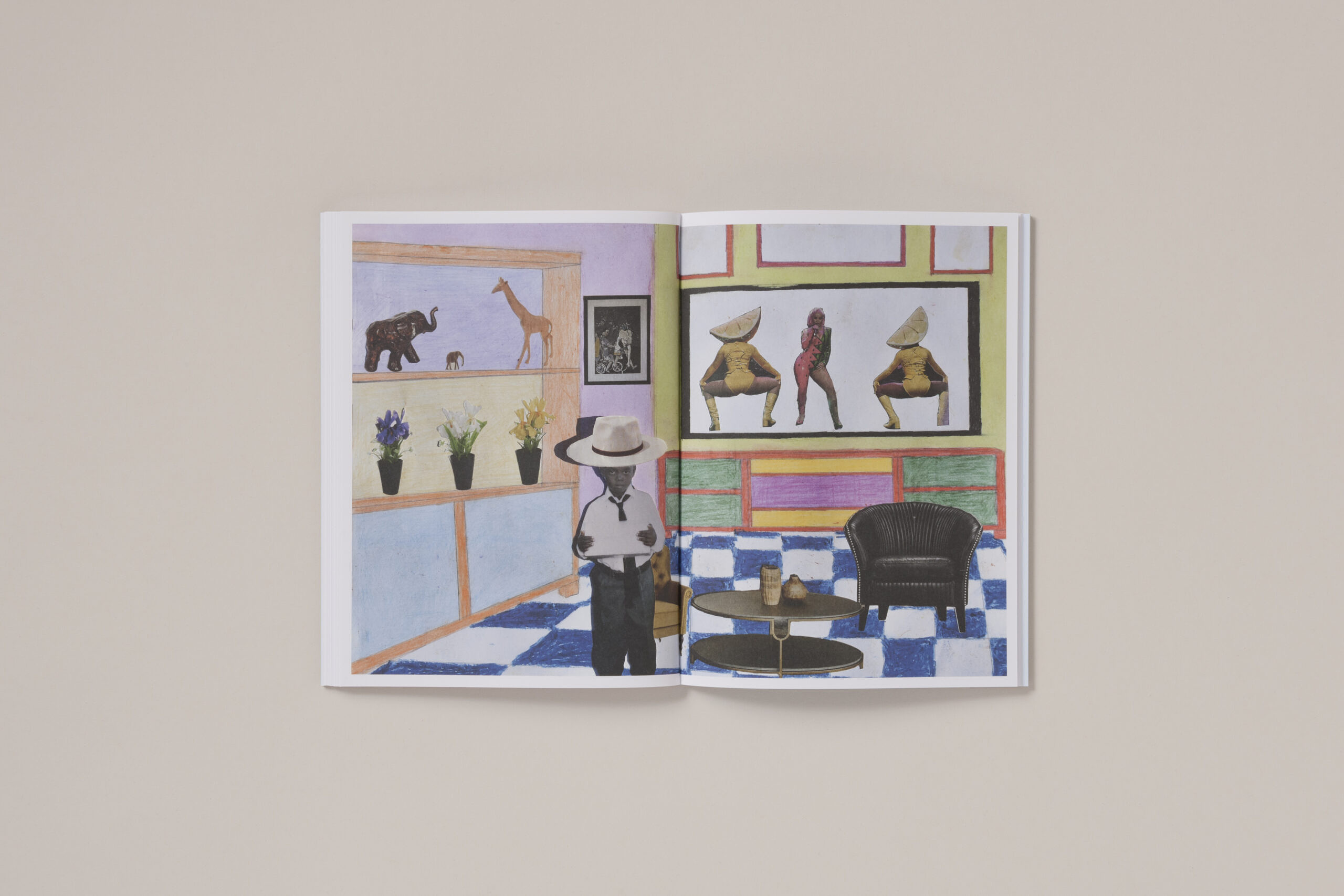
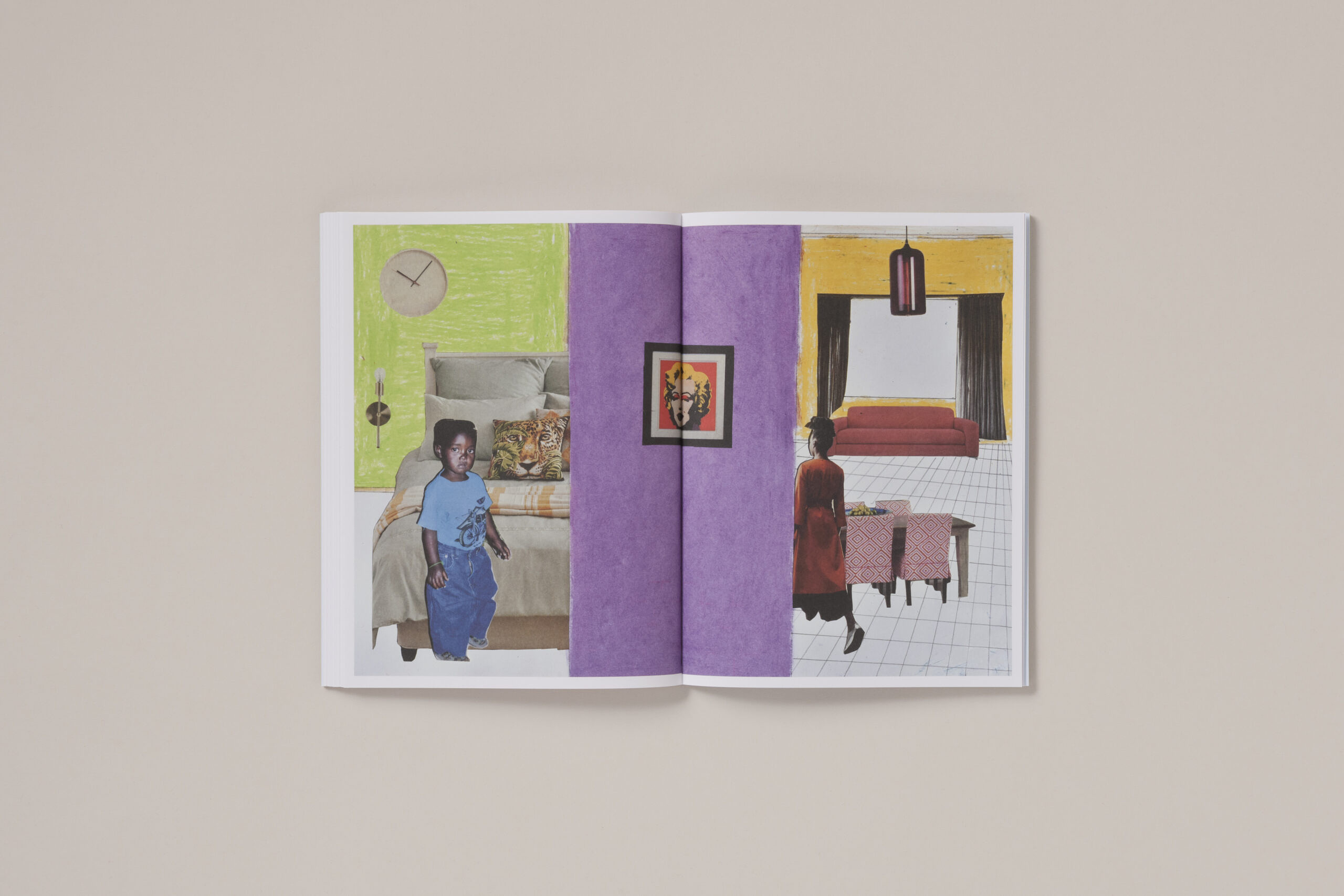
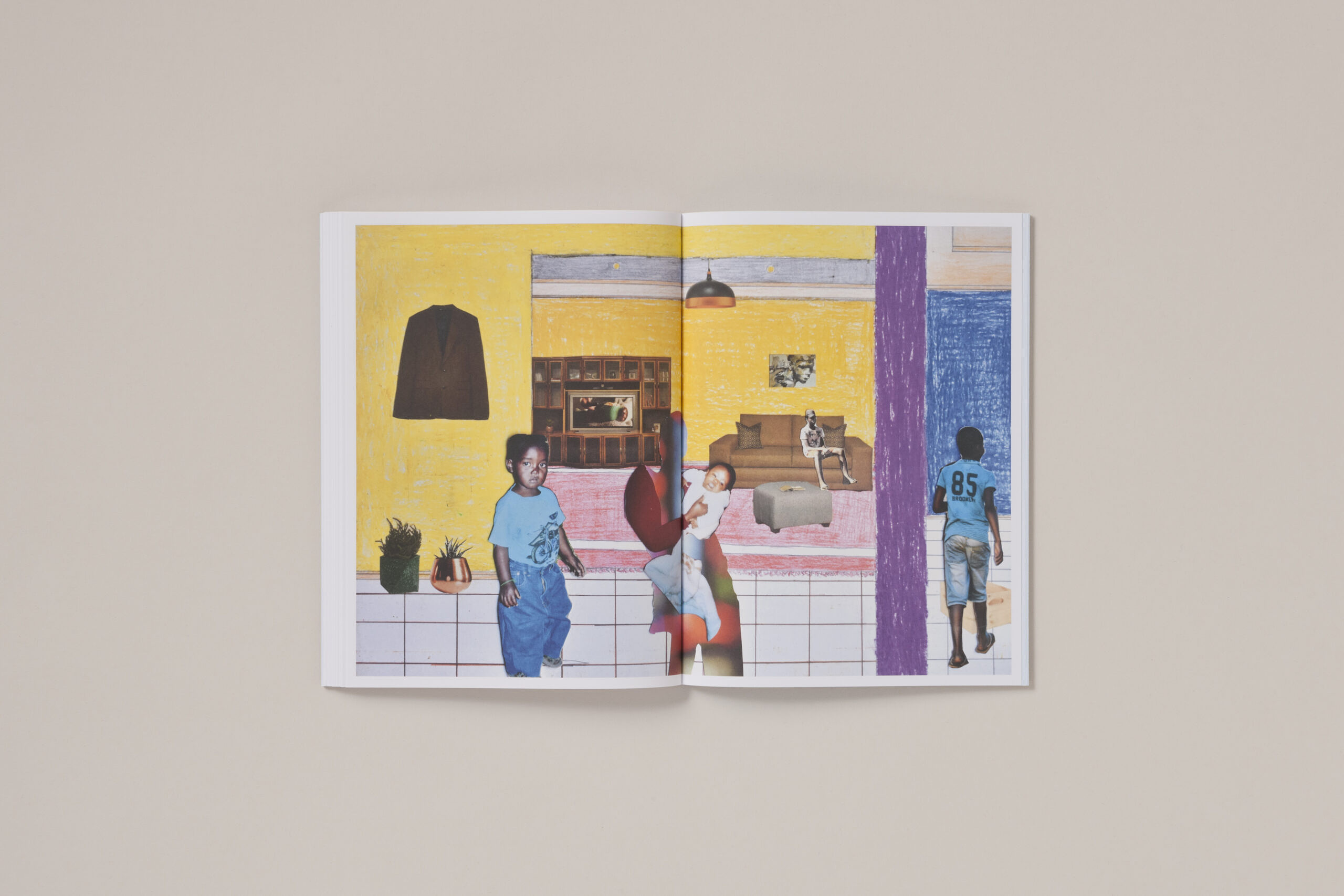
This first monograph brings together over a hundred works, carefully selected from a prolific body of art. The book opens with a text by Sophie Kaplan, director of La Criée Contemporary Art Center (Rennes), and is punctuated by a conversation between Alexandra Duprez and Cécile Poimbœuf-Koizumi (Chose Commune), accompanied by studio photographs taken in Douarnenez.

Alexandra Duprez (born in 1974 in Quimper) has lived and worked in Douarnenez. At the age of 16, Alexandra Duprez travelled to Australia. It was in this faraway land that she met Robin Hundt, a woman with a passion for popular art, who welcomed her into her home, whose walls were covered with canvases. It was a defining moment. From then on, Alexandra Duprez devoted herself to painting. On her return she enrolled at the Beaux-Arts in Quimper. She settled in Douarnenez, where she has lived and worked ever since. She is represented (selection) by COA gallery in Canada, HAGD gallery in Denmark, DYS gallery and Nq Galerie in Belgium, Pulp gallery in the USA, Moving gallery in Holland, Albrecht gallery in Germany and Galerie Philippe Valentin, in France. In 2015, she took part in the creation of the Plein-Jour gallery, which she has since co-directed.
First edition
Editing and sequencing: Cécile Poimboeuf-Koizumi
Design: Cécile Poimboeuf-Koizumi, in collaboration with Perrine Serre
Text: A conversation between Alexandra Duprez and Cécile Poimboeuf-Koizumi as well as an essay by Sophie Kaplan
160 pages
87 colour plates
20 x 26 cm
French / English
Publication date: October 2025
ISBN: 979-10-96383-55-9

You may also like

in stock

999 in stock

42
in stock

1473 in stock

45
last copies

5 in stock

28
in stock

968 in stock

60
last copies

24 in stock

100
in stock

486 in stock

28
last copies

1 in stock

25
last copies

19 in stock

500
in stock

190 in stock

60
Free shipping to France on orders over 50€
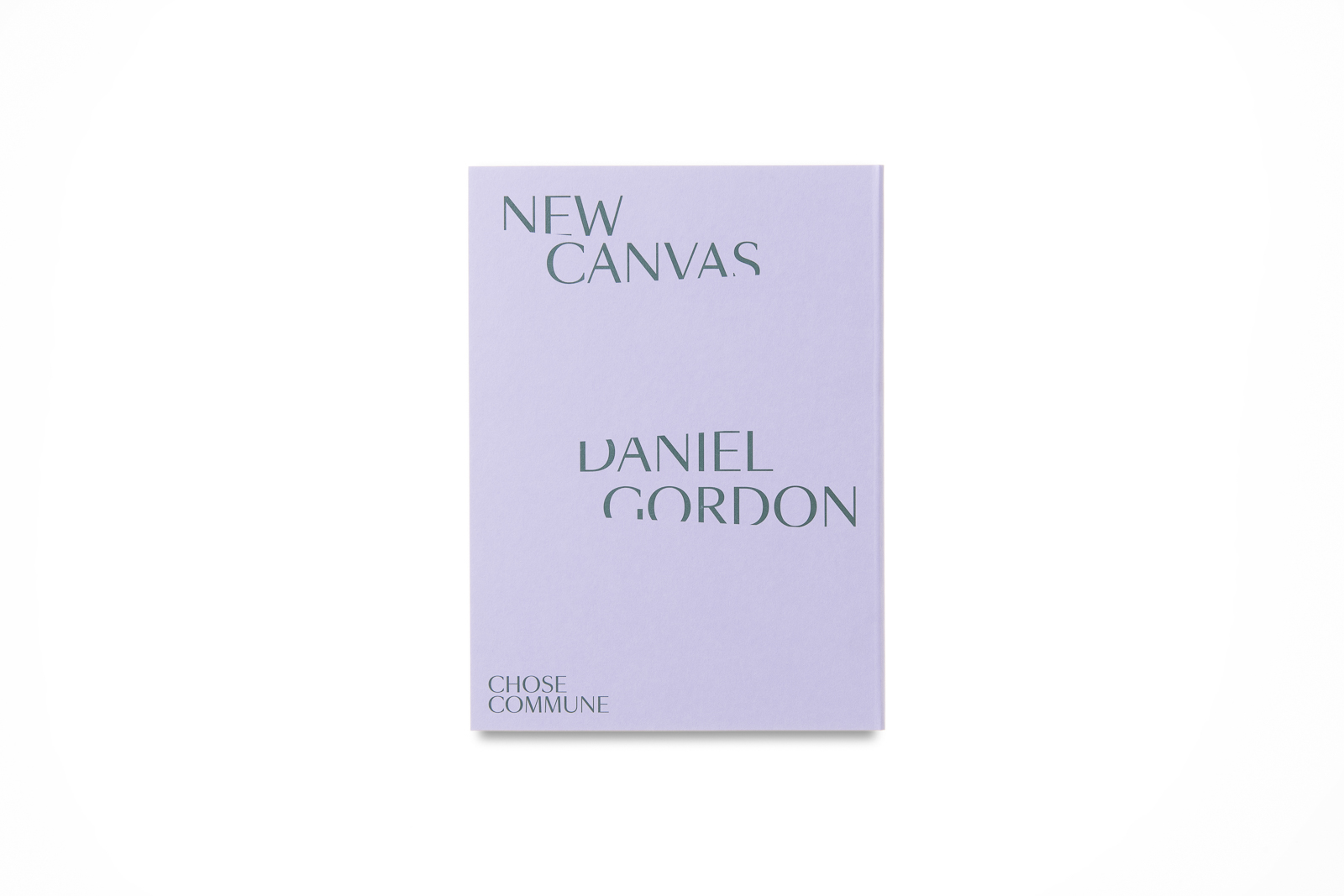
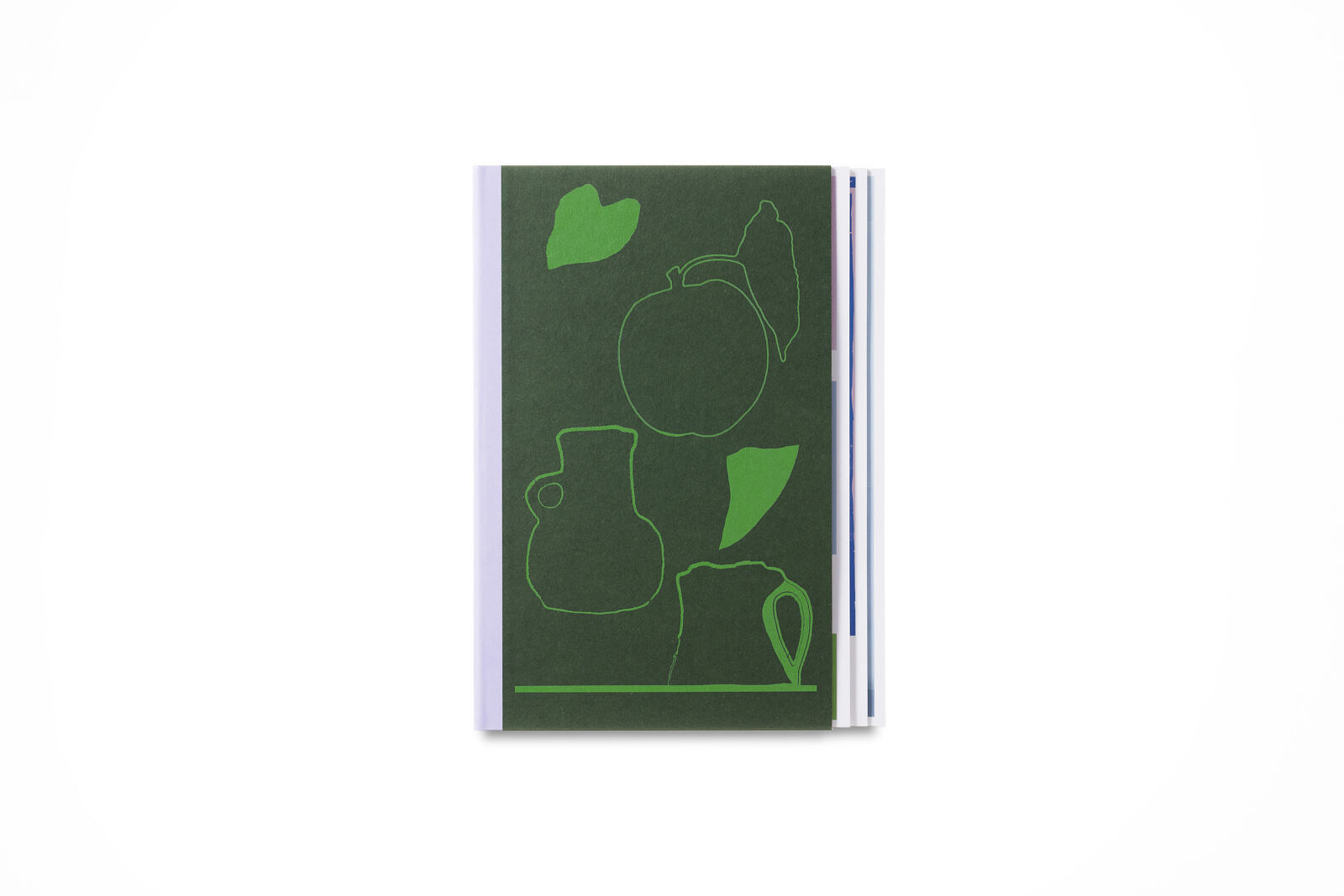
Daniel Gordon

New Canvas

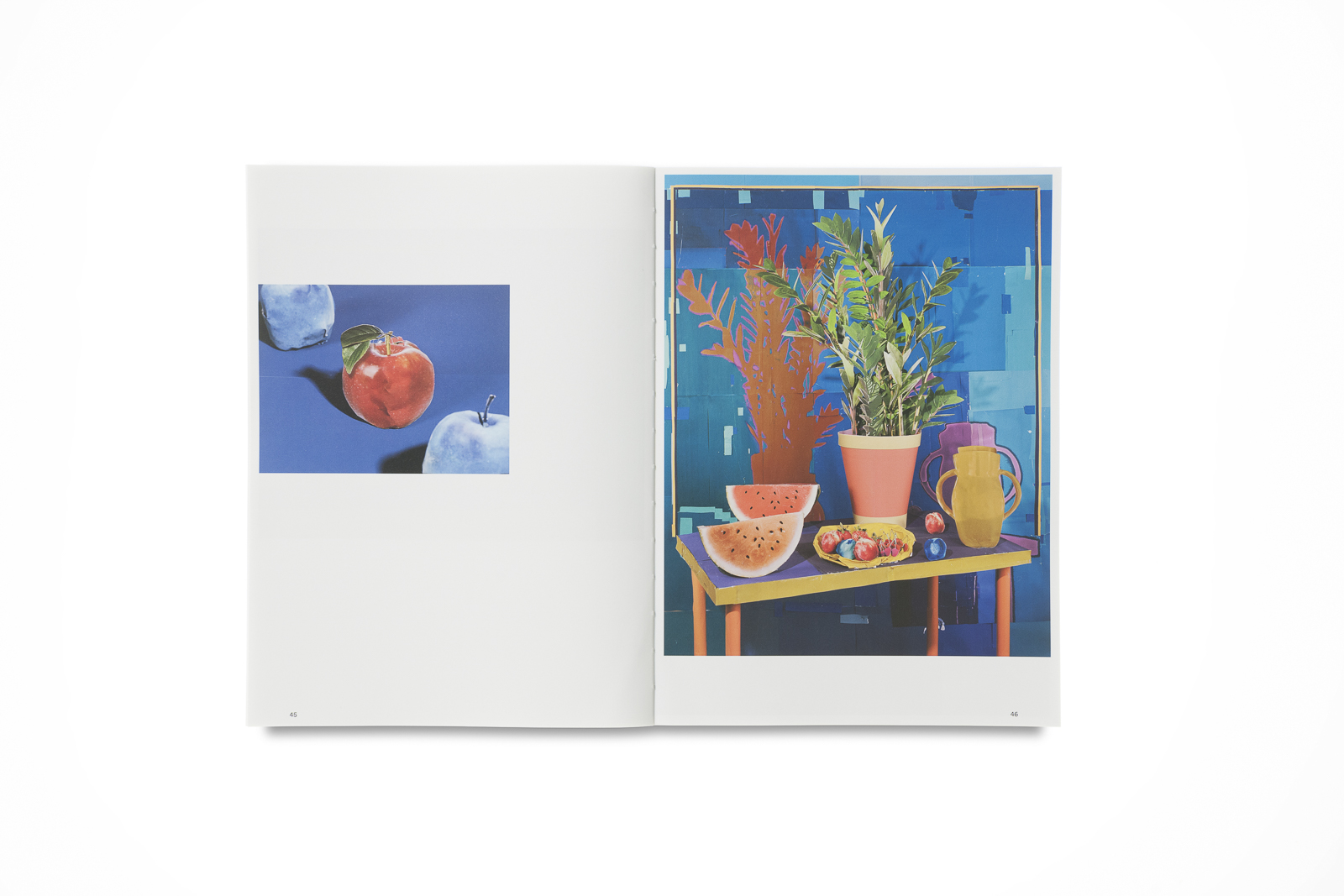
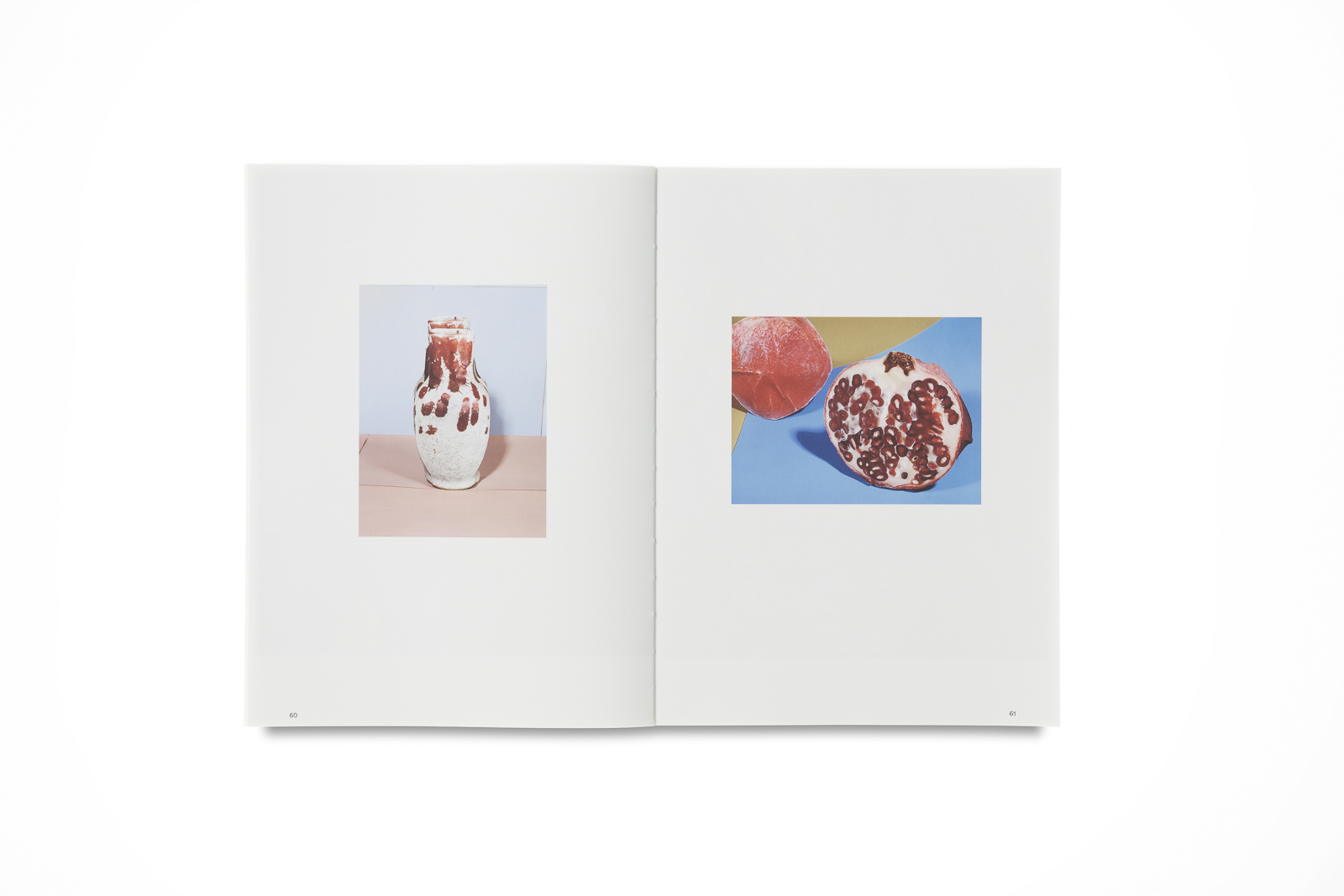
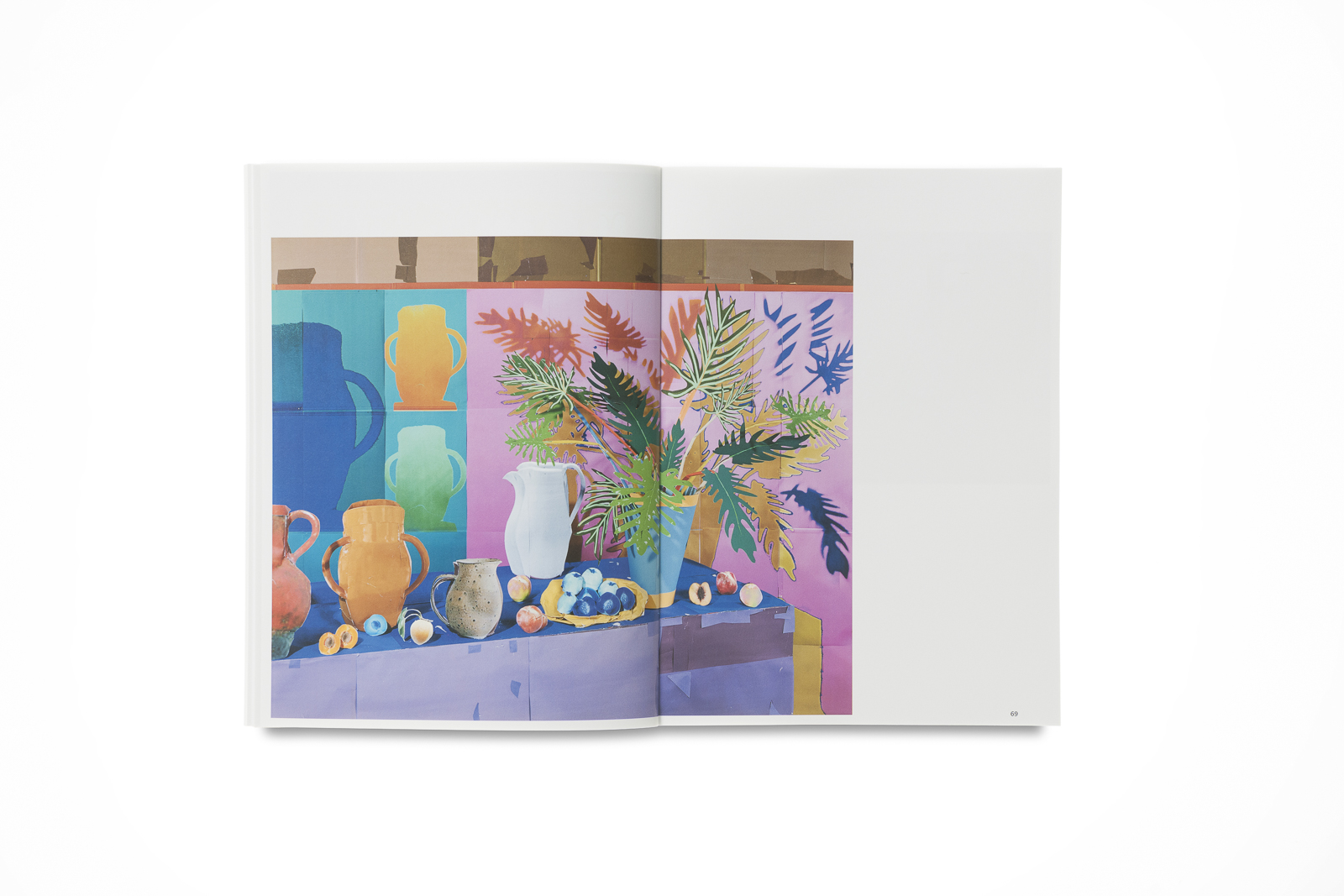
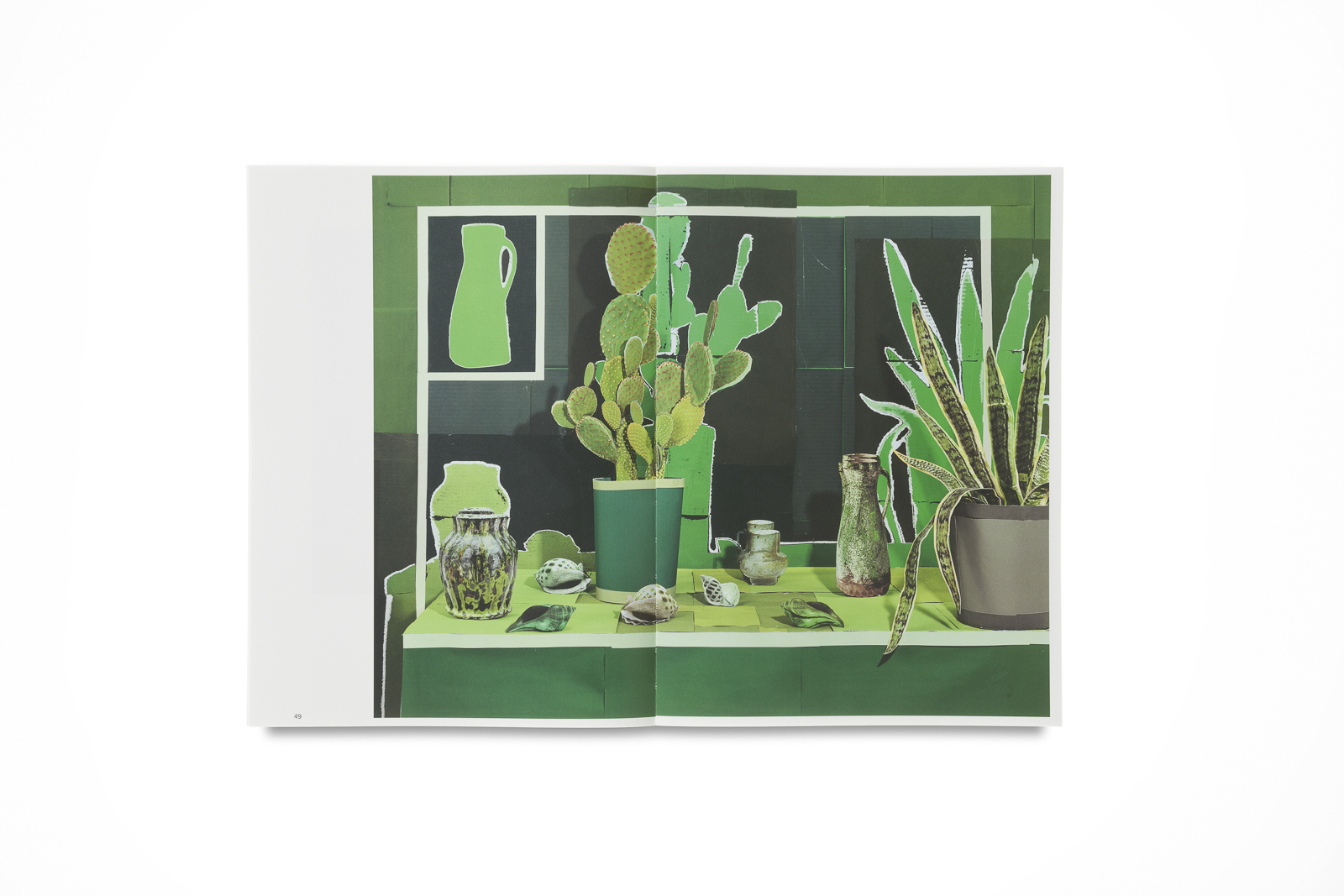
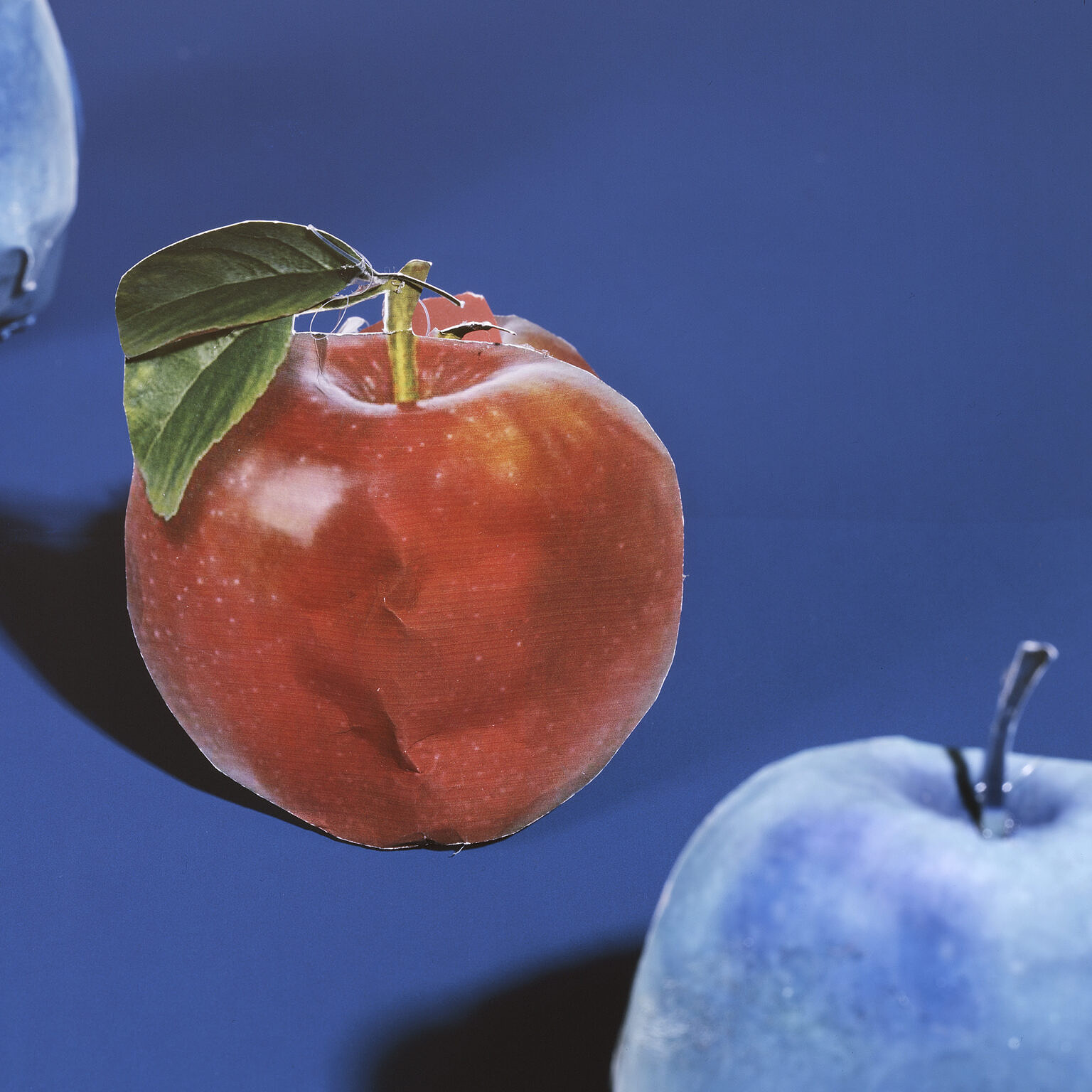
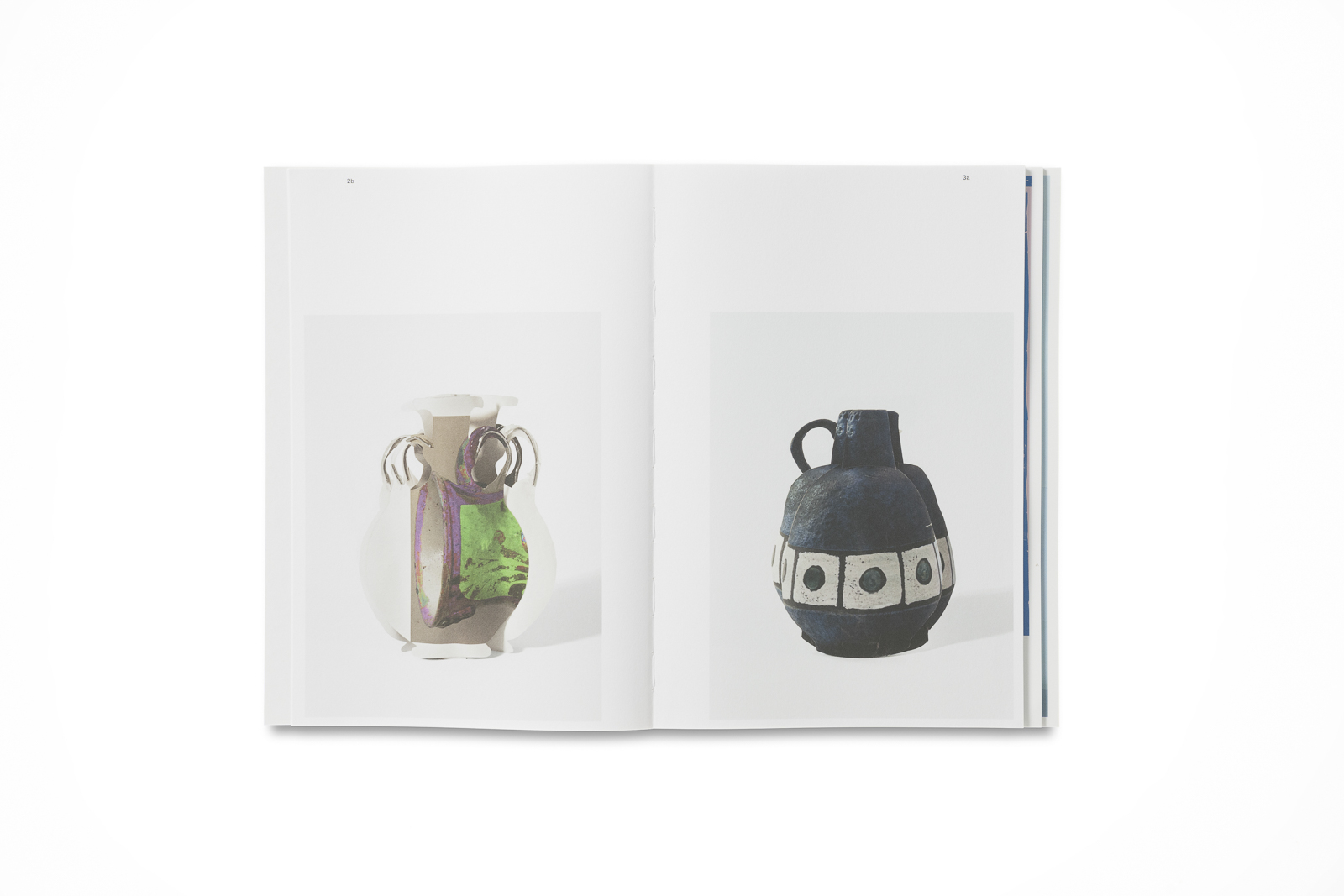
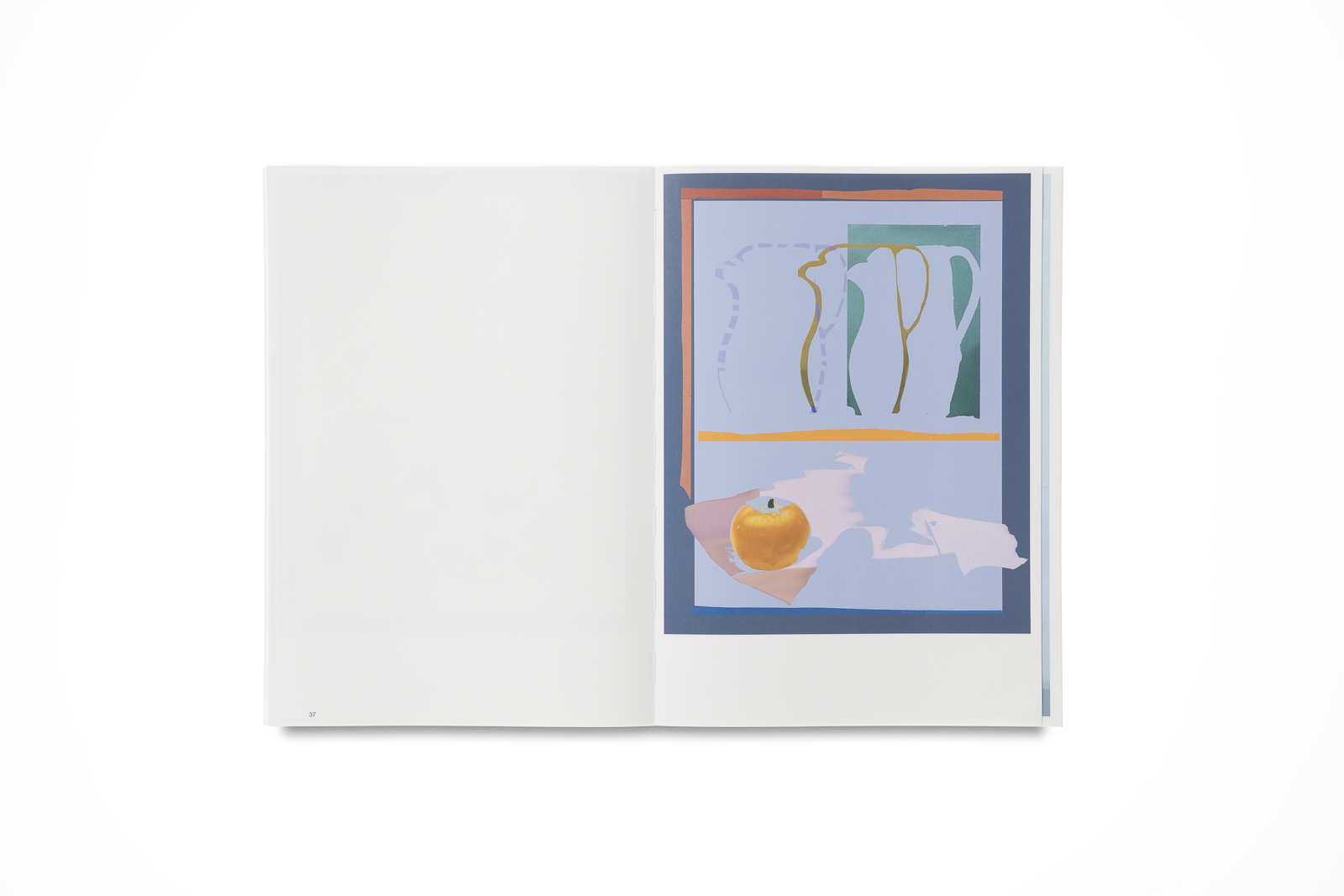
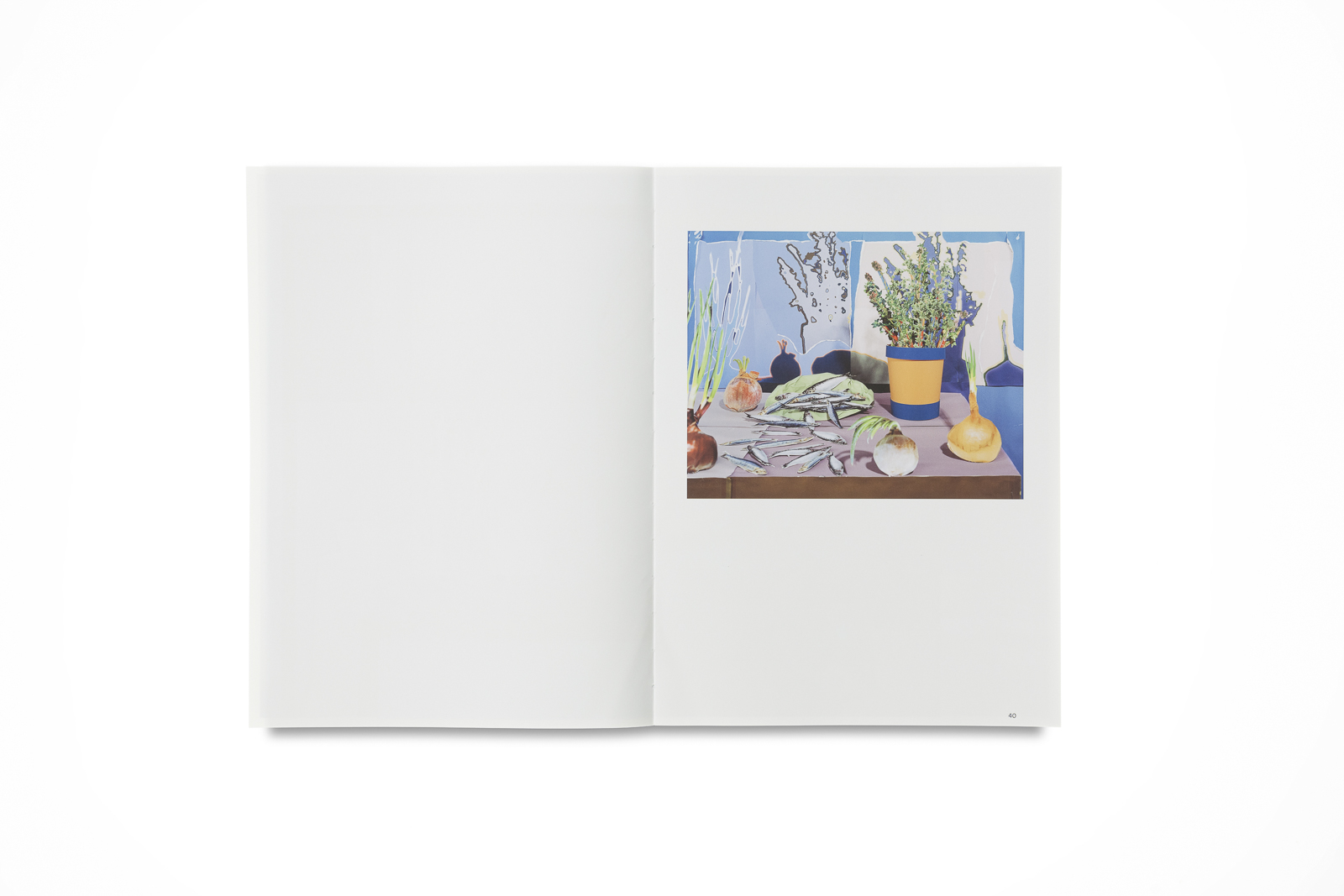
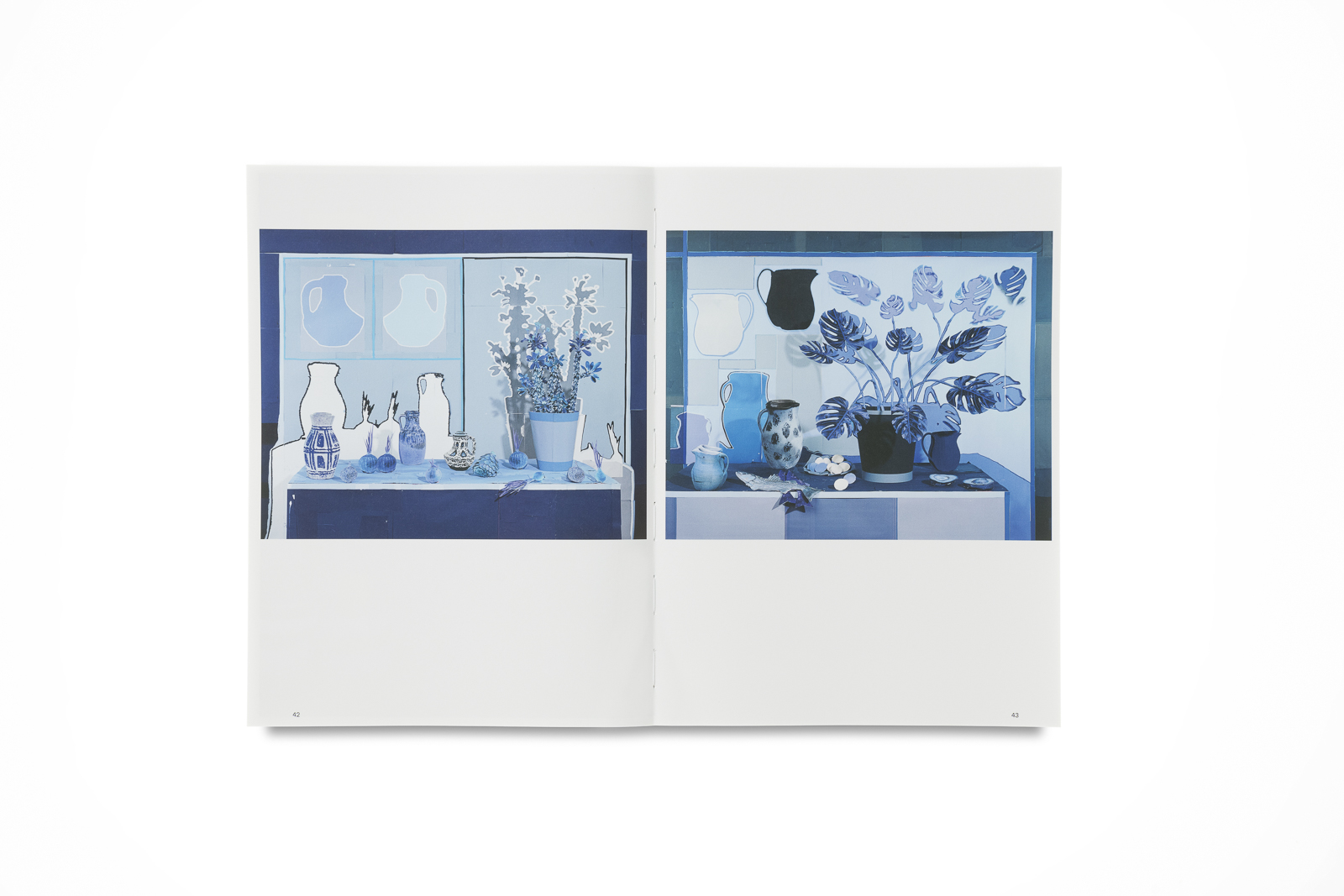
Daniel Gordon’s objects are first printed, cut, glued, and assembled before being photographed. New Canvas traces the artist’s process in creating his multilayered visual compositions.

Daniel Gordon cuts, builds, experiments and photographs. Gordon’s relationship to photography is intrinsically linked to his working process. Like a painter or sculptor, he has an intense studio practice. He imagines and creates his images from scratch, literally and figuratively.

New Canvas, arguably the most comprehensive monograph of the artist to date, focuses on both Gordon’s final works and the process that leads to the end result, by emphasizing on the different layers that compose his photographs.

Daniel Gordon (born in 1980 in Boston) lives and works in Brooklyn.. He received a BA from Bard College, New York in 2003 before graduating with an MFA from Yale University in 2006. Moving between two and three-dimensions, Daniel Gordon’s practice appropriates images of still-life subjects he finds on the Internet. Printing the images on paper before cutting them out, he then assembles a three-dimensional tableau in the studio which is subsequently photographed, linking handmade and digital-based processes and materials. He is represented by Kasmin Gallery (New York), Shulamit Nazarian Gallery (Los Angeles) and Huxley—Parlour Gallery (London).
First edition
Editorial direction: Cécile Poimboeuf-Koizumi
Design: Akiko Wakabayashi
Text: Susan Thompson
160 pages
104 plates
21 x 29 cm
Swiss binding hardcover with different sized pages
French / English
Publication date: October 27th 2022
ISBN: 979-10-96383-27-6

You may also like

in stock

999 in stock

42
in stock

352 in stock

42
in stock

769 in stock

40
in stock

486 in stock

28
last copies

1 in stock

25
last copies

19 in stock

500
in stock

190 in stock

60
Free shipping to France on orders over 50€
Kazuo Kitai

Iroha

With this latest series, Kazuo Kitai renews his practice. By transforming his archival images, he offers a new, sensitive and gestural reading, questioning the creative act at the end of a cycle.

In this new series, Kazuo Kitai revisits his own photographic archives: faces, bodies under tension, marching crowds, fragments of resistance. Known for documenting the protest movements in Japan during the 1960s, he now chooses to reactivate these images through a radical gesture.

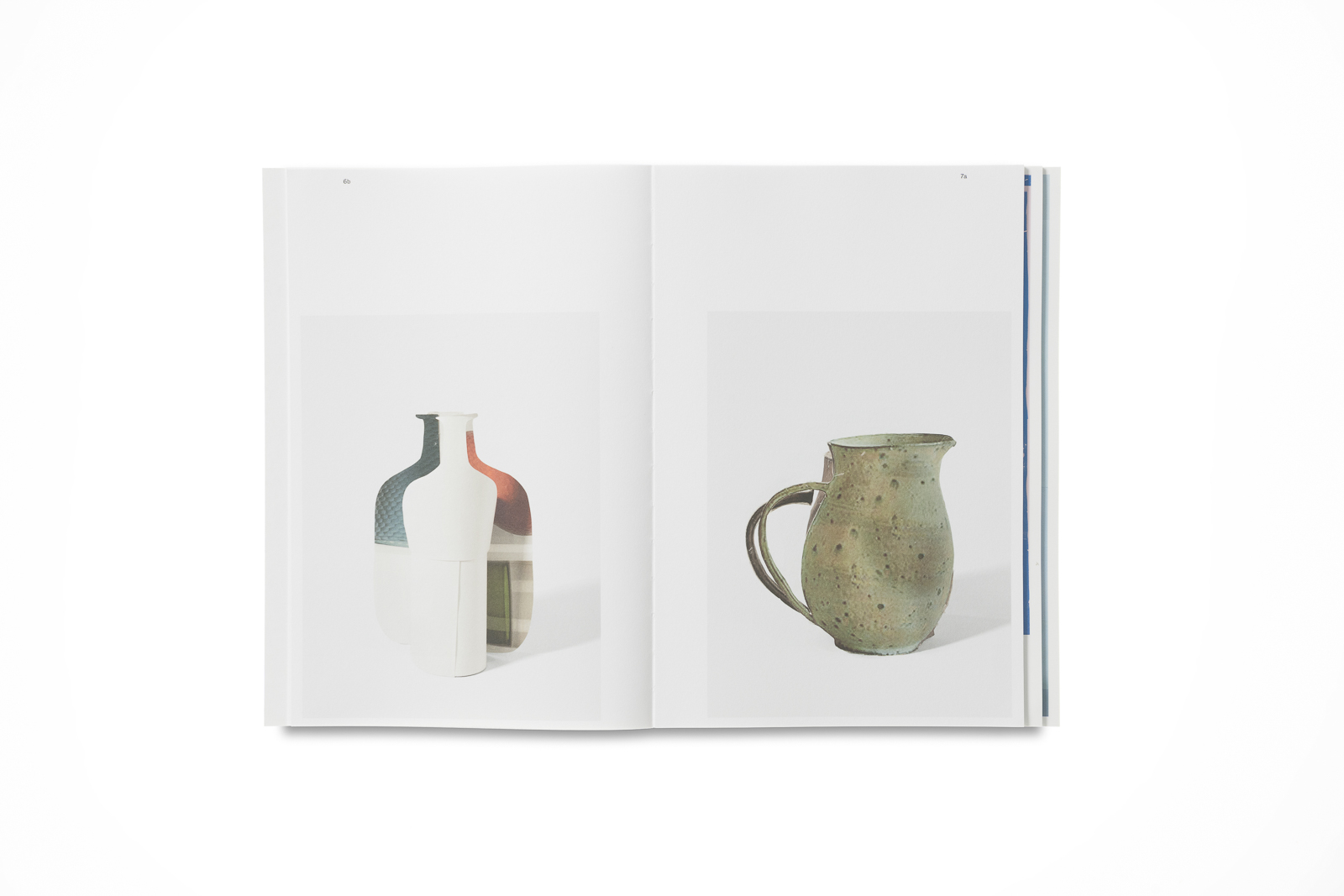
By tearing his silver prints and covering them with paint, Kitai transforms photography into raw material. The documentary becomes abstraction; the image becomes a surface for a hybrid form, somewhere between calligraphy and painting. This work marks a break in his practice: it is no longer about bearing witness, but about reinterpretation.

In these black-and-white photographs, we see helmeted men, workers, police officers, students, inhabited streets, and suspended objects. The artist overlays them with vivid colors and inscribes the Japanese characters “I,” “RO,” and “HA” — the first syllables of the traditional kana order, the equivalent of the “A-B-C” or “B.A.-BA” in Latin script. A return to fundamentals, further emphasized by the numbers “1, 2, 3,” typically recited as a countdown before setting something in motion.

A manifesto in book form — at the intersection of memory, painterly gesture, and renewal.

Kazuo Kitai (born 1944 in China) abandoned his photography studies early on at the College of Art at Nihon University. Documenting the “Resistance,” the title of his first collection published in 1965, he is best known for his photographs of Japanese protest movements in the 1960s and 1970s. In the 1980s, he turned his attention to the residents of Osaka and Tokyo (Shinsekai Monogatari, Funabashi Monogatari), as well as to rural Japan. He has received numerous awards, including the prestigious Kimura Ihei Award (in 1975).
First edition
Editing and sequencing: Cécile Poimboeuf-Koizumi
Design: Cécile Poimboeuf-Koizumi, in collaboration with Perrine Serre
80 pages
44 black-and-white photographs hand-coloured with paint
Unbound sheets in a folder with a red rubber band
24 x 31,5 cm
French / English / Japanese
Publication date: November 2025
ISBN: 979-10-96383-56-6

You may also like

in stock

352 in stock

42
last copies

8 in stock

600
last copies

8 in stock

300
last copies

3 in stock

28
in stock

462 in stock

45
in stock

968 in stock

60
in stock

769 in stock

40
in stock

880 in stock

22
in stock

958 in stock

40
in stock

486 in stock

28
in stock

949 in stock

55
last copies

1 in stock

25
last copies

1 in stock

600
last copies

19 in stock

500
in stock

190 in stock

60
Free shipping to France on orders over 50€
Johanna Tagada Hoffbeck

Do Insects Play?

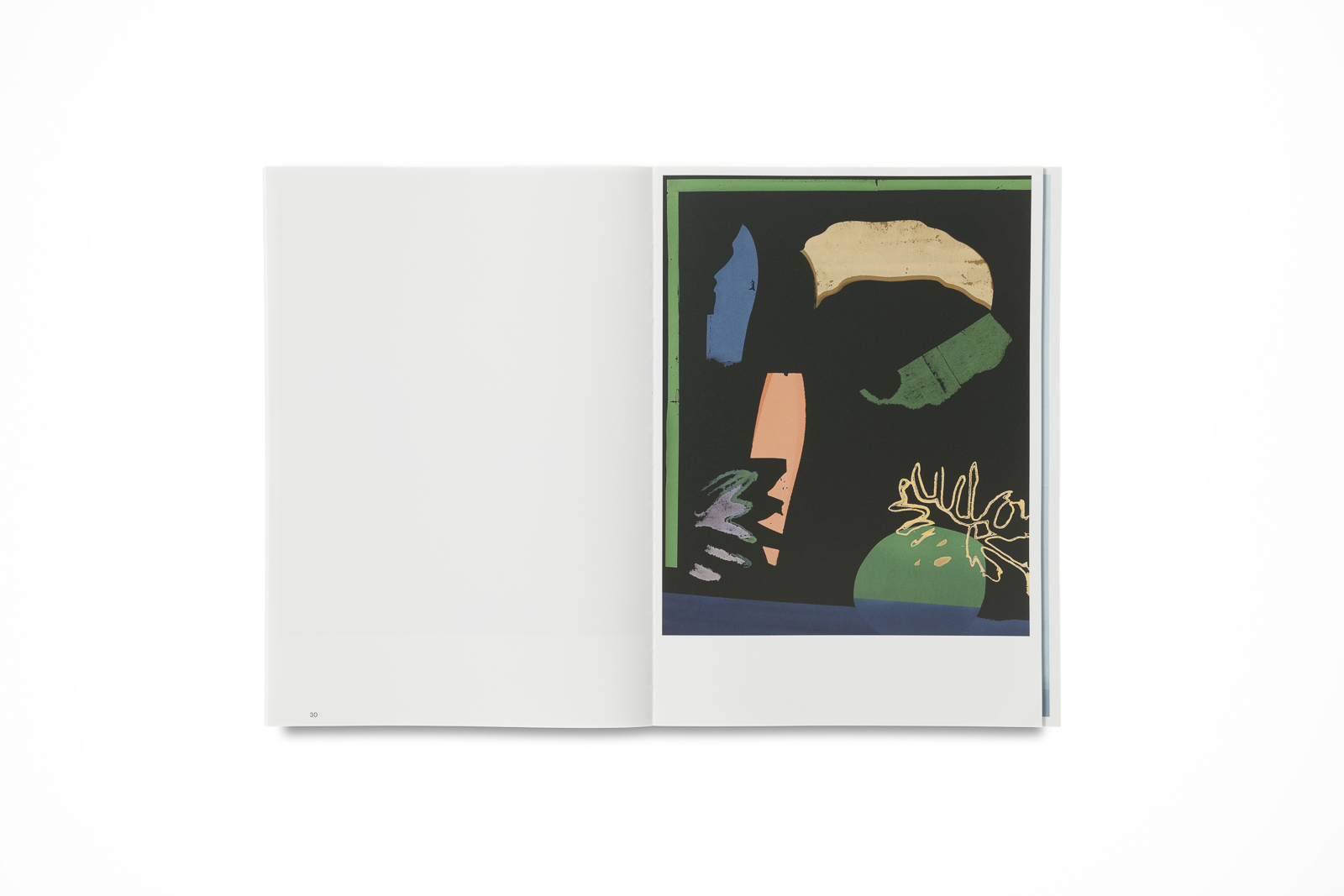
Between collages and paper creations, the result of residencies and experiments, Do Insects Play? is a poetic exploration of materials that blends visual art and writing.

The Coup de Crayon collection offers the artists in the fields of painting, drawing or collage a “carte blanche” to imagine a series as a book. “Do Insects Play” is the third volume of the collection.

‘Do Insects Play?’ is an insight into French artist Johanna Tagada Hoffbeck’s playful and mindful practice, one that is frequently informed by the environment in which she finds herself. The artworks contained in this book are a curated selection of soft and vibrant collages from the ongoing series Cocooning  – composed of various found papers, paintings and textiles, along pieces from To End is to Start, a new body of works created out of repurposed cotton fibres and water. The pieces have all been produced during a 2018 – 19 residency in South India where Johanna Tagada Hoffbeck deepened her knowledge and practice of hand papermaking. A short story by the artist is presented alongside the artworks, appearing as a gentle melody dancing throughout the pages.

Johanna Tagada Hoffbeck (born in 1990 in Strasbourg, France) is a painter and interdisciplinary artist working across rural Oxfordshire (UK) and rural Alsace (France).
Her practice composed of painting, drawing, installation, sculpture, film, photography and writing often conceals ecological messages, rendered in soft and delicate methods. In several of the artist’s projects interaction with the environment and others plays a central role. In 2014, Johanna founded the positive and collaborative cultural project Poetic Pastel. In 2018, the artist cofounded the publication series Journal du Thé – Contemporary Tea Culture.
First edition
Collection Coup de Crayon
Editorial direction: Cécile Poimbœuf-Koizumi
64 Pages
43 artworks
17 x 22.5 cm
Section-sewn debossed hardcover, round spine
Publication date: September 2019
ISBN: 979-10-96383-13-9

You may also like

in stock

999 in stock

42
in stock

352 in stock

42
in stock

1473 in stock

45
last copies

5 in stock

28
in stock

968 in stock

60
last copies

24 in stock

100
in stock

486 in stock

28
last copies

19 in stock

500
in stock

190 in stock

60
Free shipping to France on orders over 50€
Julie Cockburn

Stickybeak

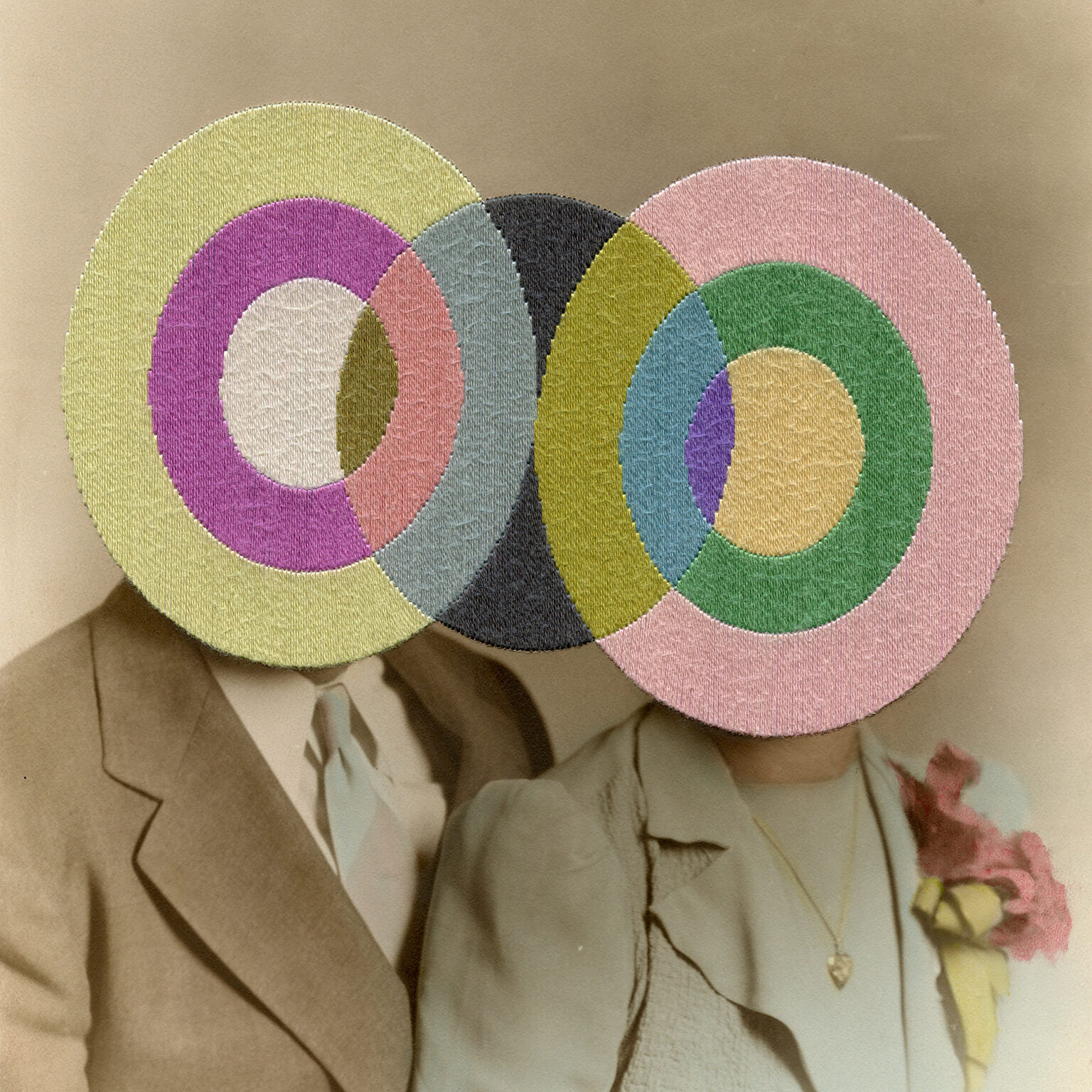
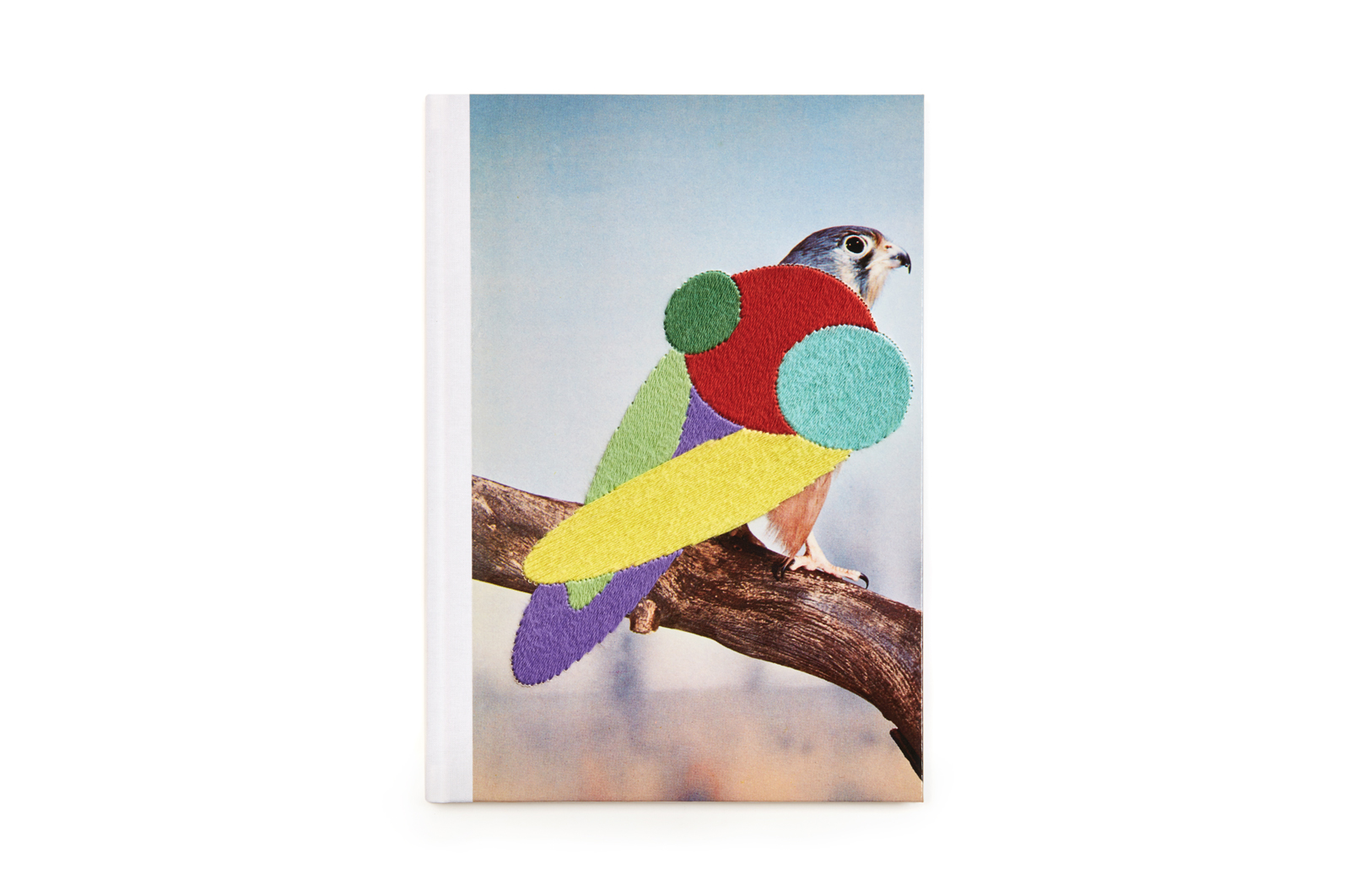
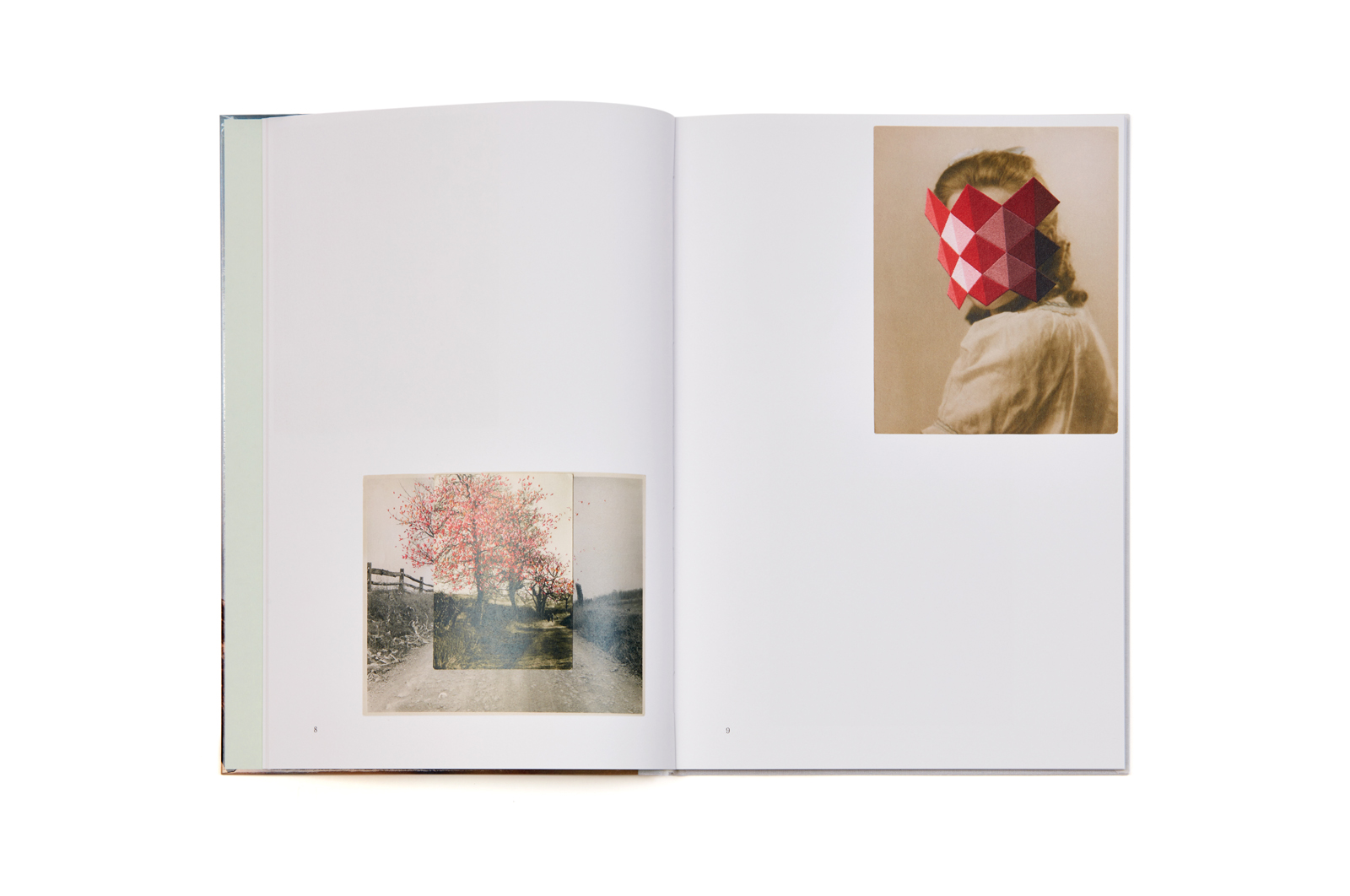
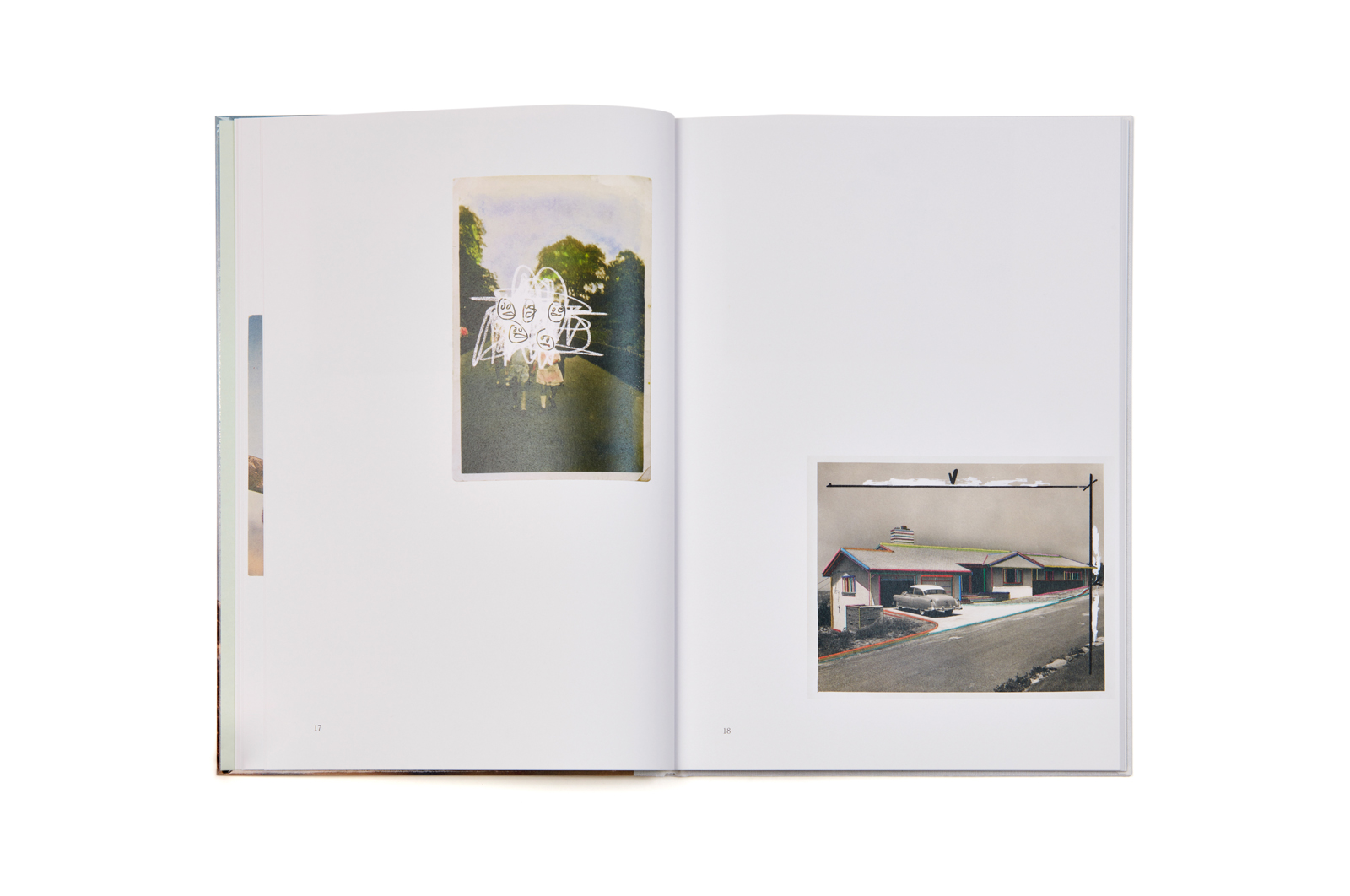
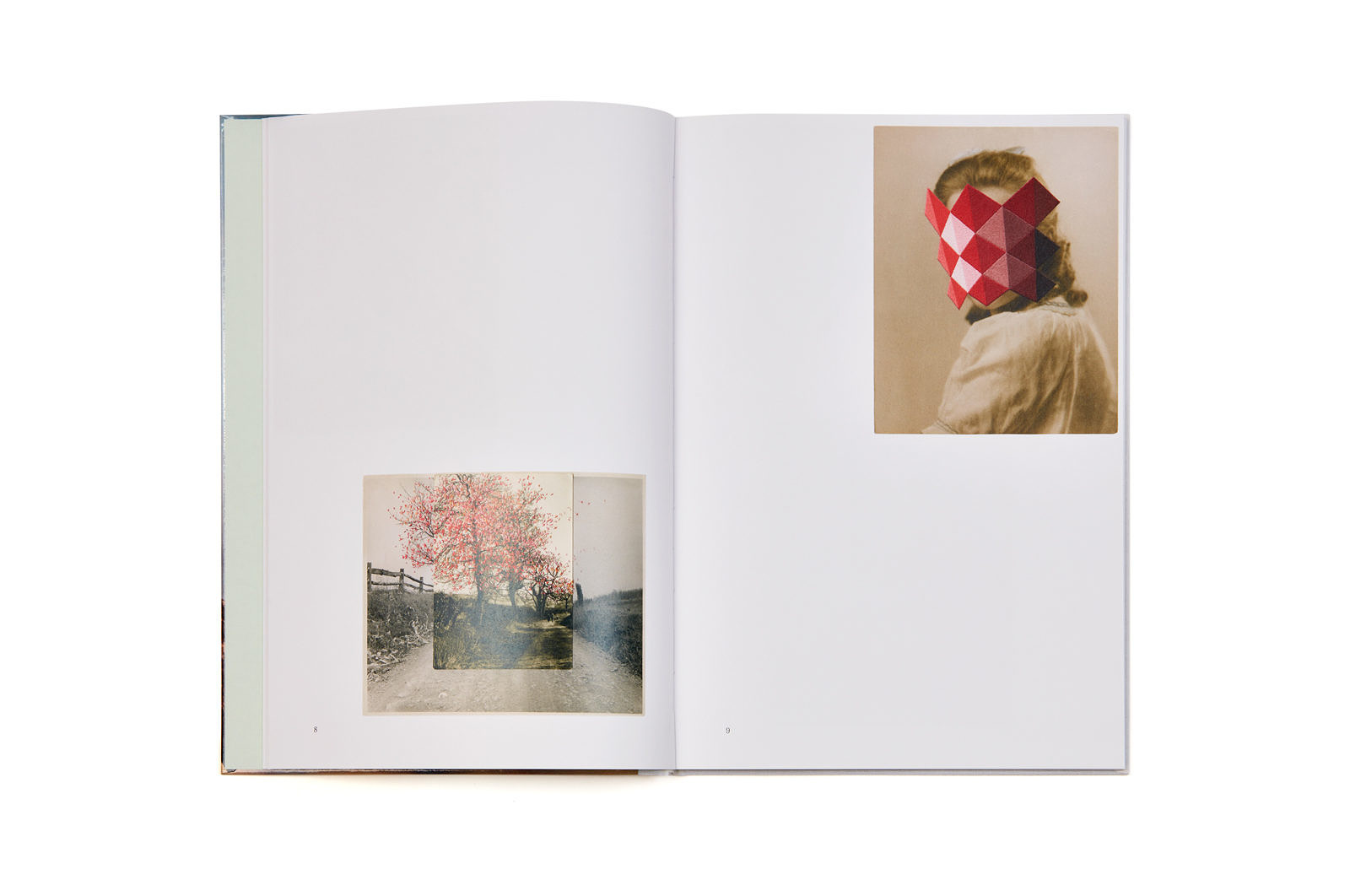
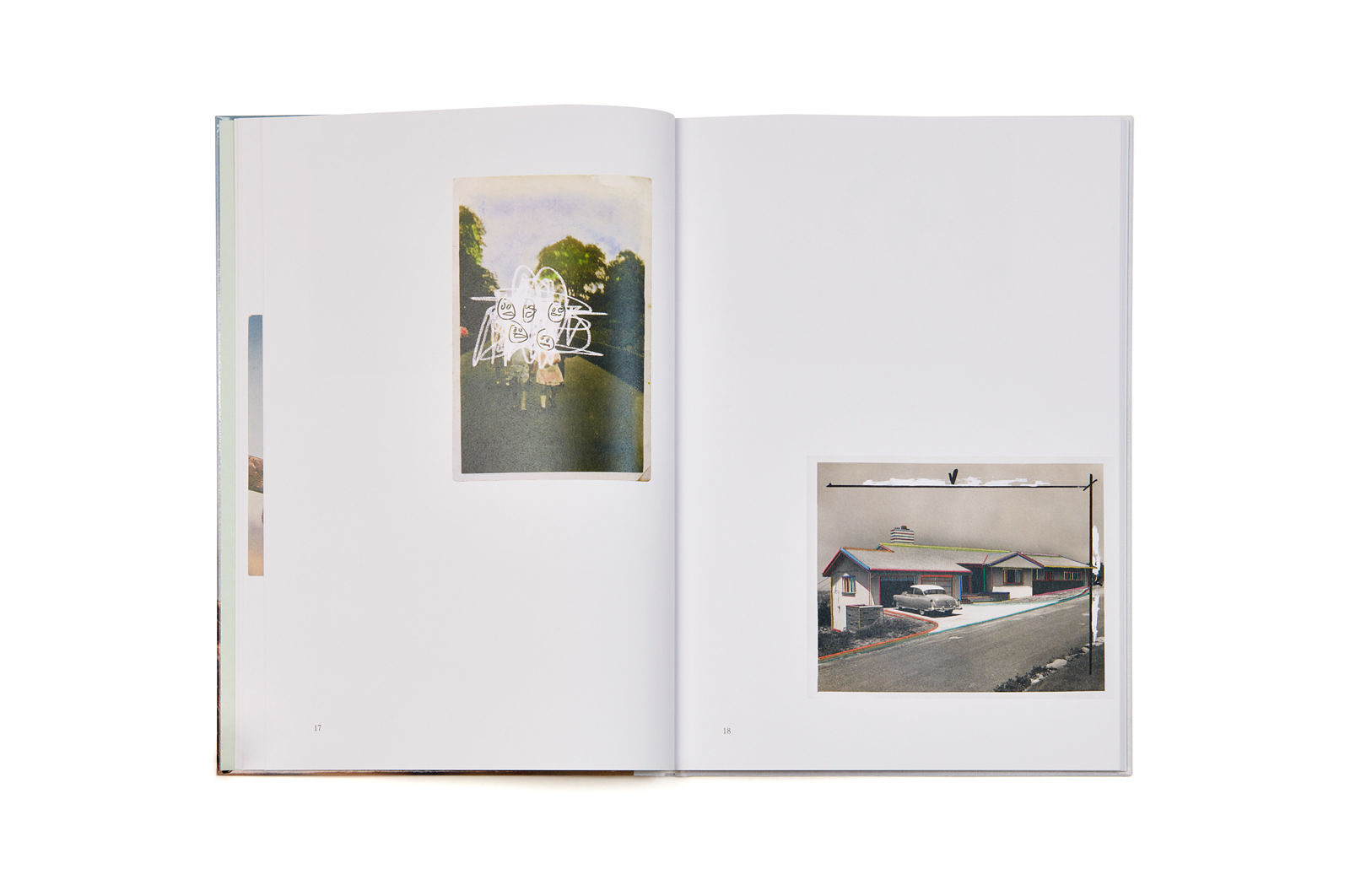
Using traditional techniques like embroidery, cutting, and collage, Julie Cockburn enhances abandoned photos she collects, giving them a second life and adding a layer of mystery to their forgotten past.

“Stickybeak” is Julie Cockburn’s first comprehensive monograph.
The book coincides with Cockburn’s solo show “Telling it slant” at Flowers Gallery in London, UK (12 September-2 November 2019)

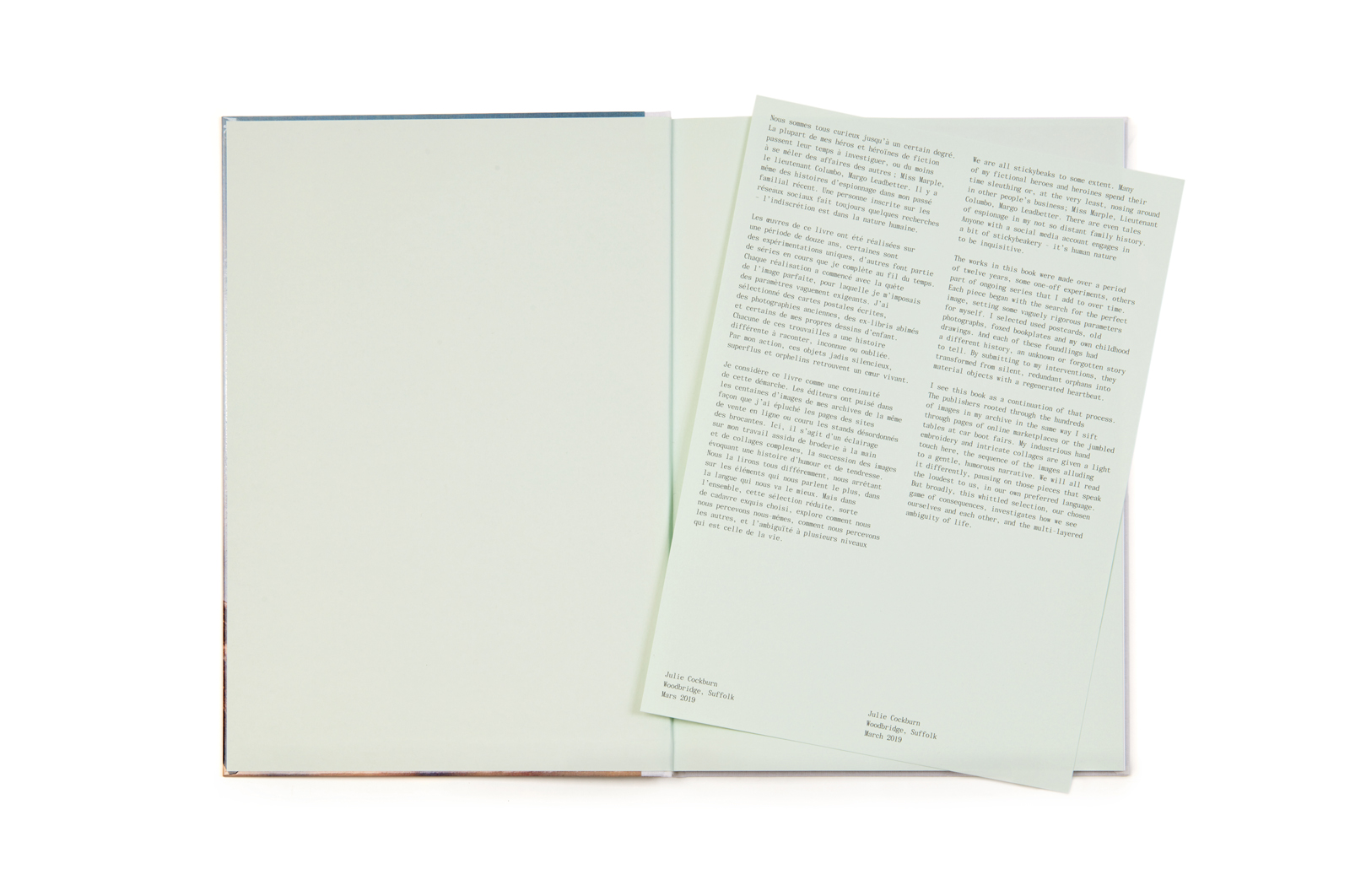
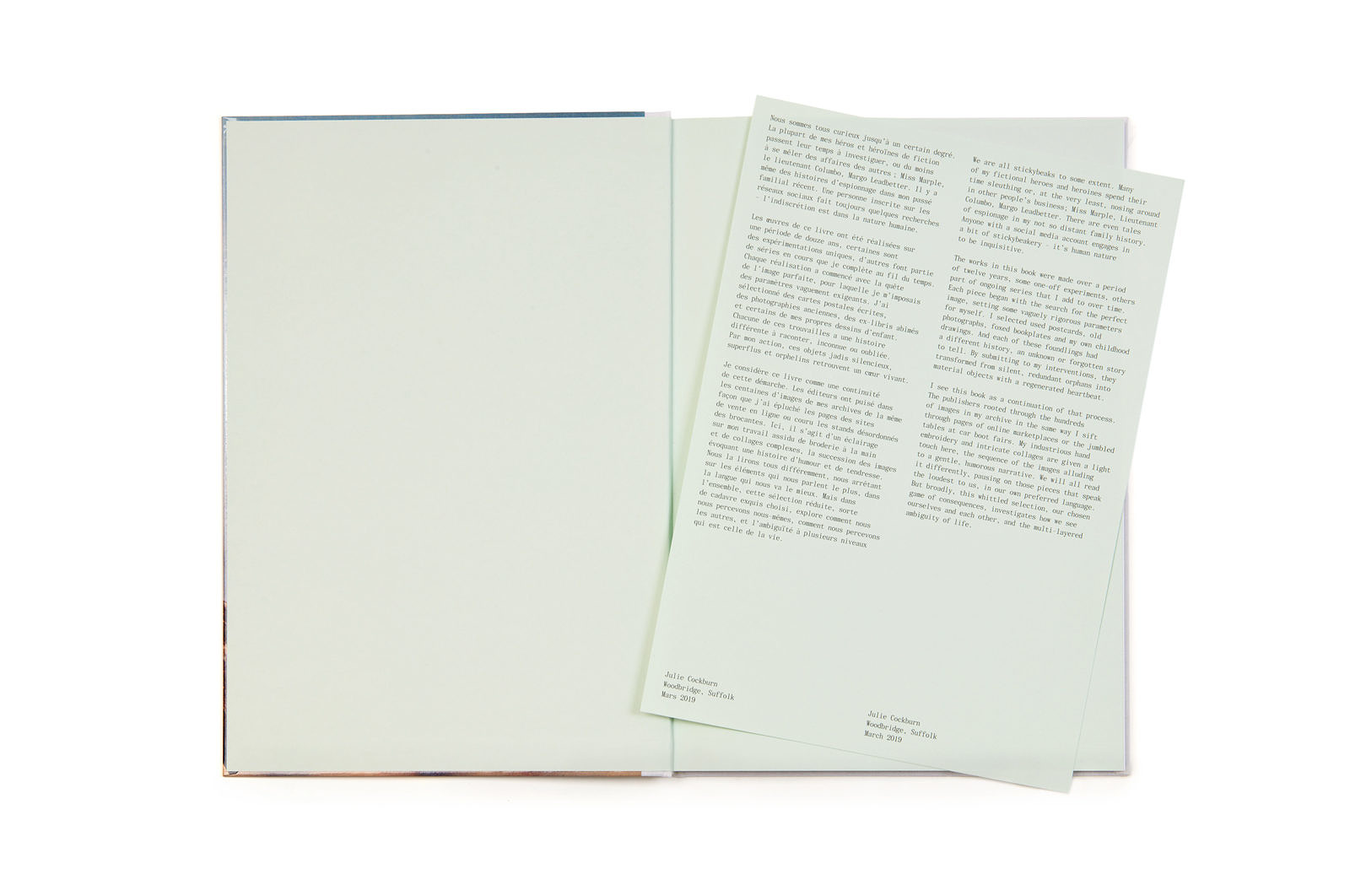
We are all stickybeaks to some extent. Many of my fictional heroes and heroines spend their time sleuthing or, at the very least, nosing around in other people’s business; Miss Marple, Lieutenant Columbo, Margo Leadbetter. There are even tales of espionage in my not so distant family history. Anyone with a social media account engages in a bit of stickybeakery – it’s human nature to be inquisitive.

The works in this book were made over a period of twelve years, some one-off experiments, others part of ongoing series that I add to over time. Each piece began with the search for the perfect image, setting some vaguely rigorous parameters for myself. I selected used postcards, old photographs, foxed bookplates and my own childhood drawings. And each of these foundlings had a different history, an unknown or forgotten story to tell. By submitting to my interventions, they transformed from silent, redundant, orphans into material objects with a regenerated heartbeat.

I see this book as a continuation of that process. The publishers rooted through the hundreds of images in my archive in the same way I sift through pages of online marketplaces or the jumbled tables at car boot fairs. My industrious hand embroidery and intricate collages are given a light touch here, the sequence of the images alluding to a gentle, humorous narrative. We will all read it differently, pausing on those pieces that speak the loudest to us, in our own preferred language. But broadly, this whittled selection, our chosen game of consequences, investigates how we see ourselves and each other, and the multi-layered ambiguity of life.

Julie Cockburn

Julie Cockburn (born in 1966 in London) lives and works in Suffolk (UK). She at Central St Martins School of Art and Design and Chelsea School of Art, London. Julie Cockburn's work is best defined by its delicate craftsmanship and by the transformation of everyday and found objects into works of art. Through the manipulation of found items and images - such as ceramic sculptures, paintings, photographs, printed paper and books, she evokes a sense of both the new and the spontaneous. She is represented by The Photographers’ Gallery (London), Flowers Gallery (London) and Hopstreet Gallery (Brussels).
First edition
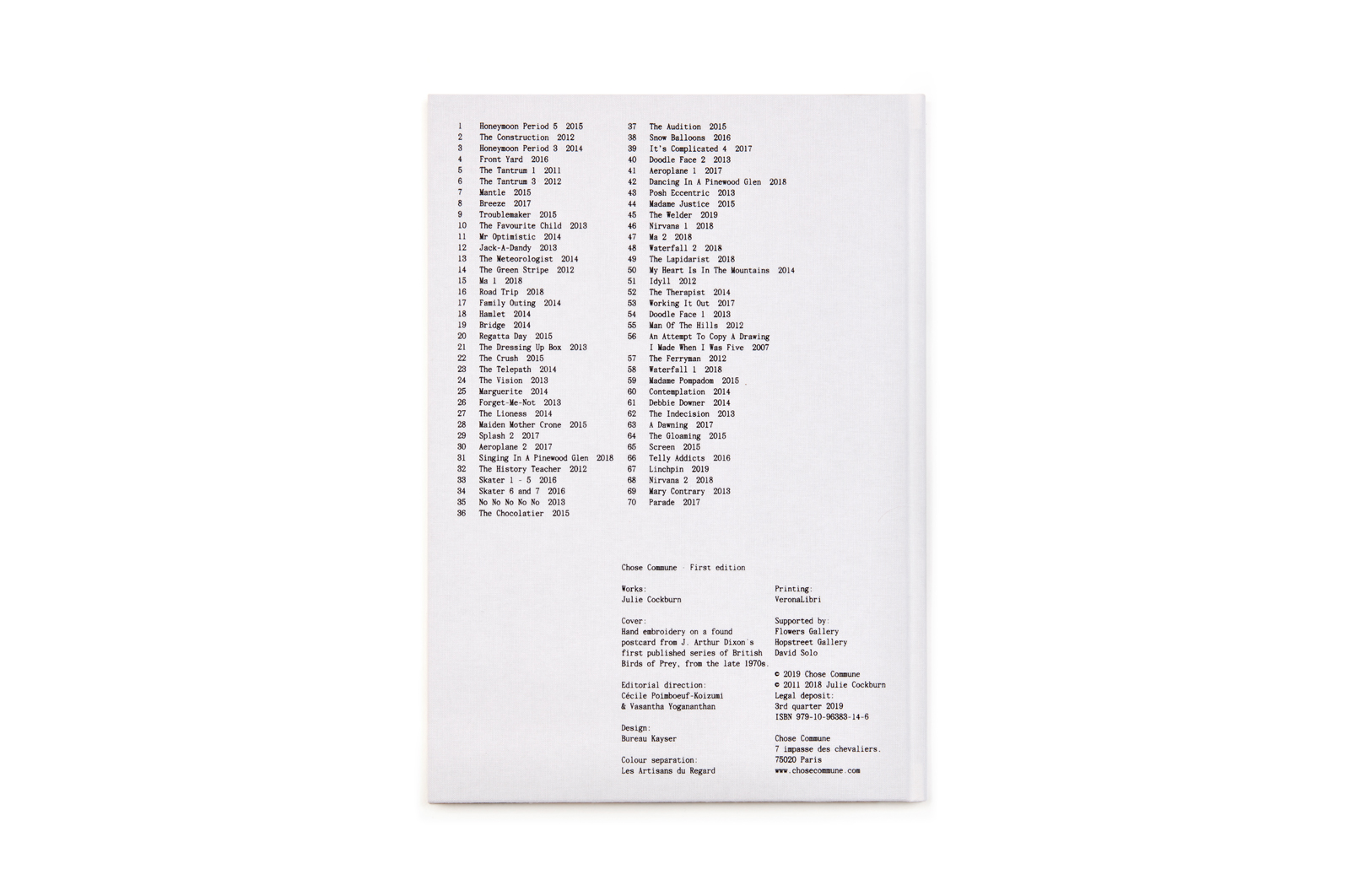
Design: Bureau Kayser
88 pages
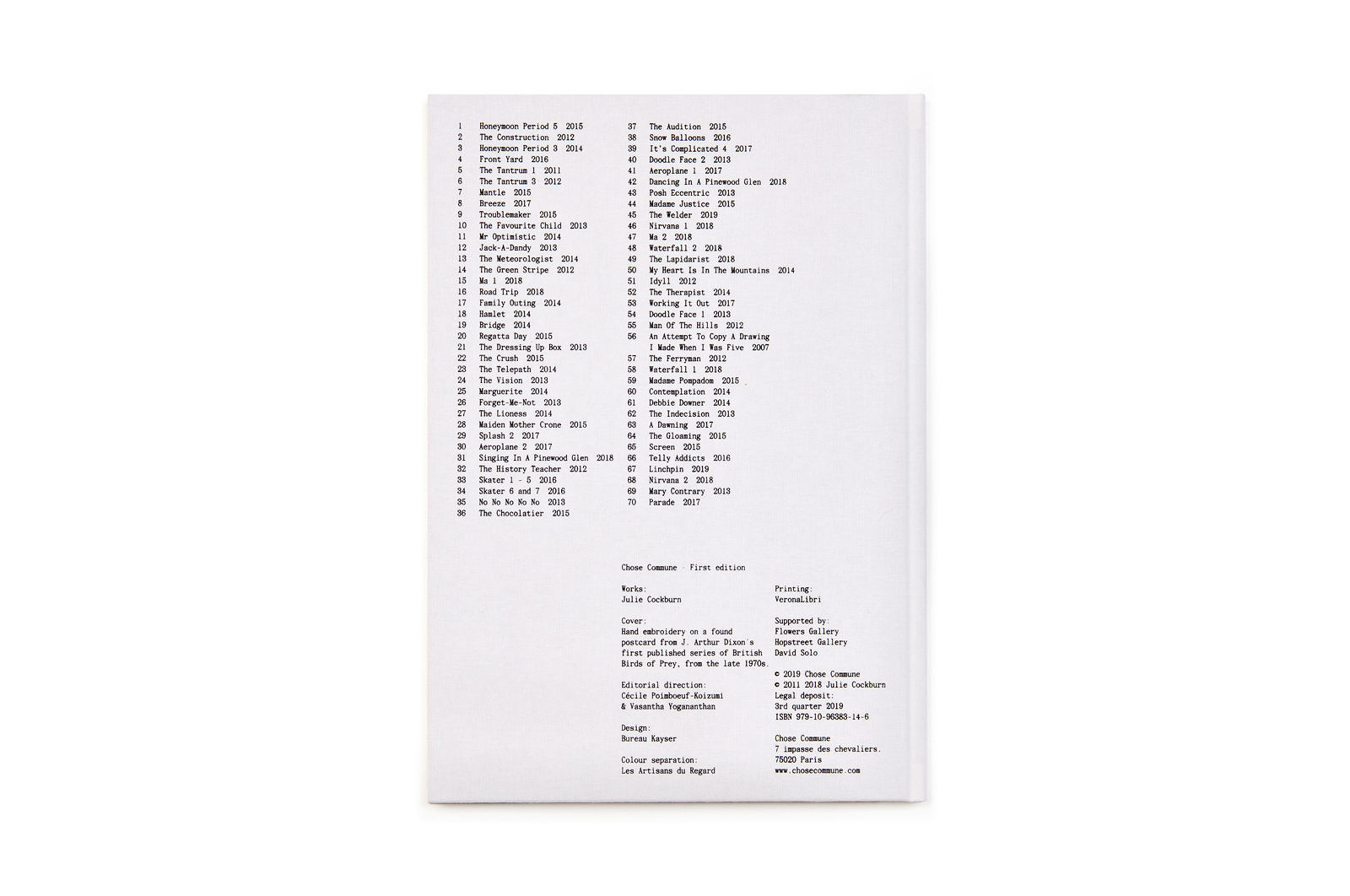
70 works
21 x 30 cm
Section-sewn quarterbound hardcover with cloth spine
French / English
Publication date: 11 September 2019
ISBN: 979-10-96383-14-6

You may also like

in stock

999 in stock

42
in stock

352 in stock

42
in stock

968 in stock

60
in stock

769 in stock

40
in stock

486 in stock

28
last copies

1 in stock

25
last copies

19 in stock

500
in stock

190 in stock

60
Free shipping to France on orders over 50€
Geraldo de Barros

Sobras

Sobras is Geraldo de Barros’ most intimate series: he works from his family archives, cutting and gluing them into a black-and-white world.

Geraldo de Barros (1923-98) is one of the major figures of the Brazilian artistic scene during the second half of the 20th century. He was an inventive and experimental artist with a diverse practice that included painting, photography and design, as well as being one of the founding members of concrete art in São Paulo.

Following a series of strokes, de Barros returned to photography at the end of the 90s. Revisiting his archive with the help of an assistant, he created cuts and collages from old family photographs – making his last and most personal series: « Sobras » (Remains).

The book « Sobras » is the first international publication devoted to this work, and sits somewhere between a historical tribute and artist book. Vanessa Barbara, a young Brazilian writer, compliments de Barros’ last photographs with a quirky short story inspired by his striking world, in which pitch blacks contrast with the dazzling white snow of his winter memories.

Geraldo de Barros (born in 1923 in Chavantes, São Paulo, and passed away in 1998) was initially trained in economics before beginning his study of art in the mid-1940s.
He was one of the leading figures of the Brazilian avant-garde and is now recognized as a key figure in the Brazilian art scene of the second half of the 20th century. A curious artist with a passion for experimentation, his work was highly diverse. As both a painter, photographer, and designer, he was also one of the founding members of concrete art in São Paulo.
First edition
Concept and editing: Cécile Poimboeuf-Koizumi & Vasantha Yogananthan
Design: Atelier Pentagon (Vanessa Goetz & Guillaume Allard)
Short story: Vanessa Barbara
124 pages
65 plates
23 cm x 33 cm
Section-sewn debossed hardcover with tips on
English / French / Portuguese
Publication date: 18 April 2017
ISBN: 979-10-96383-00-9
Winner Prix Nadar 2017 Shortlisted for Arles Historical Book Award 2017

You may also like

last copies

10 in stock

280
in stock

999 in stock

42
in stock

352 in stock

42
in stock

968 in stock

60
in stock

949 in stock

55
last copies

1 in stock

25
last copies

19 in stock

500
Free shipping to France on orders over 50€
Geraldo de Barros

Sobras

Geraldo de Barros (1923-98) is one of the major figures of the Brazilian artistic scene during the second half of the 20th century. He was an inventive and experimental artist with a diverse practice that included painting, photography and design, as well as being one of the founding members of concrete art in São Paulo.

Following a series of strokes, de Barros returned to photography at the end of the 90s. Revisiting his archive with the help of an assistant, he created cuts and collages from old family photographs – making his last and most personal series: « Sobras » (Remains).

The book « Sobras » is the first international publication devoted to this work, and sits somewhere between a historical tribute and artist book. Vanessa Barbara, a young Brazilian writer, compliments de Barros’ last photographs with a quirky short story inspired by his striking world, in which pitch blacks contrast with the dazzling white snow of his winter memories.

Geraldo de Barros (born in 1923 in Chavantes, São Paulo, and passed away in 1998) was initially trained in economics before beginning his study of art in the mid-1940s.
He was one of the leading figures of the Brazilian avant-garde and is now recognized as a key figure in the Brazilian art scene of the second half of the 20th century. A curious artist with a passion for experimentation, his work was highly diverse. As both a painter, photographer, and designer, he was also one of the founding members of concrete art in São Paulo.
Edition of 30, comprising a book with a limited fine art print (20,6 x 24,6 cm, certified by Fabiana de Barros on behalf of the artist's estate), housed together in a clamshell box handmade by La Reliure contemporaine.

You may also like

last copies

10 in stock

280
in stock

999 in stock

42
in stock

352 in stock

42
in stock

968 in stock

60
in stock

949 in stock

55
last copies

1 in stock

25
in stock

190 in stock

60
Your Cart (0)
Your cart is empty
Calculate Shipping