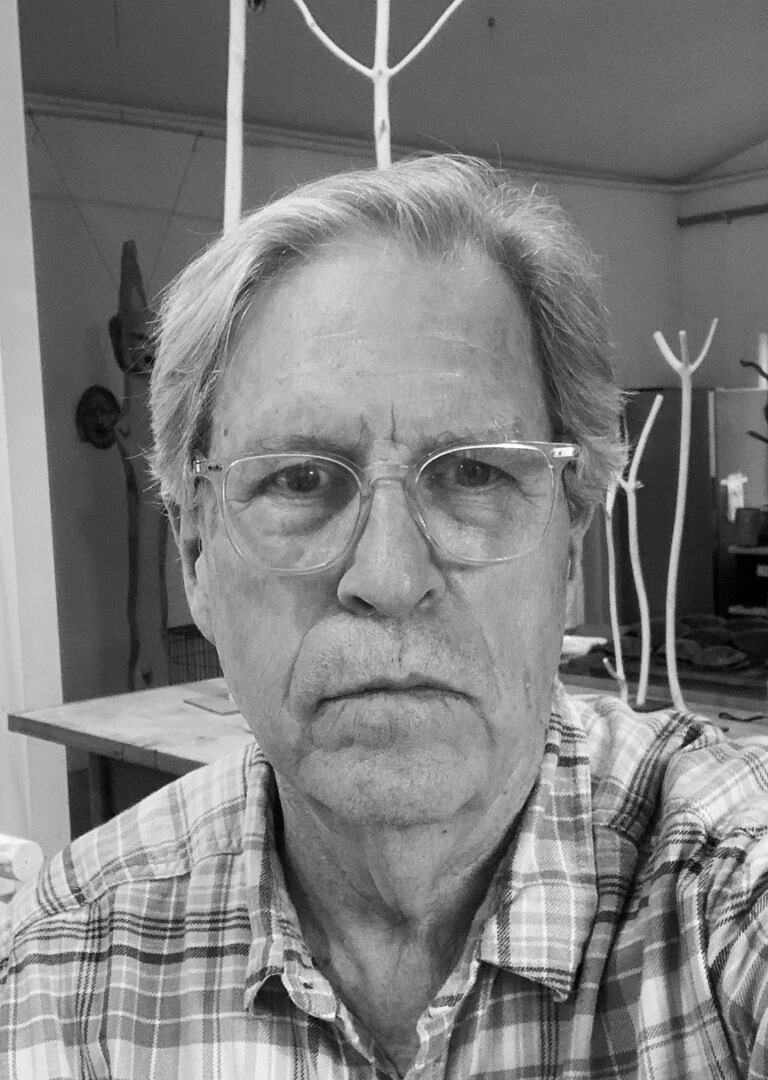
Jared Bark
Trent Davis Bailey
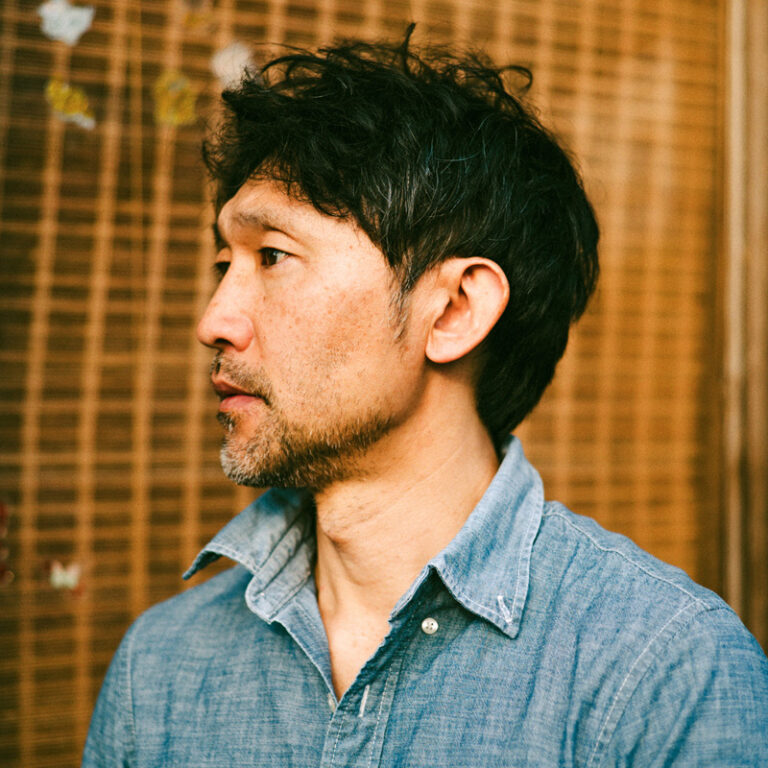
Trent Davis Bailey is an American artist and photographer born and based in Colorado.
– Home and studio — together or apart?
Together, if slightly apart. My studio is an outbuilding on the same property as my family’s home, which I share with my wife, Emma, and our two children.
– Do you have any daily rituals?
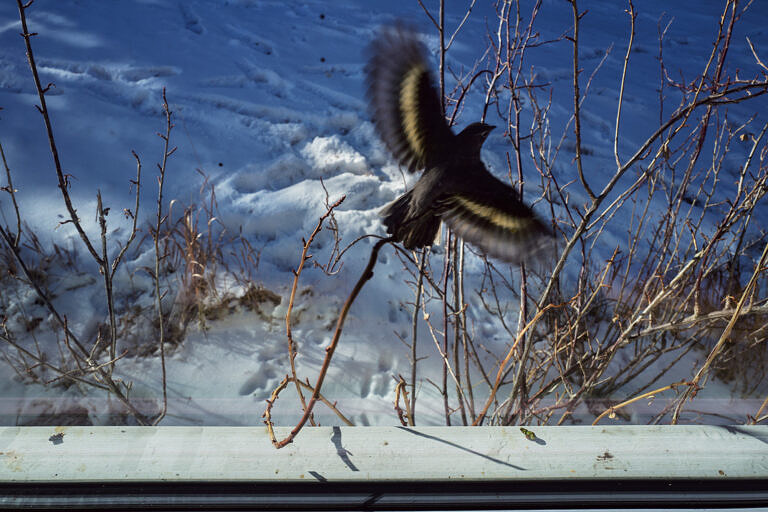
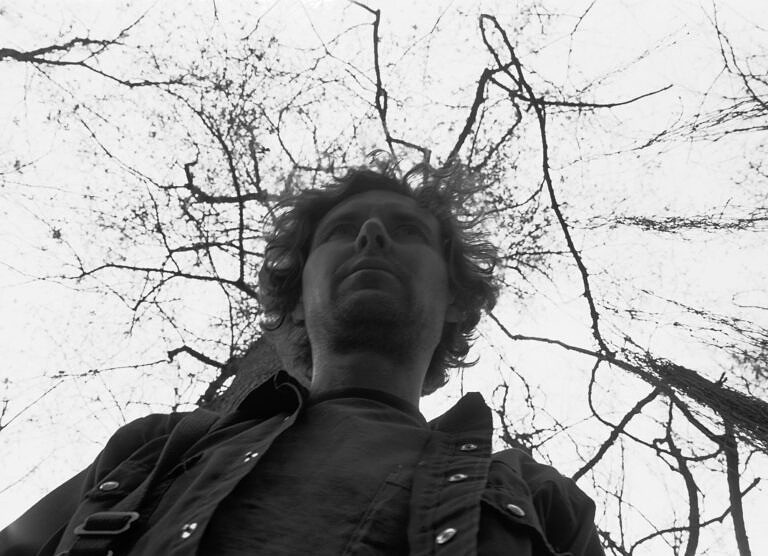
I drink coffee and tea. I exercise. I read books. I bow to old trees—mostly pines and cottonwoods. I listen to them and the birds. I brake for deer and elk.
– What is the first art book you remember?
That would either be Los Alamos by William Eggleston (2003, Scalo Verlag Ac) or Diane Arbus Revelations (2003, Random House), both of which were published when I was a senior in high school. I still remember looking at those books one after the other, feeling utterly amazed by the work, and thinking how broad and far-reaching the possibilities are for using photography as a tool for documenting people and evoking a sense of place.
– What is your studio/creative soundtrack?
When I’m in my studio, if I’m not working in silence, I listen to records. Some of my go-tos are Big Thief, Blood Orange, Nils Frahm, Philip Glass, Nicolas Jaar, Fela Kuti, Sufjan Stevens, Gillian Welch, Neil Young, and a number of Blue Note LPs. When I was a boy, my first favorite band was the Grateful Dead and they’ll forever be on rotation.
– What is the favourite thing you have in your studio?
It’s hard to choose just one thing—especially when I think of artwork by my mom and my kids and practical things like my film scanner, my editing wall, and the tools and equipment I use almost daily—but I’m fond of this Noguchi Akari.
– Did you always want to be an artist?
Yes, more or less. When I was a teenager I liked hiding out in my school’s darkroom and I’d skip lunch to make prints. Around that same time, when I turned thirteen, I begged my dad to buy me a bass guitar and I went on to play in bands until my mid-twenties. It was my adolescent dream to either be a photographer or a bassist. I still can’t believe one of those two callings panned out.
– What does a free day look like?
Many of my “free days” are for catching up with stuff I’ve put off, but the best ones are open-ended and shared with my family. Ideally, a free day includes a leisurely communal meal—maybe a picnic—and if we’re near a natural hot spring, which is not uncommon in Colorado and some neighboring states, there’s a good chance we’ll stop for a soak.
Books & Objects
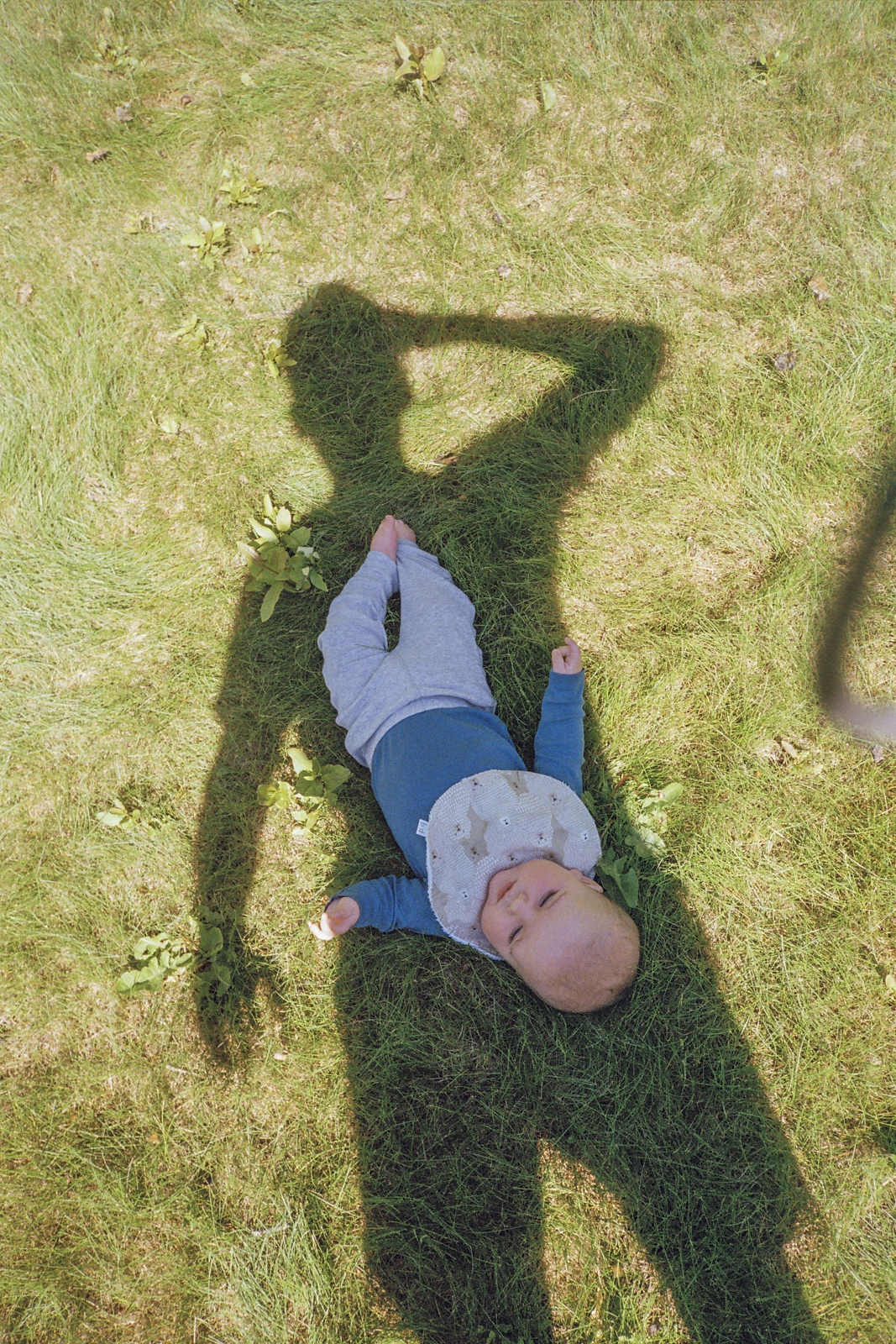
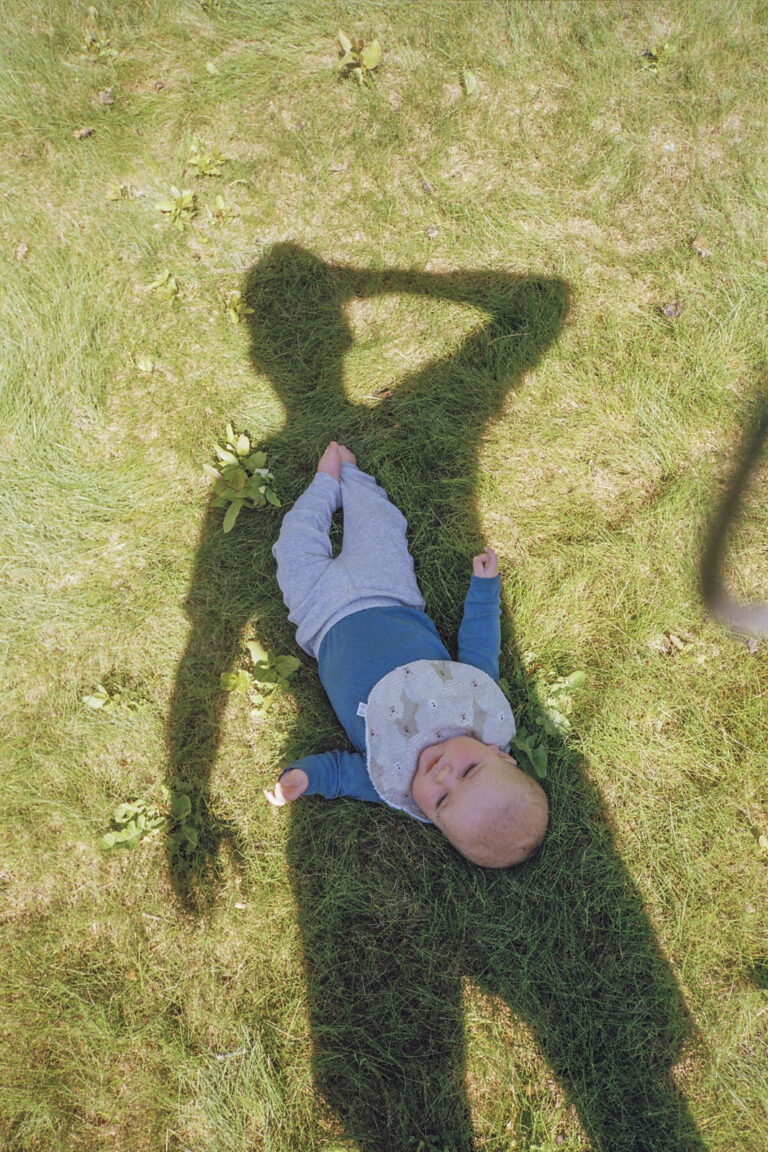
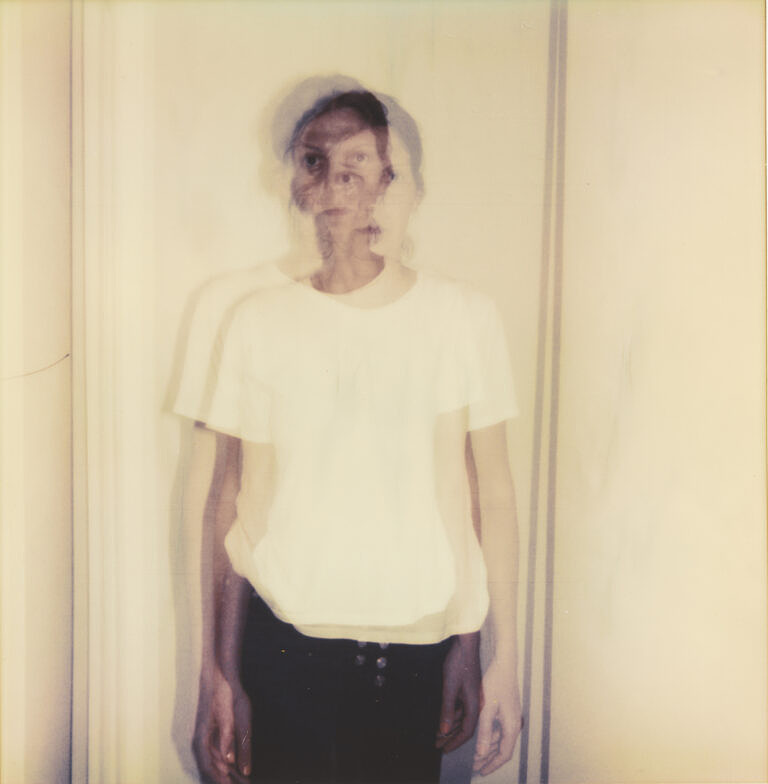
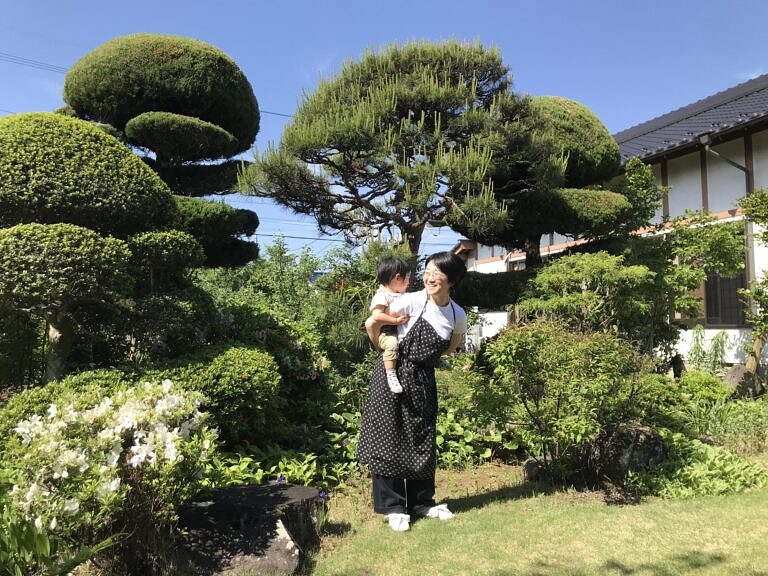
Untitled (Self-portrait with Bennett), Montana, 2020
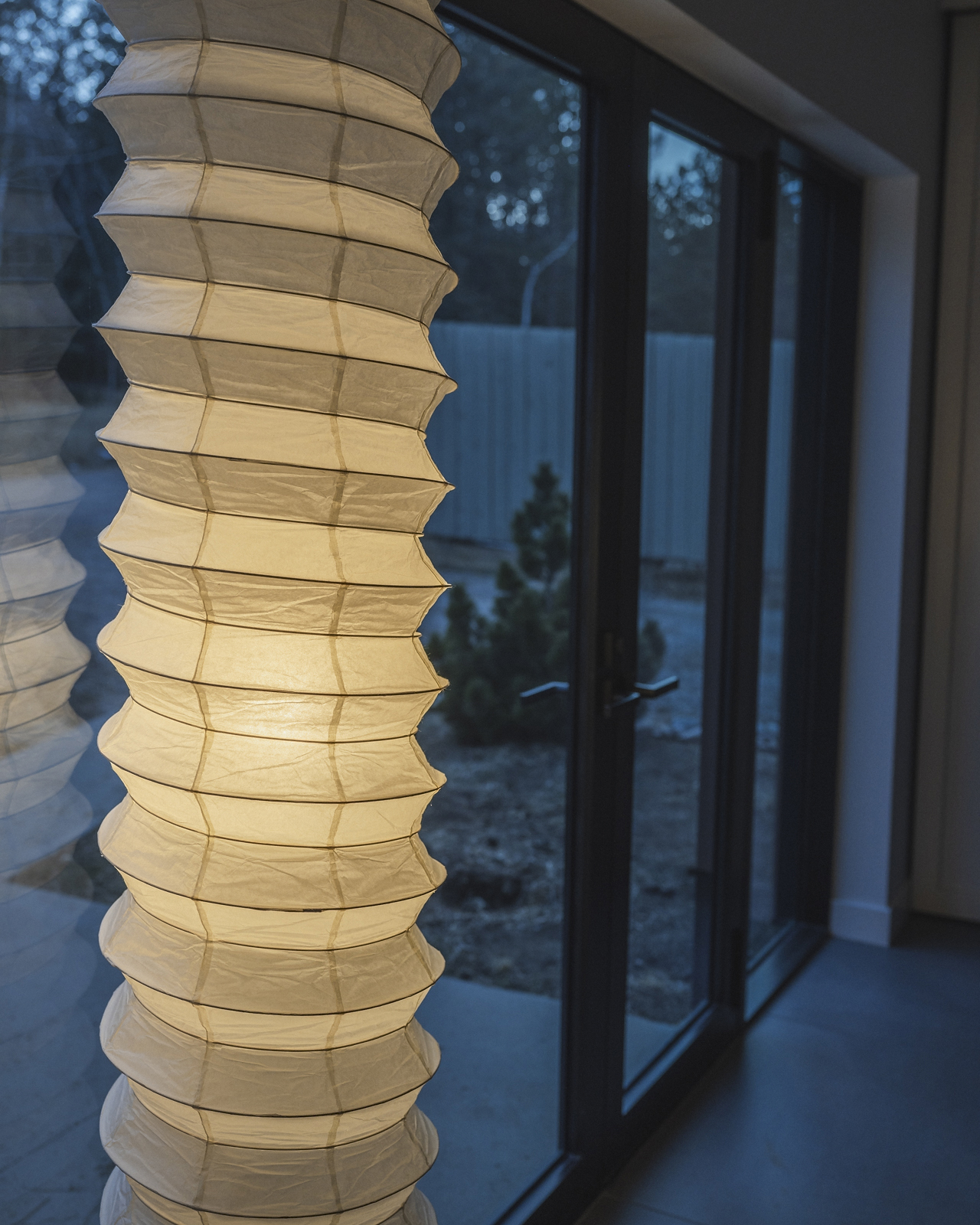
My favourite thing at the studio
Artists













Your Cart (0)


Your cart is empty
Your Cart (0)
Your cart is empty